the Creative Commons Attribution 4.0 License.
the Creative Commons Attribution 4.0 License.
 | 14 Mar 2025
Global Carbon Budget 2024
Pierre Friedlingstein

Michael O'Sullivan
Matthew W. Jones
Robbie M. Andrew
Judith Hauck
Peter Landschützer
Corinne Le Quéré
Hongmei Li
Ingrid T. Luijkx
Are Olsen
Glen P. Peters
Wouter Peters
Julia Pongratz
Clemens Schwingshackl
Stephen Sitch
Josep G. Canadell
Philippe Ciais
Robert B. Jackson
Simone R. Alin
Almut Arneth
Vivek Arora
Nicholas R. Bates
Meike Becker
Nicolas Bellouin
Carla F. Berghoff
Henry C. Bittig
Laurent Bopp
Patricia Cadule
Katie Campbell
Matthew A. Chamberlain
Naveen Chandra
Frédéric Chevallier
Louise P. Chini
Thomas Colligan
Jeanne Decayeux
Laique M. Djeutchouang
Xinyu Dou
Carolina Duran Rojas
Kazutaka Enyo
Wiley Evans
Amanda R. Fay
Richard A. Feely
Daniel J. Ford
Adrianna Foster
Thomas Gasser
Marion Gehlen
Thanos Gkritzalis
Giacomo Grassi
Luke Gregor
Nicolas Gruber
Özgür Gürses
Ian Harris
Matthew Hefner
Jens Heinke
George C. Hurtt
Yosuke Iida
Tatiana Ilyina
Andrew R. Jacobson
Atul K. Jain
Tereza Jarníková
Annika Jersild
Fei Jiang
Zhe Jin
Etsushi Kato
Ralph F. Keeling
Kees Klein Goldewijk
Jürgen Knauer
Jan Ivar Korsbakken
Siv K. Lauvset
Nathalie Lefèvre
Junjie Liu
Lei Ma
Shamil Maksyutov
Gregg Marland
Nicolas Mayot
Patrick C. McGuire
Nicolas Metzl
Natalie M. Monacci
Eric J. Morgan
Shin-Ichiro Nakaoka
Craig Neill
Yosuke Niwa
Tobias Nützel
Lea Olivier
Tsuneo Ono
Paul I. Palmer
Denis Pierrot
Zhangcai Qin
Laure Resplandy
Alizée Roobaert
Thais M. Rosan
Christian Rödenbeck
Jörg Schwinger
T. Luke Smallman
Stephen M. Smith
Reinel Sospedra-Alfonso
Tobias Steinhoff
Adrienne J. Sutton
Roland Séférian
Shintaro Takao
Hiroaki Tatebe
Hanqin Tian
Bronte Tilbrook
Olivier Torres
Etienne Tourigny
Hiroyuki Tsujino
Francesco Tubiello
Guido van der Werf
Rik Wanninkhof
Xuhui Wang
Dongxu Yang
Xiaojuan Yang
Wenping Yuan
Sönke Zaehle
Ning Zeng
Jiye Zeng
Related authors


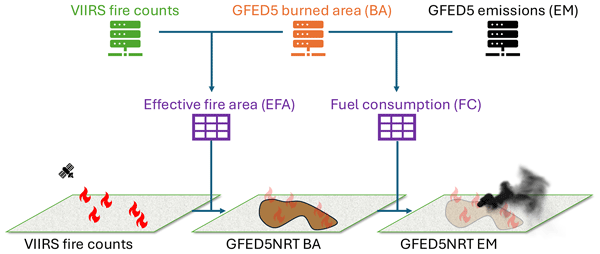
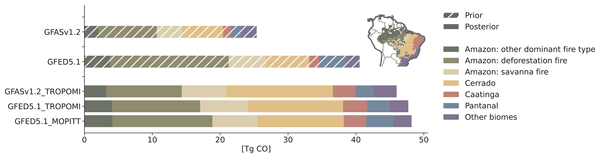
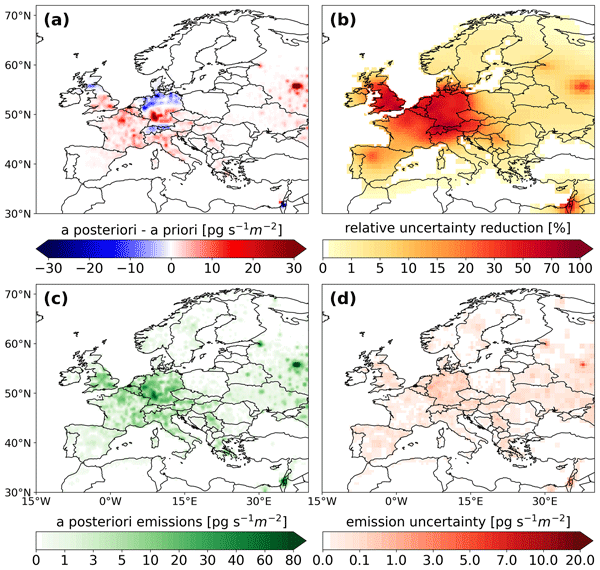
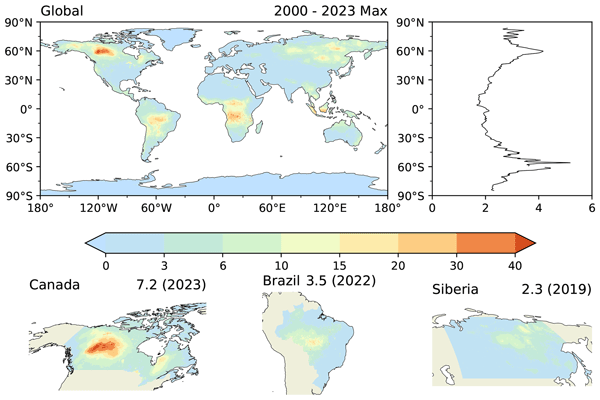
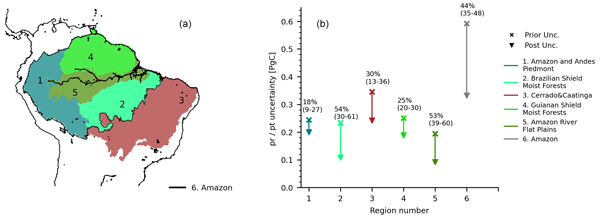
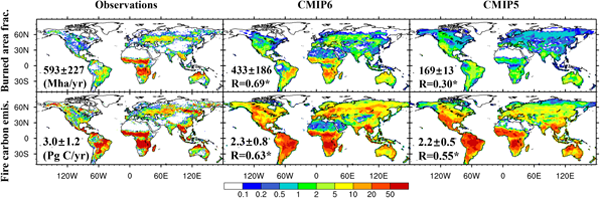
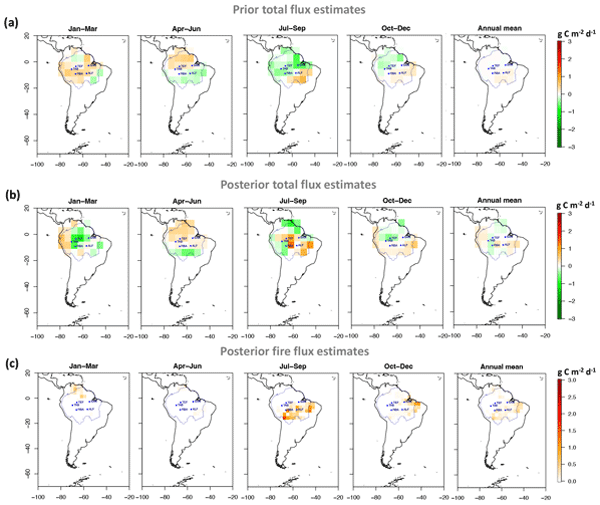
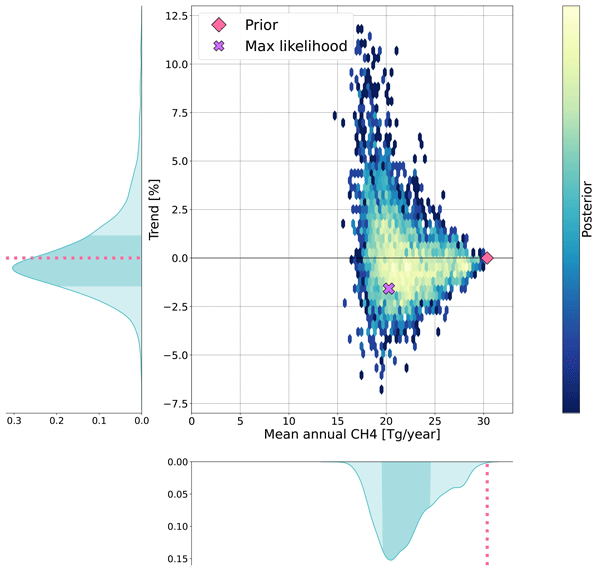
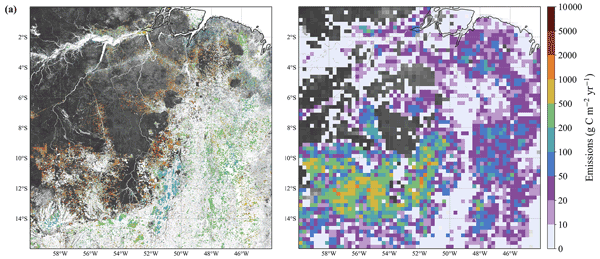
We estimate 2019 Brazilian fire carbon monoxide (CO) emissions using CO retrievals from multiple satellites in a new top-down inversion framework. The retrievals strongly constrain fire emissions and complement existing inventories. National-scale posterior emissions align well with the new Global Fire Emissions Database v5.1, supporting progress in fire emission models. Yet, posterior emissions in the Cerrado and Caatinga are systematically higher than inventories; we discuss potential drivers.



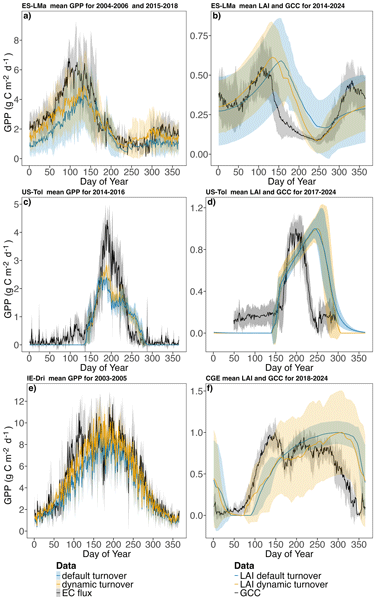
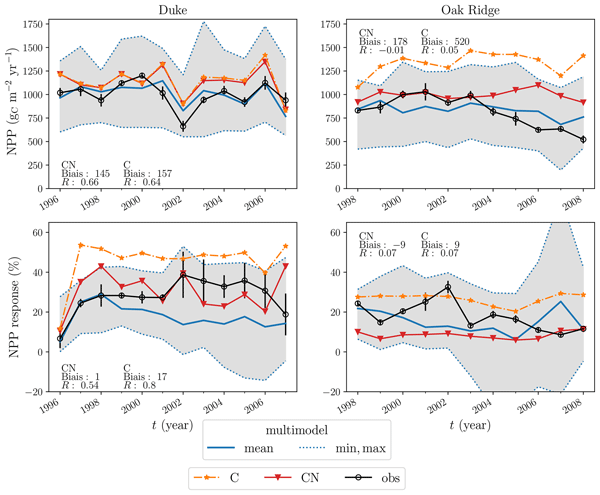
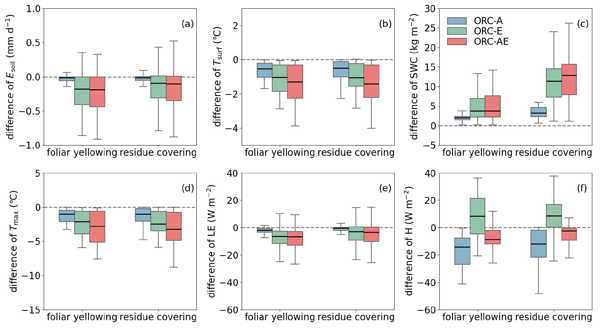
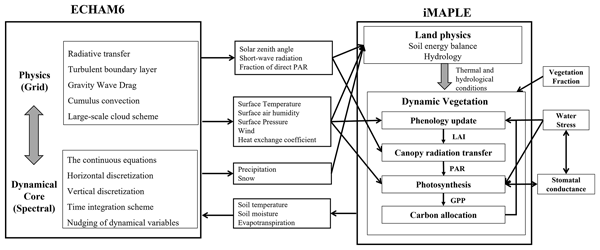
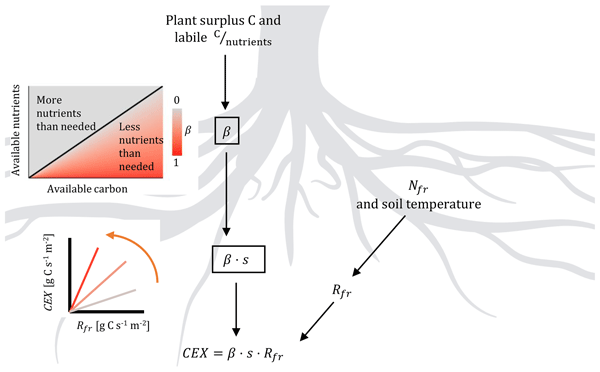
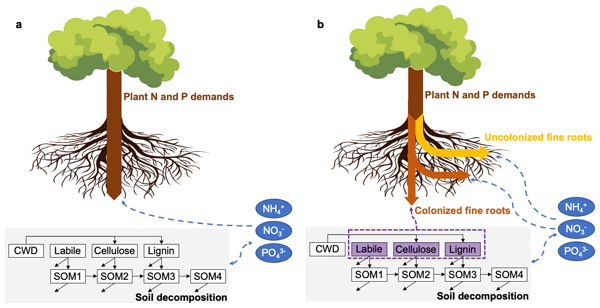
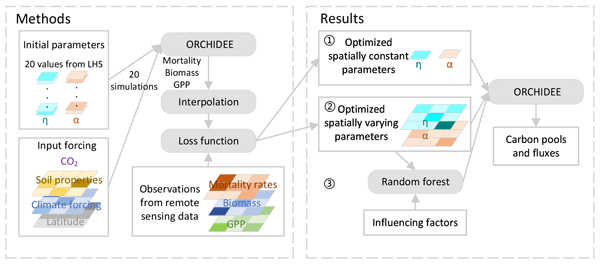
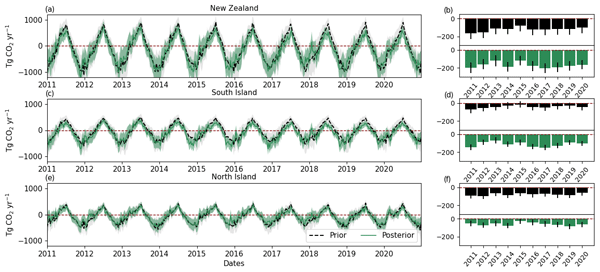
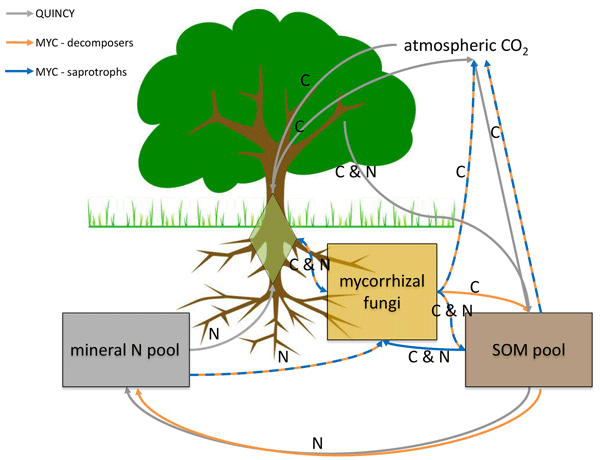
Plants send about a third of their captured carbon below ground, to roots and soil fungi that take up water and nutrients. Most climate models still treat the entire root system as one uniform mass. We built a new land-model version that separates roots into three types: transport roots, absorptive roots, and fungal partners. Tested at twenty sites worldwide, it cut errors in simulated ecosystem carbon exchange by more than half, sharpening projections of how land will respond to climate change.
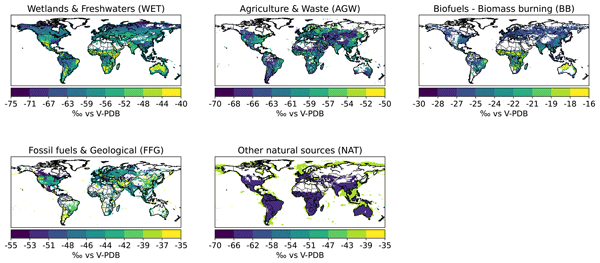





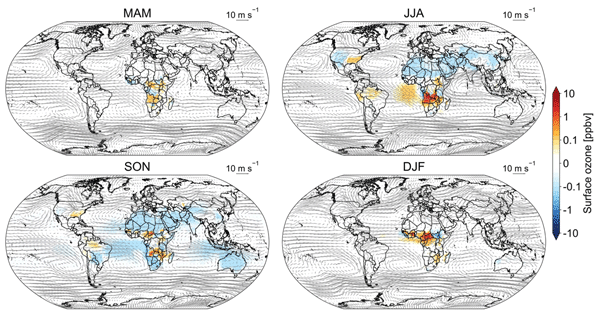
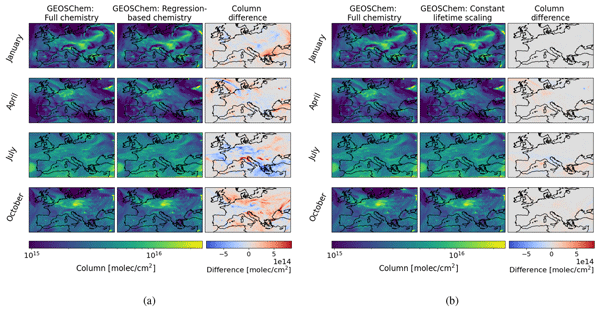
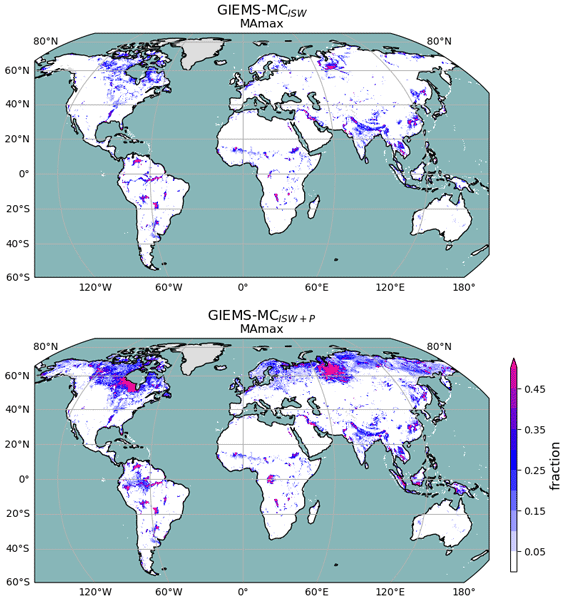
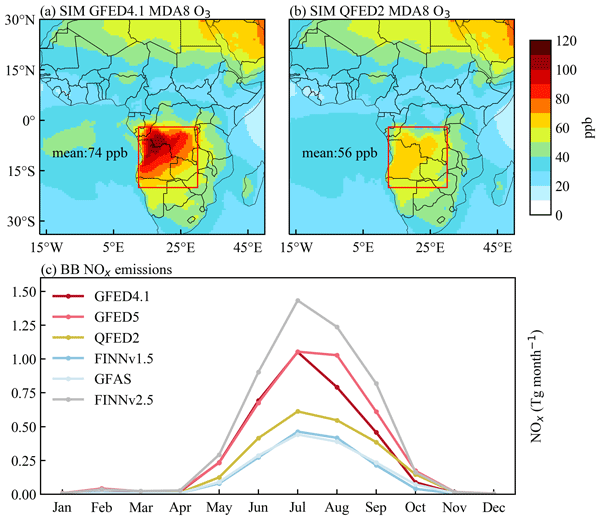
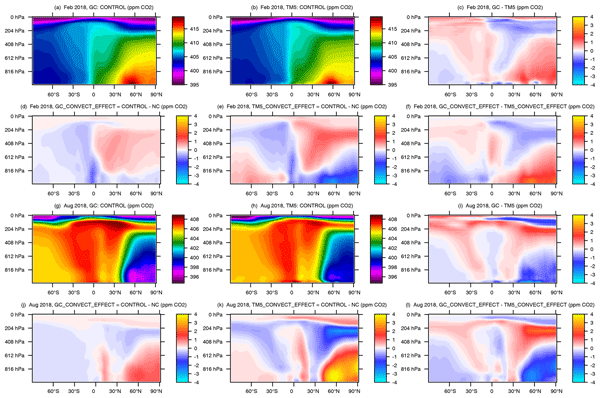
We examine the impact of diurnally varying African biomass burning (BB) emissions on tropospheric ozone using GEOS-Chem simulations with a high-resolution satellite-derived emission inventory. Compared to coarser temporal resolutions, incorporating diurnal variations leads to significant changes in surface ozone and atmospheric oxidation capacity. Our findings highlight the importance of accurately representing BB emission timing in chemical transport models to improve ozone predictions.

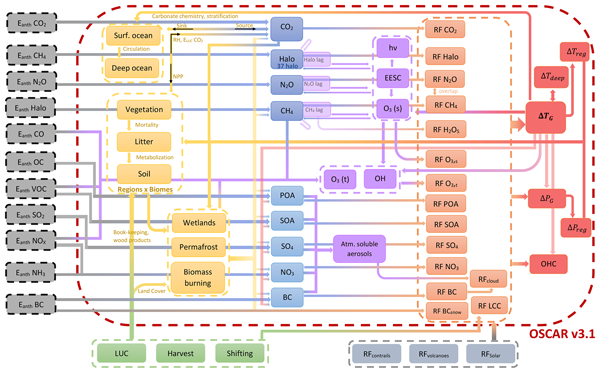
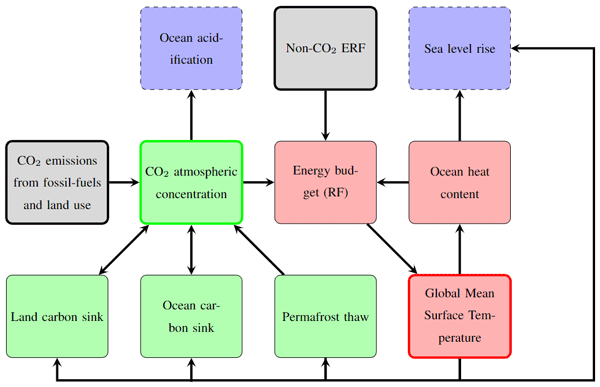
- clear and pedagogical presentation of up-to-date climate equations, climate parameters and associated uncertainties;
- dynamic metrics interpretation support;
- recommendations of new characterisation factors for temperature change metrics in future assessment reports;
- open-source assessment tool release.

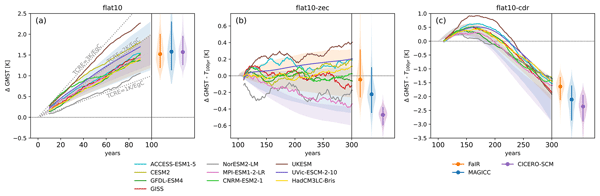

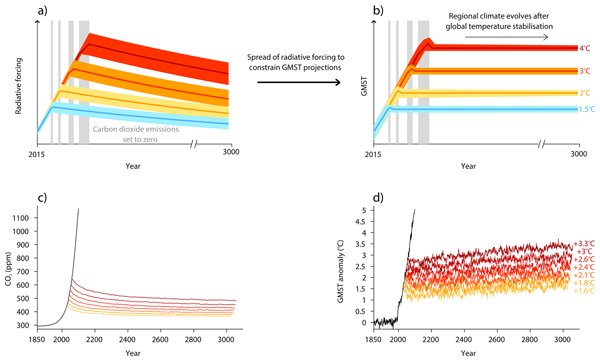



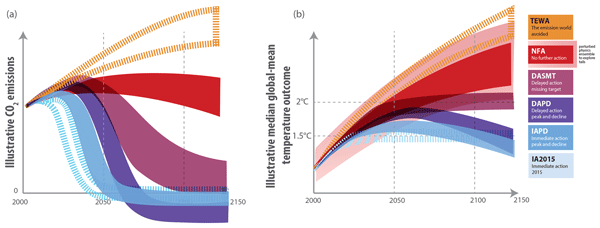






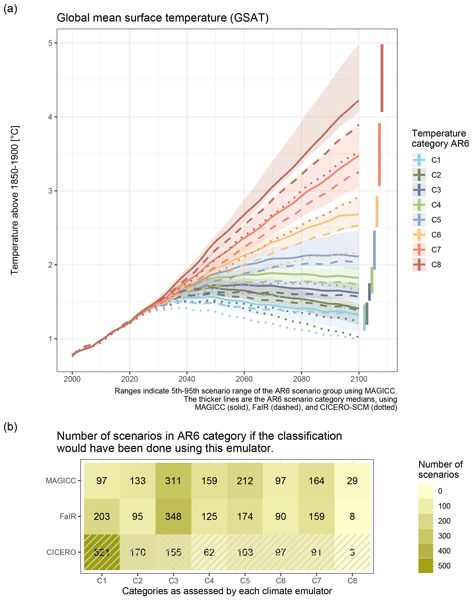
climate-assessmentworkflow that was used in the IPCC AR6 Working Group III report. The paper provides key insight for anyone wishing to understand the assessment of climate outcomes of mitigation pathways in the context of the Paris Agreement.






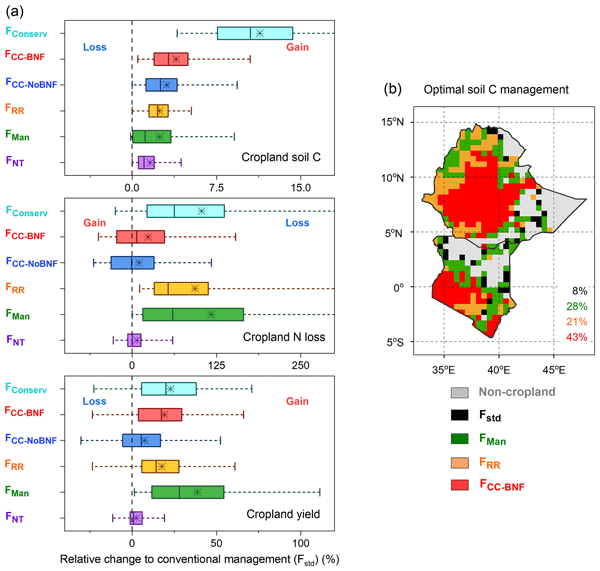
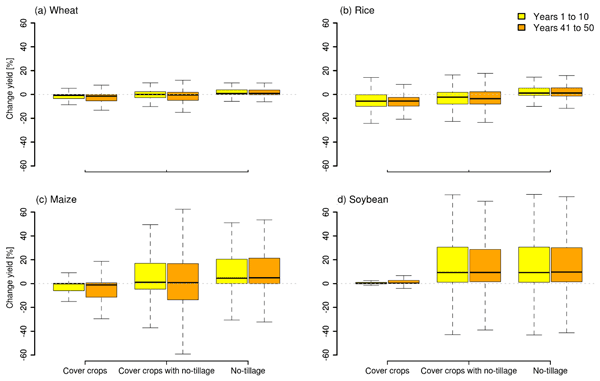
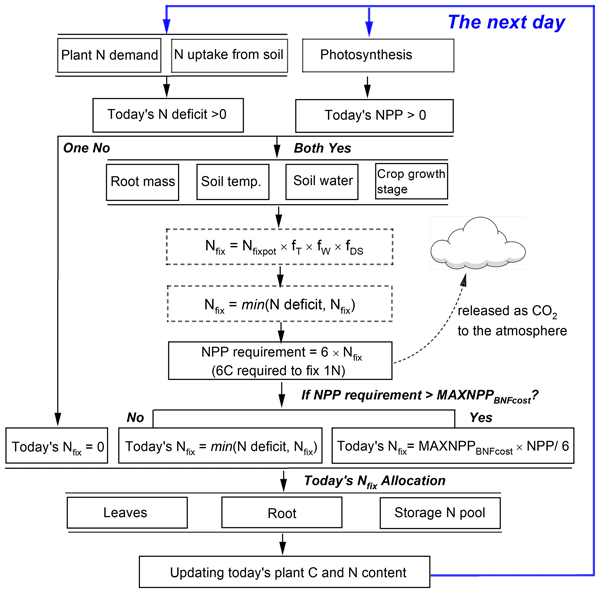
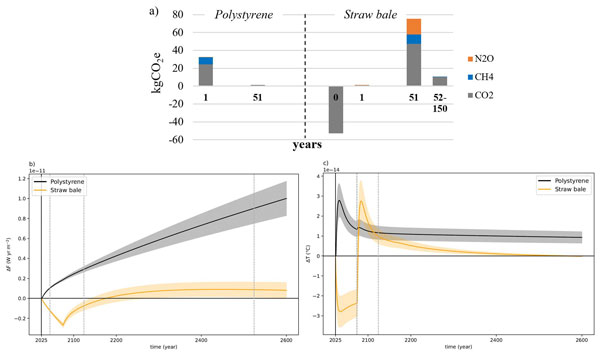
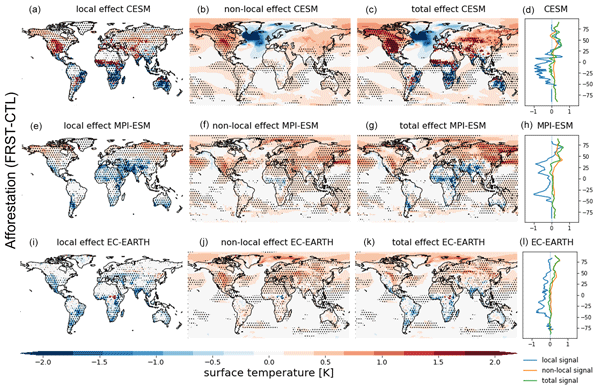
green manureto reducing or removing the use of N fertilizer in global agricultural systems, considering different climate conditions, management practices, and land-use change scenarios.
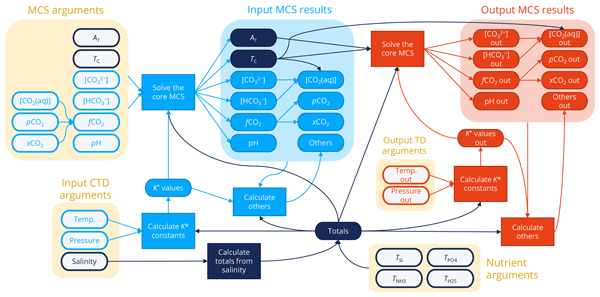
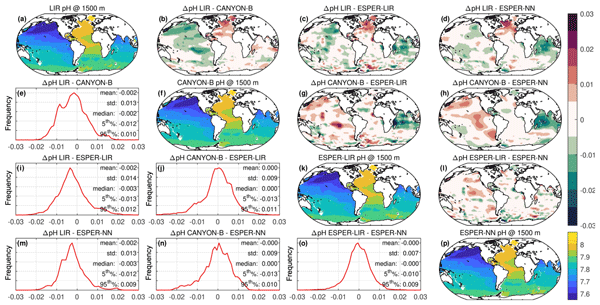
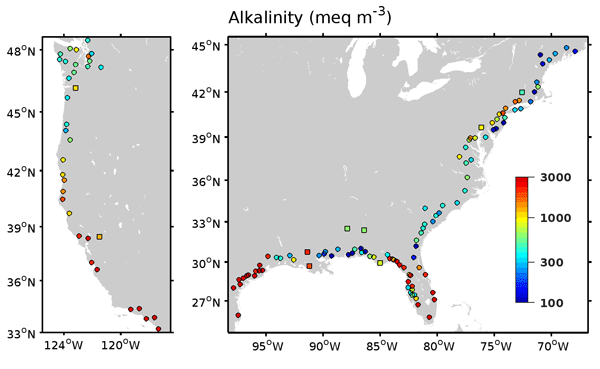
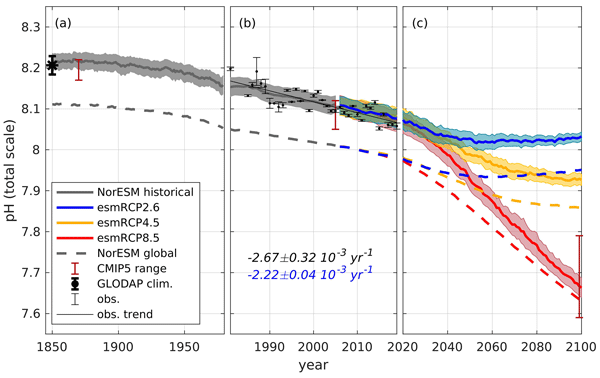
ocean acidification), which may have adverse effects on marine ecosystems. Our Python package, PyCO2SYS, models the chemical reactions of CO2 in seawater, allowing us to quantify the corresponding changes in pH and related chemical properties.


Cited articles
- Article
(12674 KB) - Full-text XML


