the Creative Commons Attribution 4.0 License.
the Creative Commons Attribution 4.0 License.
 | 11 Jun 2026
Indicators of Global Climate Change 2025: annual update of key indicators of the state of the climate system and human influence

Tristram Walsh
Chris Smith
William F. Lamb
Robin Lamboll
Christophe Cassou
Mathias Hauser
Zeke Hausfather
June-Yi Lee
Matthew D. Palmer
Karina von Schuckmann
Aimée B. A. Slangen
Sophie Szopa
Blair Trewin
Jeongeun Yun
Nathan P. Gillett
Stuart Jenkins
H. Damon Matthews
Krishnan Raghavan
Aurélien Ribes
Joeri Rogelj
Debbie Rosen
Xuebin Zhang
Myles Allen
Robbie M. Andrew
Chris Atkinson
Richard A. Betts
Antonio Bombelli
Samantha N. Burgess
Lijing Cheng
Helen E. Claxton
Pierre Friedlingstein
Thomas L. Frölicher
Catia M. Domingues
Thomas Gasser
Catherine H. Gregory
Rachel M. Hoesly
Daniel Huppmann
Masayoshi Ishii
Christopher Kadow
Alexia Karwat
John Kennedy
Rachel E. Killick
Mahesh V. M. Kovilakam
Paul B. Krummel
Xin Lan
Jean-François Lamarque
Aurélien Liné
Belén Martín-Míguez
Didier P. Monselesan
Colin Morice
Jens Mühle
Pino Mussak
Glen P. Peters
Anna Pirani
Julia Pongratz
Matthew Rigby
Robert Rohde
Abhishek Savita
Sonia I. Seneviratne
Steven J. Smith
Ghassan Taha
Caterina Tassone
Peter Thorne
Christopher Wells
Luke M. Western
Guido R. van der Werf
Susan E. Wijffels
Marco Zecchetto
Junting Zhong
Xiao-Ye Zhang
Valérie Masson-Delmotte
Panmao Zhai
Related authors
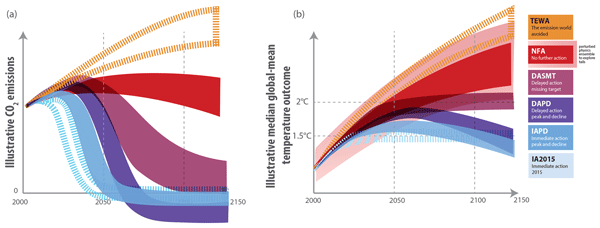
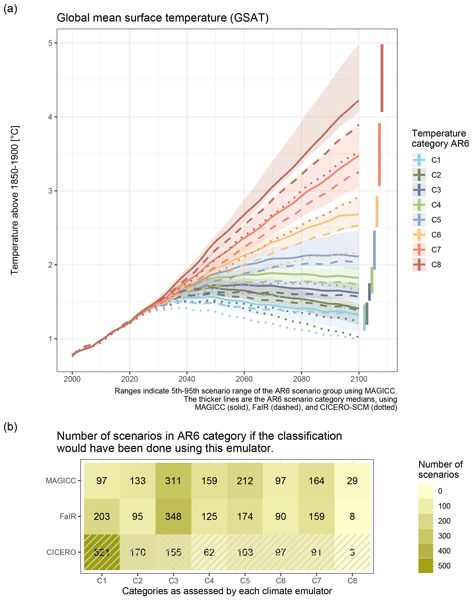
climate-assessmentworkflow that was used in the IPCC AR6 Working Group III report. The paper provides key insight for anyone wishing to understand the assessment of climate outcomes of mitigation pathways in the context of the Paris Agreement.
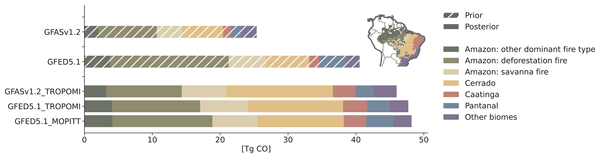
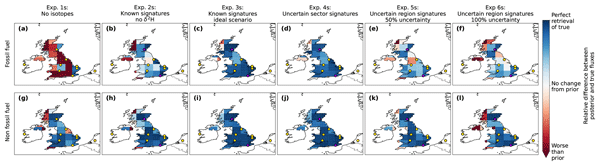
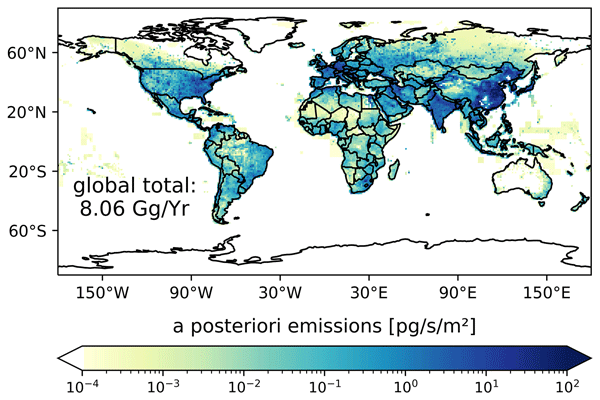
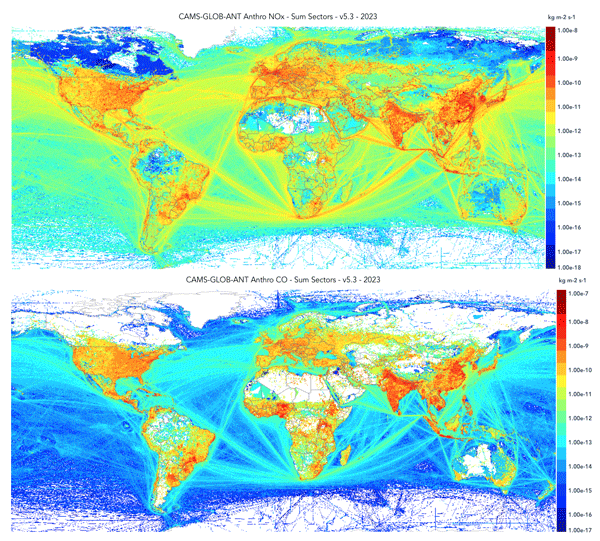
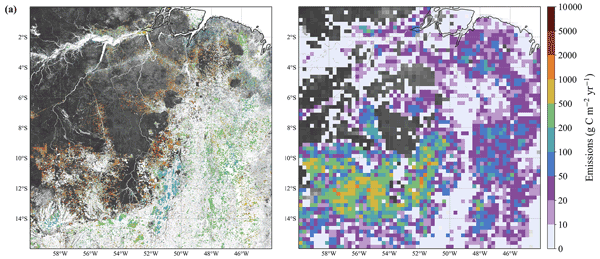
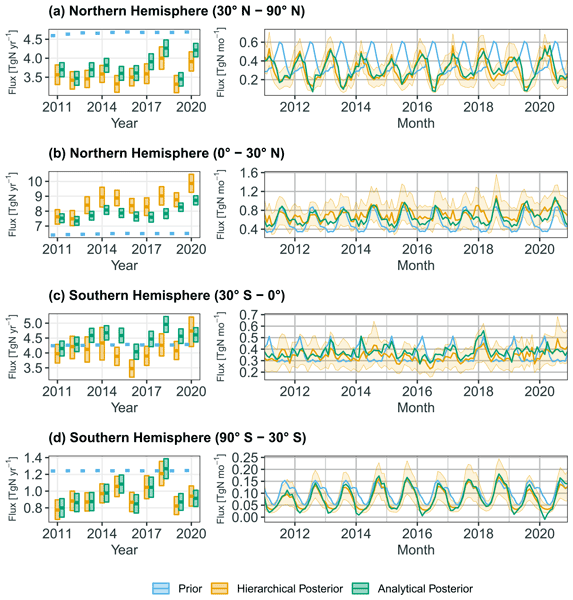
We estimate 2019 Brazilian fire carbon monoxide (CO) emissions using CO retrievals from multiple satellites in a new top-down inversion framework. The retrievals strongly constrain fire emissions and complement existing inventories. National-scale posterior emissions align well with the new Global Fire Emissions Database v5.1, supporting progress in fire emission models. Yet, posterior emissions in the Cerrado and Caatinga are systematically higher than inventories; we discuss potential drivers.
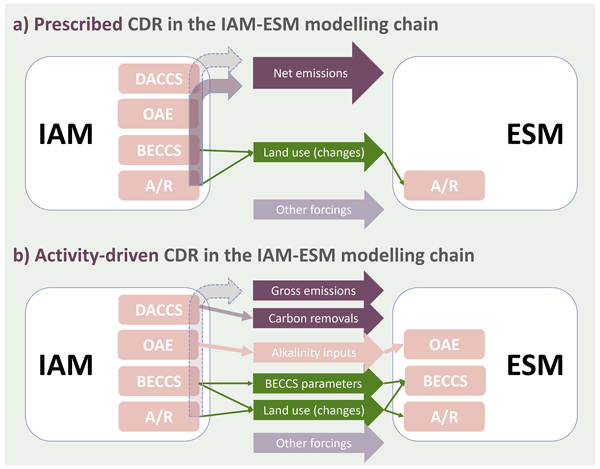
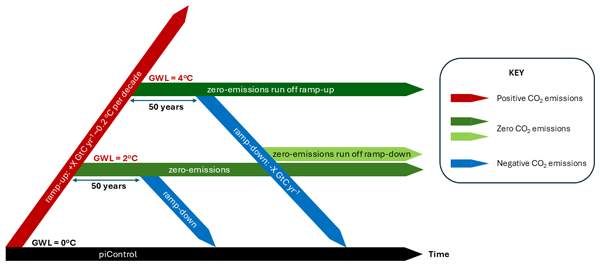



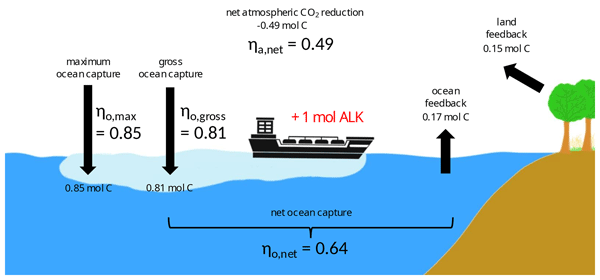
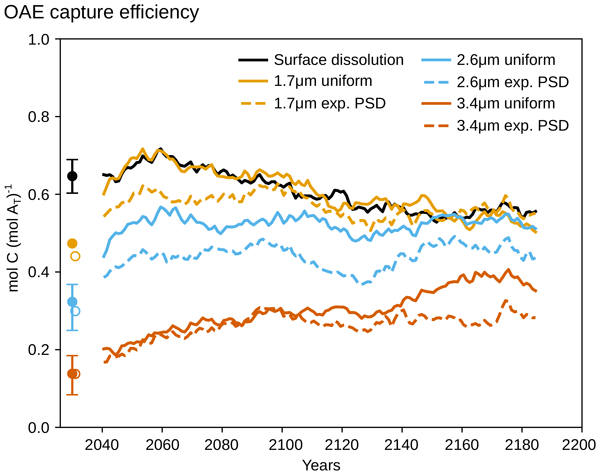
Ocean alkalinity enhancement is viewed as a promising option for carbon dioxide removal. When alkalinity is added in the open ocean through mineral powders, carbon uptake from the atmosphere is decreased when mineral particles sink before fully dissolving. Here we prescribe vertical alkalinity release profiles to an Earth system model. We show that carbon uptake may initially decrease by more than 75% when grain size doubles and that full uptake is delayed by centuries and spatially dispersed.


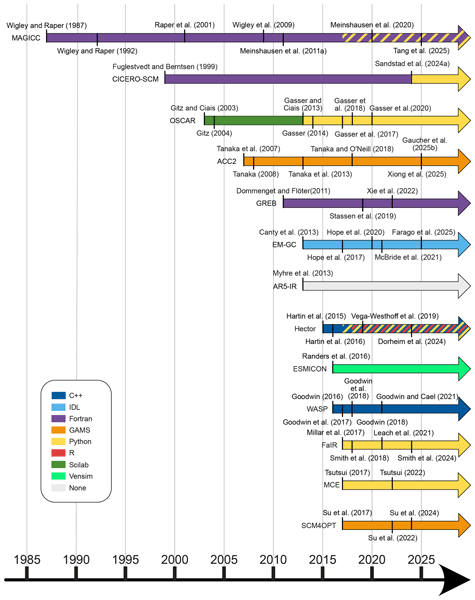
- clear and pedagogical presentation of up-to-date climate equations, climate parameters and associated uncertainties;
- dynamic metrics interpretation support;
- recommendations of new characterisation factors for temperature change metrics in future assessment reports;
- open-source assessment tool release.
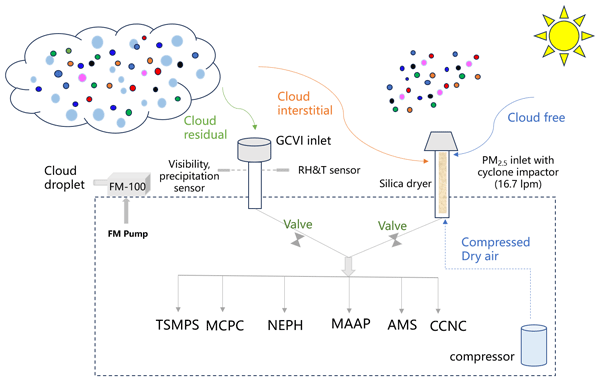
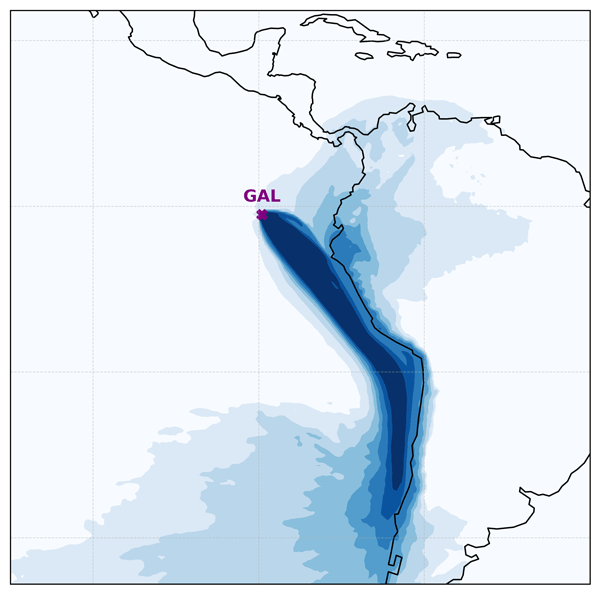
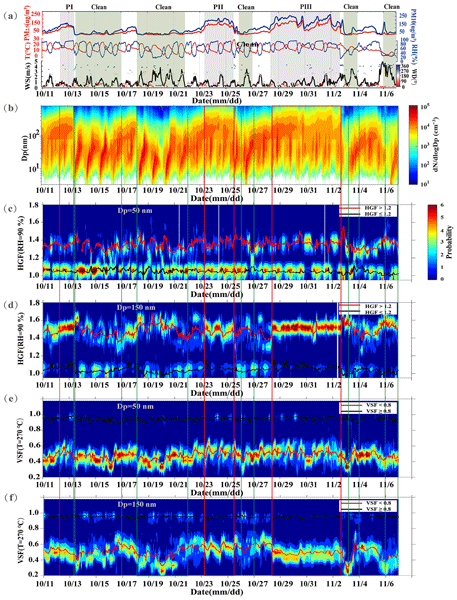
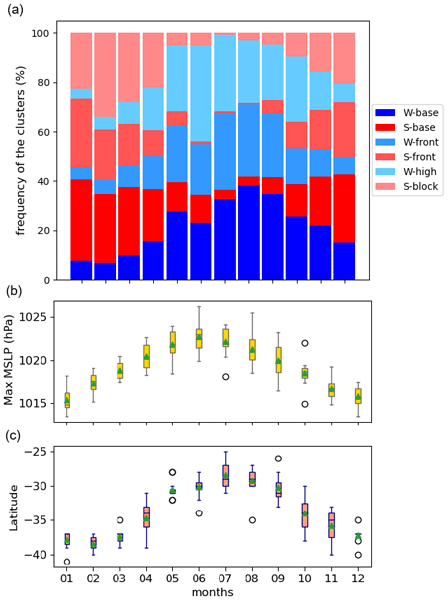
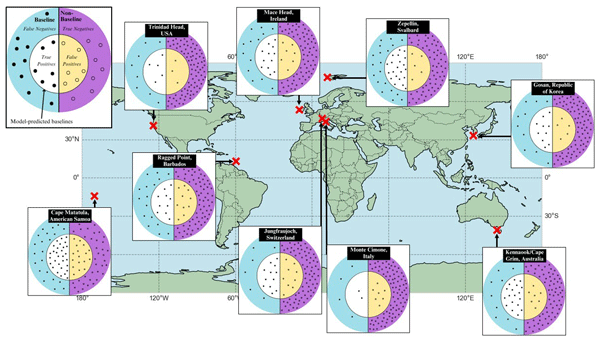
Clouds over the Southern Ocean are crucial to Earth's energy balance, but understanding the factors that control them is complex. Our research examines how weather patterns affect tiny particles called cloud condensation nuclei (CCN), which influence cloud properties. Using data from Kennaook / Cape Grim, we found that winter air from Antarctica brings cleaner conditions with lower CCN, while summer patterns from Australia transport more particles. Precipitation also helps reduce CCN in winter.
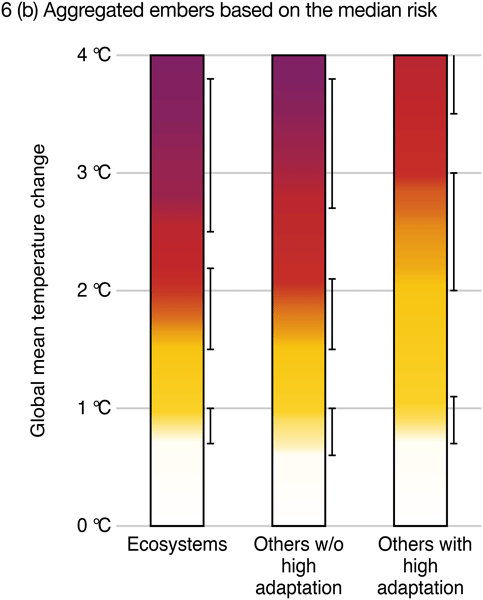
Since 2001, the Intergovernmental Panel on Climate Change (IPCC) has used burning-ember diagrams to show how risks increase with global warming. We bring these data into a harmonized framework available through an online Climate Risks Embers Explorer. Without high levels of adaptation, most risks reach a high level around 2 to 2.3 °C of global warming. Improvements in future reports could include systematic collection of explanatory information and broader coverage of regions and adaptation.
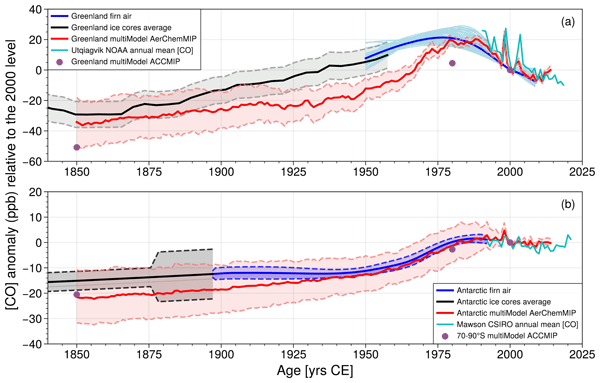


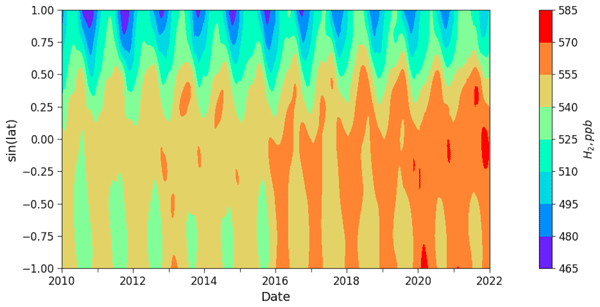

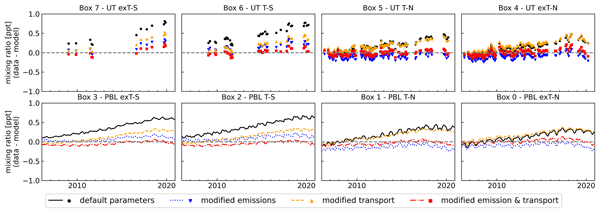
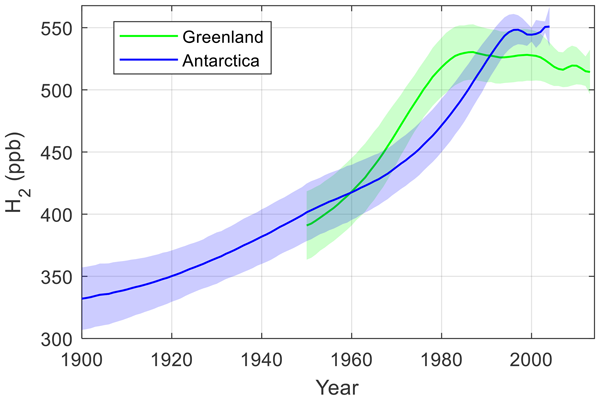
hydrogen economy. Here, we use the aging air found in the polar snowpack to reconstruct H2 levels over the past 100 years. We find that H2 levels increased by 30 % over Greenland and 60 % over Antarctica during the 20th century.
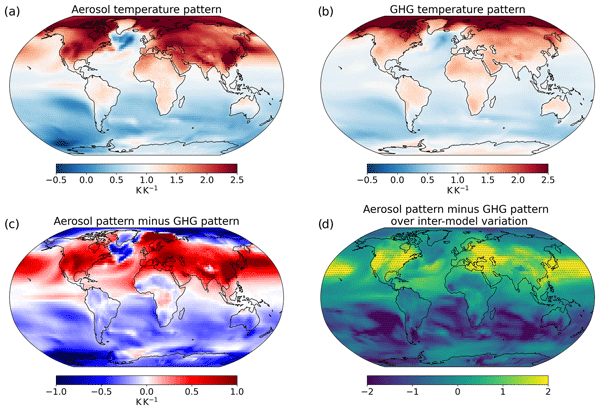
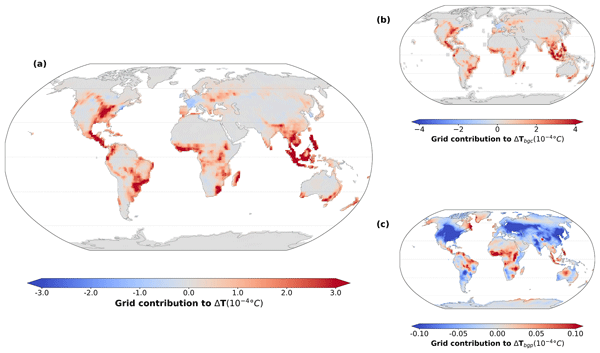
hiddensource of inter-model variability and may be leading to bias in some climate model results.


climate-assessmentworkflow that was used in the IPCC AR6 Working Group III report. The paper provides key insight for anyone wishing to understand the assessment of climate outcomes of mitigation pathways in the context of the Paris Agreement.






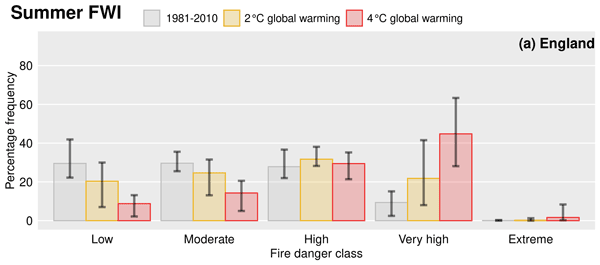
emergent riskfor the UK, as past events have not had widespread major impacts, but this could change. The large increase in risk between the 2 °C and 4 °C levels of global warming highlights the importance of global efforts to keep warming below 2 °C.



Cited articles
- Article
(9508 KB) - Full-text XML
- Version 2022
- Version 2023
- Version 2024
-
Supplement
(10624 KB) - BibTeX
- EndNote


