Articles | Volume 17, issue 12
https://doi.org/10.5194/essd-17-7035-2025
© Author(s) 2025. This work is distributed under
the Creative Commons Attribution 4.0 License.
the Creative Commons Attribution 4.0 License.
https://doi.org/10.5194/essd-17-7035-2025
© Author(s) 2025. This work is distributed under
the Creative Commons Attribution 4.0 License.
the Creative Commons Attribution 4.0 License.
Data description article
| 
10 Dec 2025
Data description article |
| 10 Dec 2025
| 10 Dec 2025
Global biogenic isoprene emissions 2013–2020 inferred from satellite isoprene observations
Hui Li
CORRESPONDING AUTHOR

Laboratoire des Sciences du Climat et de l'Environnement, LSCE/IPSL, CEA-CNRS-UVSQ, Université Paris-Saclay, 91191 Gif-sur-Yvette, France
Shenzhen Key Laboratory of Ecological Remediation and Carbon Sequestration, Institute of Environment and Ecology, Tsinghua Shenzhen International Graduate School, Tsinghua University, Shenzhen 518055, China
Philippe Ciais
Laboratoire des Sciences du Climat et de l'Environnement, LSCE/IPSL, CEA-CNRS-UVSQ, Université Paris-Saclay, 91191 Gif-sur-Yvette, France
Pramod Kumar
Laboratoire des Sciences du Climat et de l'Environnement, LSCE/IPSL, CEA-CNRS-UVSQ, Université Paris-Saclay, 91191 Gif-sur-Yvette, France
Didier A. Hauglustaine
Laboratoire des Sciences du Climat et de l'Environnement, LSCE/IPSL, CEA-CNRS-UVSQ, Université Paris-Saclay, 91191 Gif-sur-Yvette, France
Frédéric Chevallier
Laboratoire des Sciences du Climat et de l'Environnement, LSCE/IPSL, CEA-CNRS-UVSQ, Université Paris-Saclay, 91191 Gif-sur-Yvette, France
Grégoire Broquet
Laboratoire des Sciences du Climat et de l'Environnement, LSCE/IPSL, CEA-CNRS-UVSQ, Université Paris-Saclay, 91191 Gif-sur-Yvette, France
Dylan B. Millet
University of Minnesota, St. Paul, MN 55108, USA
Kelley C. Wells
University of Minnesota, St. Paul, MN 55108, USA
Jinghui Lian
Laboratoire des Sciences du Climat et de l'Environnement, LSCE/IPSL, CEA-CNRS-UVSQ, Université Paris-Saclay, 91191 Gif-sur-Yvette, France
Origins.earth, SUEZ Group, Immeuble Altiplano, 4 Place de la Pyramide, 92800 Puteaux, France
Shenzhen Key Laboratory of Ecological Remediation and Carbon Sequestration, Institute of Environment and Ecology, Tsinghua Shenzhen International Graduate School, Tsinghua University, Shenzhen 518055, China
State Environmental Protection Key Laboratory of Sources and Control of Air Pollution Complex, Beijing 100084, China
Related authors
Hui Li, Philippe Ciais, Frédéric Chevallier, Bo Zheng, Paul I. Palmer, Frank Hase, Morgan Lopez, Elsa M. Ordway, Shushi Peng, Danielle Monteverde, Michel Ramonet, Jason M. St. Clair, Le Bienfaiteur Sagang, and Benjamin Poulter
Atmos. Chem. Phys., 26, 11893–11908, https://doi.org/10.5194/acp-26-11893-2026, https://doi.org/10.5194/acp-26-11893-2026, 2026
Short summary
Short summary
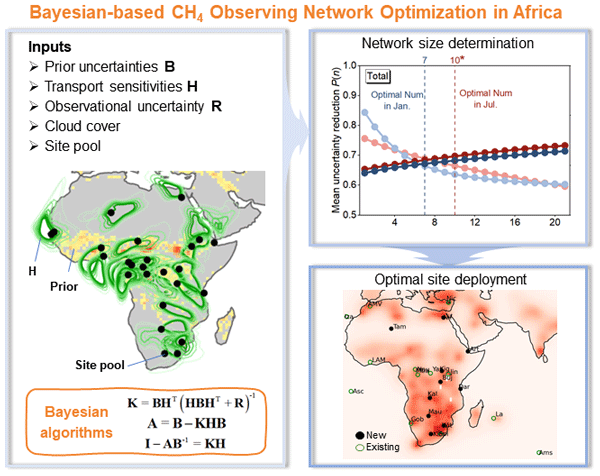
We studied how to best place methane monitoring instruments across Africa to better understand where emissions come from. Because observations can overlap in what they detect, adding more sites does not always improve results equally. Using a statistical approach, we identified both the ideal number and locations of sites (ten new sites can reduce emission uncertainty by over 65 % for total African CH4). Our results help guide cost-effective monitoring strategies in regions with limited data.
Chengcheng Huang, Wei He, Brendan Byrne, Ngoc Tu Nguyen, Jingfeng Xiao, Hua Yang, Philippe Ciais, Songhan Wang, Xing Li, Han Ma, Peipei Xu, Mengyao Zhao, Hui Chen, and Weimin Ju
Earth Syst. Sci. Data, 18, 7367–7390, https://doi.org/10.5194/essd-18-7367-2026, https://doi.org/10.5194/essd-18-7367-2026, 2026
Short summary
Short summary
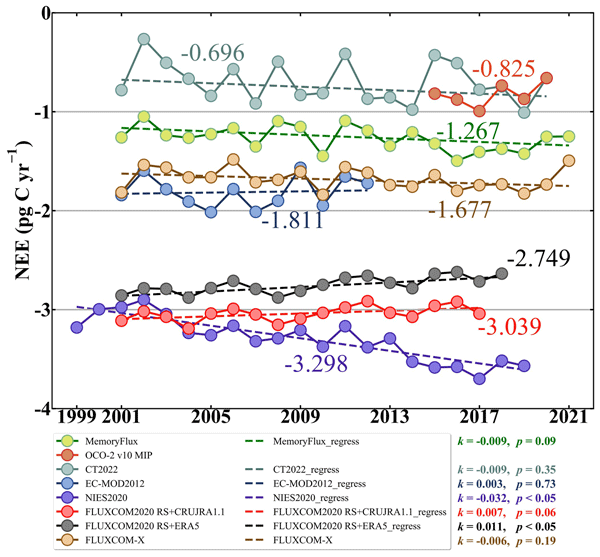
We created MemoryFlux, a new dataset that showed how ecosystems across North America absorbed and released carbon from 2001 to 2021. Using a deep-learning approach trained on historical climate and environmental conditions, we improved estimates of land carbon exchange and captured carbon anomalies associated with major droughts and floods. MemoryFlux provides a more reliable view of carbon cycling and improves our understanding of how ecosystems respond to a changing climate.
Simon Scheiter, Jinfeng Chang, Philippe Ciais, Marie Dury, Louis Francois, Matthew Forrest, Alexandra Henrot, Christopher P. O. Reyer, Sonia Seneviratne, Jörg Steinkamp, Wim Thiery, Wenfang Xu, and Thomas Hickler
Biogeosciences, 23, 6409–6430, https://doi.org/10.5194/bg-23-6409-2026, https://doi.org/10.5194/bg-23-6409-2026, 2026
Short summary
Short summary
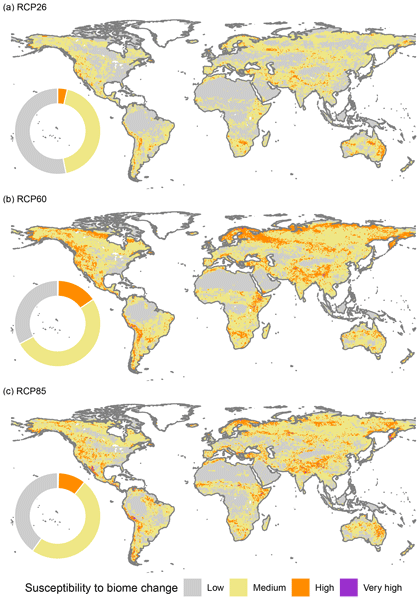
We show how climate change may reshape the world's major biomes, such as forests, grasslands, and tundra. Therefore, we combined dynamic vegetation models, machine learning and observation-based biome maps. We found that many biomes are likely to shift polewards as temperatures rise. Even under low-emission scenarios, large areas could change. These results help identify regions most susceptible to climate change and support global efforts to protect and manage natural ecosystems in the future.

Jiawei Jiang, Zhifeng Yan, Jinshi Jian, Jesper Riis Christiansen, Xinchu Wang, Ren-Min Yang, Zhen Zhang, and Philippe Ciais
Earth Syst. Sci. Data, 18, 6783–6797, https://doi.org/10.5194/essd-18-6783-2026, https://doi.org/10.5194/essd-18-6783-2026, 2026
Short summary
Short summary
Soil methane uptake represents the second-largest sink of atmospheric methane but the field observations have not yet been systematically compiled. Here, we compiled an open global soil methane uptake database from the 1980s, covering most regions in multi-timescale along with the soil moisture and temperature data. The data show strong seasonal changes and different controls across biomes, helping improve climate estimates, models, and satellite evaluations.
Yuwei Zhao, Andrew Hallward-Driemeier, Luke D. Schiferl, Trey Maddaleno, Michael P. Vermeuel, Dylan B. Millet, Delphine Farmer, and Róisín Commane
Atmos. Chem. Phys., 26, 12911–12924, https://doi.org/10.5194/acp-26-12911-2026, https://doi.org/10.5194/acp-26-12911-2026, 2026
Short summary
Short summary
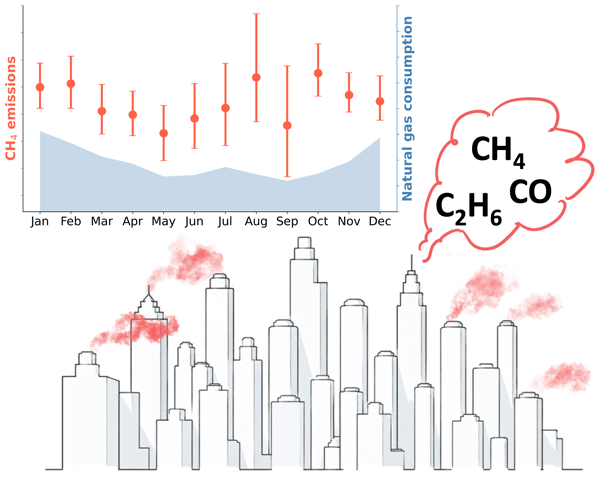
Reducing methane emissions offers a near-term climate mitigation opportunity. Cities contain large and often underestimated methane sources. In New York City, methane emissions peak during heating and cooling seasons, with natural gas as a dominant source. Emissions track gas consumption and show significant incomplete combustion signatures. We estimate a 1.7 % loss rate, ~300M USD/year in wasted gas, highlighting mechanisms of inefficient natural gas combustion as a future mitigation focus.
Hui Li, Philippe Ciais, Frédéric Chevallier, Bo Zheng, Paul I. Palmer, Frank Hase, Morgan Lopez, Elsa M. Ordway, Shushi Peng, Danielle Monteverde, Michel Ramonet, Jason M. St. Clair, Le Bienfaiteur Sagang, and Benjamin Poulter
Atmos. Chem. Phys., 26, 11893–11908, https://doi.org/10.5194/acp-26-11893-2026, https://doi.org/10.5194/acp-26-11893-2026, 2026
Short summary
Short summary
We studied how to best place methane monitoring instruments across Africa to better understand where emissions come from. Because observations can overlap in what they detect, adding more sites does not always improve results equally. Using a statistical approach, we identified both the ideal number and locations of sites (ten new sites can reduce emission uncertainty by over 65 % for total African CH4). Our results help guide cost-effective monitoring strategies in regions with limited data.
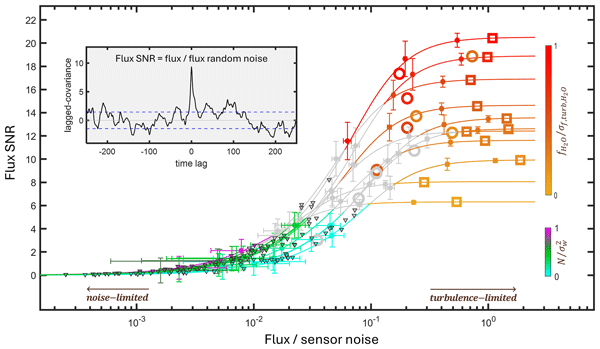
Xin Chen, Dylan B. Millet, Glenn M. Wolfe, Erin R. Delaria, M. Julian Deventer, Markus Müller, Arne Schiller, Kenneth Lee Thornhill, and Armin Wisthaler
Atmos. Meas. Tech., 19, 5353–5372, https://doi.org/10.5194/amt-19-5353-2026, https://doi.org/10.5194/amt-19-5353-2026, 2026
Short summary
Short summary
Air-sea exchange is a major uncertainty source for many volatile organic compounds (VOCs). Aircraft-based eddy covariance can be used to quantify these fluxes over large regions but such applications have been limited. We used observations over the Atlantic to characterize VOC fluxes and elucidate the drivers of measurement error. Results show how sensor noise and turbulent variability interact to determine flux detectability, and define instrumental priorities for future use of this technique.
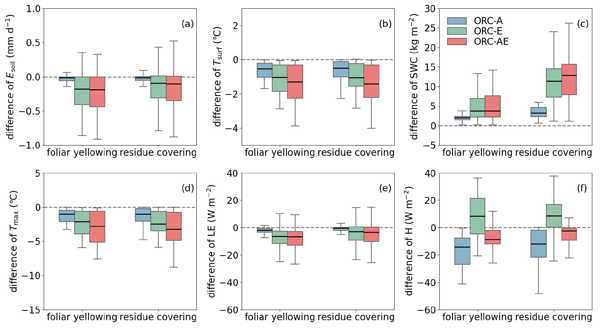
Ke Yu, Yang Su, Ronny Lauerwald, Philippe Ciais, Yi Xi, Haoran Xu, Xianglin Zhang, Nicolas Viovy, Amie Pickering, Marie Collard, and Daniel S. Goll
Geosci. Model Dev., 19, 7217–7237, https://doi.org/10.5194/gmd-19-7217-2026, https://doi.org/10.5194/gmd-19-7217-2026, 2026
Short summary
Short summary
Coupling crop and land surface models helps quantify the climate effects of agriculture, but lacks crop-specific management processes. We enhanced a land surface model with time-varying albedo from foliar yellowing and residue cover, improving the simulation of energy and water fluxes. Results show cooler surfaces and slightly wetter soils during residue cover, highlighting how managements improve climate mitigation and adaptation, advancing the development of climate-smart agriculture.
Chantelle Burton, Francesca Di Giuseppe, Matthew W. Jones, Douglas I. Kelley, Maria L. F. Barbosa, Joe McNorton, Robert Potts, Carlota Segura-Garcia, John T. Abatzoglou, Iulian Alin Rosu, Niels Andela, Liana O. Anderson, Sally Archibald, Esther Brambleby, Emilio Chuvieco, Andy Ciavarella, Hamish Clarke, Francisco de la Barrera, Carlos M. Di Bella, Enza Di Tomaso, Kebonye Dintwe, Tim S. Doherty, Victoria M. Donovan, Jonathan M. Eden, Paulo M. Fernandes, Lukas Fiedler, Louis Giglio, Olivia Haas, Douglas Hamilton, Stijn Hantson, Sarah Harris, Andrew J. Hartley, Theodore R. Keeping, Crystal A. Kolden, Jean-Luc Kouassi, Elena Kukavskaya, Seppe Lampe, Zhongwei Liu, Guilherme Mataveli, Sarah Meier, Duarte Oom, Mark Parrington, Yuquan Qu, Victor Resco de Dios, Julien Ruffault, Mojtaba Sadegh, Cristina Santín, Fernando Sedano, Jacquelyn K. Shuman, Patrícia S. Silva, Fiona R. Spuler, Carmen B. Steinmann, Veerachai Tanpipat, Miguel Ángel Torres-Vazquez, Marco Turco, Guido R. van der Werf, Dave van Wees, Sander Veraverbeke, Jakob B. Wessel, and Bo Zheng
Earth Syst. Sci. Data Discuss., https://doi.org/10.5194/essd-2026-587, https://doi.org/10.5194/essd-2026-587, 2026
Preprint under review for ESSD
Short summary
Short summary
The third State of Wildfires report examines extreme wildfire events from 2025 to early 2026. It analyses key regional events in Midwestern Canadian Shield Forests, Northwest Iberia, and Chilean Temperate Forests and Matorral, assessing their impacts, drivers, and attributing them to climate change. Climate change greatly increased the likelihood of these fires, and without strong mitigation, such events will become more frequent.
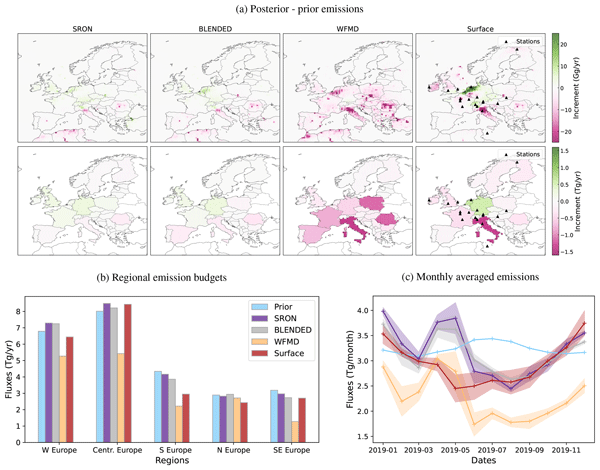
Aurélien Sicsik-Paré, Audrey Fortems-Cheiney, Isabelle Pison, Grégoire Broquet, Alvin Opler, Elise Potier, Adrien Martinez, Oliver Schneising, Michael Buchwitz, Joannes D. Maasakkers, Tobias Borsdorff, and Antoine Berchet
Atmos. Chem. Phys., 26, 10423–10454, https://doi.org/10.5194/acp-26-10423-2026, https://doi.org/10.5194/acp-26-10423-2026, 2026
Short summary
Short summary
Assimilating satellite methane observations provides top-down quantification of regional methane emissions. This study compares European emissions in 2019 estimated from the inversion of three satellite datasets. We find inconsistencies in national budgets and spatial patterns, with no product clearly superior. We disentangle drivers of the differences in emissions, highlighting the impact of differences in coverage, observations and errors on the consistency of methane emission estimates.
Man Chen, Philippe Ciais, Gustaf Hugelius, and Filipe Aires
Earth Syst. Sci. Data Discuss., https://doi.org/10.5194/essd-2026-254, https://doi.org/10.5194/essd-2026-254, 2026
Preprint under review for ESSD
Short summary
Short summary
Peatlands are vital carbon stores, yet mapping them consistently across borders is challenging due to varying data quality and definitions. We developed PeatCover, a ~90 m resolution map that harmonizes existing inventories with Earth observation and hydro-topographic data through machine learning. PeatCover provides a spatially coherent dataset that resolves fine landscape structures. These improvements enable refined carbon assessments and methane emission models.
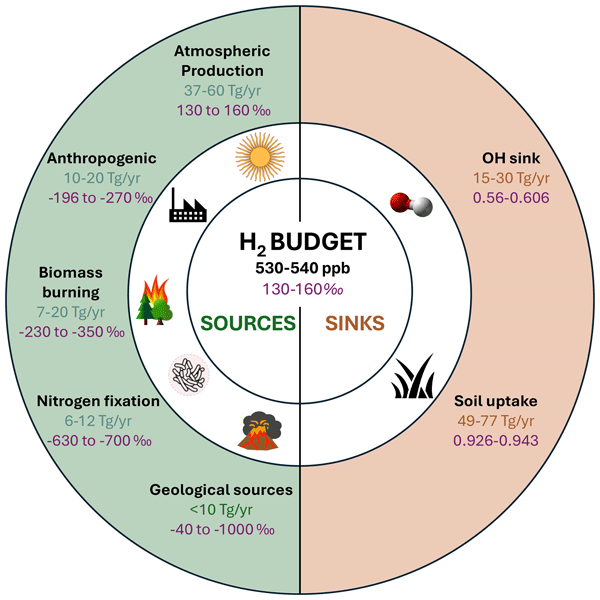
Srinath Krishnan, Ragnhild Bieltvedt Skeie, Øivind Hodnebrog, Gunnar Myhre, Maria Sand, Marit Sandstad, Hannah Bryant, Didier A. Hauglustaine, Fabien Paulot, Michael Prather, and David Stevenson
Atmos. Chem. Phys., 26, 9509–9539, https://doi.org/10.5194/acp-26-9509-2026, https://doi.org/10.5194/acp-26-9509-2026, 2026
Short summary
Short summary
Hydrogen (H2) is an indirect greenhouse gas that can affect climate through chemical reactions in the atmosphere. To better understand this impact, it is important to constrain the sources and sinks of hydrogen. Using a suite of three-dimensional and one-dimensional models, we find that atmospheric production of hydrogen is 37–60 Tg/yr and that the geological source of H2 is much smaller than suggested. More field and isotopic measurements are needed to improve these estimates.
Tim Stripp, Zhixuan Guo, Pierre Friedlingstein, Michael O’Sullivan, Stephen Sitch, Ana Bastos, Philippe Ciais, Jefferson Goncalves de Souza, Akihiko Ito, Wei Li, and Lei Ma
EGUsphere, https://doi.org/10.5194/egusphere-2026-3584, https://doi.org/10.5194/egusphere-2026-3584, 2026
Short summary
Short summary
Fire is a key process within the Earth system, yet it is often poorly represented in land carbon cycle models used to estimate how much carbon land ecosystems absorb from the atmosphere. We improved these models by applying long-term burned area data reconstructed from satellite observations. This reduced biases and uncertainty in fire carbon emission estimates and improved estimates of land carbon uptake, implying this method could enhance global and regional carbon budget estimates.
Nikola Besic, Philippe Ciais, Fa Li, Robert Jackson, Kunxiaojia Yuan, Shushi Peng, Benjamin Poulter, Zhen Zhang, and Qing Zhu
EGUsphere, https://doi.org/10.5194/egusphere-2026-2604, https://doi.org/10.5194/egusphere-2026-2604, 2026
This preprint is open for discussion and under review for Geoscientific Model Development (GMD).
Short summary
Short summary
Wetlands are the largest natural source of methane, an important greenhouse gas, but current estimates of their emissions remain highly uncertain because models often disagree. We combined field measurements from wetlands around the world with advanced statistical methods to identify where different models perform best. Our results show that accounting for regional differences in model skill can substantially change local methane estimates and potentially improve future climate assessments.
Rachel Nubwimana, Martin Brandt, Philippe Ciais, Maurice Mugabowindekwe, Sizhuo Li, Andrew Davies, Dimitri Gominski, Rasmus Fensholt, Sassan Saatchi, and Fabian Gieseke
EGUsphere, https://doi.org/10.5194/egusphere-2026-2924, https://doi.org/10.5194/egusphere-2026-2924, 2026
Short summary
Short summary
Trees outside forests; in savannas, farmlands, and drylands are largely invisible in global carbon maps. We developed a model that learns to spot trees in satellite photos and estimate how much carbon they store, trained only on rough existing maps without any manual labeling. Our maps turned out far more accurate than the maps it learned from, showing that smarter analysis of satellite imagery can reveal the hidden carbon stored in the world's overlooked trees.
Josselin Doc, François-Marie Bréon, Morgan Lopez, Yao Té, Pascal Jeseck, Jinghui Lian, Guillaume Nief, Antoine Parent, Hippolyte Leuridan, and Michel Ramonet
Atmos. Chem. Phys., 26, 8937–8959, https://doi.org/10.5194/acp-26-8937-2026, https://doi.org/10.5194/acp-26-8937-2026, 2026
Short summary
Short summary
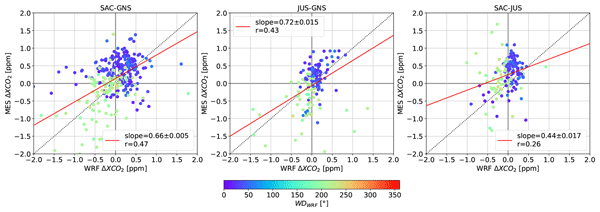
A greenhouse gas monitoring network was set up around Paris. From July 2022 to December 2024, three stations placed along the main wind direction detected differences of 0.5–1 ppm between sites. Compared with WRF-Chem (Weather Research and Forecasting model coupled with Chemistry) simulations using the Origins.earth inventory, the data suggest that emissions are overestimated by the inventory. A reduction of about 34 % would be needed, a stronger correction than indicated by surface-based studies.
Jeanne Dombret, Hugo Bellenger, Xavier Perrot, Laëtitia Parc, Lester Kwiatkowski, Frédéric Chevallier, Laurent Bopp, Marion Gehlen, Roland Séférian, Sarah Berthet, and James C. Orr
Biogeosciences, 23, 4133–4143, https://doi.org/10.5194/bg-23-4133-2026, https://doi.org/10.5194/bg-23-4133-2026, 2026
Short summary
Short summary
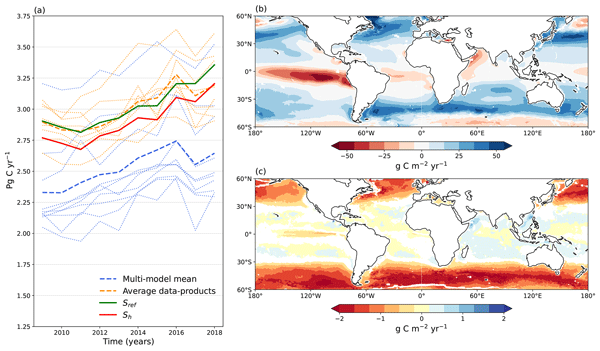
Estimates of ocean CO2 uptake based on atmospheric and oceanic observations typically rely on monthly averages, except for wind speed. Thus they neglect effects of shorter-term events such as storms, which are included in models. Here we account for the effect of this shorter-term variability on ocean carbon uptake and find that it is reduced, mainly because storms lower atmospheric pressure. This refinement closes the gap between data-based and model-based estimates by 25 %.
Zosia Staniaszek, Didier A. Hauglustaine, Yann Cohen, Agnieszka Skowron, Sigrun Matthes, Robin Thor, and Marianne T. Lund
Atmos. Chem. Phys., 26, 7985–7999, https://doi.org/10.5194/acp-26-7985-2026, https://doi.org/10.5194/acp-26-7985-2026, 2026
Short summary
Short summary
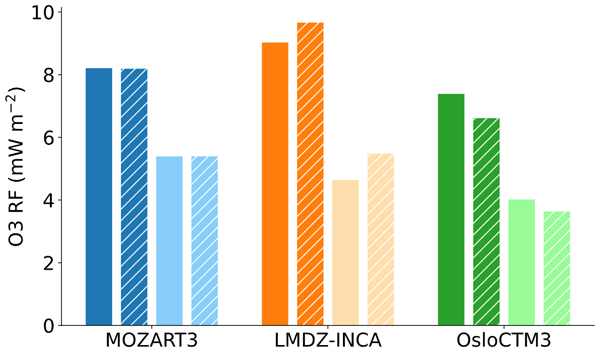
NOx emissions from aircraft affect the climate indirectly, by changing greenhouse gas concentrations. We explore whether the NOx emissions from aviation would have a different effect in different potential future climate states, i.e. a high pollution and low pollution case. The three models we use show varied responses for how this background state alters the climate effects of the NOx emissions. This shows the continuing need to improve our understanding of non-CO2 aviation impacts.
Jinan Shi, Jiaxin Li, Lianru Gao, Siyu Liu, Rasmus Fensholt, Philippe Ciais, Xiaojun Li, Qiangqiang Yuan, Jean-Pierre Wigneron, and Lei Fan
Earth Syst. Sci. Data Discuss., https://doi.org/10.5194/essd-2026-193, https://doi.org/10.5194/essd-2026-193, 2026
Revised manuscript under review for ESSD
Short summary
Short summary
Satellite microwaves help monitor global vegetation, but existing data is too coarse.We enhanced it using higher-resolution information from a biomass map. This produced monthly 5-kilometer resolution data of tropical vegetation optical depth from 2015 to 2021. Our results show the enhanced data accurately captures vegetation dynamics and detects forest disturbances like clearing. By providing this finer-scale dataset, our work supports better local monitoring and protection of ecosystems.
Mengze Li, Robert B. Jackson, Marielle Saunois, Philippe Ciais, Ben Poulter, Josep G. Canadell, Prabir K. Patra, Hanqin Tian, Zhen Zhang, Etienne Fluet-Chouinard, Zutao Ouyang, Ting Zhang, David J. Beerling, Dmitry A. Belikov, Philippe Bousquet, Danilo Custodio, Naveen Chandra, Xinyu Dou, Nicola Gedney, Peter O. Hopcroft, Alison M. Hoyt, Kazuhito Ichii, Akihito Ito, Atul K. Jain, Katherine Jensen, Fortunat Joos, Thomas Kleinen, Masayuki Kondo, Fa Li, Tingting Li, Xiangyu Liu, Shamil Maksyutov, Avni Malhotra, Adrien Martinez, Kyle McDonald, Joe R. Melton, Jurek Müller, Yosuke Niwa, Shufen Pan, Shushi Peng, Changhui Peng, Zhangcai Qin, Peter Raymond, William Riley, Arjo Segers, Rona L. Thompson, Aki Tsuruta, Yi Xi, Kunxiaojia Yuan, Wenxin Zhang, Bo Zheng, Qing Zhu, Qiuan Zhu, and Qianlai Zhuang
Earth Syst. Sci. Data, 18, 3507–3524, https://doi.org/10.5194/essd-18-3507-2026, https://doi.org/10.5194/essd-18-3507-2026, 2026
Short summary
Short summary
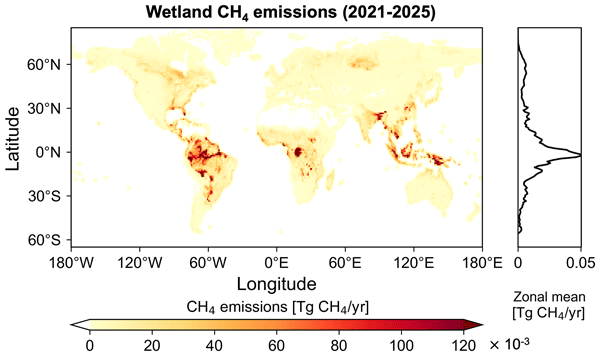
We proposed a framework that combines machine-learning and climate data to predict global natural vegetated wetland methane emissions for 2000–2025. We found that although total global emissions remained stable in the post-2020s, Northern Hemisphere emissions surged whilst tropical emissions fell. This approach allows us to rapidly monitor emissions and provides early warnings for climate impacts.
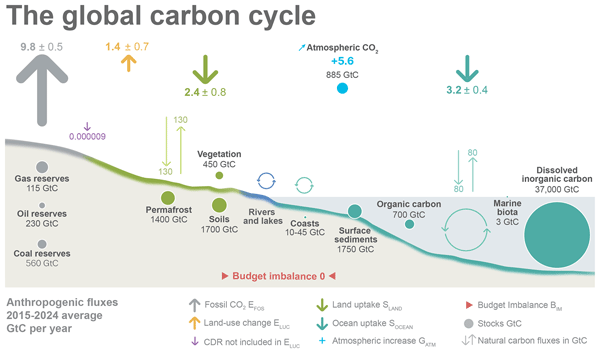
Pierre Friedlingstein, Michael O'Sullivan, Matthew W. Jones, Robbie M. Andrew, Dorothee C. E. Bakker, Judith Hauck, Peter Landschützer, Corinne Le Quéré, Hongmei Li, Ingrid T. Luijkx, Glen P. Peters, Wouter Peters, Julia Pongratz, Clemens Schwingshackl, Stephen Sitch, Josep G. Canadell, Philippe Ciais, Kjetil Aas, Simone R. Alin, Peter Anthoni, Leticia Barbero, Nicholas R. Bates, Nicolas Bellouin, Alice Benoit-Cattin, Carla F. Berghoff, Raffaele Bernardello, Laurent Bopp, Ida Bagus Mandhara Brasika, Matthew A. Chamberlain, Naveen Chandra, Frédéric Chevallier, Louise P. Chini, Nathan O. Collier, Thomas H. Colligan, Margot Cronin, Laique M. Djeutchouang, Xinyu Dou, Matt P. Enright, Kazutaka Enyo, Michael Erb, Wiley Evans, Richard A. Feely, Liang Feng, Daniel J. Ford, Adrianna Foster, Filippa Fransner, Thomas Gasser, Marion Gehlen, Thanos Gkritzalis, Jefferson Goncalves De Souza, Giacomo Grassi, Luke Gregor, Nicolas Gruber, Bertrand Guenet, Özgür Gürses, Kirsty Harrington, Ian Harris, Jens Heinke, George C. Hurtt, Yosuke Iida, Tatiana Ilyina, Akihiko Ito, Andrew R. Jacobson, Atul K. Jain, Tereza Jarníková, Annika Jersild, Fei Jiang, Steve D. Jones, Etsushi Kato, Ralph F. Keeling, Kees Klein Goldewijk, Jürgen Knauer, Yawen Kong, Jan Ivar Korsbakken, Charles Koven, Taro Kunimitsu, Xin Lan, Junjie Liu, Zhiqiang Liu, Zhu Liu, Claire Lo Monaco, Lei Ma, Gregg Marland, Patrick C. McGuire, Galen A. McKinley, Joe R. Melton, Natalie Monacci, Erwan Monier, Eric J. Morgan, David R. Munro, Jens D. Müller, Shin-Ichiro Nakaoka, Lorna R. Nayagam, Yosuke Niwa, Tobias Nutzel, Are Olsen, Abdirahman M. Omar, Naiqing Pan, Sudhanshu Pandey, Denis Pierrot, Zhangcai Qin, Pierre Regnier, Gregor Rehder, Laure Resplandy, Alizée Roobaert, Thais M. Rosan, Christian Rödenbeck, Jörg Schwinger, Ingunn Skjelvan, T. Luke Smallman, Victoria Spada, Mohanan G. Sreeush, Qing Sun, Adrienne J. Sutton, Colm Sweeney, Didier Swingedouw, Roland Séférian, Shintaro Takao, Hiroaki Tatebe, Hanqin Tian, Xiangjun Tian, Bronte Tilbrook, Hiroyuki Tsujino, Francesco Tubiello, Erik van Ooijen, Guido R. van der Werf, Sebastiaan J. van de Velde, Anthony P. Walker, Rik Wanninkhof, Xiaojuan Yang, Wenping Yuan, Xu Yue, and Jiye Zeng
Earth Syst. Sci. Data, 18, 3211–3288, https://doi.org/10.5194/essd-18-3211-2026, https://doi.org/10.5194/essd-18-3211-2026, 2026
Short summary
Short summary
The Global Carbon Budget 2025 describes the methodology, main results, and datasets used to quantify the anthropogenic emissions of carbon dioxide (CO2) and their partitioning among the atmosphere, land ecosystems, and the ocean over the historical period (1750–2025). These living datasets are updated every year to provide the highest transparency and traceability in the reporting of CO2, the key driver of climate change.
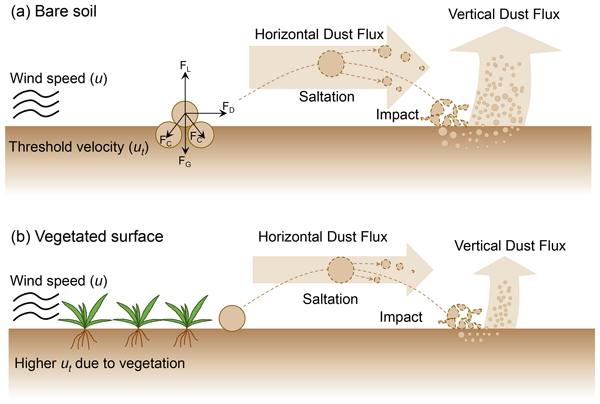
Siqing Xu, Yves Balkanski, Philippe Ciais, and Jean Sciare
Atmos. Chem. Phys., 26, 6321–6350, https://doi.org/10.5194/acp-26-6321-2026, https://doi.org/10.5194/acp-26-6321-2026, 2026
Short summary
Short summary
Uncertainty in dust emission estimates stems from simplified surface parameterizations. We incorporate dynamic vegetation cover into the dust emission scheme of an Earth System Model. Including vegetation reduces global dust emissions by 23 % and redistributes regional contributions by suppressing emissions in grass-covered dryland, improving agreement with observations of the global dust cycle. This work establishes a framework for advancing the representation of land–atmosphere feedbacks.
Julieta F. Juncosa Calahorrano, Dylan B. Millet, Kelley C. Wells, Chengyuan Hu, Jared F. Brewer, Vivienne H. Payne, Wade Permar, Lu Hu, Amy P. Sullivan, I.-Ting Ku, Emily V. Fischer, Vanessa Selimovic, Kanako Sekimoto, Aaron Lamplugh, Georgios Gkatzelis, Jessica B. Gilman, Matthew Coggon, and Carsten Warneke
EGUsphere, https://doi.org/10.5194/egusphere-2026-1669, https://doi.org/10.5194/egusphere-2026-1669, 2026
Short summary
Short summary
We use thermal infrared satellite observations to study trace gases emitted by fires. We observe large enhancements in smoke and strong relationships among key species. These relationships are consistent with aircraft observations but show greater variability than models predict. This variability is linked to pyrolysis temperatures within fires. Our results show satellite data can improve understanding of fire processes and help refine emission parameterizations in models.
Guohua Liu, Philippe Ciais, Shengli Tao, Hui Yang, Chenwei Xiao, and Ana Bastos
Earth Syst. Sci. Data Discuss., https://doi.org/10.5194/essd-2026-246, https://doi.org/10.5194/essd-2026-246, 2026
Preprint under review for ESSD
Short summary
Short summary
We developed a long-term, moderate-resolution global dataset of forest above ground biomass, from satellite radar data and machine learning. The significance of this dataset lies in its ability to provide a continuous, moderate-resolution view of biomass carbon dynamics, offering a valuable resource for supporting studies of climate change, disturbance, and land use, and will help improve Earth System models and future carbon cycle.
Jincheng Wu, Philippe Ciais, Yuanyuan Huang, Jianing Fang, Pierre Gentine, Yidi Xu, Daniel Goll, Fayong Liu, Xiaomeng Du, Rui Ma, Nan Meng, Mengjie Han, Jinlong Zang, Runda Jiang, and Wei Li
EGUsphere, https://doi.org/10.5194/egusphere-2026-2241, https://doi.org/10.5194/egusphere-2026-2241, 2026
Short summary
Short summary
Predicting land carbon sinks remains a challenge because carbon allocation and turnover are poorly constrained in terrestrial biosphere models. We used a differentiable framework to jointly assimilate daily satellite data and long-term boreal forest growth trajectories. This approach significantly reduced biomass simulation errors. We found that boreal forests sustain biomass through long carbon residence times rather than high allocation rates, making them highly vulnerable to warming.
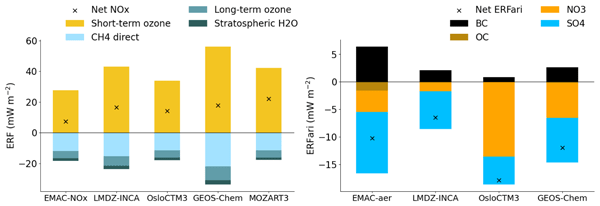
Yann Cohen, Didier Hauglustaine, Zosia Staniaszek, Marianne Tronstad Lund, Irene Dedoussi, Sigrun Matthes, Flávio Quadros, Mattia Righi, Agnieszka Skowron, and Robin Thor
Atmos. Chem. Phys., 26, 5983–6013, https://doi.org/10.5194/acp-26-5983-2026, https://doi.org/10.5194/acp-26-5983-2026, 2026
Short summary
Short summary
Non-CO2 effects from aviation on climate show large uncertainties. Among them, this study investigates the present-day impact of nitrogen oxides (through ozone and methane) and aerosols produced by aviation on atmospheric composition and therefore on climate, using a global-model intercomparison. Our results show a good consistency between the models for gaseous chemistry, but they also highlight the need for more accurate comparisons and further model development for aerosol parameterization.
François-Marie Bréon, Frédéric Chevallier, and Michel Ramonet
EGUsphere, https://doi.org/10.5194/egusphere-2026-1995, https://doi.org/10.5194/egusphere-2026-1995, 2026
Short summary
Short summary
Atmospheric CO2 concentrations show (i) a global trend, (ii) a seasonal cycle that varies with location and altitude and (iii) inter-annual and synoptic variability. Based on a full 4D modelling, this paper proposes a climatological fit that reproduces (i) and (ii). The full modelling and its climatological fit are evaluated against both AirCore CO2 concentration samples and total column from ground based remote sensing. The climatological product provides an estimate of the CO2 concentration.
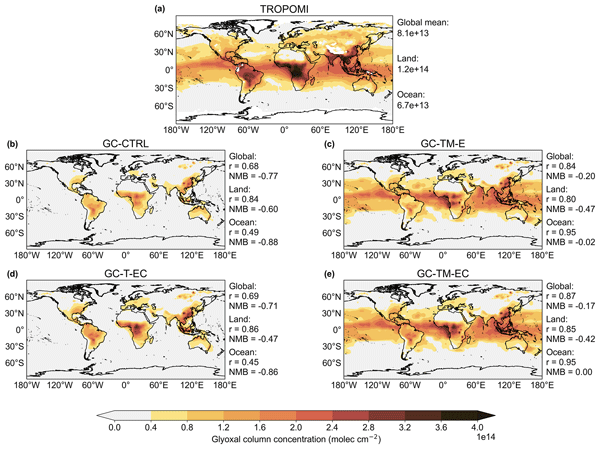
Aoxing Zhang, Tzung-May Fu, Yuhang Wang, Enyu Xiong, Wenlu Wu, Yumin Li, Lei Zhu, Wei Tao, Kelley C. Wells, Dylan B. Millet, Zhe Wang, Bin Yuan, Min Shao, Christophe Lerot, Thomas Danckaert, Ruixiong Zhang, and Kelvin H. Bates
Atmos. Chem. Phys., 26, 5123–5150, https://doi.org/10.5194/acp-26-5123-2026, https://doi.org/10.5194/acp-26-5123-2026, 2026
Short summary
Short summary
Glyoxal, a product of volatile organic compound oxidation, influences atmospheric oxidation and aerosol formation but is underestimated in models. By improving emissions, chemistry, and marine sources in GEOS-Chem, we better reproduce observed glyoxal over land and ocean, which strengthens global oxidation capacity and aerosol formation. The results highlight glyoxal's role as a proxy of atmospheric oxidation, and emphasize the needs of accurately representing glyoxal chemistry.
Nicolas Metzl, Bronte Tilbrook, John Akl, Craig Neill, Alexandra Aymard, Claire Lo Monaco, Gilles Reverdin, Jean-Baptiste Sallée, Aude Barton, Frédéric Chevallier, and Marion Gehlen
EGUsphere, https://doi.org/10.5194/egusphere-2026-1664, https://doi.org/10.5194/egusphere-2026-1664, 2026
Short summary
Short summary
Ocean acidification is explored in the Adélie Land coastal region in East Antarctica. The region is a permanent CO2 sink leading to a positive increase of total CO2 concentrations and to a progressive decrease of pH and aragonite Ωar. The lowest surface Ωar of 1.2 was observed in winter 2024, a critical limit for some marine species such as pteropod. A projection in the future suggests that aragonite saturation state will occur as soon as 2055 in the Adélie Land region.
Liyang Liu, Philippe Ciais, Thu Hang Nguyen, Yi Xi, Chunjing Qiu, Elodie Salmon, Aram Kalhori, Christophe Guimbaud, Matthias Peichl, Joshua L. Ratcliffe, Koffi Dodji Noumonvi, and Xuefei Li
Biogeosciences, 23, 2277–2308, https://doi.org/10.5194/bg-23-2277-2026, https://doi.org/10.5194/bg-23-2277-2026, 2026
Short summary
Short summary
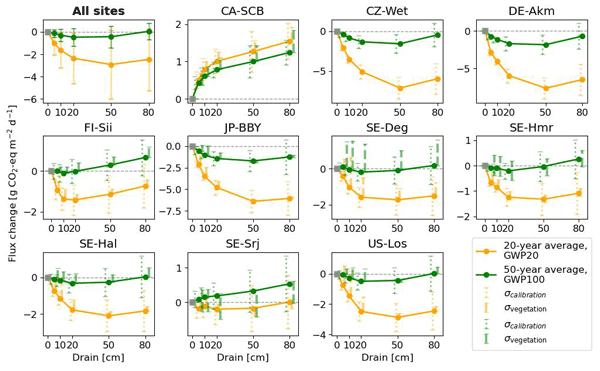
We simulate virtual idealized drainage at 10 pristine peatland sites. Over time, the emission factors of CO2 flux decrease and the reduction of CH4 emissions is amplified. The sensitivities of flux changes to drainage are primarily controlled by initial CO2 and CH4 fluxes, initial soil carbon content, peat vegetation community, air temperature and initial water table depth. Using GWP100 (100-year Global Warming Potential), our simulation suggested only very small net GHG (greenhouse gas) emission changes when peatland is drained for 50 years.
Yifan Li, Drew Pendergrass, Daniel Jacob, Yunxiao Tang, Jiaxin Qiu, and Bo Zheng
EGUsphere, https://doi.org/10.5194/egusphere-2025-6284, https://doi.org/10.5194/egusphere-2025-6284, 2026
Short summary
Short summary
We tracked China’s weekly methane emissions from 2019 to 2024 by constructing a satellite-based regional atmospheric inversion framework. Over the period, annual methane emissions in China rose from 61.1 to 66.8 million tonnes, with nearly half of the growth driven by livestock, alongside additional contributions from waste and oil and gas. Emissions growth shifted toward previously low-emitting northwest and northeast China, revealing new priorities for targeted methane mitigation.
James Young Suk Yoon, Kelley C. Wells, Dylan B. Millet, Christian Frankenberg, Suniti Sanghavi, Abigail L. S. Swann, Joel A. Thornton, and Alexander J. Turner
Atmos. Chem. Phys., 26, 4509–4529, https://doi.org/10.5194/acp-26-4509-2026, https://doi.org/10.5194/acp-26-4509-2026, 2026
Short summary
Short summary
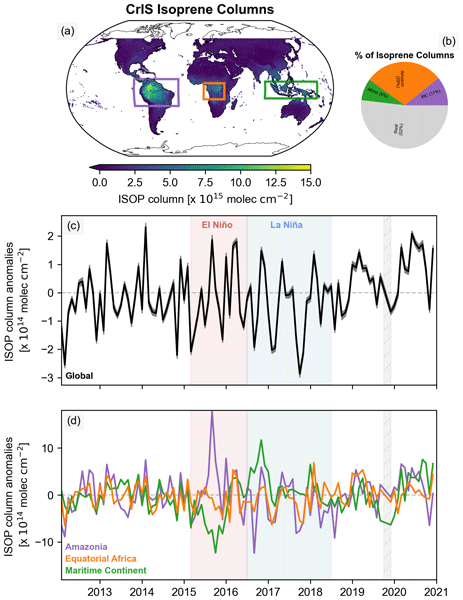
Isoprene is a molecule emitted by trees that is oxidized in the atmosphere within hours. Much of the isoprene globally is emitted in the remote tropics, where we have few direct observations of isoprene. Here, we use new satellite retrievals of isoprene to infer drivers of tropical isoprene variability. Across three regions, isoprene column variability is controlled by different factors, namely changes in isoprene emissions or changes in natural nitrogen oxide sources, like soils and fires.
Gunnar Myhre, Øivind Hodnebrog, Srinath Krishnan, Maria Sand, Marit Sandstad, Ragnhild B. Skeie, Lieven Clarisse, Bruno Franco, Dylan B. Millet, Kelley C. Wells, Alexander Archibald, Hannah N. Bryant, Alex T. Chaudhri, David S. Stevenson, Didier Hauglustaine, Michael Prather, J. Christopher Kaiser, Dirk J. L. Olivie, Michael Schulz, Oliver Wild, Ye Wang, Thérèse Salameh, Jason E. Williams, Philippe Le Sager, Fabien Paulot, Kostas Tsigaridis, and Haley E. Plaas
Geosci. Model Dev., 19, 2577–2591, https://doi.org/10.5194/gmd-19-2577-2026, https://doi.org/10.5194/gmd-19-2577-2026, 2026
Short summary
Short summary
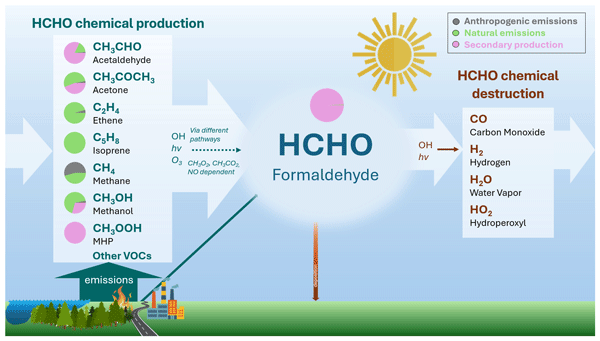
Volatile organic compounds (VOCs) affect air quality and climate, but their behavior in the atmosphere is still uncertain. We launched a global research effort to compare how different models represent these compounds and to improve their accuracy. By analyzing model results alongside observations and satellite data, we aim to better understand the atmospheric composition of these compounds.
Ke Yu, Yang Su, Philippe Ciais, Ronny Lauerwald, David Makowski, Tianqi Shi, Shengbiao Wu, Petra Sieber, Chuanlong Zhou, and Daniel Goll
EGUsphere, https://doi.org/10.5194/egusphere-2026-219, https://doi.org/10.5194/egusphere-2026-219, 2026
Short summary
Short summary
Bare soil reflectance affects surface energy exchange in agricultural systems, but its field-scale variability is still poorly known. Using satellite observations and machine learning, we examined spatiotemporal variations of bare soil reflectance across European croplands. We show that it varies with soil properties, soil moisture, and observation geometry. These results suggest that dynamic soil reflectance should be taken into account in surface energy balance studies of agroecosystems.
Qinren Shi, Philippe Ciais, Nicolas Megel, Xavier Bonnemaizon, Rohith Teja Mittakola, Richard Engelen, and Chuanlong Zhou
Earth Syst. Sci. Data, 18, 927–944, https://doi.org/10.5194/essd-18-927-2026, https://doi.org/10.5194/essd-18-927-2026, 2026
Short summary
Short summary
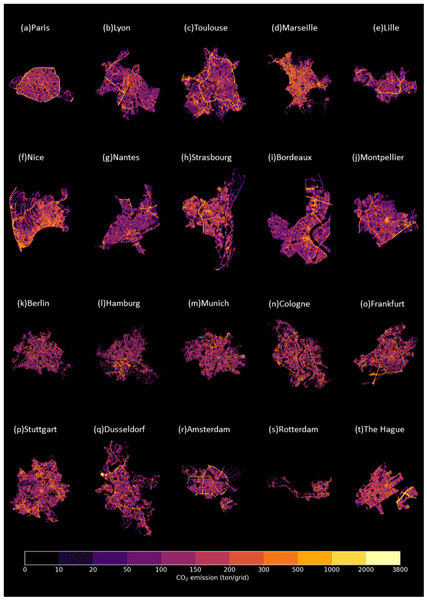
This study developed high-resolution maps (100 m × 100 m) showing how much carbon dioxide is emitted from cars and trucks in 20 European cities every hour. Using anonymous GPS signals from vehicles, we tracked traffic CO2 emission patterns throughout the year 2023. The results show that emissions vary significantly between cities and across different days and seasons. This method could help cities monitor on-road emissions in real time and design better strategies to reduce them.
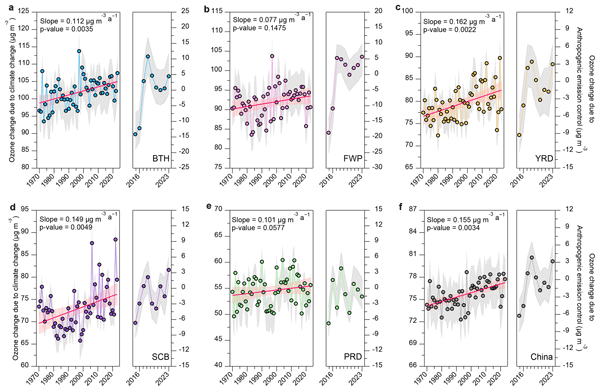
Jie Fang, Yunjiang Zhang, Didier Hauglustaine, Bo Zheng, Ming Wang, Jingyi Li, Yong Sun, Haiwei Li, Junfeng Wang, Yun Wu, Bin Yuan, Mindong Chen, and Xinlei Ge
Atmos. Chem. Phys., 26, 851–867, https://doi.org/10.5194/acp-26-851-2026, https://doi.org/10.5194/acp-26-851-2026, 2026
Short summary
Short summary
Surface ozone pollution is a pressing global challenge driven by human activities and a warming climate. Using nationwide observations (2013–2023) across China together with satellite data, we developed a new machine learning approach to decouple the impacts of emission controls and weather changes. Our results show that while emission reductions improved ozone in some regions, climate change is increasingly offsetting these gains, underscoring the need for joint air quality and climate actions.
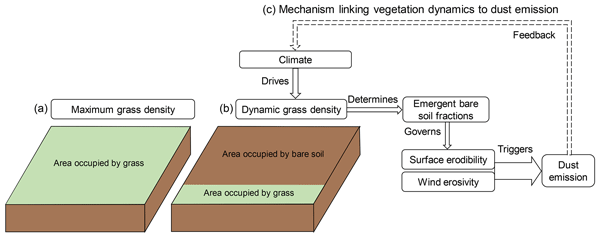
Siqing Xu, Sebastiaan Luyssaert, Yves Balkanski, Philippe Ciais, Nicolas Viovy, Liang Wan, and Jean Sciare
Geosci. Model Dev., 19, 1–25, https://doi.org/10.5194/gmd-19-1-2026, https://doi.org/10.5194/gmd-19-1-2026, 2026
Short summary
Short summary
Prescribing a fixed grassland density in the ORCHIDEE model limits its ability to capture grassland dynamics, leading to unrealistic mortality, especially in semi-arid grasslands. We proposed a dynamic density approach where a positive density-precipitation relationship emerges. This method improves spatial pattern, significantly reduces mortality, sustains productivity, and raises the aridity threshold above which frequent mortality events occur in grasslands.
Jean-Francois Lamarque, Pierre Friedlingstein, Brian Osias, Steve Strongin, Venkatramani Balaji, Kevin W. Bowman, Josep G. Canadell, Philippe Ciais, Heidi Cullen, Kenneth J. Davis, Scott C. Doney, Kevin R. Gurney, Alicia R. Karspeck, Charles D. Koven, Galen McKinley, Glen P. Peters, Julia Pongratz, Britt Stephens, and Colm Sweeney
EGUsphere, https://doi.org/10.5194/egusphere-2025-6457, https://doi.org/10.5194/egusphere-2025-6457, 2026
Short summary
Short summary
This Perspective highlights requirements to scale the carbon credit market and enable the growth in climate solutions funded through such market. The requirements are on the understanding of the value of the proposed carbon credit projects, and on the availability of a verification system. This verification becomes particularly relevant as the carbon credit market scales to significant impacts on CO2 (or other greenhouse gases), such that attribution to collective actions can be identified.
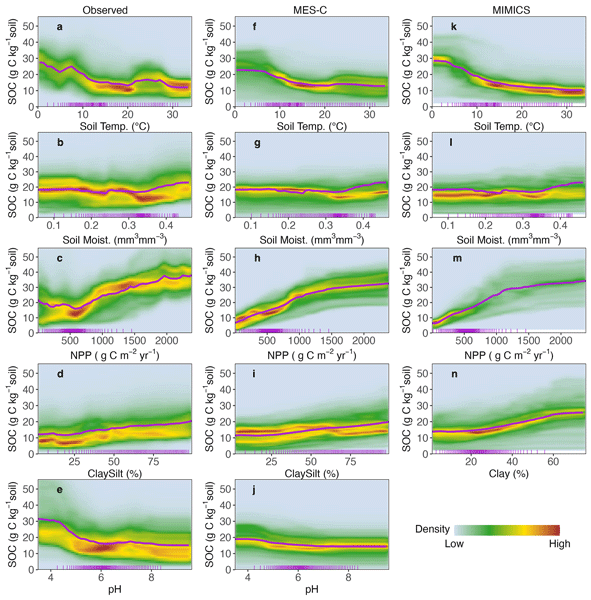
Lingfei Wang, Gab Abramowitz, Ying-Ping Wang, Andy Pitman, Philippe Ciais, and Daniel S. Goll
Biogeosciences, 22, 7845–7863, https://doi.org/10.5194/bg-22-7845-2025, https://doi.org/10.5194/bg-22-7845-2025, 2025
Short summary
Short summary
Accurate estimates of global soil organic carbon (SOC) content and its spatial pattern are critical for future climate change mitigation. However, the most advanced process-based SOC models struggle to do this task. Here we apply multiple explainable machine learning methods to identify missing variables and misrepresented relationships between environmental factors and SOC in these models, offering new insights to guide model development for more reliable SOC predictions.
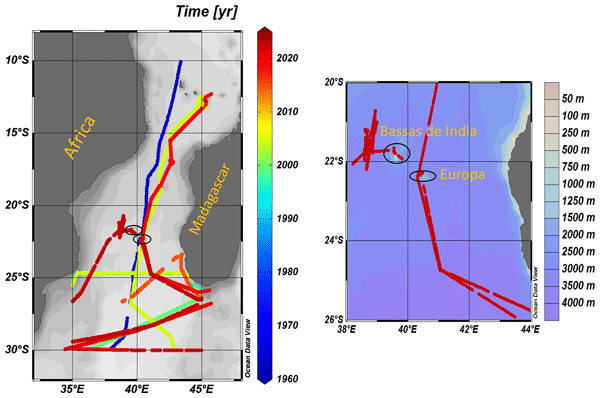
Nicolas Metzl, Claire Lo Monaco, Aline Tribollet, Jean-François Ternon, Frédéric Chevallier, and Marion Gehlen
Biogeosciences, 22, 7187–7204, https://doi.org/10.5194/bg-22-7187-2025, https://doi.org/10.5194/bg-22-7187-2025, 2025
Short summary
Short summary
In the Mozambique Channel, observed acceleration of the ocean acidification in the recent decades is mainly driven by anthropogenic CO2 uptake. In this region the aragonite saturation state reached 3.2 in 2025 and could be as low as 3 in the next 10 years with potential impact on marine ecosystem including corals reefs areas.
Camille Yver-Kwok, Michel Ramonet, Leonard Rivier, Jinghui Lian, Claudia Grossi, Roger Curcoll, Dafina Kikaj, Edward Chung, and Ute Karstens
Atmos. Chem. Phys., 25, 16085–16106, https://doi.org/10.5194/acp-25-16085-2025, https://doi.org/10.5194/acp-25-16085-2025, 2025
Short summary
Short summary
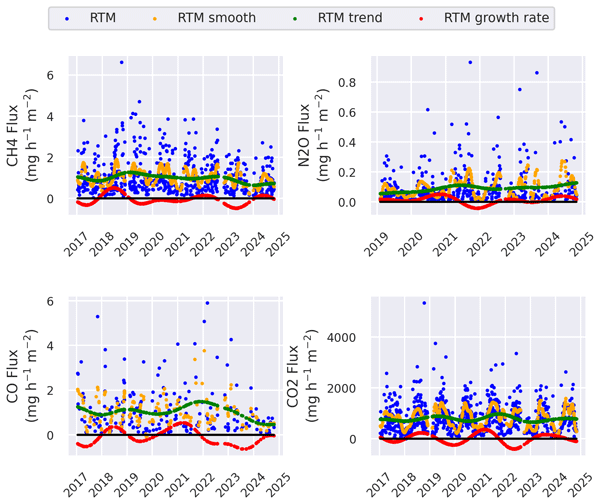
Here, we use greenhouse gas and radon data from a tall tower in France to estimate their fluxes within the station footprint from January 2017 to October 2024 using the Radon Tracer Method. Using the latest radon exhalation maps and standardized radon measurements, we found the greenhouse gas fluxes to be in agreement with the literature. Compared to inventories, there is a general agreement except for carbon dioxide where we show that the biogenic fluxes are not well represented in the model.
Laura Bouillon, Valérie Gros, Morgan Lopez, Nicolas Bonnaire, Carole Philippon, Camille Yver Kwok, Leslie David, Olivier Perrussel, Olivier Sanchez, Simone Kotthaus, Jean-Eudes Petit, Philippe Ciais, and Michel Ramonet
Earth Syst. Sci. Data Discuss., https://doi.org/10.5194/essd-2025-602, https://doi.org/10.5194/essd-2025-602, 2025
Revised manuscript accepted for ESSD
Short summary
Short summary
The Saclay observatory, 20 km southwest of Paris, monitored greenhouse and reactive gases, as well as aerosols, over 10 years to assess the impact of urban emissions. By comparing downwind and background conditions, the study revealed significant reductions in pollutants linked to traffic: -35.6 % for CO, -52.3 % for NOₓ, -56.7 % for eBC, and -15 % for CO2. These trends align with emission decrease estimates from AIRPARIF inventories over the same period.
Pramod Kumar, Grégoire Broquet, Didier Hauglustaine, Maureen Beaudor, Lieven Clarisse, Martin Van Damme, Pierre Coheur, Anne Cozic, Bo Zheng, Beatriz Revilla Romero, Antony Delavois, and Philippe Ciais
Atmos. Chem. Phys., 25, 12379–12407, https://doi.org/10.5194/acp-25-12379-2025, https://doi.org/10.5194/acp-25-12379-2025, 2025
Short summary
Short summary
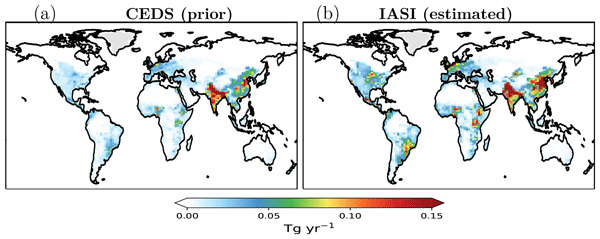
Global maps of the NH3 emissions over 2019–2022 are derived using IASI NH3 spaceborne observations, the LMDZ-INCA chemistry transport model at 1.27°×2.5° resolution, and the mass-balance approach. The average global NH3 emissions over the period are ~97 Tg NH3 yr-1, which is significantly higher than three reference inventories. The analysis provides confidence in the seasonal variability and regional budgets and provides new insights into NH3 emissions at global and regional scales.
Hanrui Lang, Yunjiang Zhang, Sheng Zhong, Yongcai Rao, Minfeng Zhou, Jian Qiu, Jingyi Li, Diwen Liu, Florian Couvidat, Olivier Favez, Didier Hauglustaine, and Xinlei Ge
Atmos. Chem. Phys., 25, 10587–10601, https://doi.org/10.5194/acp-25-10587-2025, https://doi.org/10.5194/acp-25-10587-2025, 2025
Short summary
Short summary
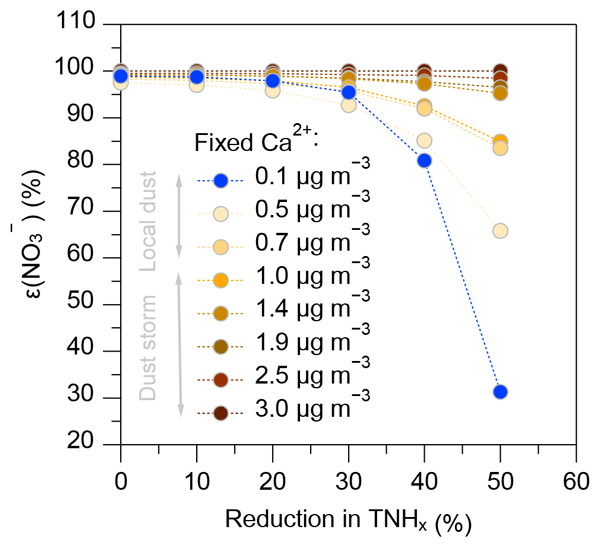
This study investigates how dust pollution influences particulate nitrate formation. We found that dust pollution could reduce the effectiveness of ammonia emission controls by altering aerosol chemistry. Using field observations and modeling, we showed that dust particles affect nitrate distribution between gas and particle phases. Our findings highlight the need for pollution control strategies that consider both human emissions and dust sources for better urban air quality management.

Yi Xi, Philippe Ciais, Dan Zhu, Chunjing Qiu, Yuan Zhang, Shushi Peng, Gustaf Hugelius, Simon P. K. Bowring, Daniel S. Goll, and Ying-Ping Wang
Geosci. Model Dev., 18, 6043–6062, https://doi.org/10.5194/gmd-18-6043-2025, https://doi.org/10.5194/gmd-18-6043-2025, 2025
Short summary
Short summary
Including high-latitude deep carbon is critical for projecting future soil carbon emissions, yet it is absent in most land surface models. Here we propose a new carbon accumulation protocol by integrating deep carbon from Yedoma deposits and representing the observed history of peat carbon formation in ORCHIDEE-MICT. Our results show an additional 157 Pg C in present-day Yedoma deposits and a 1–5 m shallower peat depth and 43 % less passive soil carbon in peatlands compared to the conventional protocol.
Yuming Jin, Britton B. Stephens, Matthew C. Long, Naveen Chandra, Frédéric Chevallier, Joram J. D. Hooghiem, Ingrid T. Luijkx, Shamil Maksyutov, Eric J. Morgan, Yosuke Niwa, Prabir K. Patra, Christian Rödenbeck, and Jesse Vance
Geosci. Model Dev., 18, 5937–5969, https://doi.org/10.5194/gmd-18-5937-2025, https://doi.org/10.5194/gmd-18-5937-2025, 2025
Short summary
Short summary
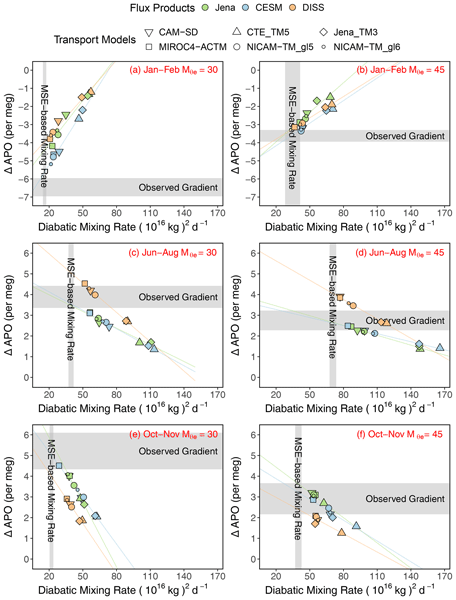
We carry out a comprehensive atmospheric transport model (ATM) intercomparison project. This project aims to evaluate errors in ATMs and three air-sea O2 flux products by comparing model simulations with observations collected from surface stations, ships, and aircraft. We also present a model evaluation framework to independently quantify transport-related and flux-related biases that contribute to model-observation discrepancies in atmospheric tracer distributions.
Mingxuan Wu, Hailong Wang, Zheng Lu, Xiaohong Liu, Huisheng Bian, David D. Cohen, Yan Feng, Mian Chin, Didier A. Hauglustaine, Vlassis A. Karydis, Marianne T. Lund, Gunnar Myhre, Andrea Pozzer, Michael Schulz, Ragnhild B. Skeie, Alexandra P. Tsimpidi, Svetlana G. Tsyro, and Shaocheng Xie
Atmos. Chem. Phys., 25, 10049–10074, https://doi.org/10.5194/acp-25-10049-2025, https://doi.org/10.5194/acp-25-10049-2025, 2025
Short summary
Short summary
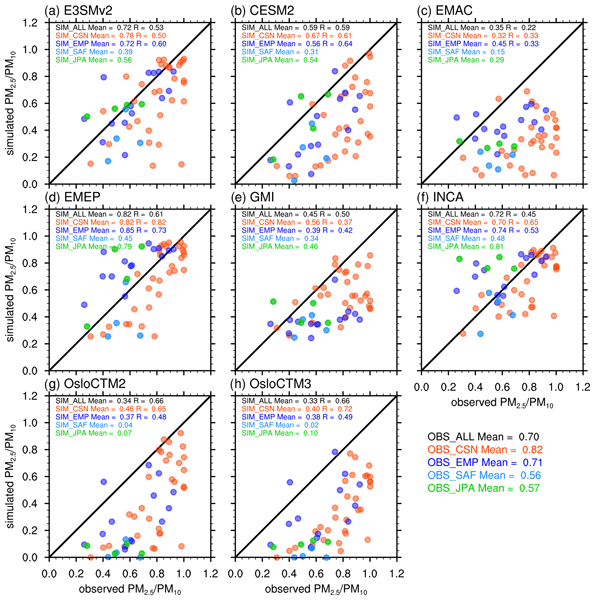
A key challenge in simulating the life cycle of nitrate aerosol in global models is accurately representing the mass size distribution of nitrate aerosol, which lacks sufficient observational constraints. We found that most global models underestimate the mass fraction of fine-mode nitrate at the surface in all regions. Our study highlights the importance of gas–aerosol partitioning parameterization and the simulation of dust and sea salt in correctly simulating the mass size distribution of nitrate.
Yang Su, Nikola Besic, Xianglin Zhang, Yidi Xu, Saverio Francini, Giovanni D'Amico, Gherardo Chirici, Martin Schwartz, Ibrahim Fayad, Sarah Brood, Agnes Pellissier-tanon, Ke Yu, Haotian Chen, Songchao Chen, Alexandre d'Aspremont, and Philippe Ciais
Earth Syst. Sci. Data Discuss., https://doi.org/10.5194/essd-2025-378, https://doi.org/10.5194/essd-2025-378, 2025
Manuscript not accepted for further review
Short summary
Short summary
We created the first long-term map of tree height in Italy, showing yearly changes from 2004 to 2024 at a 30-meter resolution. Using satellite images and laser data from both aircraft and space, we applied deep learning and statistical fusion to produce accurate estimates. This map helps reveal where forests have been disturbed and how they recover over time, offering a valuable tool to support forest protection and climate policy.
Lei Zhu, Philippe Ciais, Yitong Yao, Daniel Goll, Sebastiaan Luyssaert, Isabel Martínez Cano, Arthur Fendrich, Laurent Li, Hui Yang, Sassan Saatchi, Ricardo Dalagnol, and Wei Li
Geosci. Model Dev., 18, 4915–4933, https://doi.org/10.5194/gmd-18-4915-2025, https://doi.org/10.5194/gmd-18-4915-2025, 2025
Short summary
Short summary
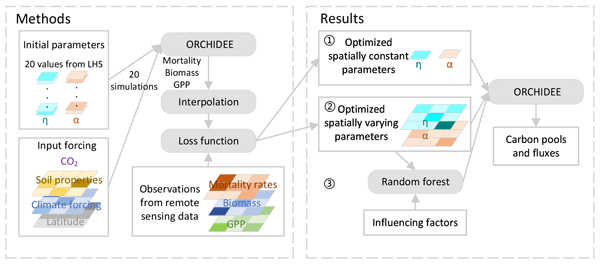
This study enhances the accuracy of modeling the carbon dynamics of the Amazon rainforest by optimizing key model parameters based on satellite data. Using spatially varying parameters for tree mortality and photosynthesis, we improved predictions of biomass, productivity, and tree mortality. Our findings highlight the critical role of wood density and water availability in forest processes, offering insights to use in refining global carbon cycle models.
Zhixuan Guo, Wei Li, Philippe Ciais, Stephen Sitch, Guido R. van der Werf, Simon P. K. Bowring, Ana Bastos, Florent Mouillot, Jiaying He, Minxuan Sun, Lei Zhu, Xiaomeng Du, Nan Wang, and Xiaomeng Huang
Earth Syst. Sci. Data, 17, 3599–3618, https://doi.org/10.5194/essd-17-3599-2025, https://doi.org/10.5194/essd-17-3599-2025, 2025
Short summary
Short summary
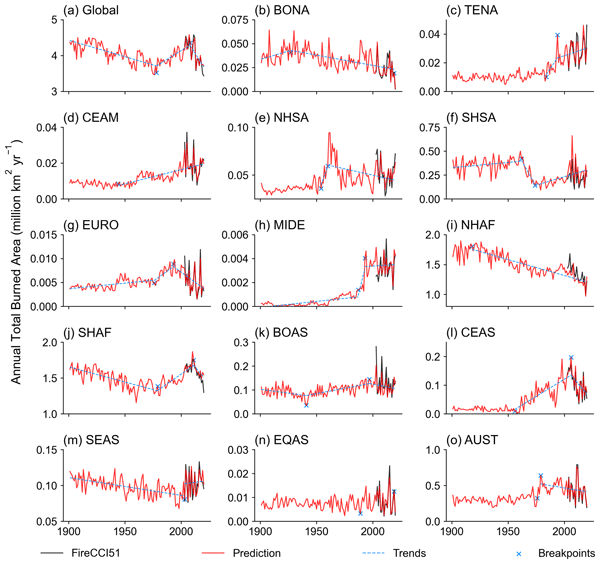
To address the limitations of short time spans in satellite data and spatiotemporal discontinuity in site records, we reconstructed global monthly burned area maps at a 0.5° resolution for 1901–2020 using machine learning models. The global burned area is predicted at 3.46 × 10⁶–4.58 × 10⁶ km² per year, showing a decline from 1901 to 1978, an increase from 1978 to 2008 and a sharper decrease from 2008 to 2020. This dataset provides a benchmark for studies on fire ecology and the carbon cycle.
Adil Shah, Olivier Laurent, Pramod Kumar, Grégoire Broquet, Loïc Loigerot, Timothé Depelchin, Mathis Lozano, Camille Yver Kwok, Carole Philippon, Clément Romand, Elisa Allegrini, Matthieu Trombetti, and Philippe Ciais
Atmos. Meas. Tech., 18, 3425–3451, https://doi.org/10.5194/amt-18-3425-2025, https://doi.org/10.5194/amt-18-3425-2025, 2025
Short summary
Short summary
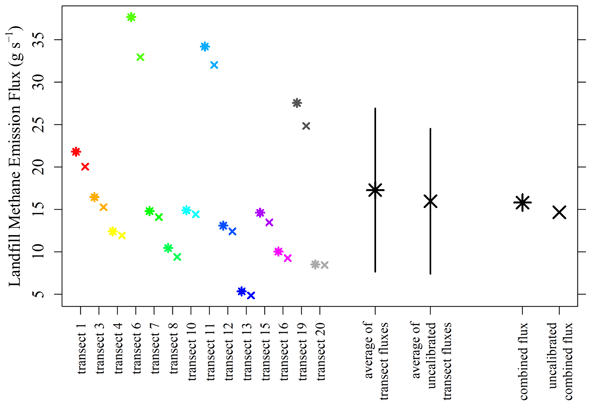
Acetylene mole fraction measurements from the Picarro G2203 were characterised. Abnormal sensor behaviour was observed in wet conditions. A dry linear calibration was derived, although this was invalid below 1.2 ppb due to unstable measurements. The instrument was used to measure acetylene as a methane tracer at a landfill site. Fluxes were derived from 14 downwind transects using both raw and calibrated acetylene mole fraction, with raw measurements resulting in 8 % flux underestimation.
Guohua Liu, Philippe Ciais, Shengli Tao, Hui Yang, and Ana Bastos
Earth Syst. Sci. Data Discuss., https://doi.org/10.5194/essd-2025-330, https://doi.org/10.5194/essd-2025-330, 2025
Manuscript not accepted for further review
Short summary
Short summary
We have developed a long-term and high-resolution global map of above-ground biomass changes from 1993 to 2020 using radar data and machine learning approach. This dataset can help understand the effects of disturbances, land-use changes, and extreme events on global carbon cycle, and enhance the representation of these processes in Earth System Models.
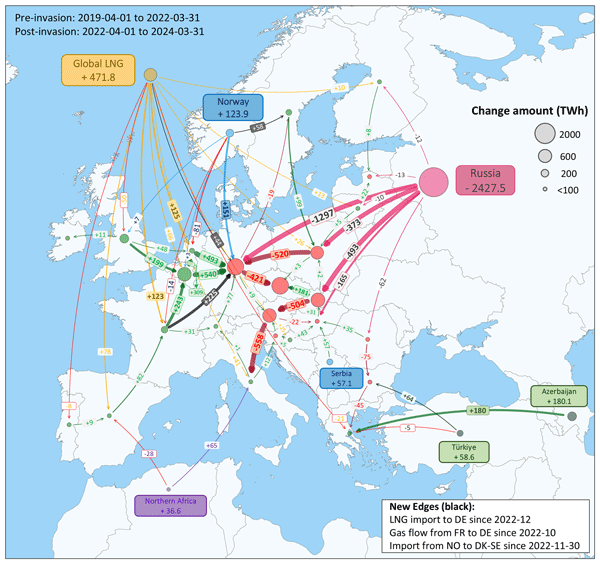
Chuanlong Zhou, Biqing Zhu, Antoine Halff, Steven J. Davis, Zhu Liu, Simon Bowring, Simon Ben Arous, and Philippe Ciais
Earth Syst. Sci. Data, 17, 3431–3446, https://doi.org/10.5194/essd-17-3431-2025, https://doi.org/10.5194/essd-17-3431-2025, 2025
Short summary
Short summary
After Russia's 2022 invasion of Ukraine, Europe's energy dynamics shifted significantly. Our study introduces updated datasets tracking changes in natural gas supply, usage, and transmission within the EU27&UK. We discovered that Europe adapted to losing Russian gas by increasing LNG (liquefied natural gas) imports and shifting to renewables. Our insights could shape future energy policies and climate research.
Rimal Abeed, Audrey Fortems-Cheiney, Grégoire Broquet, Robin Plauchu, Isabelle Pison, Antoine Berchet, Elise Potier, Bo Zheng, Gaëlle Dufour, Adriana Coman, Dilek Savas, Guillaume Siour, Henk Eskes, Beatriz Revilla-Romero, Antony Delavois, and Philippe Ciais
EGUsphere, https://doi.org/10.5194/egusphere-2025-3329, https://doi.org/10.5194/egusphere-2025-3329, 2025
Preprint archived
Short summary
Short summary
We investigate changes in air pollution from nitrogen oxides NOx (=NO+NO2) across Eastern China from 2019 to 2021, using a satellite-based modelling approach. Our results show a drop in pollution in 2020 in most provinces, and along the China-Mongolia-Russia Economic Corridor. The analysis also captures emission variations during the Lunar New Year. By estimating emissions at the provincial level, the study provides insights into how major events and policy measures influence local air quality.
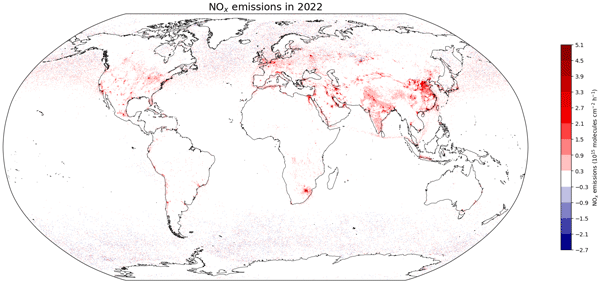
Anthony Rey-Pommier, Alexandre Héraud, Frédéric Chevallier, Philippe Ciais, Theodoros Christoudias, Jonilda Kushta, and Jean Sciare
Earth Syst. Sci. Data, 17, 3329–3351, https://doi.org/10.5194/essd-17-3329-2025, https://doi.org/10.5194/essd-17-3329-2025, 2025
Short summary
Short summary
In this study, we estimate emissions of nitrogen oxides (NOx) in 2022 at high resolution at the global scale, using satellite observations. We provide maps of the emissions and identify several types of sources. Our results are similar to the EDGAR emission inventory. However, differences are found in countries with lower observation densities and lower emissions.
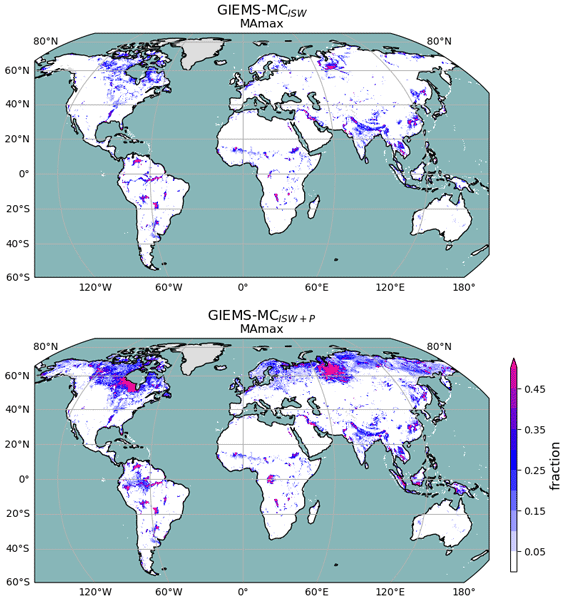
Juliette Bernard, Catherine Prigent, Carlos Jimenez, Etienne Fluet-Chouinard, Bernhard Lehner, Elodie Salmon, Philippe Ciais, Zhen Zhang, Shushi Peng, and Marielle Saunois
Earth Syst. Sci. Data, 17, 2985–3008, https://doi.org/10.5194/essd-17-2985-2025, https://doi.org/10.5194/essd-17-2985-2025, 2025
Short summary
Short summary
Wetlands are responsible for about a third of global emissions of methane, a potent greenhouse gas. We have developed the Global Inundation Extent from Multi-Satellites-MethaneCentric (GIEMS-MC) dataset to represent the dynamics of wetland extent on a global scale (0.25° × 0.25° resolution, monthly time step). This updated resource combines satellite data and existing wetland databases, covering 1992 to 2020. Consistent maps of other methane-emitting surface waters (lakes, rivers, reservoirs, rice paddies) are also provided.
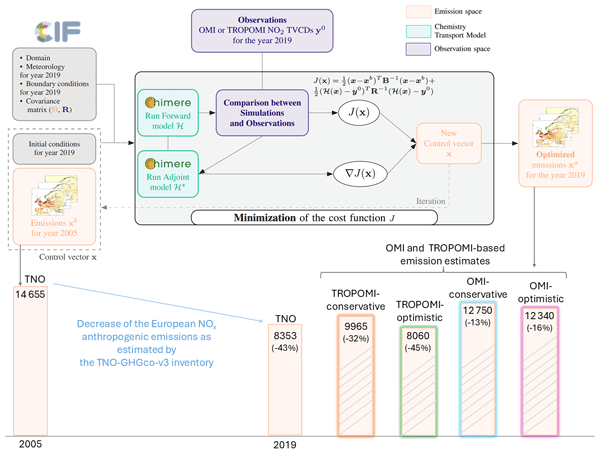
Audrey Fortems-Cheiney, Grégoire Broquet, Elise Potier, Antoine Berchet, Isabelle Pison, Adrien Martinez, Robin Plauchu, Rimal Abeed, Aurélien Sicsik-Paré, Gaelle Dufour, Adriana Coman, Dilek Savas, Guillaume Siour, Henk Eskes, Hugo A. C. Denier van der Gon, and Stijn N. C. Dellaert
Atmos. Chem. Phys., 25, 6047–6068, https://doi.org/10.5194/acp-25-6047-2025, https://doi.org/10.5194/acp-25-6047-2025, 2025
Short summary
Short summary
This study assesses the potential of the Ozone Monitoring Instrument (OMI) and the TROPOspheric Monitoring Instrument (TROPOMI) satellite observations to inform about the decrease in anthropogenic emissions of nitrogen oxides (NOx) in 2019 compared with 2005 at regional to national scales in Europe. Both the OMI and TROPOMI inversions show decreases in European NOx anthropogenic emission budgets in 2019 compared to 2005 but with different magnitudes.
Joffrey Dumont Le Brazidec, Pierre Vanderbecken, Alban Farchi, Grégoire Broquet, Gerrit Kuhlmann, and Marc Bocquet
Geosci. Model Dev., 18, 3607–3622, https://doi.org/10.5194/gmd-18-3607-2025, https://doi.org/10.5194/gmd-18-3607-2025, 2025
Short summary
Short summary
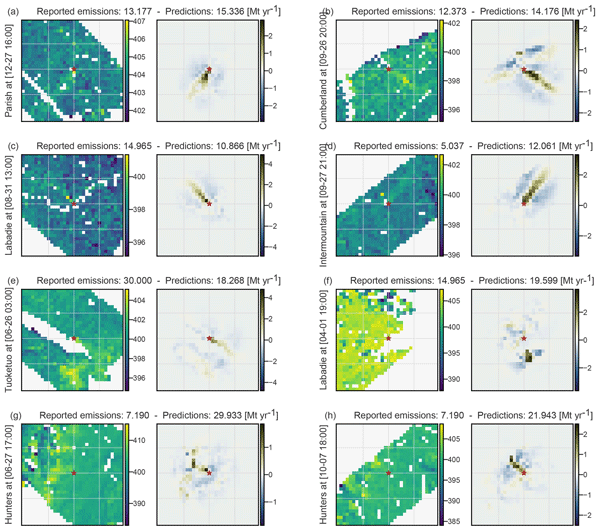
We developed a deep learning method to estimate CO2 emissions from power plants using satellite images. Trained and validated on simulated data, our model accurately predicts emissions despite challenges like cloud cover. When applied to real OCO3 satellite images, the results closely match reported emissions. This study shows that neural networks trained on simulations can effectively analyse real satellite data, offering a new way to monitor CO2 emissions from space.
Yawen Kong, Bo Zheng, and Yuxi Liu
Atmos. Chem. Phys., 25, 5959–5976, https://doi.org/10.5194/acp-25-5959-2025, https://doi.org/10.5194/acp-25-5959-2025, 2025
Short summary
Short summary
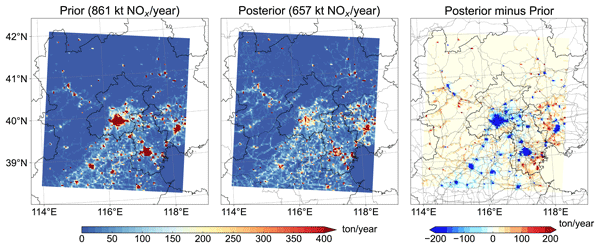
Current high-resolution satellite remote sensing technologies provide a unique opportunity to derive timely high-resolution emission data. We developed an emission inversion system to assimilate satellite NO2 data to obtain daily kilometer-scale NOx emission inventories. Our results enhance inventory accuracy, allowing us to capture the effects of pollution control policies on daily emissions (e.g., during COVID-19 lockdowns) and improve fine-scale air quality modeling.
Yann Cohen, Didier Hauglustaine, Nicolas Bellouin, Marianne Tronstad Lund, Sigrun Matthes, Agnieszka Skowron, Robin Thor, Ulrich Bundke, Andreas Petzold, Susanne Rohs, Valérie Thouret, Andreas Zahn, and Helmut Ziereis
Atmos. Chem. Phys., 25, 5793–5836, https://doi.org/10.5194/acp-25-5793-2025, https://doi.org/10.5194/acp-25-5793-2025, 2025
Short summary
Short summary
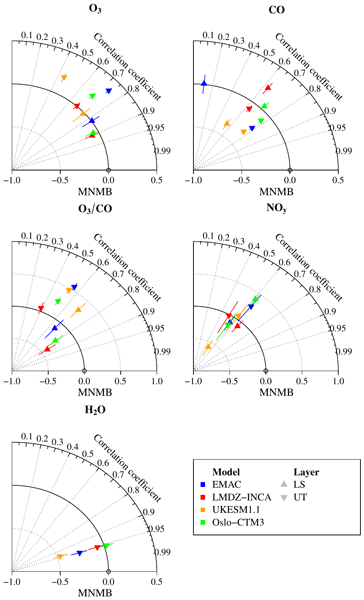
The chemical composition of the atmosphere near the tropopause is a key parameter for evaluating the climate impact of subsonic aviation pollutants. This study uses in situ data collected aboard passenger aircraft to assess the ability of four chemistry–climate models to reproduce (bi-)decadal climatologies of ozone, carbon monoxide, water vapour, and reactive nitrogen in this region. The models reproduce the very distinct ozone seasonality in the upper troposphere and in the lower stratosphere well.
Minna Ma, Haicheng Zhang, Ronny Lauerwald, Philippe Ciais, and Pierre Regnier
Earth Syst. Dynam., 16, 841–867, https://doi.org/10.5194/esd-16-841-2025, https://doi.org/10.5194/esd-16-841-2025, 2025
Short summary
Short summary
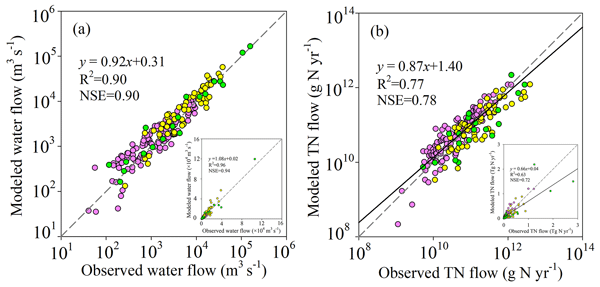
A new offline model (LSM_Nlateral_Off) was developed to simulate the lateral transfer of nitrogen from land to oceans through the river network, incorporating the decomposition of DON (dissolved organic N) and PON (particulate organic N) and denitrification of DIN (dissolved inorganic N) during fluvial transport. Evaluations using observational data indicate that the model reproduces observed rates and seasonal variations in water discharge and N flow well.
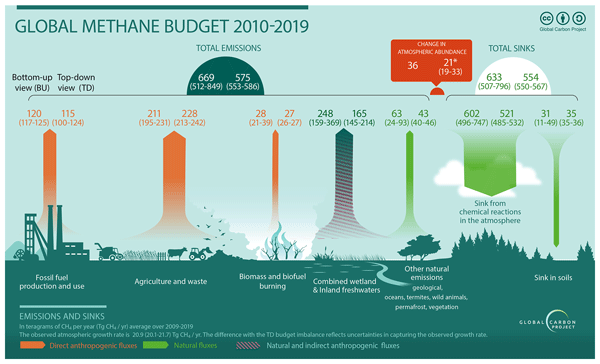
Marielle Saunois, Adrien Martinez, Benjamin Poulter, Zhen Zhang, Peter A. Raymond, Pierre Regnier, Josep G. Canadell, Robert B. Jackson, Prabir K. Patra, Philippe Bousquet, Philippe Ciais, Edward J. Dlugokencky, Xin Lan, George H. Allen, David Bastviken, David J. Beerling, Dmitry A. Belikov, Donald R. Blake, Simona Castaldi, Monica Crippa, Bridget R. Deemer, Fraser Dennison, Giuseppe Etiope, Nicola Gedney, Lena Höglund-Isaksson, Meredith A. Holgerson, Peter O. Hopcroft, Gustaf Hugelius, Akihiko Ito, Atul K. Jain, Rajesh Janardanan, Matthew S. Johnson, Thomas Kleinen, Paul B. Krummel, Ronny Lauerwald, Tingting Li, Xiangyu Liu, Kyle C. McDonald, Joe R. Melton, Jens Mühle, Jurek Müller, Fabiola Murguia-Flores, Yosuke Niwa, Sergio Noce, Shufen Pan, Robert J. Parker, Changhui Peng, Michel Ramonet, William J. Riley, Gerard Rocher-Ros, Judith A. Rosentreter, Motoki Sasakawa, Arjo Segers, Steven J. Smith, Emily H. Stanley, Joël Thanwerdas, Hanqin Tian, Aki Tsuruta, Francesco N. Tubiello, Thomas S. Weber, Guido R. van der Werf, Douglas E. J. Worthy, Yi Xi, Yukio Yoshida, Wenxin Zhang, Bo Zheng, Qing Zhu, Qiuan Zhu, and Qianlai Zhuang
Earth Syst. Sci. Data, 17, 1873–1958, https://doi.org/10.5194/essd-17-1873-2025, https://doi.org/10.5194/essd-17-1873-2025, 2025
Short summary
Short summary
Methane (CH4) is the second most important human-influenced greenhouse gas in terms of climate forcing after carbon dioxide (CO2). A consortium of multi-disciplinary scientists synthesise and update the budget of the sources and sinks of CH4. This edition benefits from important progress in estimating emissions from lakes and ponds, reservoirs, and streams and rivers. For the 2010s decade, global CH4 emissions are estimated at 575 Tg CH4 yr-1, including ~65 % from anthropogenic sources.
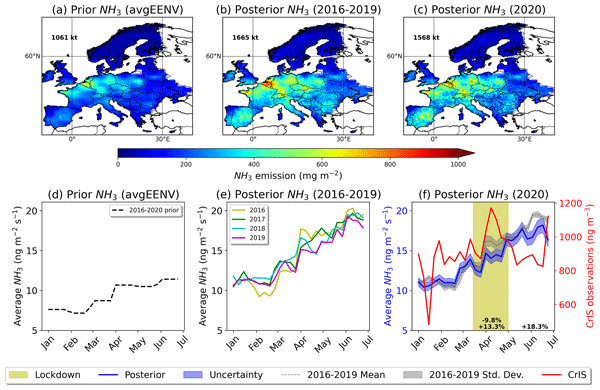
Nikolaos Evangeliou, Ondřej Tichý, Marit Svendby Otervik, Sabine Eckhardt, Yves Balkanski, and Didier A. Hauglustaine
Aerosol Research, 3, 155–174, https://doi.org/10.5194/ar-3-155-2025, https://doi.org/10.5194/ar-3-155-2025, 2025
Short summary
Short summary
The COVID-19 lockdown measures in 2020 reduced emissions of various substances, improving air quality. However, PM2.5 stayed unchanged due to NH3 and related chemical transformations. Higher humidity favoured more SO42- production, as did the accumulated NH3. Excess NH3 reacted with HNO3 to make NO3-. In high-NH3 conditions such as those in 2020, a small reduction in NOx levels drove faster oxidation of NO3- and slower deposition of total inorganic NO3-, causing high secondary PM2.5.
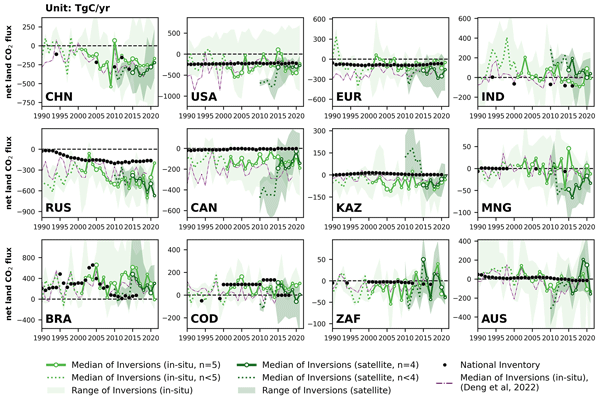
Zhu Deng, Philippe Ciais, Liting Hu, Adrien Martinez, Marielle Saunois, Rona L. Thompson, Kushal Tibrewal, Wouter Peters, Brendan Byrne, Giacomo Grassi, Paul I. Palmer, Ingrid T. Luijkx, Zhu Liu, Junjie Liu, Xuekun Fang, Tengjiao Wang, Hanqin Tian, Katsumasa Tanaka, Ana Bastos, Stephen Sitch, Benjamin Poulter, Clément Albergel, Aki Tsuruta, Shamil Maksyutov, Rajesh Janardanan, Yosuke Niwa, Bo Zheng, Joël Thanwerdas, Dmitry Belikov, Arjo Segers, and Frédéric Chevallier
Earth Syst. Sci. Data, 17, 1121–1152, https://doi.org/10.5194/essd-17-1121-2025, https://doi.org/10.5194/essd-17-1121-2025, 2025
Short summary
Short summary
This study reconciles national greenhouse gas (GHG) inventories with updated atmospheric inversion results to evaluate discrepancies for three principal GHG fluxes at the national level. Compared to our previous study, new satellite-based CO2 inversions were included and an updated mask of managed lands was used, improving agreement for Brazil and Canada. The proposed methodology can be regularly applied as a check to assess the gap between top-down inversions and bottom-up inventories.
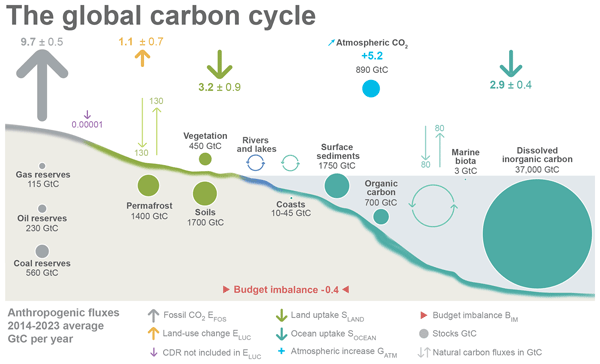
Pierre Friedlingstein, Michael O'Sullivan, Matthew W. Jones, Robbie M. Andrew, Judith Hauck, Peter Landschützer, Corinne Le Quéré, Hongmei Li, Ingrid T. Luijkx, Are Olsen, Glen P. Peters, Wouter Peters, Julia Pongratz, Clemens Schwingshackl, Stephen Sitch, Josep G. Canadell, Philippe Ciais, Robert B. Jackson, Simone R. Alin, Almut Arneth, Vivek Arora, Nicholas R. Bates, Meike Becker, Nicolas Bellouin, Carla F. Berghoff, Henry C. Bittig, Laurent Bopp, Patricia Cadule, Katie Campbell, Matthew A. Chamberlain, Naveen Chandra, Frédéric Chevallier, Louise P. Chini, Thomas Colligan, Jeanne Decayeux, Laique M. Djeutchouang, Xinyu Dou, Carolina Duran Rojas, Kazutaka Enyo, Wiley Evans, Amanda R. Fay, Richard A. Feely, Daniel J. Ford, Adrianna Foster, Thomas Gasser, Marion Gehlen, Thanos Gkritzalis, Giacomo Grassi, Luke Gregor, Nicolas Gruber, Özgür Gürses, Ian Harris, Matthew Hefner, Jens Heinke, George C. Hurtt, Yosuke Iida, Tatiana Ilyina, Andrew R. Jacobson, Atul K. Jain, Tereza Jarníková, Annika Jersild, Fei Jiang, Zhe Jin, Etsushi Kato, Ralph F. Keeling, Kees Klein Goldewijk, Jürgen Knauer, Jan Ivar Korsbakken, Xin Lan, Siv K. Lauvset, Nathalie Lefèvre, Zhu Liu, Junjie Liu, Lei Ma, Shamil Maksyutov, Gregg Marland, Nicolas Mayot, Patrick C. McGuire, Nicolas Metzl, Natalie M. Monacci, Eric J. Morgan, Shin-Ichiro Nakaoka, Craig Neill, Yosuke Niwa, Tobias Nützel, Lea Olivier, Tsuneo Ono, Paul I. Palmer, Denis Pierrot, Zhangcai Qin, Laure Resplandy, Alizée Roobaert, Thais M. Rosan, Christian Rödenbeck, Jörg Schwinger, T. Luke Smallman, Stephen M. Smith, Reinel Sospedra-Alfonso, Tobias Steinhoff, Qing Sun, Adrienne J. Sutton, Roland Séférian, Shintaro Takao, Hiroaki Tatebe, Hanqin Tian, Bronte Tilbrook, Olivier Torres, Etienne Tourigny, Hiroyuki Tsujino, Francesco Tubiello, Guido van der Werf, Rik Wanninkhof, Xuhui Wang, Dongxu Yang, Xiaojuan Yang, Zhen Yu, Wenping Yuan, Xu Yue, Sönke Zaehle, Ning Zeng, and Jiye Zeng
Earth Syst. Sci. Data, 17, 965–1039, https://doi.org/10.5194/essd-17-965-2025, https://doi.org/10.5194/essd-17-965-2025, 2025
Short summary
Short summary
The Global Carbon Budget 2024 describes the methodology, main results, and datasets used to quantify the anthropogenic emissions of carbon dioxide (CO2) and their partitioning among the atmosphere, land ecosystems, and the ocean over the historical period (1750–2024). These living datasets are updated every year to provide the highest transparency and traceability in the reporting of CO2, the key driver of climate change.
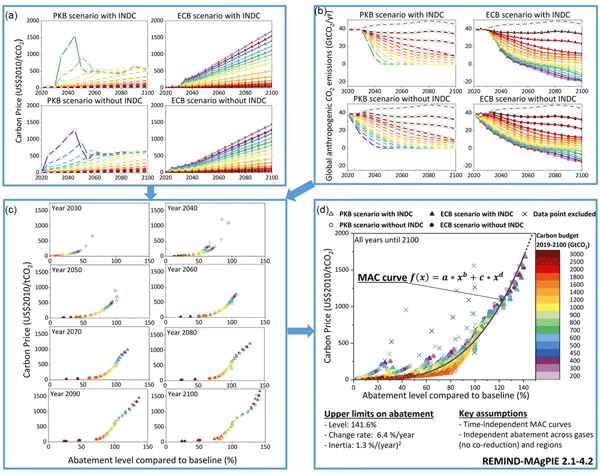
Weiwei Xiong, Katsumasa Tanaka, Philippe Ciais, Daniel J. A. Johansson, and Mariliis Lehtveer
Geosci. Model Dev., 18, 1575–1612, https://doi.org/10.5194/gmd-18-1575-2025, https://doi.org/10.5194/gmd-18-1575-2025, 2025
Short summary
Short summary
emIAM v1.0 is a new emulator for integrated assessment models (IAMs) using global and regional time-independent marginal abatement cost (MAC) curves for multiple greenhouse gases, optionally with time-dependent MAC curves for enhanced accuracy. Combined with climate emulators, emIAM enables development of cost-effective, multi-IAM emission pathways directly linked to temperature targets at low computational cost.
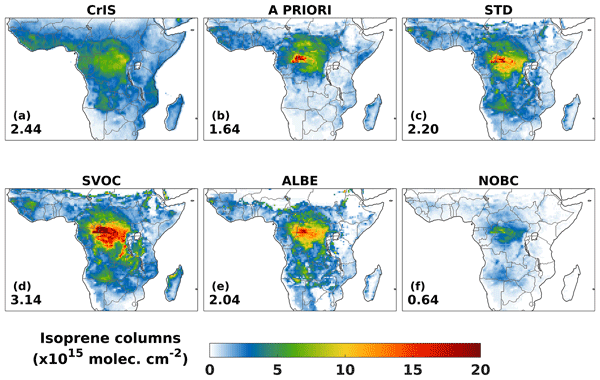
Beata Opacka, Trissevgeni Stavrakou, Jean-François Müller, Isabelle De Smedt, Jos van Geffen, Eloise A. Marais, Rebekah P. Horner, Dylan B. Millet, Kelly C. Wells, and Alex B. Guenther
Atmos. Chem. Phys., 25, 2863–2894, https://doi.org/10.5194/acp-25-2863-2025, https://doi.org/10.5194/acp-25-2863-2025, 2025
Short summary
Short summary
Vegetation releases biogenic volatile organic compounds, while soils and lightning contribute to the natural emissions of nitrogen oxides into the atmosphere. These gases interact in complex ways. Using satellite data and models, we developed a new method to simultaneously optimize these natural emissions over Africa in 2019. Our approach resulted in an increase in natural emissions, supported by independent data indicating that current estimates are underestimated.
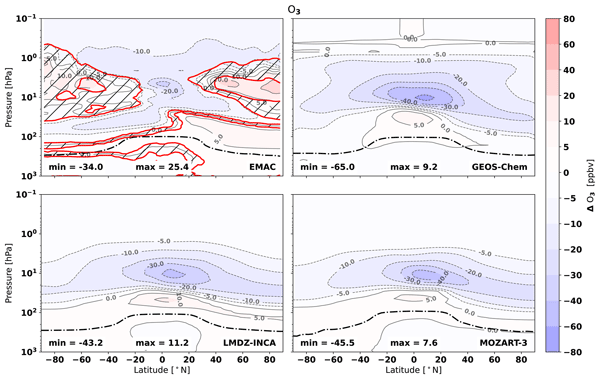
Jurriaan A. van 't Hoff, Didier Hauglustaine, Johannes Pletzer, Agnieszka Skowron, Volker Grewe, Sigrun Matthes, Maximilian M. Meuser, Robin N. Thor, and Irene C. Dedoussi
Atmos. Chem. Phys., 25, 2515–2550, https://doi.org/10.5194/acp-25-2515-2025, https://doi.org/10.5194/acp-25-2515-2025, 2025
Short summary
Short summary
Civil supersonic aircraft may return in the near future, and their emissions could lead to atmospheric changes which are detrimental to public health and the climate. We use four atmospheric chemistry models and show that emissions from a future supersonic aircraft fleet increase stratospheric nitrogen and water vapor levels, while depleting the global ozone column and leading to increases in radiative forcing. Their impacts can be reduced by reducing NOx emissions or the cruise altitude.
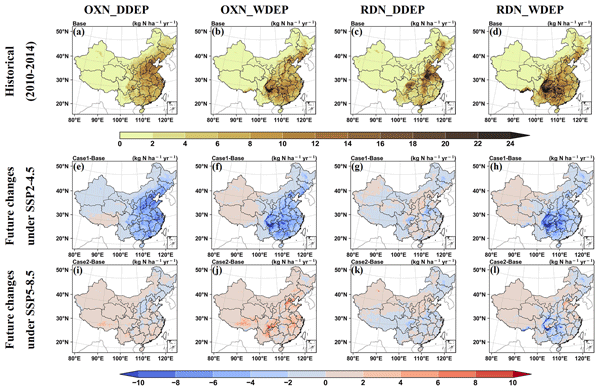
Mingrui Ma, Jiachen Cao, Dan Tong, Bo Zheng, and Yu Zhao
Atmos. Chem. Phys., 25, 2147–2166, https://doi.org/10.5194/acp-25-2147-2025, https://doi.org/10.5194/acp-25-2147-2025, 2025
Short summary
Short summary
We combined two global climate change pathways and three national emission control scenarios to analyze the future evolution of reactive nitrogen (Nr) deposition till the 2060s in China with air quality modeling. We show China’s clean air and carbon neutrality policies would overcome the adverse effects of climate change and efficiently reduce Nr deposition. The outflow of Nr fluxes from mainland China to the west Pacific would also be clearly reduced from continuous stringent emission controls.
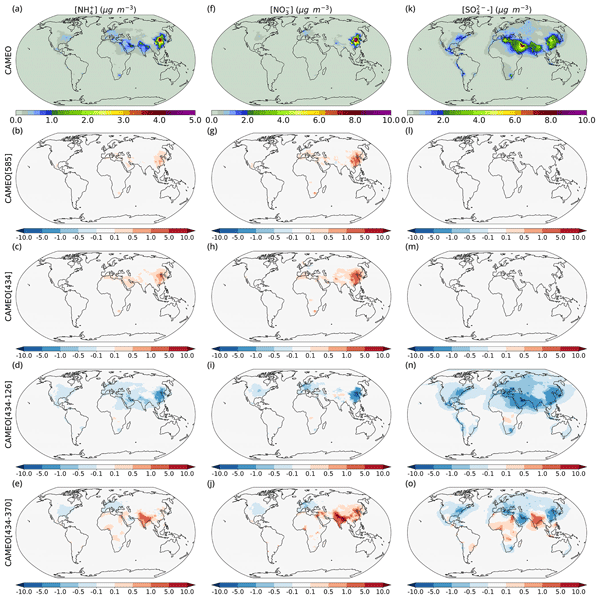
Maureen Beaudor, Didier Hauglustaine, Juliette Lathière, Martin Van Damme, Lieven Clarisse, and Nicolas Vuichard
Atmos. Chem. Phys., 25, 2017–2046, https://doi.org/10.5194/acp-25-2017-2025, https://doi.org/10.5194/acp-25-2017-2025, 2025
Short summary
Short summary
Agriculture is the biggest ammonia (NH3) source, impacting air quality, climate, and ecosystems. Because of food demand, NH3 emissions are projected to rise by 2100. Using a global model, we analyzed the impact of present and future NH3 emissions generated from a land model. Our results show improved ammonia patterns compared to a reference inventory. Future scenarios predict up to 70 % increase in global NH3 burden, with significant changes in radiative forcing that can greatly elevate N2O.
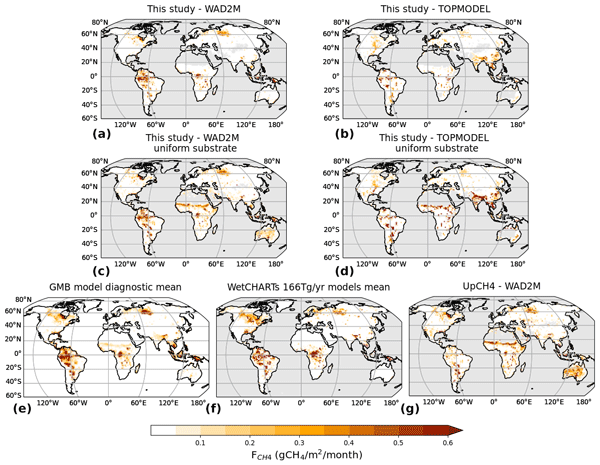
Juliette Bernard, Elodie Salmon, Marielle Saunois, Shushi Peng, Penélope Serrano-Ortiz, Antoine Berchet, Palingamoorthy Gnanamoorthy, Joachim Jansen, and Philippe Ciais
Geosci. Model Dev., 18, 863–883, https://doi.org/10.5194/gmd-18-863-2025, https://doi.org/10.5194/gmd-18-863-2025, 2025
Short summary
Short summary
Despite their importance, uncertainties remain in the evaluation of the drivers of temporal variability of methane emissions from wetlands on a global scale. Here, a simplified global model is developed, taking advantage of advances in remote-sensing data and in situ observations. The model reproduces the large spatial and temporal patterns of emissions, albeit with limitations in the tropics due to data scarcity. This model, while simple, can provide valuable insights into sensitivity analyses.
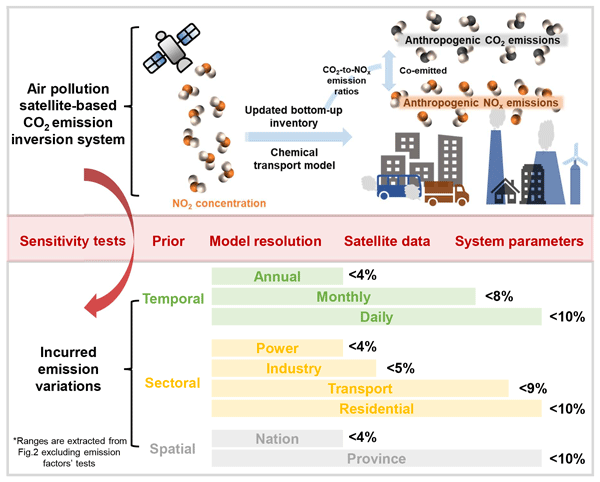
Hui Li, Jiaxin Qiu, and Bo Zheng
Atmos. Chem. Phys., 25, 1949–1963, https://doi.org/10.5194/acp-25-1949-2025, https://doi.org/10.5194/acp-25-1949-2025, 2025
Short summary
Short summary
We conduct a sensitivity analysis with 31 tests on various factors including prior emissions, model resolution, satellite constraint, and other system configurations to assess the vulnerability of emission estimates across temporal, sectoral, and regional dimensions. This reveals the robustness of emissions estimated by this air-pollution-satellite-based CO2 emission inversion system, with relative change between tests and base inversion below 4.0 % for national annual NOx and CO2 emissions.
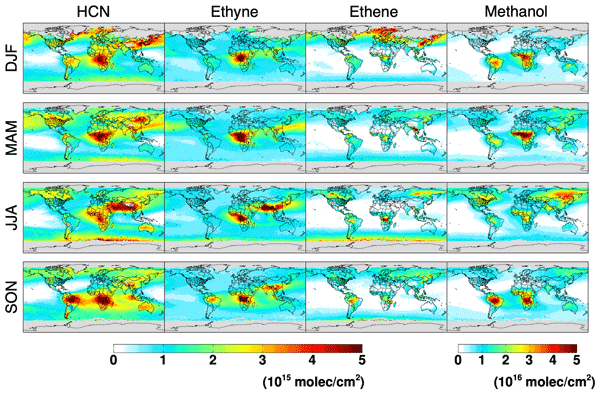
Kelley C. Wells, Dylan B. Millet, Jared F. Brewer, Vivienne H. Payne, Karen E. Cady-Pereira, Rick Pernak, Susan Kulawik, Corinne Vigouroux, Nicholas Jones, Emmanuel Mahieu, Maria Makarova, Tomoo Nagahama, Ivan Ortega, Mathias Palm, Kimberly Strong, Matthias Schneider, Dan Smale, Ralf Sussmann, and Minqiang Zhou
Atmos. Meas. Tech., 18, 695–716, https://doi.org/10.5194/amt-18-695-2025, https://doi.org/10.5194/amt-18-695-2025, 2025
Short summary
Short summary
Atmospheric volatile organic compounds (VOCs) affect both air quality and climate. Satellite measurements can help us to assess and predict their global impacts. We present new decadal (2012–2023) measurements of four key VOCs – methanol, ethene, ethyne, and hydrogen cyanide (HCN) – from the Cross-track Infrared Sounder. The measurements reflect emissions from major forests, wildfires, and industry and provide new information to advance understanding of these sources and their changes over time.
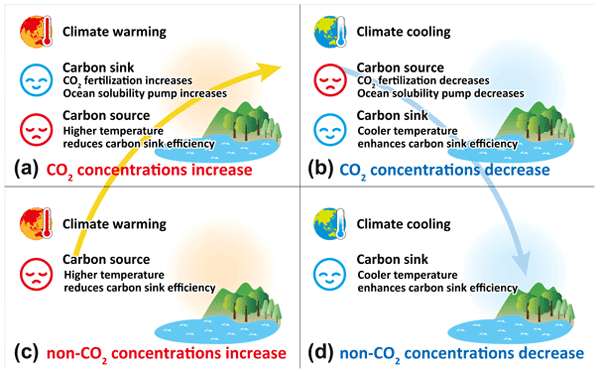
Irina Melnikova, Philippe Ciais, Katsumasa Tanaka, Hideo Shiogama, Kaoru Tachiiri, Tokuta Yokohata, and Olivier Boucher
Earth Syst. Dynam., 16, 257–273, https://doi.org/10.5194/esd-16-257-2025, https://doi.org/10.5194/esd-16-257-2025, 2025
Short summary
Short summary
Reducing non-CO2 greenhouse gases is important alongside CO2 for climate mitigation. Here, we look at how reducing their emissions compares to reducing CO2 using an Earth system model. While both types of gases contribute to warming, their regional climate impacts differ. Besides, the carbon cycle responds differently depending on whether climate change is driven by CO2 or non-CO2 gases. Considering both types of gases is important for carbon cycle analysis and climate mitigation strategies.
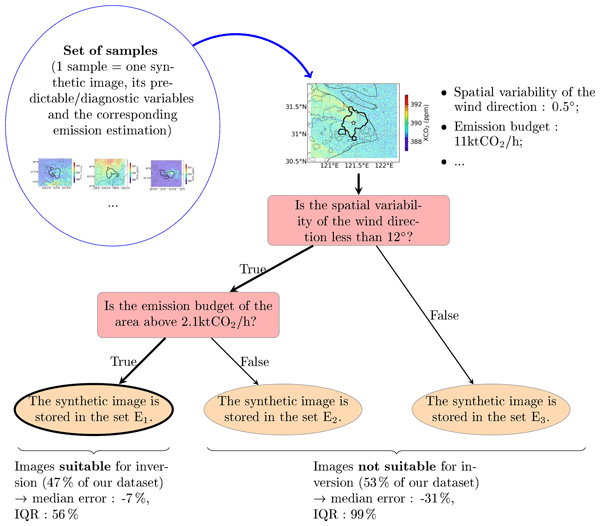
Alexandre Danjou, Grégoire Broquet, Andrew Schuh, François-Marie Bréon, and Thomas Lauvaux
Atmos. Meas. Tech., 18, 533–554, https://doi.org/10.5194/amt-18-533-2025, https://doi.org/10.5194/amt-18-533-2025, 2025
Short summary
Short summary
We study the capacity of XCO2 spaceborne imagery to estimate urban CO2 emissions with synthetic data. We define automatic and standard methods and objective criteria for image selection. The wind variability and urban emission budget guide the emission estimation error. Images with low wind variability and high urban emissions account for 47 % of images and give a bias in the emission estimation of −7 % and a spread of 56 %. Other images give a bias of −31 % and a spread of 99 %.
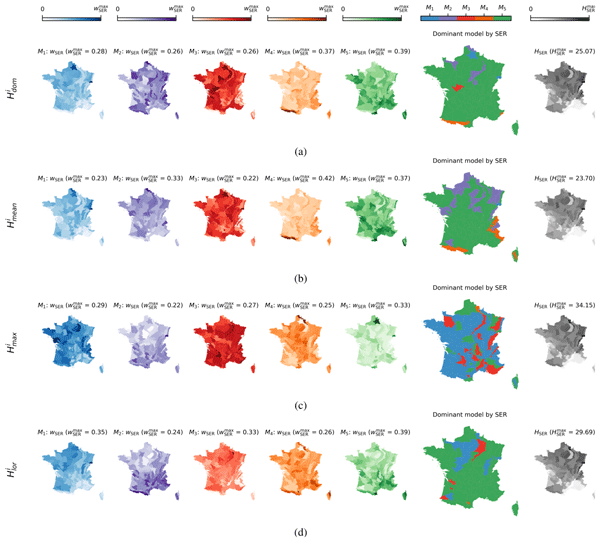
Nikola Besic, Nicolas Picard, Cédric Vega, Jean-Daniel Bontemps, Lionel Hertzog, Jean-Pierre Renaud, Fajwel Fogel, Martin Schwartz, Agnès Pellissier-Tanon, Gabriel Destouet, Frédéric Mortier, Milena Planells-Rodriguez, and Philippe Ciais
Geosci. Model Dev., 18, 337–359, https://doi.org/10.5194/gmd-18-337-2025, https://doi.org/10.5194/gmd-18-337-2025, 2025
Short summary
Short summary
The creation of advanced mapping models for forest attributes, utilizing remote sensing data and incorporating machine or deep learning methods, has become a key area of interest in the domain of forest observation and monitoring. This paper introduces a method where we blend and collectively interpret five models dedicated to estimating forest canopy height. We achieve this through Bayesian model averaging, offering a comprehensive analysis of these remote-sensing-based products.
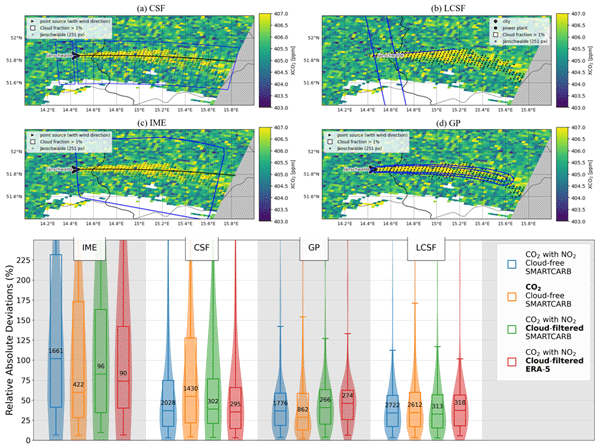
Diego Santaren, Janne Hakkarainen, Gerrit Kuhlmann, Erik Koene, Frédéric Chevallier, Iolanda Ialongo, Hannakaisa Lindqvist, Janne Nurmela, Johanna Tamminen, Laia Amorós, Dominik Brunner, and Grégoire Broquet
Atmos. Meas. Tech., 18, 211–239, https://doi.org/10.5194/amt-18-211-2025, https://doi.org/10.5194/amt-18-211-2025, 2025
Short summary
Short summary
This study evaluates data-driven inversion methods for estimating CO2 emissions from local sources, such as power plants and cities, using meteorological data and XCO2 and NO2 satellite images rather than atmospheric transport modeling. We assess and compare the performance of five different methods using simulations of 1 year of satellite images, taken from the upcoming Copernicus CO2 Monitoring Mission, covering 15 power plants and the city of Berlin, Germany.
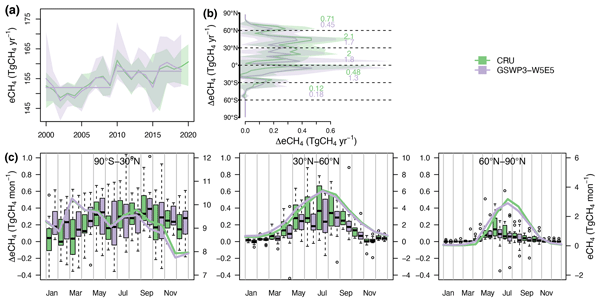
Zhen Zhang, Benjamin Poulter, Joe R. Melton, William J. Riley, George H. Allen, David J. Beerling, Philippe Bousquet, Josep G. Canadell, Etienne Fluet-Chouinard, Philippe Ciais, Nicola Gedney, Peter O. Hopcroft, Akihiko Ito, Robert B. Jackson, Atul K. Jain, Katherine Jensen, Fortunat Joos, Thomas Kleinen, Sara H. Knox, Tingting Li, Xin Li, Xiangyu Liu, Kyle McDonald, Gavin McNicol, Paul A. Miller, Jurek Müller, Prabir K. Patra, Changhui Peng, Shushi Peng, Zhangcai Qin, Ryan M. Riggs, Marielle Saunois, Qing Sun, Hanqin Tian, Xiaoming Xu, Yuanzhi Yao, Yi Xi, Wenxin Zhang, Qing Zhu, Qiuan Zhu, and Qianlai Zhuang
Biogeosciences, 22, 305–321, https://doi.org/10.5194/bg-22-305-2025, https://doi.org/10.5194/bg-22-305-2025, 2025
Short summary
Short summary
This study assesses global methane emissions from wetlands between 2000 and 2020 using multiple models. We found that wetland emissions increased by 6–7 Tg CH4 yr-1 in the 2010s compared to the 2000s. Rising temperatures primarily drove this increase, while changes in precipitation and CO2 levels also played roles. Our findings highlight the importance of wetlands in the global methane budget and the need for continuous monitoring to understand their impact on climate change.
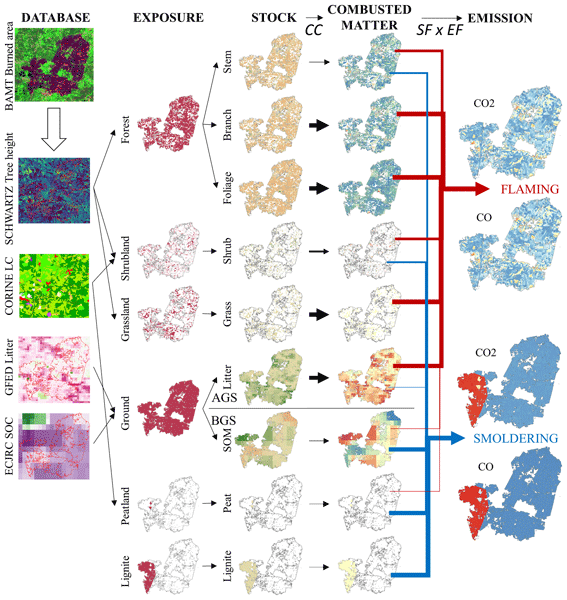
Lilian Vallet, Charbel Abdallah, Thomas Lauvaux, Lilian Joly, Michel Ramonet, Philippe Ciais, Morgan Lopez, Irène Xueref-Remy, and Florent Mouillot
Biogeosciences, 22, 213–242, https://doi.org/10.5194/bg-22-213-2025, https://doi.org/10.5194/bg-22-213-2025, 2025
Short summary
Short summary
The 2022 fire season had a huge impact on European temperate forest, with several large fires exhibiting prolonged soil combustion reported. We analyzed CO and CO2 concentration recorded at nearby atmospheric towers, revealing intense smoldering combustion. We refined a fire emission model to incorporate this process. We estimated 7.95 Mteq CO2 fire emission, twice the global estimate. Fires contributed to 1.97 % of France's annual carbon footprint, reducing forest carbon sink by 30 % this year.
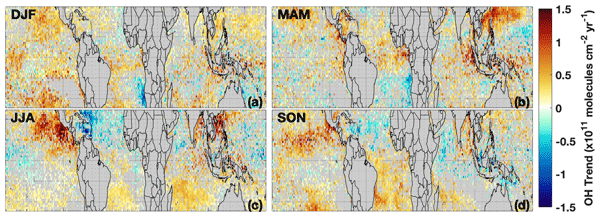
Bryan N. Duncan, Daniel C. Anderson, Arlene M. Fiore, Joanna Joiner, Nickolay A. Krotkov, Can Li, Dylan B. Millet, Julie M. Nicely, Luke D. Oman, Jason M. St. Clair, Joshua D. Shutter, Amir H. Souri, Sarah A. Strode, Brad Weir, Glenn M. Wolfe, Helen M. Worden, and Qindan Zhu
Atmos. Chem. Phys., 24, 13001–13023, https://doi.org/10.5194/acp-24-13001-2024, https://doi.org/10.5194/acp-24-13001-2024, 2024
Short summary
Short summary
Trace gases emitted to or formed within the atmosphere may be chemically or physically removed from the atmosphere. One trace gas, the hydroxyl radical (OH), is responsible for initiating the chemical removal of many trace gases, including some greenhouse gases. Despite its importance, scientists have not been able to adequately measure OH. In this opinion piece, we discuss promising new methods to indirectly constrain OH using satellite data of trace gases that control the abundance of OH.
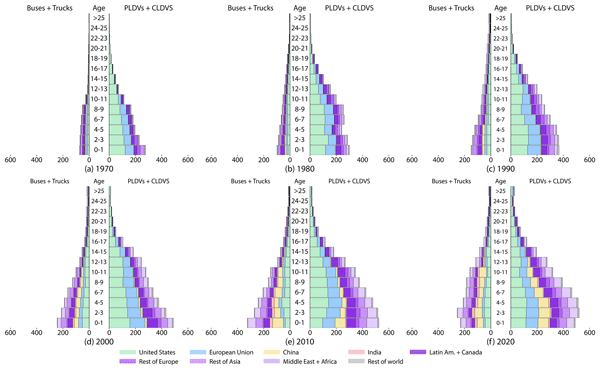
Liu Yan, Qiang Zhang, Bo Zheng, and Kebin He
Earth Syst. Sci. Data, 16, 4497–4509, https://doi.org/10.5194/essd-16-4497-2024, https://doi.org/10.5194/essd-16-4497-2024, 2024
Short summary
Short summary
A new database of fuel-, vehicle-type-, and age-specific CO2 emissions from global on-road vehicles from 1970 to 2020 is developed with the fleet turnover model built in this study. Based on this database, the evolution of the global vehicle stock over 50 years is analyzed, the dominant emission contributors by vehicle and fuel type are identified, and the age distribution of on-road CO2 emissions is characterized further.
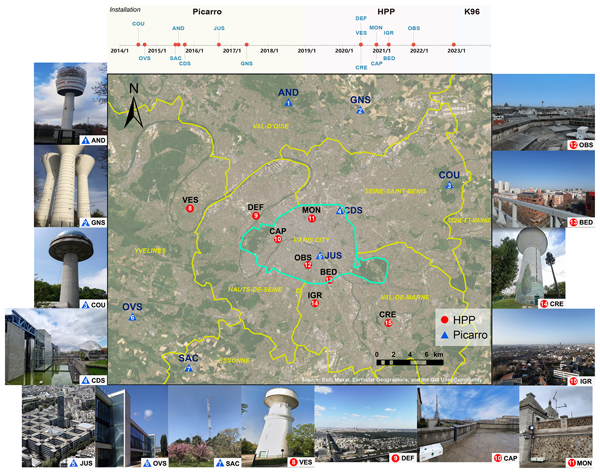
Jinghui Lian, Olivier Laurent, Mali Chariot, Luc Lienhardt, Michel Ramonet, Hervé Utard, Thomas Lauvaux, François-Marie Bréon, Grégoire Broquet, Karina Cucchi, Laurent Millair, and Philippe Ciais
Atmos. Meas. Tech., 17, 5821–5839, https://doi.org/10.5194/amt-17-5821-2024, https://doi.org/10.5194/amt-17-5821-2024, 2024
Short summary
Short summary
We have designed and deployed a mid-cost medium-precision CO2 sensor monitoring network in Paris since July 2020. The data are automatically calibrated by a newly implemented data processing system. The accuracies of the mid-cost instruments vary from 1.0 to 2.4 ppm for hourly afternoon measurements. Our model–data analyses highlight prospects for integrating mid-cost instrument data with high-precision measurements to improve fine-scale CO2 emission quantification in urban areas.
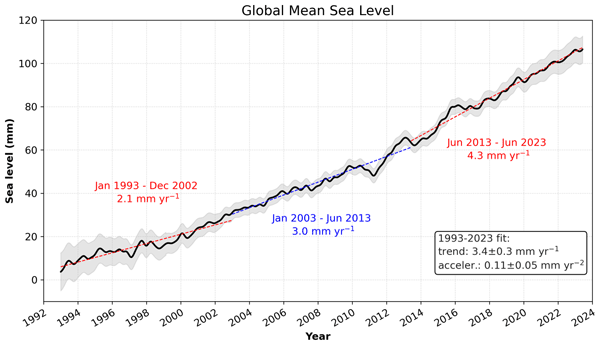
Karina von Schuckmann, Lorena Moreira, Mathilde Cancet, Flora Gues, Emmanuelle Autret, Jonathan Baker, Clément Bricaud, Romain Bourdalle-Badie, Lluis Castrillo, Lijing Cheng, Frederic Chevallier, Daniele Ciani, Alvaro de Pascual-Collar, Vincenzo De Toma, Marie Drevillon, Claudia Fanelli, Gilles Garric, Marion Gehlen, Rianne Giesen, Kevin Hodges, Doroteaciro Iovino, Simon Jandt-Scheelke, Eric Jansen, Melanie Juza, Ioanna Karagali, Thomas Lavergne, Simona Masina, Ronan McAdam, Audrey Minière, Helen Morrison, Tabea Rebekka Panteleit, Andrea Pisano, Marie-Isabelle Pujol, Ad Stoffelen, Sulian Thual, Simon Van Gennip, Pierre Veillard, Chunxue Yang, and Hao Zuo
State Planet, 4-osr8, 1, https://doi.org/10.5194/sp-4-osr8-1-2024, https://doi.org/10.5194/sp-4-osr8-1-2024, 2024
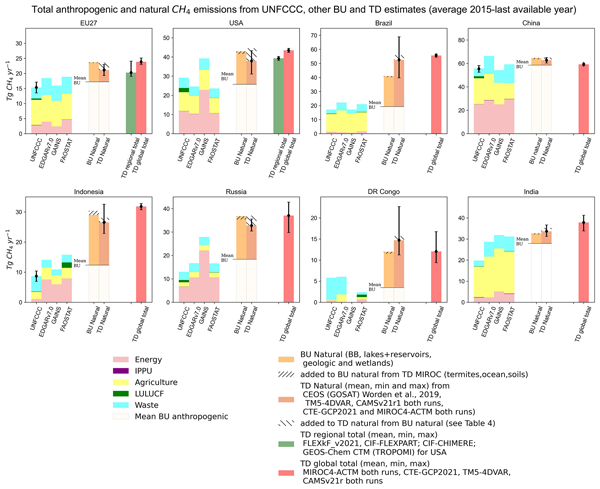
Ana Maria Roxana Petrescu, Glen P. Peters, Richard Engelen, Sander Houweling, Dominik Brunner, Aki Tsuruta, Bradley Matthews, Prabir K. Patra, Dmitry Belikov, Rona L. Thompson, Lena Höglund-Isaksson, Wenxin Zhang, Arjo J. Segers, Giuseppe Etiope, Giancarlo Ciotoli, Philippe Peylin, Frédéric Chevallier, Tuula Aalto, Robbie M. Andrew, David Bastviken, Antoine Berchet, Grégoire Broquet, Giulia Conchedda, Stijn N. C. Dellaert, Hugo Denier van der Gon, Johannes Gütschow, Jean-Matthieu Haussaire, Ronny Lauerwald, Tiina Markkanen, Jacob C. A. van Peet, Isabelle Pison, Pierre Regnier, Espen Solum, Marko Scholze, Maria Tenkanen, Francesco N. Tubiello, Guido R. van der Werf, and John R. Worden
Earth Syst. Sci. Data, 16, 4325–4350, https://doi.org/10.5194/essd-16-4325-2024, https://doi.org/10.5194/essd-16-4325-2024, 2024
Short summary
Short summary
This study provides an overview of data availability from observation- and inventory-based CH4 emission estimates. It systematically compares them and provides recommendations for robust comparisons, aiming to steadily engage more parties in using observational methods to complement their UNFCCC submissions. Anticipating improvements in atmospheric modelling and observations, future developments need to resolve knowledge gaps in both approaches and to better quantify remaining uncertainty.
Josselin Doc, Michel Ramonet, François-Marie Bréon, Delphine Combaz, Mali Chariot, Morgan Lopez, Marc Delmotte, Cristelle Cailteau-Fischbach, Guillaume Nief, Nathanaël Laporte, Thomas Lauvaux, and Philippe Ciais
EGUsphere, https://doi.org/10.5194/egusphere-2024-2826, https://doi.org/10.5194/egusphere-2024-2826, 2024
Short summary
Short summary
Description of the network for measuring greenhouse gas concentrations in the Paris region and analysis of eight years of continuous monitoring.

Thi Lan Anh Dinh, Daniel Goll, Philippe Ciais, and Ronny Lauerwald
Geosci. Model Dev., 17, 6725–6744, https://doi.org/10.5194/gmd-17-6725-2024, https://doi.org/10.5194/gmd-17-6725-2024, 2024
Short summary
Short summary
The study assesses the performance of the dynamic global vegetation model (DGVM) ORCHIDEE in capturing the impact of land-use change on carbon stocks across Europe. Comparisons with observations reveal that the model accurately represents carbon fluxes and stocks. Despite the underestimations in certain land-use conversions, the model describes general trends in soil carbon response to land-use change, aligning with the site observations.
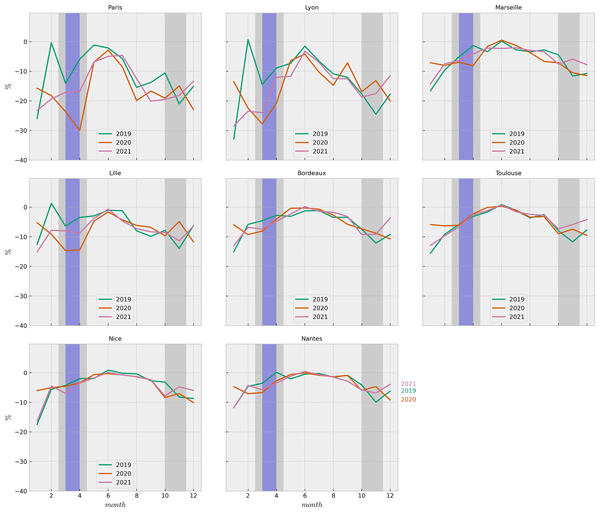
Robin Plauchu, Audrey Fortems-Cheiney, Grégoire Broquet, Isabelle Pison, Antoine Berchet, Elise Potier, Gaëlle Dufour, Adriana Coman, Dilek Savas, Guillaume Siour, and Henk Eskes
Atmos. Chem. Phys., 24, 8139–8163, https://doi.org/10.5194/acp-24-8139-2024, https://doi.org/10.5194/acp-24-8139-2024, 2024
Short summary
Short summary
This study uses the Community Inversion Framework and CHIMERE model to assess the potential of TROPOMI-S5P PAL NO2 tropospheric column data to estimate NOx emissions in France (2019–2021). Results show a 3 % decrease in average emissions compared to the 2016 CAMS-REG/INS, lower than the 14 % decrease from CITEPA. The study highlights challenges in capturing emission anomalies due to limited data coverage and error levels but shows promise for local inventory improvements.
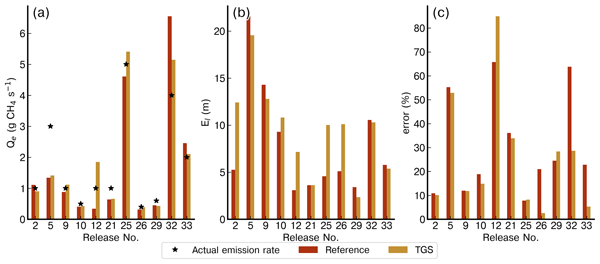
Rodrigo Rivera-Martinez, Pramod Kumar, Olivier Laurent, Gregoire Broquet, Christopher Caldow, Ford Cropley, Diego Santaren, Adil Shah, Cécile Mallet, Michel Ramonet, Leonard Rivier, Catherine Juery, Olivier Duclaux, Caroline Bouchet, Elisa Allegrini, Hervé Utard, and Philippe Ciais
Atmos. Meas. Tech., 17, 4257–4290, https://doi.org/10.5194/amt-17-4257-2024, https://doi.org/10.5194/amt-17-4257-2024, 2024
Short summary
Short summary
We explore the use of metal oxide semiconductors (MOSs) as a low-cost alternative for detecting and measuring CH4 emissions from industrial facilities. MOSs were exposed to several controlled releases to test their accuracy in detecting and quantifying emissions. Two reconstruction models were compared, and emission estimates were computed using a Gaussian dispersion model. Findings show that MOSs can provide accurate emission estimates with a 25 % emission rate error and a 9.5 m location error.
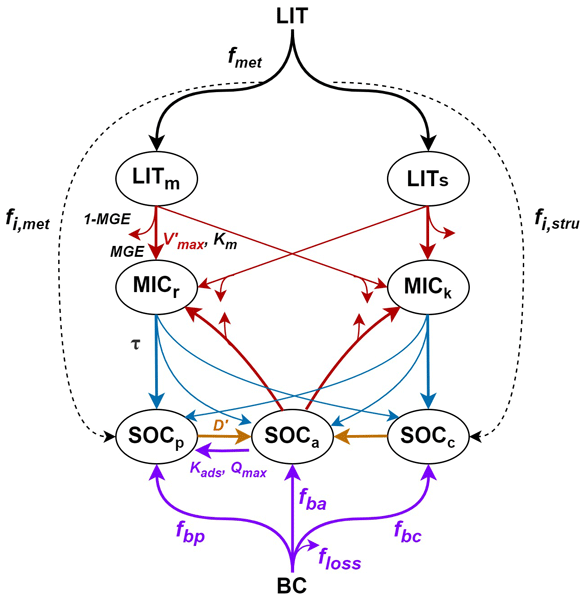
Mengjie Han, Qing Zhao, Xili Wang, Ying-Ping Wang, Philippe Ciais, Haicheng Zhang, Daniel S. Goll, Lei Zhu, Zhe Zhao, Zhixuan Guo, Chen Wang, Wei Zhuang, Fengchang Wu, and Wei Li
Geosci. Model Dev., 17, 4871–4890, https://doi.org/10.5194/gmd-17-4871-2024, https://doi.org/10.5194/gmd-17-4871-2024, 2024
Short summary
Short summary
The impact of biochar (BC) on soil organic carbon (SOC) dynamics is not represented in most land carbon models used for assessing land-based climate change mitigation. Our study develops a BC model that incorporates our current understanding of BC effects on SOC based on a soil carbon model (MIMICS). The BC model can reproduce the SOC changes after adding BC, providing a useful tool to couple dynamic land models to evaluate the effectiveness of BC application for CO2 removal from the atmosphere.
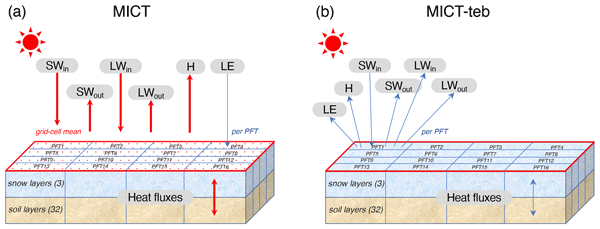
Yi Xi, Chunjing Qiu, Yuan Zhang, Dan Zhu, Shushi Peng, Gustaf Hugelius, Jinfeng Chang, Elodie Salmon, and Philippe Ciais
Geosci. Model Dev., 17, 4727–4754, https://doi.org/10.5194/gmd-17-4727-2024, https://doi.org/10.5194/gmd-17-4727-2024, 2024
Short summary
Short summary
The ORCHIDEE-MICT model can simulate the carbon cycle and hydrology at a sub-grid scale but energy budgets only at a grid scale. This paper assessed the implementation of a multi-tiling energy budget approach in ORCHIDEE-MICT and found warmer surface and soil temperatures, higher soil moisture, and more soil organic carbon across the Northern Hemisphere compared with the original version.
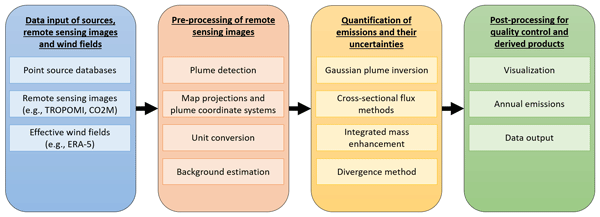
Gerrit Kuhlmann, Erik Koene, Sandro Meier, Diego Santaren, Grégoire Broquet, Frédéric Chevallier, Janne Hakkarainen, Janne Nurmela, Laia Amorós, Johanna Tamminen, and Dominik Brunner
Geosci. Model Dev., 17, 4773–4789, https://doi.org/10.5194/gmd-17-4773-2024, https://doi.org/10.5194/gmd-17-4773-2024, 2024
Short summary
Short summary
We present a Python software library for data-driven emission quantification (ddeq). It can be used to determine the emissions of hot spots (cities, power plants and industry) from remote sensing images using different methods. ddeq can be extended for new datasets and methods, providing a powerful community tool for users and developers. The application of the methods is shown using Jupyter notebooks included in the library.
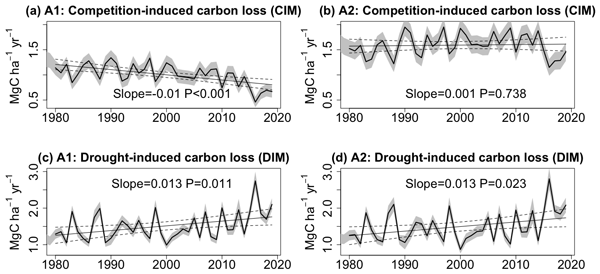
Yitong Yao, Philippe Ciais, Emilie Joetzjer, Wei Li, Lei Zhu, Yujie Wang, Christian Frankenberg, and Nicolas Viovy
Earth Syst. Dynam., 15, 763–778, https://doi.org/10.5194/esd-15-763-2024, https://doi.org/10.5194/esd-15-763-2024, 2024
Short summary
Short summary
Elevated CO2 concentration (eCO2) is critical for shaping the future path of forest carbon uptake, while uncertainties remain about concurrent carbon loss. Here, we found that eCO2 might amplify competition-induced carbon loss, while the extent of drought-induced carbon loss hinges on the balance between heightened biomass density and water-saving benefits. This is the first time that such carbon loss responses to ongoing climate change have been quantified separately over the Amazon rainforest.

Hanqin Tian, Naiqing Pan, Rona L. Thompson, Josep G. Canadell, Parvadha Suntharalingam, Pierre Regnier, Eric A. Davidson, Michael Prather, Philippe Ciais, Marilena Muntean, Shufen Pan, Wilfried Winiwarter, Sönke Zaehle, Feng Zhou, Robert B. Jackson, Hermann W. Bange, Sarah Berthet, Zihao Bian, Daniele Bianchi, Alexander F. Bouwman, Erik T. Buitenhuis, Geoffrey Dutton, Minpeng Hu, Akihiko Ito, Atul K. Jain, Aurich Jeltsch-Thömmes, Fortunat Joos, Sian Kou-Giesbrecht, Paul B. Krummel, Xin Lan, Angela Landolfi, Ronny Lauerwald, Ya Li, Chaoqun Lu, Taylor Maavara, Manfredi Manizza, Dylan B. Millet, Jens Mühle, Prabir K. Patra, Glen P. Peters, Xiaoyu Qin, Peter Raymond, Laure Resplandy, Judith A. Rosentreter, Hao Shi, Qing Sun, Daniele Tonina, Francesco N. Tubiello, Guido R. van der Werf, Nicolas Vuichard, Junjie Wang, Kelley C. Wells, Luke M. Western, Chris Wilson, Jia Yang, Yuanzhi Yao, Yongfa You, and Qing Zhu
Earth Syst. Sci. Data, 16, 2543–2604, https://doi.org/10.5194/essd-16-2543-2024, https://doi.org/10.5194/essd-16-2543-2024, 2024
Short summary
Short summary
Atmospheric concentrations of nitrous oxide (N2O), a greenhouse gas 273 times more potent than carbon dioxide, have increased by 25 % since the preindustrial period, with the highest observed growth rate in 2020 and 2021. This rapid growth rate has primarily been due to a 40 % increase in anthropogenic emissions since 1980. Observed atmospheric N2O concentrations in recent years have exceeded the worst-case climate scenario, underscoring the importance of reducing anthropogenic N2O emissions.
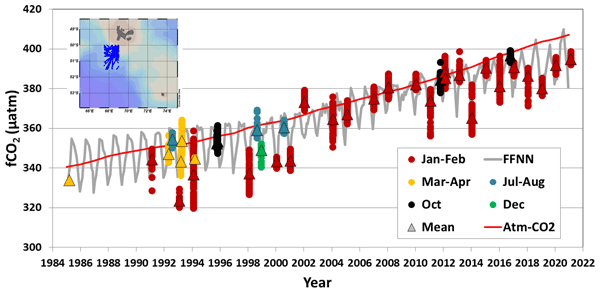
Nicolas Metzl, Claire Lo Monaco, Coraline Leseurre, Céline Ridame, Gilles Reverdin, Thi Tuyet Trang Chau, Frédéric Chevallier, and Marion Gehlen
Ocean Sci., 20, 725–758, https://doi.org/10.5194/os-20-725-2024, https://doi.org/10.5194/os-20-725-2024, 2024
Short summary
Short summary
In the southern Indian Ocean, south of the polar front, an observed increase of sea surface fCO2 and a decrease of pH over 1985–2021 are mainly driven by anthropogenic CO2 uptake, but in the last decade (2010–2020) fCO2 and pH were stable in summer, highlighting the competitive balance between anthropogenic CO2 and primary production. In the water column the increase of anthropogenic CO2 concentrations leads to migration of the aragonite saturation state from 600 m in 1985 up to 400 m in 2021.
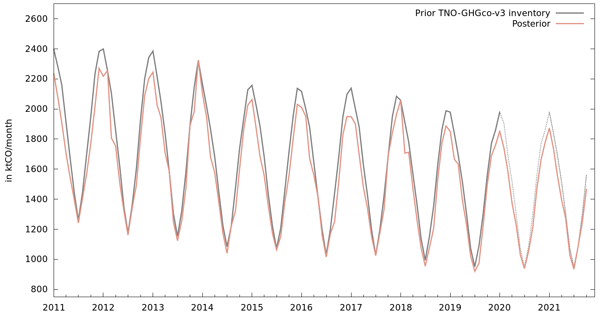
Audrey Fortems-Cheiney, Gregoire Broquet, Elise Potier, Robin Plauchu, Antoine Berchet, Isabelle Pison, Hugo Denier van der Gon, and Stijn Dellaert
Atmos. Chem. Phys., 24, 4635–4649, https://doi.org/10.5194/acp-24-4635-2024, https://doi.org/10.5194/acp-24-4635-2024, 2024
Short summary
Short summary
We have estimated the carbon monixide (CO) European emissions from satellite observations of the MOPITT instrument at the relatively high resolution of 0.5° for a period of over 10 years from 2011 to 2021. The analysis of the inversion results reveals the challenges associated with the inversion of CO emissions at the regional scale over Europe.
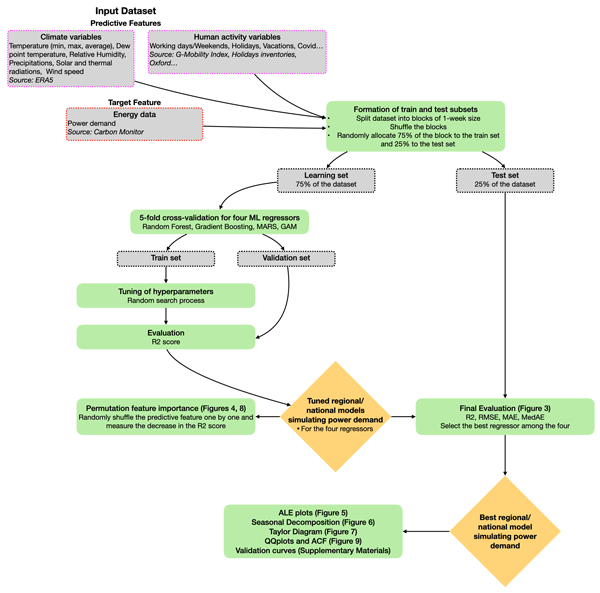
Léna Gurriaran, Yannig Goude, Katsumasa Tanaka, Biqing Zhu, Zhu Deng, Xuanren Song, and Philippe Ciais
Geosci. Model Dev., 17, 2663–2682, https://doi.org/10.5194/gmd-17-2663-2024, https://doi.org/10.5194/gmd-17-2663-2024, 2024
Short summary
Short summary
We developed a data-driven model simulating daily regional power demand based on climate and socioeconomic variables. Our model was applied to eight countries or regions (Australia, Brazil, China, EU, India, Russia, South Africa, US), identifying influential factors and their relationship with power demand. Our findings highlight the significance of economic indicators in addition to temperature, showcasing country-specific variations. This research aids energy planning and emission reduction.
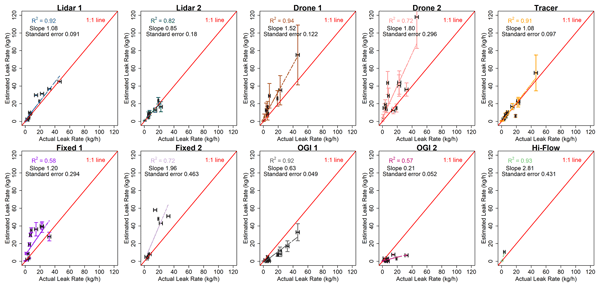
Yunsong Liu, Jean-Daniel Paris, Gregoire Broquet, Violeta Bescós Roy, Tania Meixus Fernandez, Rasmus Andersen, Andrés Russu Berlanga, Emil Christensen, Yann Courtois, Sebastian Dominok, Corentin Dussenne, Travis Eckert, Andrew Finlayson, Aurora Fernández de la Fuente, Catlin Gunn, Ram Hashmonay, Juliano Grigoleto Hayashi, Jonathan Helmore, Soeren Honsel, Fabrizio Innocenti, Matti Irjala, Torgrim Log, Cristina Lopez, Francisco Cortés Martínez, Jonathan Martinez, Adrien Massardier, Helle Gottschalk Nygaard, Paula Agregan Reboredo, Elodie Rousset, Axel Scherello, Matthias Ulbricht, Damien Weidmann, Oliver Williams, Nigel Yarrow, Murès Zarea, Robert Ziegler, Jean Sciare, Mihalis Vrekoussis, and Philippe Bousquet
Atmos. Meas. Tech., 17, 1633–1649, https://doi.org/10.5194/amt-17-1633-2024, https://doi.org/10.5194/amt-17-1633-2024, 2024
Short summary
Short summary
We investigated the performance of 10 methane emission quantification techniques in a blind controlled-release experiment at an inerted natural gas compressor station. We reported their respective strengths, weaknesses, and potential complementarity depending on the emission rates and atmospheric conditions. Additionally, we assess the dependence of emission quantification performance on key parameters such as wind speed, deployment constraints, and measurement duration.
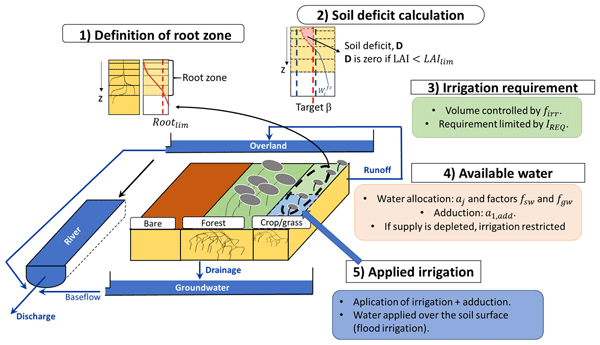
Pedro Felipe Arboleda-Obando, Agnès Ducharne, Zun Yin, and Philippe Ciais
Geosci. Model Dev., 17, 2141–2164, https://doi.org/10.5194/gmd-17-2141-2024, https://doi.org/10.5194/gmd-17-2141-2024, 2024
Short summary
Short summary
We show a new irrigation scheme included in the ORCHIDEE land surface model. The new irrigation scheme restrains irrigation due to water shortage, includes water adduction, and represents environmental limits and facilities to access water, due to representing infrastructure in a simple way. Our results show that the new irrigation scheme helps simulate acceptable land surface conditions and fluxes in irrigated areas, even if there are difficulties due to shortcomings and limited information.
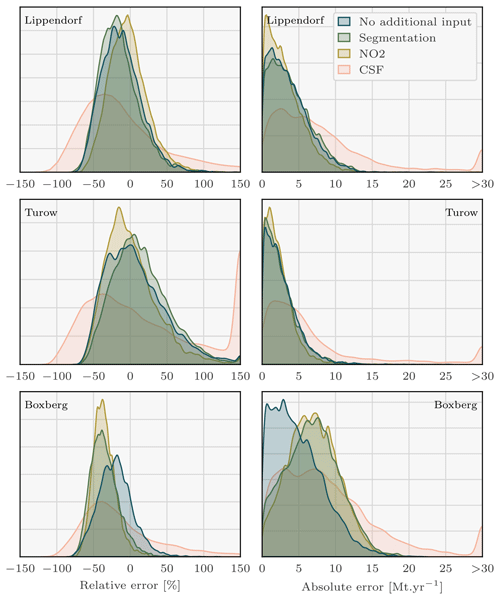
Joffrey Dumont Le Brazidec, Pierre Vanderbecken, Alban Farchi, Grégoire Broquet, Gerrit Kuhlmann, and Marc Bocquet
Geosci. Model Dev., 17, 1995–2014, https://doi.org/10.5194/gmd-17-1995-2024, https://doi.org/10.5194/gmd-17-1995-2024, 2024
Short summary
Short summary
Our research presents an innovative approach to estimating power plant CO2 emissions from satellite images of the corresponding plumes such as those from the forthcoming CO2M satellite constellation. The exploitation of these images is challenging due to noise and meteorological uncertainties. To overcome these obstacles, we use a deep learning neural network trained on simulated CO2 images. Our method outperforms alternatives, providing a positive perspective for the analysis of CO2M images.
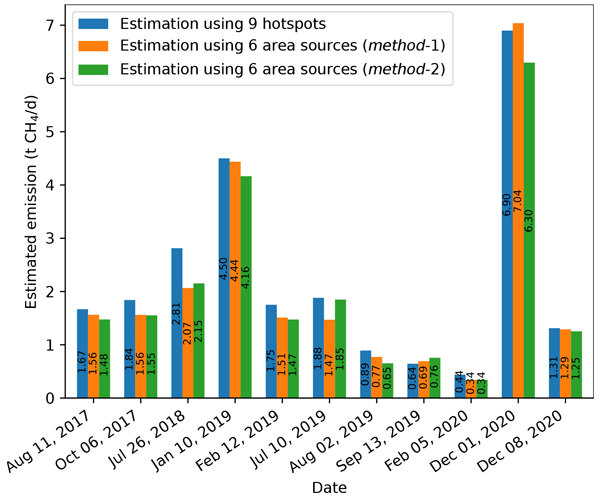
Pramod Kumar, Christopher Caldow, Grégoire Broquet, Adil Shah, Olivier Laurent, Camille Yver-Kwok, Sebastien Ars, Sara Defratyka, Susan Warao Gichuki, Luc Lienhardt, Mathis Lozano, Jean-Daniel Paris, Felix Vogel, Caroline Bouchet, Elisa Allegrini, Robert Kelly, Catherine Juery, and Philippe Ciais
Atmos. Meas. Tech., 17, 1229–1250, https://doi.org/10.5194/amt-17-1229-2024, https://doi.org/10.5194/amt-17-1229-2024, 2024
Short summary
Short summary
This study presents a series of mobile measurement campaigns to monitor the CH4 emissions from an active landfill. These measurements are processed using a Gaussian plume model and atmospheric inversion techniques to quantify the landfill CH4 emissions. The methane emission estimates range between ~0.4 and ~7 t CH4 per day, and their variations are analyzed. The robustness of the estimates is assessed depending on the distance of the measurements from the potential sources in the landfill.
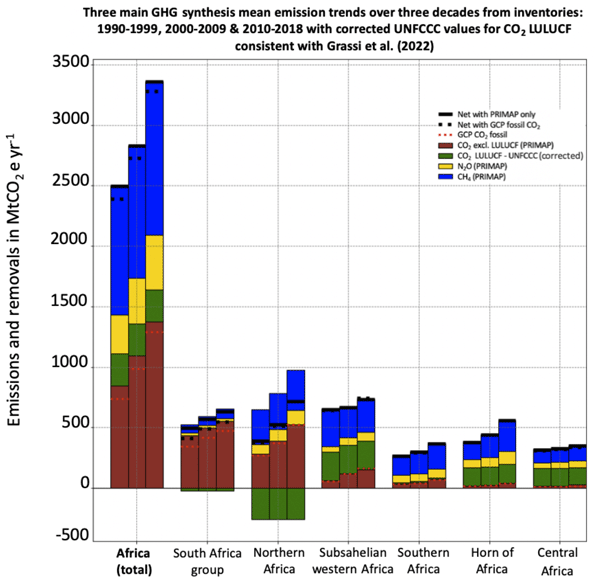
Mounia Mostefaoui, Philippe Ciais, Matthew J. McGrath, Philippe Peylin, Prabir K. Patra, and Yolandi Ernst
Earth Syst. Sci. Data, 16, 245–275, https://doi.org/10.5194/essd-16-245-2024, https://doi.org/10.5194/essd-16-245-2024, 2024
Short summary
Short summary
Our aim is to assess African anthropogenic greenhouse gas emissions and removals by using different data products, including inventories and process-based models, and to compare their relative merits with inversion data coming from satellites. We show a good match among the various estimates in terms of overall trends at a regional level and on a decadal basis, but large differences exist even among similar data types, which is a limit to the possibility of verification of country-reported data.
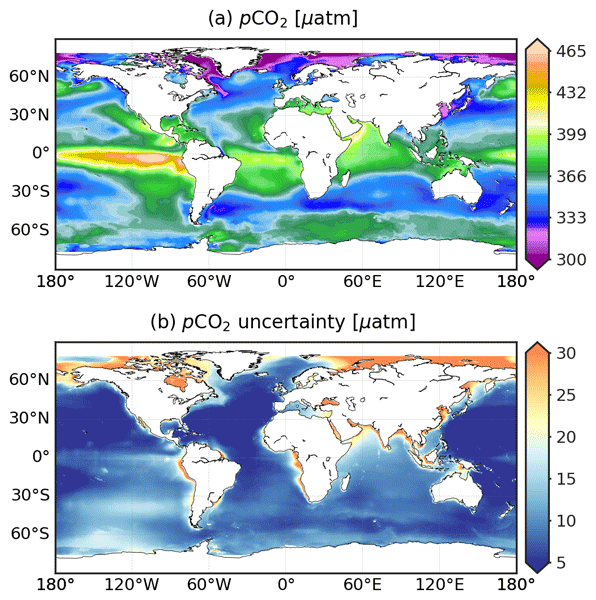
Thi-Tuyet-Trang Chau, Marion Gehlen, Nicolas Metzl, and Frédéric Chevallier
Earth Syst. Sci. Data, 16, 121–160, https://doi.org/10.5194/essd-16-121-2024, https://doi.org/10.5194/essd-16-121-2024, 2024
Short summary
Short summary
CMEMS-LSCE leads as the first global observation-based reconstructions of six carbonate system variables for the years 1985–2021 at monthly and 0.25° resolutions. The high-resolution reconstructions outperform their 1° counterpart in reproducing horizontal and temporal gradients of observations over various oceanic regions to nearshore time series stations. New datasets can be exploited in numerous studies, including monitoring changes in ocean carbon uptake and ocean acidification.
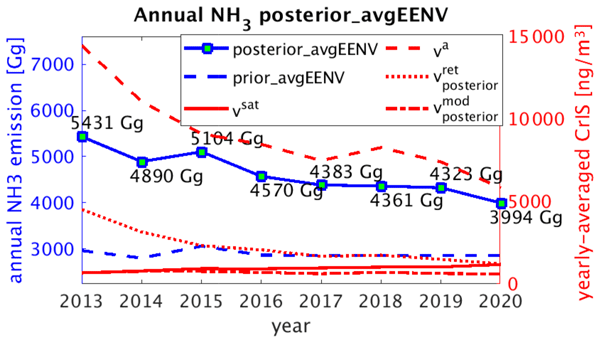
Ondřej Tichý, Sabine Eckhardt, Yves Balkanski, Didier Hauglustaine, and Nikolaos Evangeliou
Atmos. Chem. Phys., 23, 15235–15252, https://doi.org/10.5194/acp-23-15235-2023, https://doi.org/10.5194/acp-23-15235-2023, 2023
Short summary
Short summary
We show declining trends in NH3 emissions over Europe for 2013–2020 using advanced dispersion and inverse modelling and satellite measurements from CrIS. Emissions decreased by −26% since 2013, showing that the abatement strategies adopted by the European Union have been very efficient. Ammonia emissions are low in winter and peak in summer due to temperature-dependent soil volatilization. The largest decreases were observed in central and western Europe in countries with high emissions.
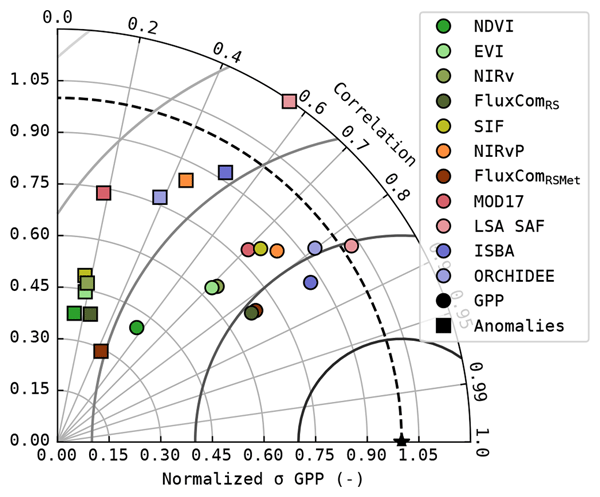
Jan De Pue, Sebastian Wieneke, Ana Bastos, José Miguel Barrios, Liyang Liu, Philippe Ciais, Alirio Arboleda, Rafiq Hamdi, Maral Maleki, Fabienne Maignan, Françoise Gellens-Meulenberghs, Ivan Janssens, and Manuela Balzarolo
Biogeosciences, 20, 4795–4818, https://doi.org/10.5194/bg-20-4795-2023, https://doi.org/10.5194/bg-20-4795-2023, 2023
Short summary
Short summary
The gross primary production (GPP) of the terrestrial biosphere is a key source of variability in the global carbon cycle. To estimate this flux, models can rely on remote sensing data (RS-driven), meteorological data (meteo-driven) or a combination of both (hybrid). An intercomparison of 11 models demonstrated that RS-driven models lack the sensitivity to short-term anomalies. Conversely, the simulation of soil moisture dynamics and stress response remains a challenge in meteo-driven models.
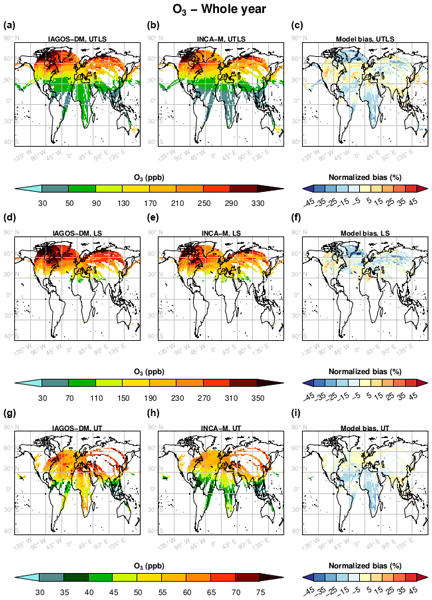
Yann Cohen, Didier Hauglustaine, Bastien Sauvage, Susanne Rohs, Patrick Konjari, Ulrich Bundke, Andreas Petzold, Valérie Thouret, Andreas Zahn, and Helmut Ziereis
Atmos. Chem. Phys., 23, 14973–15009, https://doi.org/10.5194/acp-23-14973-2023, https://doi.org/10.5194/acp-23-14973-2023, 2023
Short summary
Short summary
The upper troposphere–lower stratosphere (UTLS) is a key region regarding the lower atmospheric composition. This study consists of a comprehensive evaluation of an up-to-date chemistry–climate model in this layer, using regular in situ measurements based on passenger aircraft. For this purpose, a specific software (Interpol-IAGOS) has been updated and made publicly available. The model reproduces the carbon monoxide peaks due to biomass burning over the continental tropics particularly well.
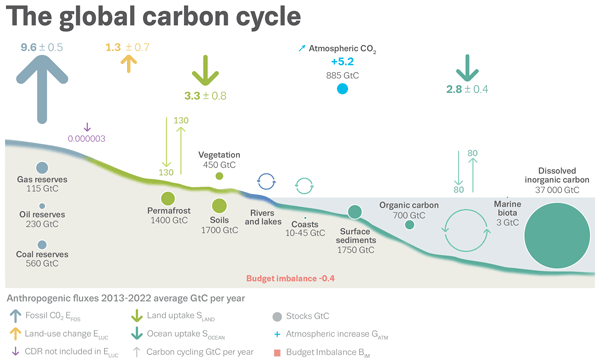
Pierre Friedlingstein, Michael O'Sullivan, Matthew W. Jones, Robbie M. Andrew, Dorothee C. E. Bakker, Judith Hauck, Peter Landschützer, Corinne Le Quéré, Ingrid T. Luijkx, Glen P. Peters, Wouter Peters, Julia Pongratz, Clemens Schwingshackl, Stephen Sitch, Josep G. Canadell, Philippe Ciais, Robert B. Jackson, Simone R. Alin, Peter Anthoni, Leticia Barbero, Nicholas R. Bates, Meike Becker, Nicolas Bellouin, Bertrand Decharme, Laurent Bopp, Ida Bagus Mandhara Brasika, Patricia Cadule, Matthew A. Chamberlain, Naveen Chandra, Thi-Tuyet-Trang Chau, Frédéric Chevallier, Louise P. Chini, Margot Cronin, Xinyu Dou, Kazutaka Enyo, Wiley Evans, Stefanie Falk, Richard A. Feely, Liang Feng, Daniel J. Ford, Thomas Gasser, Josefine Ghattas, Thanos Gkritzalis, Giacomo Grassi, Luke Gregor, Nicolas Gruber, Özgür Gürses, Ian Harris, Matthew Hefner, Jens Heinke, Richard A. Houghton, George C. Hurtt, Yosuke Iida, Tatiana Ilyina, Andrew R. Jacobson, Atul Jain, Tereza Jarníková, Annika Jersild, Fei Jiang, Zhe Jin, Fortunat Joos, Etsushi Kato, Ralph F. Keeling, Daniel Kennedy, Kees Klein Goldewijk, Jürgen Knauer, Jan Ivar Korsbakken, Arne Körtzinger, Xin Lan, Nathalie Lefèvre, Hongmei Li, Junjie Liu, Zhiqiang Liu, Lei Ma, Greg Marland, Nicolas Mayot, Patrick C. McGuire, Galen A. McKinley, Gesa Meyer, Eric J. Morgan, David R. Munro, Shin-Ichiro Nakaoka, Yosuke Niwa, Kevin M. O'Brien, Are Olsen, Abdirahman M. Omar, Tsuneo Ono, Melf Paulsen, Denis Pierrot, Katie Pocock, Benjamin Poulter, Carter M. Powis, Gregor Rehder, Laure Resplandy, Eddy Robertson, Christian Rödenbeck, Thais M. Rosan, Jörg Schwinger, Roland Séférian, T. Luke Smallman, Stephen M. Smith, Reinel Sospedra-Alfonso, Qing Sun, Adrienne J. Sutton, Colm Sweeney, Shintaro Takao, Pieter P. Tans, Hanqin Tian, Bronte Tilbrook, Hiroyuki Tsujino, Francesco Tubiello, Guido R. van der Werf, Erik van Ooijen, Rik Wanninkhof, Michio Watanabe, Cathy Wimart-Rousseau, Dongxu Yang, Xiaojuan Yang, Wenping Yuan, Xu Yue, Sönke Zaehle, Jiye Zeng, and Bo Zheng
Earth Syst. Sci. Data, 15, 5301–5369, https://doi.org/10.5194/essd-15-5301-2023, https://doi.org/10.5194/essd-15-5301-2023, 2023
Short summary
Short summary
The Global Carbon Budget 2023 describes the methodology, main results, and data sets used to quantify the anthropogenic emissions of carbon dioxide (CO2) and their partitioning among the atmosphere, land ecosystems, and the ocean over the historical period (1750–2023). These living datasets are updated every year to provide the highest transparency and traceability in the reporting of CO2, the key driver of climate change.
Ioannis Cheliotis, Thomas Lauvaux, Jinghui Lian, Theodoros Christoudias, George Georgiou, Alba Badia, Frédéric Chevallier, Pramod Kumar, Yathin Kudupaje, Ruixue Lei, and Philippe Ciais
EGUsphere, https://doi.org/10.5194/egusphere-2023-2487, https://doi.org/10.5194/egusphere-2023-2487, 2023
Preprint withdrawn
Short summary
Short summary
A consistent estimation of CO2 emissions is complicated due to the scarcity of CO2 observations. In this study, we showcase the potential to improve the CO2 emissions estimations from the NO2 concentrations based on the NO2-to-CO2 ratio, which should be constant for a source co-emitting NO2 and CO2, by comparing satellite observations with atmospheric chemistry and transport model simulations for NO2 and CO2. Furthermore, we demonstrate the significance of the chemistry in NO2 simulations.
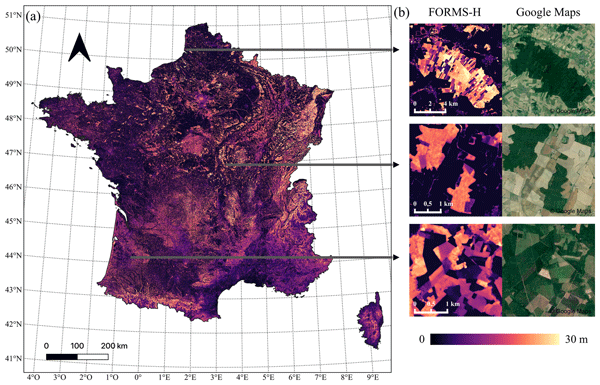
Martin Schwartz, Philippe Ciais, Aurélien De Truchis, Jérôme Chave, Catherine Ottlé, Cedric Vega, Jean-Pierre Wigneron, Manuel Nicolas, Sami Jouaber, Siyu Liu, Martin Brandt, and Ibrahim Fayad
Earth Syst. Sci. Data, 15, 4927–4945, https://doi.org/10.5194/essd-15-4927-2023, https://doi.org/10.5194/essd-15-4927-2023, 2023
Short summary
Short summary
As forests play a key role in climate-related issues, their accurate monitoring is critical to reduce global carbon emissions effectively. Based on open-access remote-sensing sensors, and artificial intelligence methods, we created high-resolution tree height, wood volume, and biomass maps of metropolitan France that outperform previous products. This study, based on freely available data, provides essential information to support climate-efficient forest management policies at a low cost.
Zoé Lloret, Frédéric Chevallier, Anne Cozic, Marine Remaud, and Yann Meurdesoif
Geosci. Model Dev. Discuss., https://doi.org/10.5194/gmd-2023-140, https://doi.org/10.5194/gmd-2023-140, 2023
Revised manuscript not accepted
Short summary
Short summary
In this study, we evaluate the performance of a new model coupling, ICO, for simulating atmospheric carbon dioxide (CO2) transport. Using an unstructured grid, our model accurately captures seasonal CO2 variations at surface stations. The model exhibits comparable accuracy to a reference configuration and offers advantages in computational speed and storage. This highlights the importance of advanced modeling approaches and high-resolution grids in refining climate models.
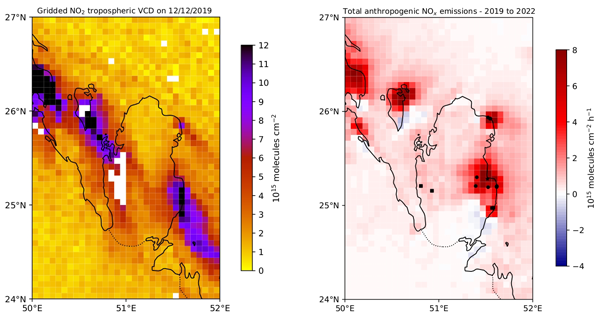
Anthony Rey-Pommier, Frédéric Chevallier, Philippe Ciais, Jonilda Kushta, Theodoros Christoudias, I. Safak Bayram, and Jean Sciare
Atmos. Chem. Phys., 23, 13565–13583, https://doi.org/10.5194/acp-23-13565-2023, https://doi.org/10.5194/acp-23-13565-2023, 2023
Short summary
Short summary
We use four years (2019–2022) of TROPOMI NO2 data to map NOx emissions in Qatar. We estimate average monthly emissions for the country and industrial facilities and derive an emission factor for the power sector. Monthly emissions have a weekly cycle reflecting the social norms in Qatar and an annual cycle consistent with the electricity production by gas-fired power plants. Their mean value is lower than the NOx emissions in global inventories but similar to the emissions reported for 2007.
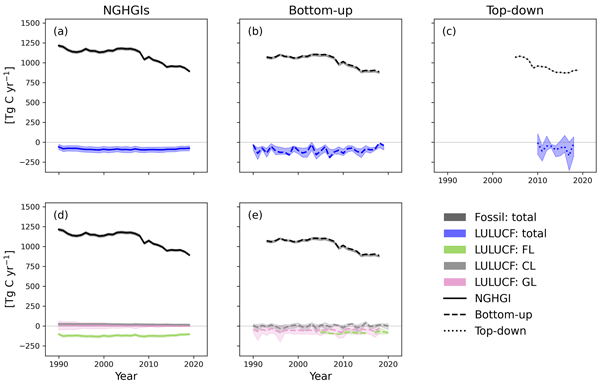
Matthew J. McGrath, Ana Maria Roxana Petrescu, Philippe Peylin, Robbie M. Andrew, Bradley Matthews, Frank Dentener, Juraj Balkovič, Vladislav Bastrikov, Meike Becker, Gregoire Broquet, Philippe Ciais, Audrey Fortems-Cheiney, Raphael Ganzenmüller, Giacomo Grassi, Ian Harris, Matthew Jones, Jürgen Knauer, Matthias Kuhnert, Guillaume Monteil, Saqr Munassar, Paul I. Palmer, Glen P. Peters, Chunjing Qiu, Mart-Jan Schelhaas, Oksana Tarasova, Matteo Vizzarri, Karina Winkler, Gianpaolo Balsamo, Antoine Berchet, Peter Briggs, Patrick Brockmann, Frédéric Chevallier, Giulia Conchedda, Monica Crippa, Stijn N. C. Dellaert, Hugo A. C. Denier van der Gon, Sara Filipek, Pierre Friedlingstein, Richard Fuchs, Michael Gauss, Christoph Gerbig, Diego Guizzardi, Dirk Günther, Richard A. Houghton, Greet Janssens-Maenhout, Ronny Lauerwald, Bas Lerink, Ingrid T. Luijkx, Géraud Moulas, Marilena Muntean, Gert-Jan Nabuurs, Aurélie Paquirissamy, Lucia Perugini, Wouter Peters, Roberto Pilli, Julia Pongratz, Pierre Regnier, Marko Scholze, Yusuf Serengil, Pete Smith, Efisio Solazzo, Rona L. Thompson, Francesco N. Tubiello, Timo Vesala, and Sophia Walther
Earth Syst. Sci. Data, 15, 4295–4370, https://doi.org/10.5194/essd-15-4295-2023, https://doi.org/10.5194/essd-15-4295-2023, 2023
Short summary
Short summary
Accurate estimation of fluxes of carbon dioxide from the land surface is essential for understanding future impacts of greenhouse gas emissions on the climate system. A wide variety of methods currently exist to estimate these sources and sinks. We are continuing work to develop annual comparisons of these diverse methods in order to clarify what they all actually calculate and to resolve apparent disagreement, in addition to highlighting opportunities for increased understanding.
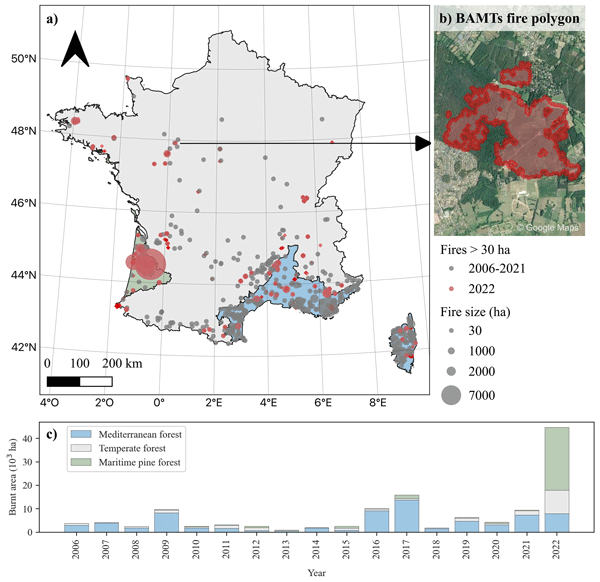
Lilian Vallet, Martin Schwartz, Philippe Ciais, Dave van Wees, Aurelien de Truchis, and Florent Mouillot
Biogeosciences, 20, 3803–3825, https://doi.org/10.5194/bg-20-3803-2023, https://doi.org/10.5194/bg-20-3803-2023, 2023
Short summary
Short summary
This study analyzes the ecological impact of the 2022 summer fire season in France by using high-resolution satellite data. The total biomass loss was 2.553 Mt, equivalent to a 17 % increase of the average natural mortality of all French forests. While Mediterranean forests had a lower biomass loss, there was a drastic increase in burned area and biomass loss over the Atlantic pine forests and temperate forests. This result revisits the distinctiveness of the 2022 fire season.
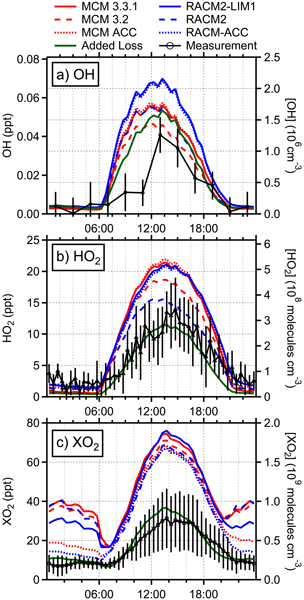
Brandon Bottorff, Michelle M. Lew, Youngjun Woo, Pamela Rickly, Matthew D. Rollings, Benjamin Deming, Daniel C. Anderson, Ezra Wood, Hariprasad D. Alwe, Dylan B. Millet, Andrew Weinheimer, Geoff Tyndall, John Ortega, Sebastien Dusanter, Thierry Leonardis, James Flynn, Matt Erickson, Sergio Alvarez, Jean C. Rivera-Rios, Joshua D. Shutter, Frank Keutsch, Detlev Helmig, Wei Wang, Hannah M. Allen, Johnathan H. Slade, Paul B. Shepson, Steven Bertman, and Philip S. Stevens
Atmos. Chem. Phys., 23, 10287–10311, https://doi.org/10.5194/acp-23-10287-2023, https://doi.org/10.5194/acp-23-10287-2023, 2023
Short summary
Short summary
The hydroxyl (OH), hydroperoxy (HO2), and organic peroxy (RO2) radicals play important roles in atmospheric chemistry and have significant air quality implications. Here, we compare measurements of OH, HO2, and total peroxy radicals (XO2) made in a remote forest in Michigan, USA, to predictions from a series of chemical models. Lower measured radical concentrations suggest that the models may be missing an important radical sink and overestimating the rate of ozone production in this forest.
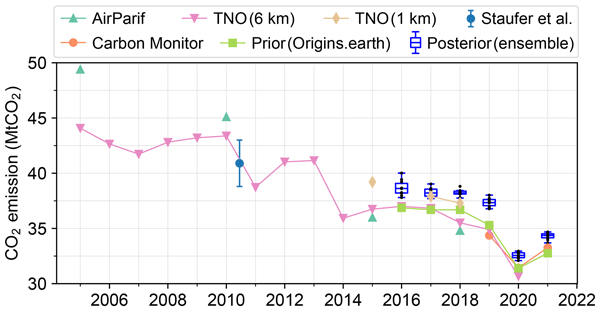
Jinghui Lian, Thomas Lauvaux, Hervé Utard, François-Marie Bréon, Grégoire Broquet, Michel Ramonet, Olivier Laurent, Ivonne Albarus, Mali Chariot, Simone Kotthaus, Martial Haeffelin, Olivier Sanchez, Olivier Perrussel, Hugo Anne Denier van der Gon, Stijn Nicolaas Camiel Dellaert, and Philippe Ciais
Atmos. Chem. Phys., 23, 8823–8835, https://doi.org/10.5194/acp-23-8823-2023, https://doi.org/10.5194/acp-23-8823-2023, 2023
Short summary
Short summary
This study quantifies urban CO2 emissions via an atmospheric inversion for the Paris metropolitan area over a 6-year period from 2016 to 2021. Results show a long-term decreasing trend of about 2 % ± 0.6 % per year in the annual CO2 emissions over Paris. We conclude that our current capacity can deliver near-real-time CO2 emission estimates at the city scale in under a month, and the results agree within 10 % with independent estimates from multiple city-scale inventories.
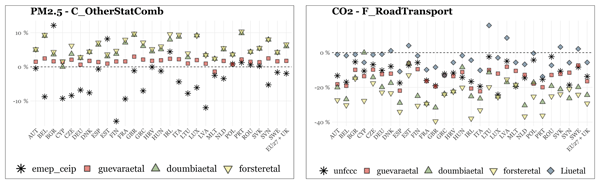
Marc Guevara, Hervé Petetin, Oriol Jorba, Hugo Denier van der Gon, Jeroen Kuenen, Ingrid Super, Claire Granier, Thierno Doumbia, Philippe Ciais, Zhu Liu, Robin D. Lamboll, Sabine Schindlbacher, Bradley Matthews, and Carlos Pérez García-Pando
Atmos. Chem. Phys., 23, 8081–8101, https://doi.org/10.5194/acp-23-8081-2023, https://doi.org/10.5194/acp-23-8081-2023, 2023
Short summary
Short summary
This study provides an intercomparison of European 2020 emission changes derived from official inventories, which are reported by countries under the framework of several international conventions and directives, and non-official near-real-time estimates, the use of which has significantly grown since the COVID-19 outbreak. The results of the work are used to produce recommendations on how best to approach and make use of near-real-time emissions for modelling and monitoring applications.
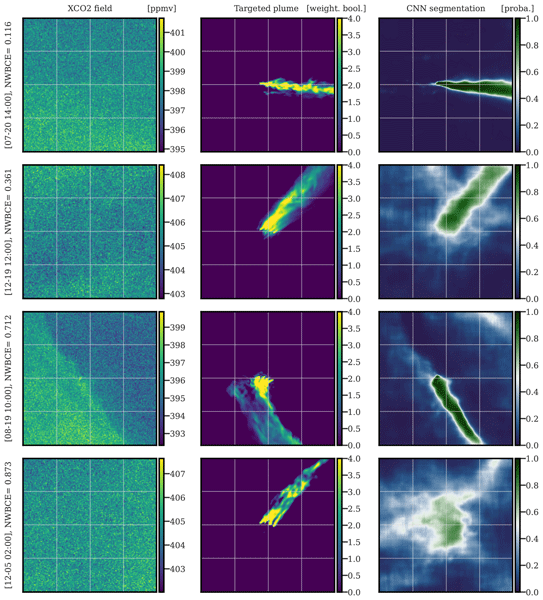
Joffrey Dumont Le Brazidec, Pierre Vanderbecken, Alban Farchi, Marc Bocquet, Jinghui Lian, Grégoire Broquet, Gerrit Kuhlmann, Alexandre Danjou, and Thomas Lauvaux
Geosci. Model Dev., 16, 3997–4016, https://doi.org/10.5194/gmd-16-3997-2023, https://doi.org/10.5194/gmd-16-3997-2023, 2023
Short summary
Short summary
Monitoring of CO2 emissions is key to the development of reduction policies. Local emissions, from cities or power plants, may be estimated from CO2 plumes detected in satellite images. CO2 plumes generally have a weak signal and are partially concealed by highly variable background concentrations and instrument errors, which hampers their detection. To address this problem, we propose and apply deep learning methods to detect the contour of a plume in simulated CO2 satellite images.
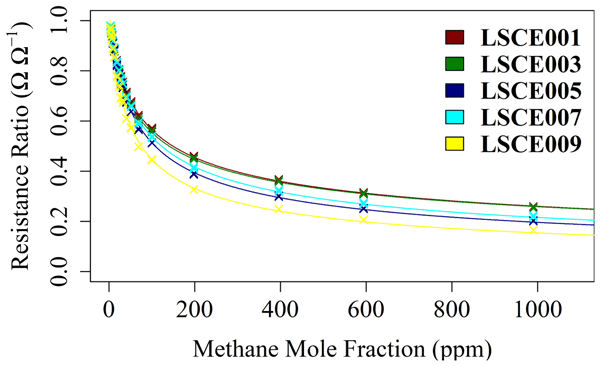
Adil Shah, Olivier Laurent, Luc Lienhardt, Grégoire Broquet, Rodrigo Rivera Martinez, Elisa Allegrini, and Philippe Ciais
Atmos. Meas. Tech., 16, 3391–3419, https://doi.org/10.5194/amt-16-3391-2023, https://doi.org/10.5194/amt-16-3391-2023, 2023
Short summary
Short summary
As methane (CH4) contributes to global warming, more CH4 measurements are required to better characterise source emissions. Hence, we tested a cheap CH4 sensor for 338 d of landfill sampling. We derived an excellent CH4 response model in a stable environment. However, different types of air with the same CH4 level had diverse sensor responses. We characterised temperature and water vapour response but could not replicate field sampling. Thus, other species may cause sensor interactions.
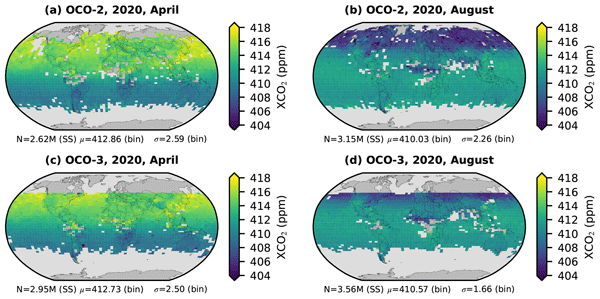
Thomas E. Taylor, Christopher W. O'Dell, David Baker, Carol Bruegge, Albert Chang, Lars Chapsky, Abhishek Chatterjee, Cecilia Cheng, Frédéric Chevallier, David Crisp, Lan Dang, Brian Drouin, Annmarie Eldering, Liang Feng, Brendan Fisher, Dejian Fu, Michael Gunson, Vance Haemmerle, Graziela R. Keller, Matthäus Kiel, Le Kuai, Thomas Kurosu, Alyn Lambert, Joshua Laughner, Richard Lee, Junjie Liu, Lucas Mandrake, Yuliya Marchetti, Gregory McGarragh, Aronne Merrelli, Robert R. Nelson, Greg Osterman, Fabiano Oyafuso, Paul I. Palmer, Vivienne H. Payne, Robert Rosenberg, Peter Somkuti, Gary Spiers, Cathy To, Brad Weir, Paul O. Wennberg, Shanshan Yu, and Jia Zong
Atmos. Meas. Tech., 16, 3173–3209, https://doi.org/10.5194/amt-16-3173-2023, https://doi.org/10.5194/amt-16-3173-2023, 2023
Short summary
Short summary
NASA's Orbiting Carbon Observatory 2 and 3 (OCO-2 and OCO-3, respectively) provide complementary spatiotemporal coverage from a sun-synchronous and precession orbit, respectively. Estimates of total column carbon dioxide (XCO2) derived from the two sensors using the same retrieval algorithm show broad consistency over a 2.5-year overlapping time record. This suggests that data from the two satellites may be used together for scientific analysis.
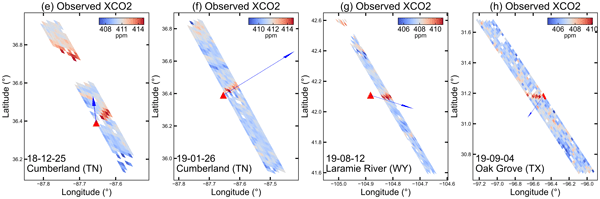
Xiaojuan Lin, Ronald van der A, Jos de Laat, Henk Eskes, Frédéric Chevallier, Philippe Ciais, Zhu Deng, Yuanhao Geng, Xuanren Song, Xiliang Ni, Da Huo, Xinyu Dou, and Zhu Liu
Atmos. Chem. Phys., 23, 6599–6611, https://doi.org/10.5194/acp-23-6599-2023, https://doi.org/10.5194/acp-23-6599-2023, 2023
Short summary
Short summary
Satellite observations provide evidence for CO2 emission signals from isolated power plants. We use these satellite observations to quantify emissions. We found that for power plants with multiple observations, the correlation of estimated and reported emissions is significantly improved compared to a single observation case. This demonstrates that accurate estimation of power plant emissions can be achieved by monitoring from future satellite missions with more frequent observations.
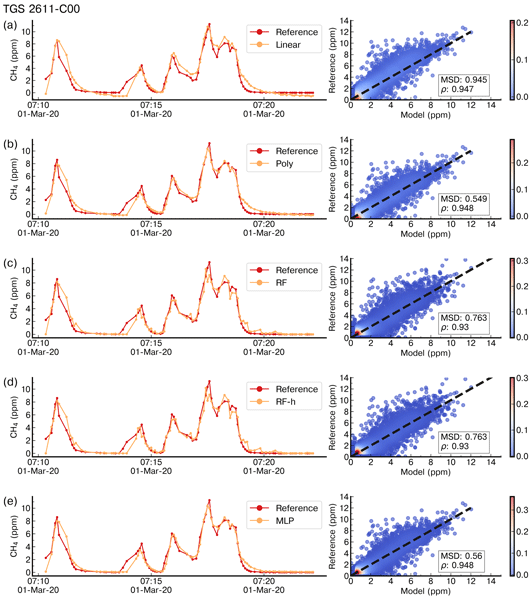
Rodrigo Andres Rivera Martinez, Diego Santaren, Olivier Laurent, Gregoire Broquet, Ford Cropley, Cécile Mallet, Michel Ramonet, Adil Shah, Leonard Rivier, Caroline Bouchet, Catherine Juery, Olivier Duclaux, and Philippe Ciais
Atmos. Meas. Tech., 16, 2209–2235, https://doi.org/10.5194/amt-16-2209-2023, https://doi.org/10.5194/amt-16-2209-2023, 2023
Short summary
Short summary
A network of low-cost sensors is a good alternative to improve the detection of fugitive CH4 emissions. We present the results of four tests conducted with two types of Figaro sensors that were assembled on four chambers in a laboratory experiment: a comparison of five models to reconstruct the CH4 signal, a strategy to reduce the training set size, a detection of age effects in the sensors and a test of the capability to transfer a model between chambers for the same type of sensor.
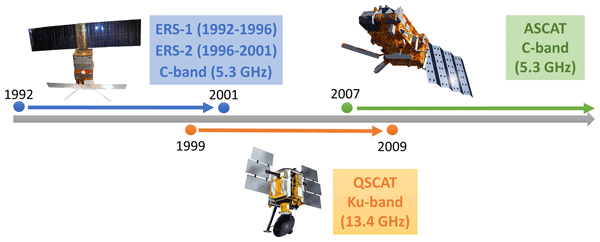
Shengli Tao, Zurui Ao, Jean-Pierre Wigneron, Sassan Saatchi, Philippe Ciais, Jérôme Chave, Thuy Le Toan, Pierre-Louis Frison, Xiaomei Hu, Chi Chen, Lei Fan, Mengjia Wang, Jiangling Zhu, Xia Zhao, Xiaojun Li, Xiangzhuo Liu, Yanjun Su, Tianyu Hu, Qinghua Guo, Zhiheng Wang, Zhiyao Tang, Yi Y. Liu, and Jingyun Fang
Earth Syst. Sci. Data, 15, 1577–1596, https://doi.org/10.5194/essd-15-1577-2023, https://doi.org/10.5194/essd-15-1577-2023, 2023
Short summary
Short summary
We provide the first long-term (since 1992), high-resolution (8.9 km) satellite radar backscatter data set (LHScat) with a C-band (5.3 GHz) signal dynamic for global lands. LHScat was created by fusing signals from ERS (1992–2001; C-band), QSCAT (1999–2009; Ku-band), and ASCAT (since 2007; C-band). LHScat has been validated against independent ERS-2 signals. It could be used in a variety of studies, such as vegetation monitoring and hydrological modelling.
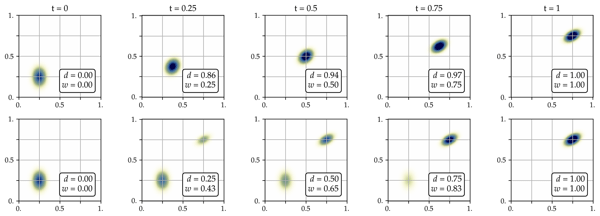
Pierre J. Vanderbecken, Joffrey Dumont Le Brazidec, Alban Farchi, Marc Bocquet, Yelva Roustan, Élise Potier, and Grégoire Broquet
Atmos. Meas. Tech., 16, 1745–1766, https://doi.org/10.5194/amt-16-1745-2023, https://doi.org/10.5194/amt-16-1745-2023, 2023
Short summary
Short summary
Instruments dedicated to monitoring atmospheric gaseous compounds from space will provide images of urban-scale plumes. We discuss here the use of new metrics to compare observed plumes with model predictions that will be less sensitive to meteorology uncertainties. We have evaluated our metrics on diverse plumes and shown that by eliminating some aspects of the discrepancies, they are indeed less sensitive to meteorological variations.

Cédric Bacour, Natasha MacBean, Frédéric Chevallier, Sébastien Léonard, Ernest N. Koffi, and Philippe Peylin
Biogeosciences, 20, 1089–1111, https://doi.org/10.5194/bg-20-1089-2023, https://doi.org/10.5194/bg-20-1089-2023, 2023
Short summary
Short summary
The impact of assimilating different dataset combinations on regional to global-scale C budgets is explored with the ORCHIDEE model. Assimilating simultaneously multiple datasets is preferable to optimize the values of the model parameters and avoid model overfitting. The challenges in constraining soil C disequilibrium using atmospheric CO2 data are highlighted for an accurate prediction of the land sink distribution.
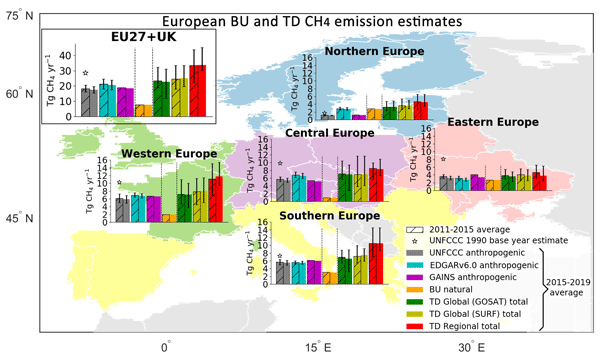
Ana Maria Roxana Petrescu, Chunjing Qiu, Matthew J. McGrath, Philippe Peylin, Glen P. Peters, Philippe Ciais, Rona L. Thompson, Aki Tsuruta, Dominik Brunner, Matthias Kuhnert, Bradley Matthews, Paul I. Palmer, Oksana Tarasova, Pierre Regnier, Ronny Lauerwald, David Bastviken, Lena Höglund-Isaksson, Wilfried Winiwarter, Giuseppe Etiope, Tuula Aalto, Gianpaolo Balsamo, Vladislav Bastrikov, Antoine Berchet, Patrick Brockmann, Giancarlo Ciotoli, Giulia Conchedda, Monica Crippa, Frank Dentener, Christine D. Groot Zwaaftink, Diego Guizzardi, Dirk Günther, Jean-Matthieu Haussaire, Sander Houweling, Greet Janssens-Maenhout, Massaer Kouyate, Adrian Leip, Antti Leppänen, Emanuele Lugato, Manon Maisonnier, Alistair J. Manning, Tiina Markkanen, Joe McNorton, Marilena Muntean, Gabriel D. Oreggioni, Prabir K. Patra, Lucia Perugini, Isabelle Pison, Maarit T. Raivonen, Marielle Saunois, Arjo J. Segers, Pete Smith, Efisio Solazzo, Hanqin Tian, Francesco N. Tubiello, Timo Vesala, Guido R. van der Werf, Chris Wilson, and Sönke Zaehle
Earth Syst. Sci. Data, 15, 1197–1268, https://doi.org/10.5194/essd-15-1197-2023, https://doi.org/10.5194/essd-15-1197-2023, 2023
Short summary
Short summary
This study updates the state-of-the-art scientific overview of CH4 and N2O emissions in the EU27 and UK in Petrescu et al. (2021a). Yearly updates are needed to improve the different respective approaches and to inform on the development of formal verification systems. It integrates the most recent emission inventories, process-based model and regional/global inversions, comparing them with UNFCCC national GHG inventories, in support to policy to facilitate real-time verification procedures.
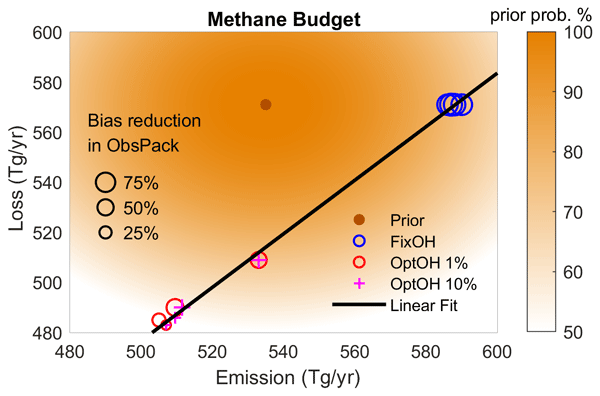
Xueying Yu, Dylan B. Millet, Daven K. Henze, Alexander J. Turner, Alba Lorente Delgado, A. Anthony Bloom, and Jianxiong Sheng
Atmos. Chem. Phys., 23, 3325–3346, https://doi.org/10.5194/acp-23-3325-2023, https://doi.org/10.5194/acp-23-3325-2023, 2023
Short summary
Short summary
We combine satellite measurements with a novel downscaling method to map global methane emissions at 0.1°×0.1° resolution. These fine-scale emission estimates reveal unreported emission hotspots and shed light on the roles of agriculture, wetlands, and fossil fuels for regional methane budgets. The satellite-derived emissions point in particular to missing fossil fuel emissions in the Middle East and to a large emission underestimate in South Asia that appears to be tied to monsoon rainfall.
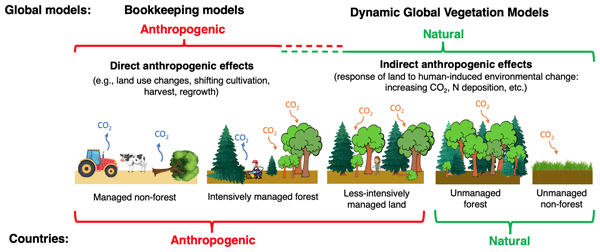
Giacomo Grassi, Clemens Schwingshackl, Thomas Gasser, Richard A. Houghton, Stephen Sitch, Josep G. Canadell, Alessandro Cescatti, Philippe Ciais, Sandro Federici, Pierre Friedlingstein, Werner A. Kurz, Maria J. Sanz Sanchez, Raúl Abad Viñas, Ramdane Alkama, Selma Bultan, Guido Ceccherini, Stefanie Falk, Etsushi Kato, Daniel Kennedy, Jürgen Knauer, Anu Korosuo, Joana Melo, Matthew J. McGrath, Julia E. M. S. Nabel, Benjamin Poulter, Anna A. Romanovskaya, Simone Rossi, Hanqin Tian, Anthony P. Walker, Wenping Yuan, Xu Yue, and Julia Pongratz
Earth Syst. Sci. Data, 15, 1093–1114, https://doi.org/10.5194/essd-15-1093-2023, https://doi.org/10.5194/essd-15-1093-2023, 2023
Short summary
Short summary
Striking differences exist in estimates of land-use CO2 fluxes between the national greenhouse gas inventories and the IPCC assessment reports. These differences hamper an accurate assessment of the collective progress under the Paris Agreement. By implementing an approach that conceptually reconciles land-use CO2 flux from national inventories and the global models used by the IPCC, our study is an important step forward for increasing confidence in land-use CO2 flux estimates.
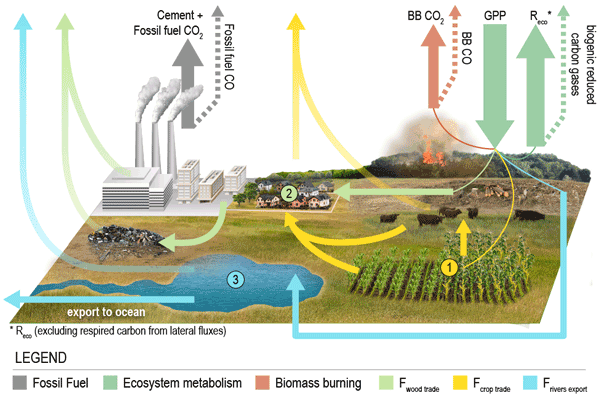
Brendan Byrne, David F. Baker, Sourish Basu, Michael Bertolacci, Kevin W. Bowman, Dustin Carroll, Abhishek Chatterjee, Frédéric Chevallier, Philippe Ciais, Noel Cressie, David Crisp, Sean Crowell, Feng Deng, Zhu Deng, Nicholas M. Deutscher, Manvendra K. Dubey, Sha Feng, Omaira E. García, David W. T. Griffith, Benedikt Herkommer, Lei Hu, Andrew R. Jacobson, Rajesh Janardanan, Sujong Jeong, Matthew S. Johnson, Dylan B. A. Jones, Rigel Kivi, Junjie Liu, Zhiqiang Liu, Shamil Maksyutov, John B. Miller, Scot M. Miller, Isamu Morino, Justus Notholt, Tomohiro Oda, Christopher W. O'Dell, Young-Suk Oh, Hirofumi Ohyama, Prabir K. Patra, Hélène Peiro, Christof Petri, Sajeev Philip, David F. Pollard, Benjamin Poulter, Marine Remaud, Andrew Schuh, Mahesh K. Sha, Kei Shiomi, Kimberly Strong, Colm Sweeney, Yao Té, Hanqin Tian, Voltaire A. Velazco, Mihalis Vrekoussis, Thorsten Warneke, John R. Worden, Debra Wunch, Yuanzhi Yao, Jeongmin Yun, Andrew Zammit-Mangion, and Ning Zeng
Earth Syst. Sci. Data, 15, 963–1004, https://doi.org/10.5194/essd-15-963-2023, https://doi.org/10.5194/essd-15-963-2023, 2023
Short summary
Short summary
Changes in the carbon stocks of terrestrial ecosystems result in emissions and removals of CO2. These can be driven by anthropogenic activities (e.g., deforestation), natural processes (e.g., fires) or in response to rising CO2 (e.g., CO2 fertilization). This paper describes a dataset of CO2 emissions and removals derived from atmospheric CO2 observations. This pilot dataset informs current capabilities and future developments towards top-down monitoring and verification systems.
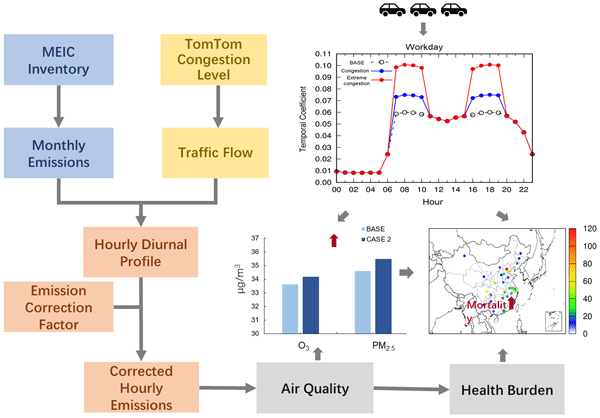
Peng Wang, Ruhan Zhang, Shida Sun, Meng Gao, Bo Zheng, Dan Zhang, Yanli Zhang, Gregory R. Carmichael, and Hongliang Zhang
Atmos. Chem. Phys., 23, 2983–2996, https://doi.org/10.5194/acp-23-2983-2023, https://doi.org/10.5194/acp-23-2983-2023, 2023
Short summary
Short summary
In China, the number of vehicles has jumped significantly in the last decade. This caused severe traffic congestion and aggravated air pollution. In this study, we developed a new temporal allocation approach to quantify the impacts of traffic congestion. We found that traffic congestion worsens air quality and the health burden across China, especially in the urban clusters. More effective and comprehensive vehicle emission control policies should be implemented to improve air quality in China.
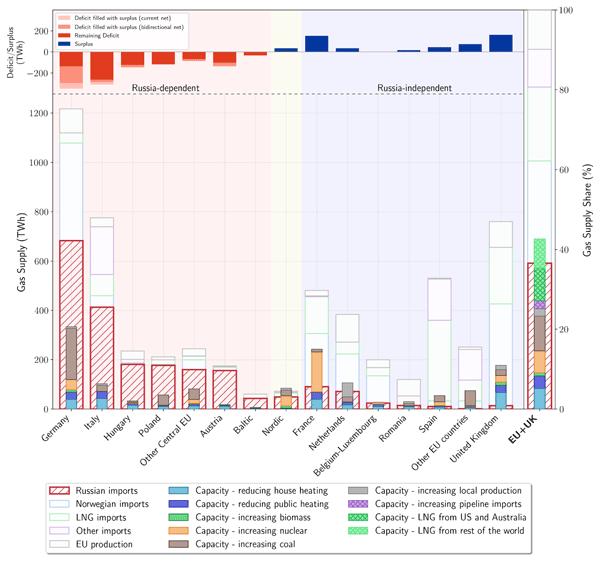
Chuanlong Zhou, Biqing Zhu, Steven J. Davis, Zhu Liu, Antoine Halff, Simon Ben Arous, Hugo de Almeida Rodrigues, and Philippe Ciais
Earth Syst. Sci. Data, 15, 949–961, https://doi.org/10.5194/essd-15-949-2023, https://doi.org/10.5194/essd-15-949-2023, 2023
Short summary
Short summary
Our work aims to analyze sectoral and country-based daily natural gas supply–storage–consumption based on ENTSOG, Eurostat, and multiple datasets in the EU27 and UK. We estimated the magnitude of the Russian gas gap if Russian gas imports were to stop as well as potential short-term solutions to fill this gap. Our datasets could be important in various fields, such as gas/energy consumption and market modeling, carbon emission and climate change research, and policy decision-making.
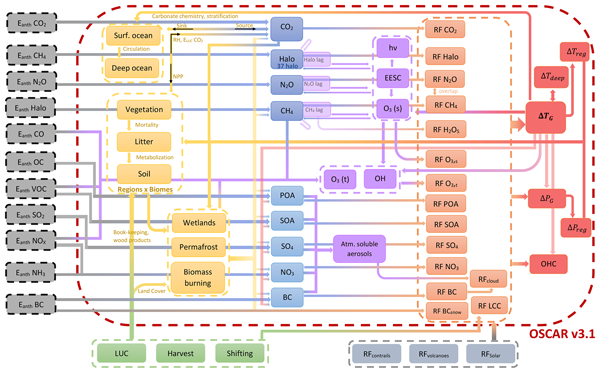
Yann Quilcaille, Thomas Gasser, Philippe Ciais, and Olivier Boucher
Geosci. Model Dev., 16, 1129–1161, https://doi.org/10.5194/gmd-16-1129-2023, https://doi.org/10.5194/gmd-16-1129-2023, 2023
Short summary
Short summary
The model OSCAR is a simple climate model, meaning its representation of the Earth system is simplified but calibrated on models of higher complexity. Here, we diagnose its latest version using a total of 99 experiments in a probabilistic framework and under observational constraints. OSCAR v3.1 shows good agreement with observations, complex Earth system models and emerging properties. Some points for improvements are identified, such as the ocean carbon cycle.
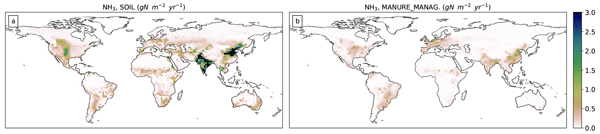
Maureen Beaudor, Nicolas Vuichard, Juliette Lathière, Nikolaos Evangeliou, Martin Van Damme, Lieven Clarisse, and Didier Hauglustaine
Geosci. Model Dev., 16, 1053–1081, https://doi.org/10.5194/gmd-16-1053-2023, https://doi.org/10.5194/gmd-16-1053-2023, 2023
Short summary
Short summary
Ammonia mainly comes from the agricultural sector, and its volatilization relies on environmental variables. Our approach aims at benefiting from an Earth system model framework to estimate it. By doing so, we represent a consistent spatial distribution of the emissions' response to environmental changes.
We greatly improved the seasonal cycle of emissions compared with previous work. In addition, our model includes natural soil emissions (that are rarely represented in modeling approaches).

Yuanhong Zhao, Marielle Saunois, Philippe Bousquet, Xin Lin, Michaela I. Hegglin, Josep G. Canadell, Robert B. Jackson, and Bo Zheng
Atmos. Chem. Phys., 23, 789–807, https://doi.org/10.5194/acp-23-789-2023, https://doi.org/10.5194/acp-23-789-2023, 2023
Short summary
Short summary
The large uncertainties in OH simulated by atmospheric chemistry models hinder accurate estimates of CH4 chemical loss through the bottom-up method. This study presents a new approach based on OH precursor observations and a chemical box model to improve the tropospheric OH distributions simulated by atmospheric chemistry models. Through this approach, both the global OH burden and the corresponding methane chemical loss reach consistency with the top-down method based on MCF inversions.
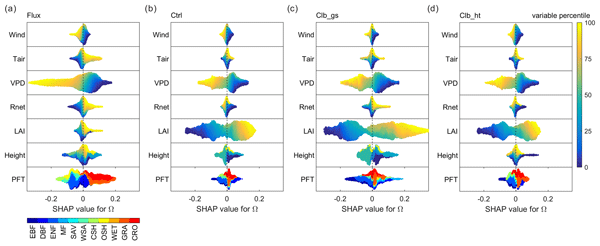
Yuan Zhang, Devaraju Narayanappa, Philippe Ciais, Wei Li, Daniel Goll, Nicolas Vuichard, Martin G. De Kauwe, Laurent Li, and Fabienne Maignan
Geosci. Model Dev., 15, 9111–9125, https://doi.org/10.5194/gmd-15-9111-2022, https://doi.org/10.5194/gmd-15-9111-2022, 2022
Short summary
Short summary
There are a few studies to examine if current models correctly represented the complex processes of transpiration. Here, we use a coefficient Ω, which indicates if transpiration is mainly controlled by vegetation processes or by turbulence, to evaluate the ORCHIDEE model. We found a good performance of ORCHIDEE, but due to compensation of biases in different processes, we also identified how different factors control Ω and where the model is wrong. Our method is generic to evaluate other models.
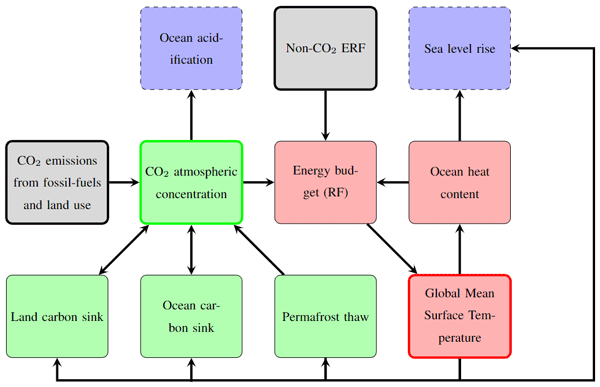
Thomas Bossy, Thomas Gasser, and Philippe Ciais
Geosci. Model Dev., 15, 8831–8868, https://doi.org/10.5194/gmd-15-8831-2022, https://doi.org/10.5194/gmd-15-8831-2022, 2022
Short summary
Short summary
We developed a new simple climate model designed to fill a perceived gap within the existing simple climate models by fulfilling three key requirements: calibration using Bayesian inference, the possibility of coupling with integrated assessment models, and the capacity to explore climate scenarios compatible with limiting climate impacts. Here, we describe the model and its calibration using the latest data from complex CMIP6 models and the IPCC AR6, and we assess its performance.
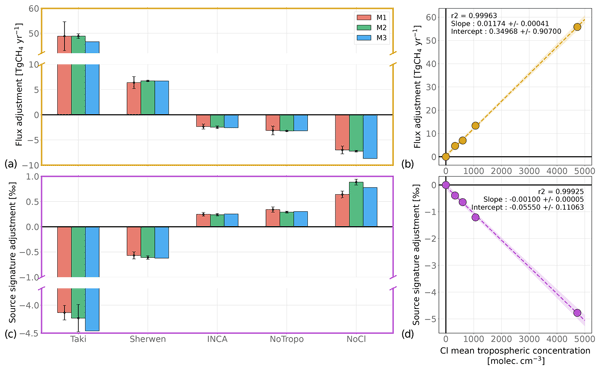
Joël Thanwerdas, Marielle Saunois, Isabelle Pison, Didier Hauglustaine, Antoine Berchet, Bianca Baier, Colm Sweeney, and Philippe Bousquet
Atmos. Chem. Phys., 22, 15489–15508, https://doi.org/10.5194/acp-22-15489-2022, https://doi.org/10.5194/acp-22-15489-2022, 2022
Short summary
Short summary
Atmospheric methane (CH4) concentrations have been rising since 2007, resulting from an imbalance between CH4 sources and sinks. The CH4 budget is generally estimated through top-down approaches using CH4 and δ13C(CH4) observations as constraints. The oxidation by chlorine (Cl) contributes little to the total oxidation of CH4 but strongly influences δ13C(CH4). Here, we compare multiple recent Cl fields and quantify the influence of Cl concentrations on CH4, δ13C(CH4), and CH4 budget estimates.
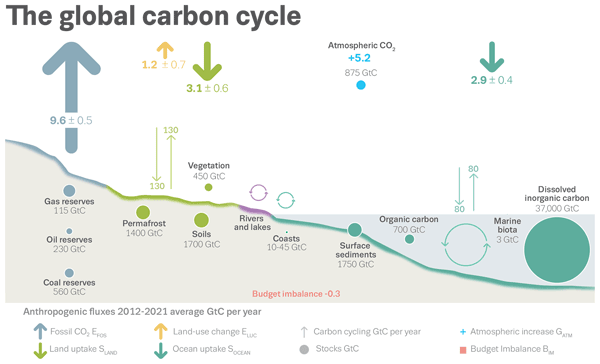
Pierre Friedlingstein, Michael O'Sullivan, Matthew W. Jones, Robbie M. Andrew, Luke Gregor, Judith Hauck, Corinne Le Quéré, Ingrid T. Luijkx, Are Olsen, Glen P. Peters, Wouter Peters, Julia Pongratz, Clemens Schwingshackl, Stephen Sitch, Josep G. Canadell, Philippe Ciais, Robert B. Jackson, Simone R. Alin, Ramdane Alkama, Almut Arneth, Vivek K. Arora, Nicholas R. Bates, Meike Becker, Nicolas Bellouin, Henry C. Bittig, Laurent Bopp, Frédéric Chevallier, Louise P. Chini, Margot Cronin, Wiley Evans, Stefanie Falk, Richard A. Feely, Thomas Gasser, Marion Gehlen, Thanos Gkritzalis, Lucas Gloege, Giacomo Grassi, Nicolas Gruber, Özgür Gürses, Ian Harris, Matthew Hefner, Richard A. Houghton, George C. Hurtt, Yosuke Iida, Tatiana Ilyina, Atul K. Jain, Annika Jersild, Koji Kadono, Etsushi Kato, Daniel Kennedy, Kees Klein Goldewijk, Jürgen Knauer, Jan Ivar Korsbakken, Peter Landschützer, Nathalie Lefèvre, Keith Lindsay, Junjie Liu, Zhu Liu, Gregg Marland, Nicolas Mayot, Matthew J. McGrath, Nicolas Metzl, Natalie M. Monacci, David R. Munro, Shin-Ichiro Nakaoka, Yosuke Niwa, Kevin O'Brien, Tsuneo Ono, Paul I. Palmer, Naiqing Pan, Denis Pierrot, Katie Pocock, Benjamin Poulter, Laure Resplandy, Eddy Robertson, Christian Rödenbeck, Carmen Rodriguez, Thais M. Rosan, Jörg Schwinger, Roland Séférian, Jamie D. Shutler, Ingunn Skjelvan, Tobias Steinhoff, Qing Sun, Adrienne J. Sutton, Colm Sweeney, Shintaro Takao, Toste Tanhua, Pieter P. Tans, Xiangjun Tian, Hanqin Tian, Bronte Tilbrook, Hiroyuki Tsujino, Francesco Tubiello, Guido R. van der Werf, Anthony P. Walker, Rik Wanninkhof, Chris Whitehead, Anna Willstrand Wranne, Rebecca Wright, Wenping Yuan, Chao Yue, Xu Yue, Sönke Zaehle, Jiye Zeng, and Bo Zheng
Earth Syst. Sci. Data, 14, 4811–4900, https://doi.org/10.5194/essd-14-4811-2022, https://doi.org/10.5194/essd-14-4811-2022, 2022
Short summary
Short summary
The Global Carbon Budget 2022 describes the datasets and methodology used to quantify the anthropogenic emissions of carbon dioxide (CO2) and their partitioning among the atmosphere, the land ecosystems, and the ocean. These living datasets are updated every year to provide the highest transparency and traceability in the reporting of CO2, the key driver of climate change.

Johannes Pletzer, Didier Hauglustaine, Yann Cohen, Patrick Jöckel, and Volker Grewe
Atmos. Chem. Phys., 22, 14323–14354, https://doi.org/10.5194/acp-22-14323-2022, https://doi.org/10.5194/acp-22-14323-2022, 2022
Short summary
Short summary
Very fast aircraft can travel long distances in extremely short times and can fly at high altitudes (15 to 35 km). These aircraft emit water vapour, nitrogen oxides, and hydrogen. Water vapour emissions remain for months to several years at these altitudes and have an important impact on temperature. We investigate two aircraft fleets flying at 26 and 35 km. Ozone is depleted more, and the water vapour perturbation and temperature change are larger for the aircraft flying at 35 km.
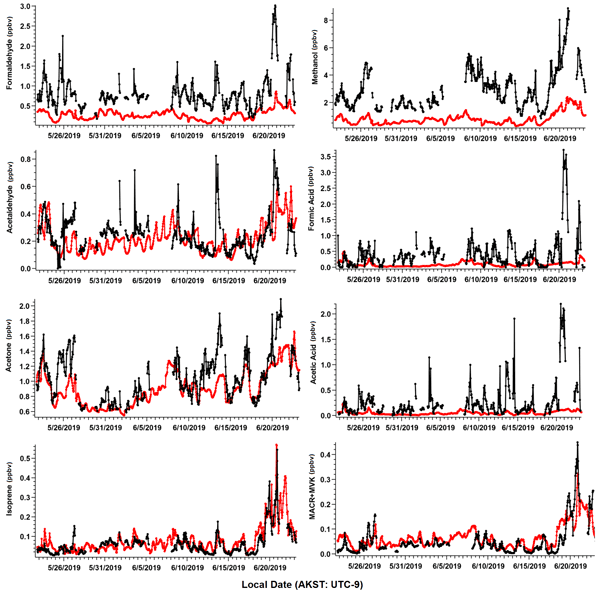
Vanessa Selimovic, Damien Ketcherside, Sreelekha Chaliyakunnel, Catherine Wielgasz, Wade Permar, Hélène Angot, Dylan B. Millet, Alan Fried, Detlev Helmig, and Lu Hu
Atmos. Chem. Phys., 22, 14037–14058, https://doi.org/10.5194/acp-22-14037-2022, https://doi.org/10.5194/acp-22-14037-2022, 2022
Short summary
Short summary
Arctic warming has led to an increase in plants that emit gases in response to stress, but how these gases affect regional chemistry is largely unknown due to lack of observational data. Here we present the most comprehensive gas-phase measurements for this area to date and compare them to predictions from a global transport model. We report 78 gas-phase species and investigate their importance to atmospheric chemistry in the area, with broader implications for similar plant types.

Yitong Yao, Emilie Joetzjer, Philippe Ciais, Nicolas Viovy, Fabio Cresto Aleina, Jerome Chave, Lawren Sack, Megan Bartlett, Patrick Meir, Rosie Fisher, and Sebastiaan Luyssaert
Geosci. Model Dev., 15, 7809–7833, https://doi.org/10.5194/gmd-15-7809-2022, https://doi.org/10.5194/gmd-15-7809-2022, 2022
Short summary
Short summary
To facilitate more mechanistic modeling of drought effects on forest dynamics, our study implements a hydraulic module to simulate the vertical water flow, change in water storage and percentage loss of stem conductance (PLC). With the relationship between PLC and tree mortality, our model can successfully reproduce the large biomass drop observed under throughfall exclusion. Our hydraulic module provides promising avenues benefiting the prediction for mortality under future drought events.
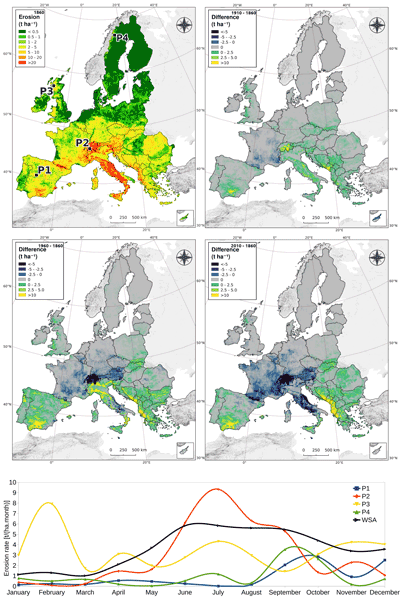
Arthur Nicolaus Fendrich, Philippe Ciais, Emanuele Lugato, Marco Carozzi, Bertrand Guenet, Pasquale Borrelli, Victoria Naipal, Matthew McGrath, Philippe Martin, and Panos Panagos
Geosci. Model Dev., 15, 7835–7857, https://doi.org/10.5194/gmd-15-7835-2022, https://doi.org/10.5194/gmd-15-7835-2022, 2022
Short summary
Short summary
Currently, spatially explicit models for soil carbon stock can simulate the impacts of several changes. However, they do not incorporate the erosion, lateral transport, and deposition (ETD) of soil material. The present work developed ETD formulation, illustrated model calibration and validation for Europe, and presented the results for a depositional site. We expect that our work advances ETD models' description and facilitates their reproduction and incorporation in land surface models.
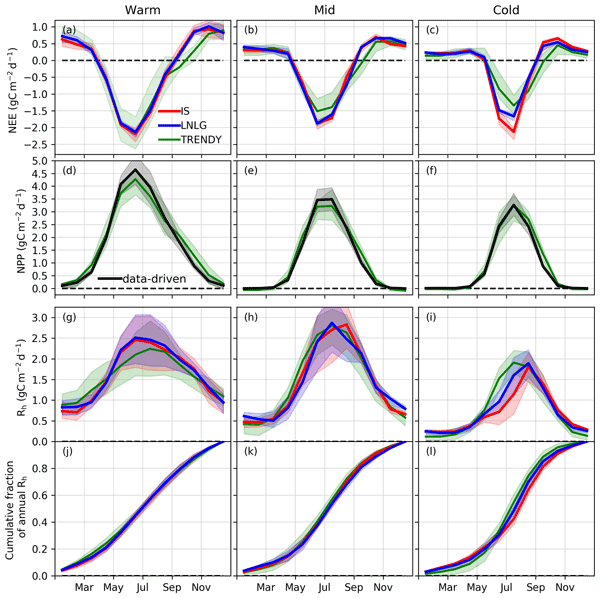
Brendan Byrne, Junjie Liu, Yonghong Yi, Abhishek Chatterjee, Sourish Basu, Rui Cheng, Russell Doughty, Frédéric Chevallier, Kevin W. Bowman, Nicholas C. Parazoo, David Crisp, Xing Li, Jingfeng Xiao, Stephen Sitch, Bertrand Guenet, Feng Deng, Matthew S. Johnson, Sajeev Philip, Patrick C. McGuire, and Charles E. Miller
Biogeosciences, 19, 4779–4799, https://doi.org/10.5194/bg-19-4779-2022, https://doi.org/10.5194/bg-19-4779-2022, 2022
Short summary
Short summary
Plants draw CO2 from the atmosphere during the growing season, while respiration releases CO2 to the atmosphere throughout the year, driving seasonal variations in atmospheric CO2 that can be observed by satellites, such as the Orbiting Carbon Observatory 2 (OCO-2). Using OCO-2 XCO2 data and space-based constraints on plant growth, we show that permafrost-rich northeast Eurasia has a strong seasonal release of CO2 during the autumn, hinting at an unexpectedly large respiration signal from soils.
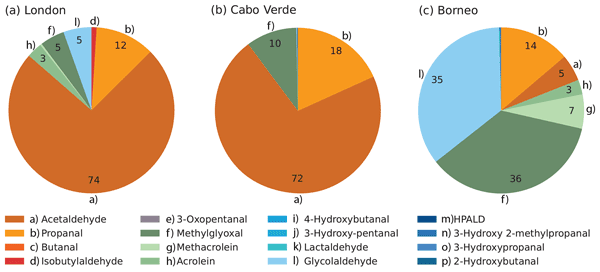
Maria Paula Pérez-Peña, Jenny A. Fisher, Dylan B. Millet, Hisashi Yashiro, Ray L. Langenfelds, Paul B. Krummel, and Scott H. Kable
Atmos. Chem. Phys., 22, 12367–12386, https://doi.org/10.5194/acp-22-12367-2022, https://doi.org/10.5194/acp-22-12367-2022, 2022
Short summary
Short summary
We used two atmospheric models to test the implications of previously unexplored aldehyde photochemistry on the atmospheric levels of molecular hydrogen (H2). We showed that the new photochemistry from aldehydes produces more H2 over densely forested areas. Compared to the rest of the world, it is over these forested regions where the produced H2 is more likely to be removed. The results highlight that other processes that contribute to atmospheric H2 levels should be studied further.
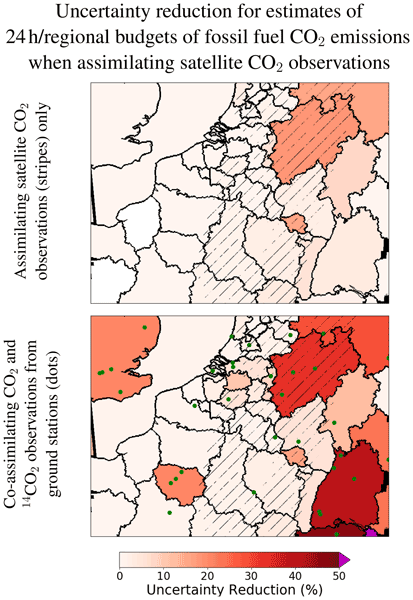
Elise Potier, Grégoire Broquet, Yilong Wang, Diego Santaren, Antoine Berchet, Isabelle Pison, Julia Marshall, Philippe Ciais, François-Marie Bréon, and Frédéric Chevallier
Atmos. Meas. Tech., 15, 5261–5288, https://doi.org/10.5194/amt-15-5261-2022, https://doi.org/10.5194/amt-15-5261-2022, 2022
Short summary
Short summary
Atmospheric inversion at local–regional scales over Europe and pseudo-data assimilation are used to evaluate how CO2 and 14CO2 ground-based measurement networks could complement satellite CO2 imagers to monitor fossil fuel (FF) CO2 emissions. This combination significantly improves precision in the FF emission estimates in areas with a dense network but does not strongly support the separation of the FF from the biogenic signals or the spatio-temporal extrapolation of the satellite information.
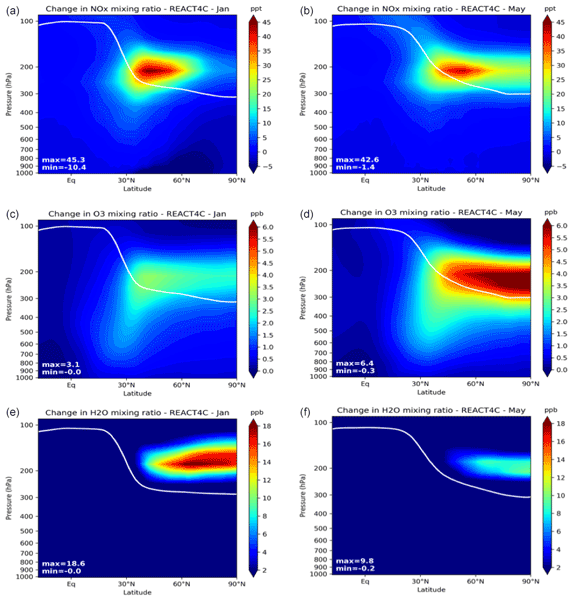
Etienne Terrenoire, Didier A. Hauglustaine, Yann Cohen, Anne Cozic, Richard Valorso, Franck Lefèvre, and Sigrun Matthes
Atmos. Chem. Phys., 22, 11987–12023, https://doi.org/10.5194/acp-22-11987-2022, https://doi.org/10.5194/acp-22-11987-2022, 2022
Short summary
Short summary
Aviation NOx emissions not only have an impact on global climate by changing ozone and methane levels in the atmosphere, but also contribute to the deterioration of local air quality. The LMDZ-INCA global model is applied to re-evaluate the impact of aircraft NOx and aerosol emissions on climate. We investigate the impact of present-day and future (2050) aircraft emissions on atmospheric composition and the associated radiative forcings of climate for ozone, methane and aerosol direct forcings.
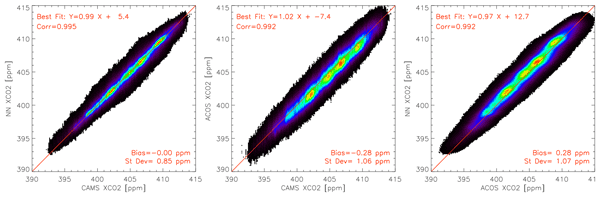
François-Marie Bréon, Leslie David, Pierre Chatelanaz, and Frédéric Chevallier
Atmos. Meas. Tech., 15, 5219–5234, https://doi.org/10.5194/amt-15-5219-2022, https://doi.org/10.5194/amt-15-5219-2022, 2022
Short summary
Short summary
The estimate of atmospheric CO2 from space measurement is difficult. Current methods are based on a detailed description of the atmospheric radiative transfer. These are affected by significant biases and errors and are very computer intensive. Instead we have proposed using a neural network approach. A first attempt led to confusing results. Here we provide an interpretation for these results and describe a new version that leads to high-quality estimates.
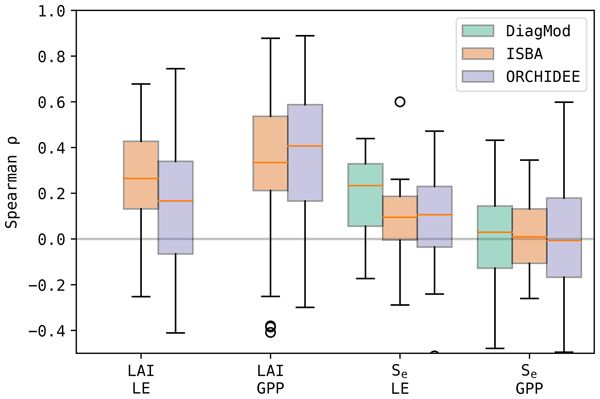
Jan De Pue, José Miguel Barrios, Liyang Liu, Philippe Ciais, Alirio Arboleda, Rafiq Hamdi, Manuela Balzarolo, Fabienne Maignan, and Françoise Gellens-Meulenberghs
Biogeosciences, 19, 4361–4386, https://doi.org/10.5194/bg-19-4361-2022, https://doi.org/10.5194/bg-19-4361-2022, 2022
Short summary
Short summary
The functioning of ecosystems involves numerous biophysical processes which interact with each other. Land surface models (LSMs) are used to describe these processes and form an essential component of climate models. In this paper, we evaluate the performance of three LSMs and their interactions with soil moisture and vegetation. Though we found room for improvement in the simulation of soil moisture and drought stress, the main cause of errors was related to the simulated growth of vegetation.
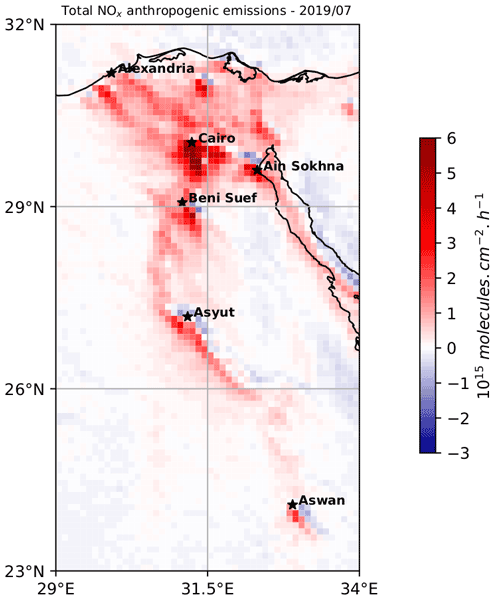
Anthony Rey-Pommier, Frédéric Chevallier, Philippe Ciais, Grégoire Broquet, Theodoros Christoudias, Jonilda Kushta, Didier Hauglustaine, and Jean Sciare
Atmos. Chem. Phys., 22, 11505–11527, https://doi.org/10.5194/acp-22-11505-2022, https://doi.org/10.5194/acp-22-11505-2022, 2022
Short summary
Short summary
Emission inventories for air pollutants can be uncertain in developing countries. In order to overcome these uncertainties, we model nitrogen oxide emissions in Egypt using satellite retrievals. We detect a weekly cycle reflecting Egyptian social norms, an annual cycle consistent with electricity consumption and an activity drop due to the COVID-19 pandemic. However, discrepancies with inventories remain high, illustrating the needs for additional data to improve the potential of our method.
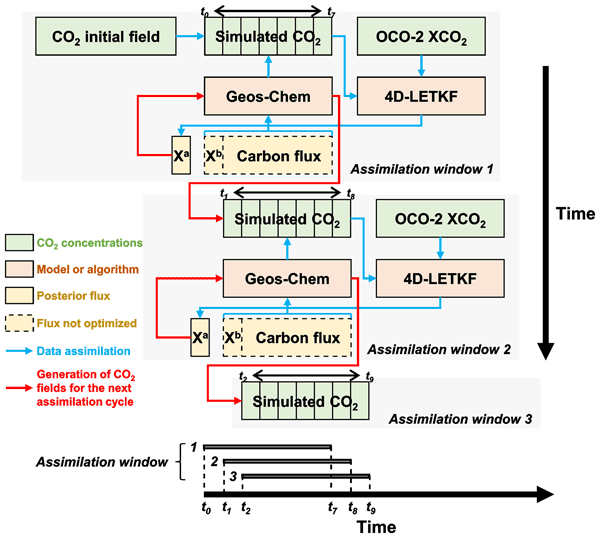
Yawen Kong, Bo Zheng, Qiang Zhang, and Kebin He
Atmos. Chem. Phys., 22, 10769–10788, https://doi.org/10.5194/acp-22-10769-2022, https://doi.org/10.5194/acp-22-10769-2022, 2022
Short summary
Short summary
We developed a Bayesian atmospheric inversion system based on the 4D local ensemble transform Kalman filter (4D-LETKF) algorithm coupled with GEOS-Chem from the latest Orbiting Carbon Observatory-2 (OCO-2) V10r XCO2 retrievals. This is the first adaptation of 4D-LETKF to an OCO-2-based global carbon inversion system. We inferred global gridded carbon fluxes and investigated their magnitudes, variations, and partitioning schemes to understand the global and regional carbon budgets for 2015–2020.
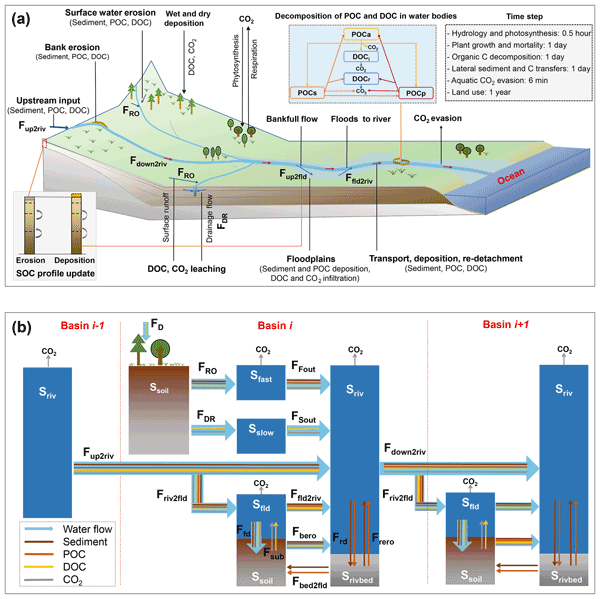
Haicheng Zhang, Ronny Lauerwald, Pierre Regnier, Philippe Ciais, Kristof Van Oost, Victoria Naipal, Bertrand Guenet, and Wenping Yuan
Earth Syst. Dynam., 13, 1119–1144, https://doi.org/10.5194/esd-13-1119-2022, https://doi.org/10.5194/esd-13-1119-2022, 2022
Short summary
Short summary
We present a land surface model which can simulate the complete lateral transfer of sediment and carbon from land to ocean through rivers. Our model captures the water, sediment, and organic carbon discharges in European rivers well. Application of our model in Europe indicates that lateral carbon transfer can strongly change regional land carbon budgets by affecting organic carbon distribution and soil moisture.
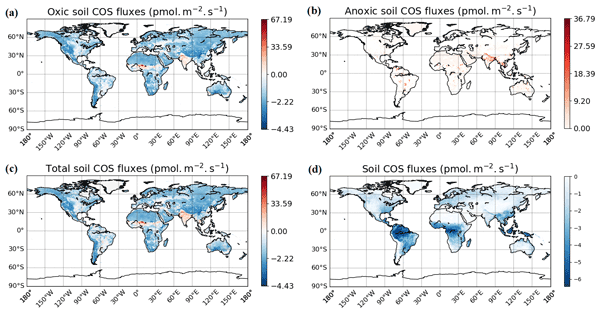
Camille Abadie, Fabienne Maignan, Marine Remaud, Jérôme Ogée, J. Elliott Campbell, Mary E. Whelan, Florian Kitz, Felix M. Spielmann, Georg Wohlfahrt, Richard Wehr, Wu Sun, Nina Raoult, Ulli Seibt, Didier Hauglustaine, Sinikka T. Lennartz, Sauveur Belviso, David Montagne, and Philippe Peylin
Biogeosciences, 19, 2427–2463, https://doi.org/10.5194/bg-19-2427-2022, https://doi.org/10.5194/bg-19-2427-2022, 2022
Short summary
Short summary
A better constraint of the components of the carbonyl sulfide (COS) global budget is needed to exploit its potential as a proxy of gross primary productivity. In this study, we compare two representations of oxic soil COS fluxes, and we develop an approach to represent anoxic soil COS fluxes in a land surface model. We show the importance of atmospheric COS concentration variations on oxic soil COS fluxes and provide new estimates for oxic and anoxic soil contributions to the COS global budget.
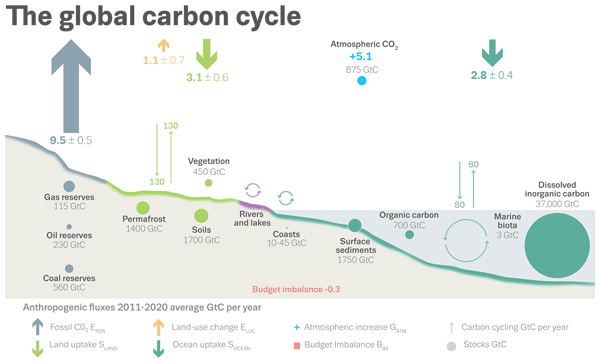
Pierre Friedlingstein, Matthew W. Jones, Michael O'Sullivan, Robbie M. Andrew, Dorothee C. E. Bakker, Judith Hauck, Corinne Le Quéré, Glen P. Peters, Wouter Peters, Julia Pongratz, Stephen Sitch, Josep G. Canadell, Philippe Ciais, Rob B. Jackson, Simone R. Alin, Peter Anthoni, Nicholas R. Bates, Meike Becker, Nicolas Bellouin, Laurent Bopp, Thi Tuyet Trang Chau, Frédéric Chevallier, Louise P. Chini, Margot Cronin, Kim I. Currie, Bertrand Decharme, Laique M. Djeutchouang, Xinyu Dou, Wiley Evans, Richard A. Feely, Liang Feng, Thomas Gasser, Dennis Gilfillan, Thanos Gkritzalis, Giacomo Grassi, Luke Gregor, Nicolas Gruber, Özgür Gürses, Ian Harris, Richard A. Houghton, George C. Hurtt, Yosuke Iida, Tatiana Ilyina, Ingrid T. Luijkx, Atul Jain, Steve D. Jones, Etsushi Kato, Daniel Kennedy, Kees Klein Goldewijk, Jürgen Knauer, Jan Ivar Korsbakken, Arne Körtzinger, Peter Landschützer, Siv K. Lauvset, Nathalie Lefèvre, Sebastian Lienert, Junjie Liu, Gregg Marland, Patrick C. McGuire, Joe R. Melton, David R. Munro, Julia E. M. S. Nabel, Shin-Ichiro Nakaoka, Yosuke Niwa, Tsuneo Ono, Denis Pierrot, Benjamin Poulter, Gregor Rehder, Laure Resplandy, Eddy Robertson, Christian Rödenbeck, Thais M. Rosan, Jörg Schwinger, Clemens Schwingshackl, Roland Séférian, Adrienne J. Sutton, Colm Sweeney, Toste Tanhua, Pieter P. Tans, Hanqin Tian, Bronte Tilbrook, Francesco Tubiello, Guido R. van der Werf, Nicolas Vuichard, Chisato Wada, Rik Wanninkhof, Andrew J. Watson, David Willis, Andrew J. Wiltshire, Wenping Yuan, Chao Yue, Xu Yue, Sönke Zaehle, and Jiye Zeng
Earth Syst. Sci. Data, 14, 1917–2005, https://doi.org/10.5194/essd-14-1917-2022, https://doi.org/10.5194/essd-14-1917-2022, 2022
Short summary
Short summary
The Global Carbon Budget 2021 describes the data sets and methodology used to quantify the emissions of carbon dioxide and their partitioning among the atmosphere, land, and ocean. These living data are updated every year to provide the highest transparency and traceability in the reporting of CO2, the key driver of climate change.
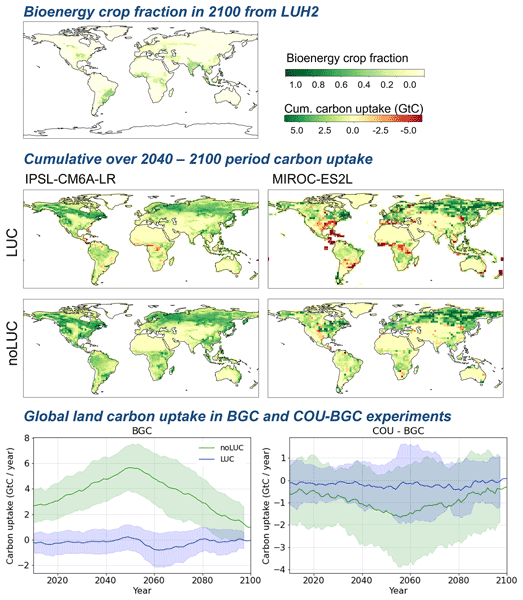
Irina Melnikova, Olivier Boucher, Patricia Cadule, Katsumasa Tanaka, Thomas Gasser, Tomohiro Hajima, Yann Quilcaille, Hideo Shiogama, Roland Séférian, Kaoru Tachiiri, Nicolas Vuichard, Tokuta Yokohata, and Philippe Ciais
Earth Syst. Dynam., 13, 779–794, https://doi.org/10.5194/esd-13-779-2022, https://doi.org/10.5194/esd-13-779-2022, 2022
Short summary
Short summary
The deployment of bioenergy crops for capturing carbon from the atmosphere facilitates global warming mitigation via generating negative CO2 emissions. Here, we explored the consequences of large-scale energy crops deployment on the land carbon cycle. The land-use change for energy crops leads to carbon emissions and loss of future potential increase in carbon uptake by natural ecosystems. This impact should be taken into account by the modeling teams and accounted for in mitigation policies.
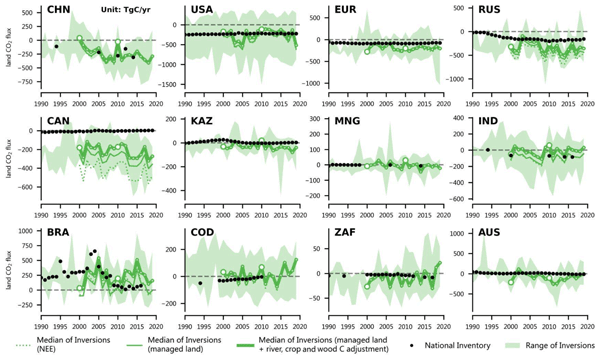
Zhu Deng, Philippe Ciais, Zitely A. Tzompa-Sosa, Marielle Saunois, Chunjing Qiu, Chang Tan, Taochun Sun, Piyu Ke, Yanan Cui, Katsumasa Tanaka, Xin Lin, Rona L. Thompson, Hanqin Tian, Yuanzhi Yao, Yuanyuan Huang, Ronny Lauerwald, Atul K. Jain, Xiaoming Xu, Ana Bastos, Stephen Sitch, Paul I. Palmer, Thomas Lauvaux, Alexandre d'Aspremont, Clément Giron, Antoine Benoit, Benjamin Poulter, Jinfeng Chang, Ana Maria Roxana Petrescu, Steven J. Davis, Zhu Liu, Giacomo Grassi, Clément Albergel, Francesco N. Tubiello, Lucia Perugini, Wouter Peters, and Frédéric Chevallier
Earth Syst. Sci. Data, 14, 1639–1675, https://doi.org/10.5194/essd-14-1639-2022, https://doi.org/10.5194/essd-14-1639-2022, 2022
Short summary
Short summary
In support of the global stocktake of the Paris Agreement on climate change, we proposed a method for reconciling the results of global atmospheric inversions with data from UNFCCC national greenhouse gas inventories (NGHGIs). Here, based on a new global harmonized database that we compiled from the UNFCCC NGHGIs and a comprehensive framework presented in this study to process the results of inversions, we compared their results of carbon dioxide (CO2), methane (CH4), and nitrous oxide (N2O).
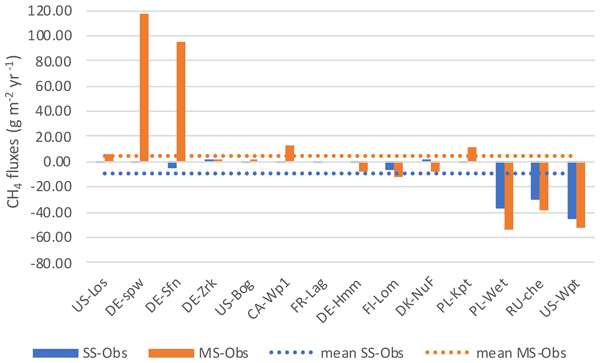
Elodie Salmon, Fabrice Jégou, Bertrand Guenet, Line Jourdain, Chunjing Qiu, Vladislav Bastrikov, Christophe Guimbaud, Dan Zhu, Philippe Ciais, Philippe Peylin, Sébastien Gogo, Fatima Laggoun-Défarge, Mika Aurela, M. Syndonia Bret-Harte, Jiquan Chen, Bogdan H. Chojnicki, Housen Chu, Colin W. Edgar, Eugenie S. Euskirchen, Lawrence B. Flanagan, Krzysztof Fortuniak, David Holl, Janina Klatt, Olaf Kolle, Natalia Kowalska, Lars Kutzbach, Annalea Lohila, Lutz Merbold, Włodzimierz Pawlak, Torsten Sachs, and Klaudia Ziemblińska
Geosci. Model Dev., 15, 2813–2838, https://doi.org/10.5194/gmd-15-2813-2022, https://doi.org/10.5194/gmd-15-2813-2022, 2022
Short summary
Short summary
A methane model that features methane production and transport by plants, the ebullition process and diffusion in soil, oxidation to CO2, and CH4 fluxes to the atmosphere has been embedded in the ORCHIDEE-PEAT land surface model, which includes an explicit representation of northern peatlands. This model, ORCHIDEE-PCH4, was calibrated and evaluated on 14 peatland sites. Results show that the model is sensitive to temperature and substrate availability over the top 75 cm of soil depth.
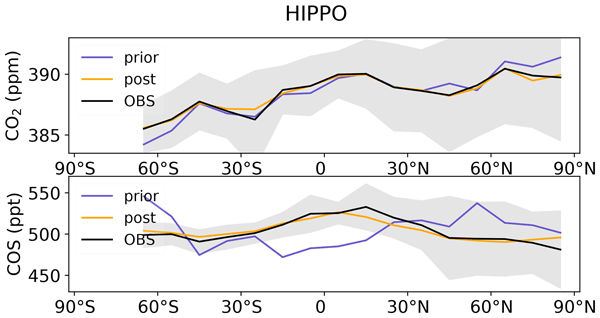
Marine Remaud, Frédéric Chevallier, Fabienne Maignan, Sauveur Belviso, Antoine Berchet, Alexandra Parouffe, Camille Abadie, Cédric Bacour, Sinikka Lennartz, and Philippe Peylin
Atmos. Chem. Phys., 22, 2525–2552, https://doi.org/10.5194/acp-22-2525-2022, https://doi.org/10.5194/acp-22-2525-2022, 2022
Short summary
Short summary
Carbonyl sulfide (COS) has been recognized as a promising indicator of the plant gross primary production (GPP). Here, we assimilate both COS and CO2 measurements into an atmospheric transport model to obtain information on GPP, plant respiration and COS budget. A possible scenario for the period 2008–2019 leads to a global COS biospheric sink of 800 GgS yr−1 and higher oceanic emissions between 400 and 600 GgS yr−1.
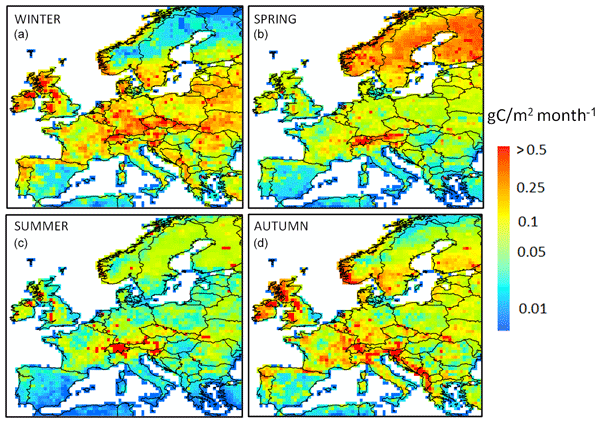
Céline Gommet, Ronny Lauerwald, Philippe Ciais, Bertrand Guenet, Haicheng Zhang, and Pierre Regnier
Earth Syst. Dynam., 13, 393–418, https://doi.org/10.5194/esd-13-393-2022, https://doi.org/10.5194/esd-13-393-2022, 2022
Short summary
Short summary
Dissolved organic carbon (DOC) leaching from soils into river networks is an important component of the land carbon (C) budget, but its spatiotemporal variation is not yet fully constrained. We use a land surface model to simulate the present-day land C budget at the European scale, including leaching of DOC from the soil. We found average leaching of 14.3 Tg C yr−1 (0.6 % of terrestrial net primary production) with seasonal variations. We determine runoff and temperature to be the main drivers.
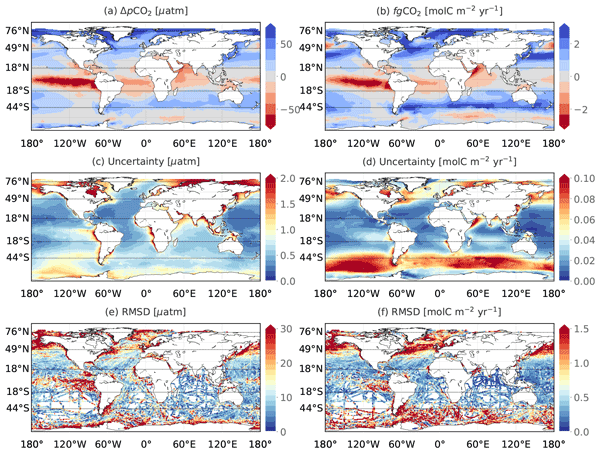
Thi Tuyet Trang Chau, Marion Gehlen, and Frédéric Chevallier
Biogeosciences, 19, 1087–1109, https://doi.org/10.5194/bg-19-1087-2022, https://doi.org/10.5194/bg-19-1087-2022, 2022
Short summary
Short summary
Air–sea CO2 fluxes and associated uncertainty over the open ocean to coastal shelves are estimated with a new ensemble-based reconstruction of pCO2 trained on observation-based data. The regional distribution and seasonality of CO2 sources and sinks are consistent with those suggested in previous studies as well as mechanisms discussed therein. The ensemble-based uncertainty field allows identifying critical regions where improvements in pCO2 and air–sea CO2 flux estimates should be a priority.
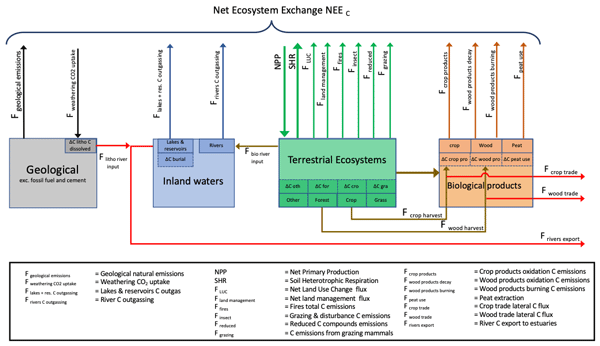
Philippe Ciais, Ana Bastos, Frédéric Chevallier, Ronny Lauerwald, Ben Poulter, Josep G. Canadell, Gustaf Hugelius, Robert B. Jackson, Atul Jain, Matthew Jones, Masayuki Kondo, Ingrid T. Luijkx, Prabir K. Patra, Wouter Peters, Julia Pongratz, Ana Maria Roxana Petrescu, Shilong Piao, Chunjing Qiu, Celso Von Randow, Pierre Regnier, Marielle Saunois, Robert Scholes, Anatoly Shvidenko, Hanqin Tian, Hui Yang, Xuhui Wang, and Bo Zheng
Geosci. Model Dev., 15, 1289–1316, https://doi.org/10.5194/gmd-15-1289-2022, https://doi.org/10.5194/gmd-15-1289-2022, 2022
Short summary
Short summary
The second phase of the Regional Carbon Cycle Assessment and Processes (RECCAP) will provide updated quantification and process understanding of CO2, CH4, and N2O emissions and sinks for ten regions of the globe. In this paper, we give definitions, review different methods, and make recommendations for estimating different components of the total land–atmosphere carbon exchange for each region in a consistent and complete approach.
Rupert Holzinger, Oliver Eppers, Kouji Adachi, Heiko Bozem, Markus Hartmann, Andreas Herber, Makoto Koike, Dylan B. Millet, Nobuhiro Moteki, Sho Ohata, Frank Stratmann, and Atsushi Yoshida
Atmos. Chem. Phys. Discuss., https://doi.org/10.5194/acp-2022-95, https://doi.org/10.5194/acp-2022-95, 2022
Revised manuscript not accepted
Short summary
Short summary
In spring 2018 the research aircraft Polar 5 conducted flights in the Arctic atmosphere. The flight operation was from Station Nord in Greenland, 1700 km north of the Arctic Circle (81°43'N, 17°47'W). Using a mass spectrometer we measured more than 100 organic compounds in the air. We found a clear signature of natural organic compounds that are transported from forests to the high Arctic. These compounds have the potential to change the cloud cover and energy budget of the Arctic region.
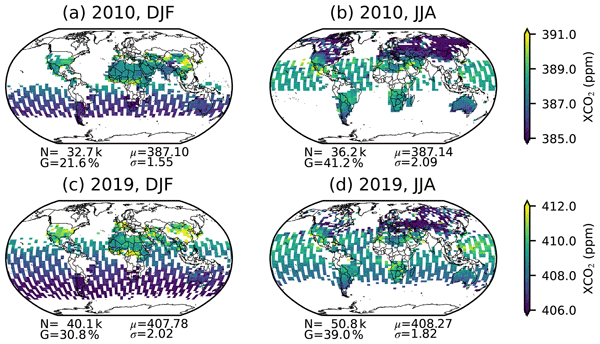
Thomas E. Taylor, Christopher W. O'Dell, David Crisp, Akhiko Kuze, Hannakaisa Lindqvist, Paul O. Wennberg, Abhishek Chatterjee, Michael Gunson, Annmarie Eldering, Brendan Fisher, Matthäus Kiel, Robert R. Nelson, Aronne Merrelli, Greg Osterman, Frédéric Chevallier, Paul I. Palmer, Liang Feng, Nicholas M. Deutscher, Manvendra K. Dubey, Dietrich G. Feist, Omaira E. García, David W. T. Griffith, Frank Hase, Laura T. Iraci, Rigel Kivi, Cheng Liu, Martine De Mazière, Isamu Morino, Justus Notholt, Young-Suk Oh, Hirofumi Ohyama, David F. Pollard, Markus Rettinger, Matthias Schneider, Coleen M. Roehl, Mahesh Kumar Sha, Kei Shiomi, Kimberly Strong, Ralf Sussmann, Yao Té, Voltaire A. Velazco, Mihalis Vrekoussis, Thorsten Warneke, and Debra Wunch
Earth Syst. Sci. Data, 14, 325–360, https://doi.org/10.5194/essd-14-325-2022, https://doi.org/10.5194/essd-14-325-2022, 2022
Short summary
Short summary
We provide an analysis of an 11-year record of atmospheric carbon dioxide (CO2) concentrations derived using an optimal estimation retrieval algorithm on measurements made by the GOSAT satellite. The new product (version 9) shows improvement over the previous version (v7.3) as evaluated against independent estimates of CO2 from ground-based sensors and atmospheric inversion systems. We also compare the new GOSAT CO2 values to collocated estimates from NASA's Orbiting Carbon Observatory-2.
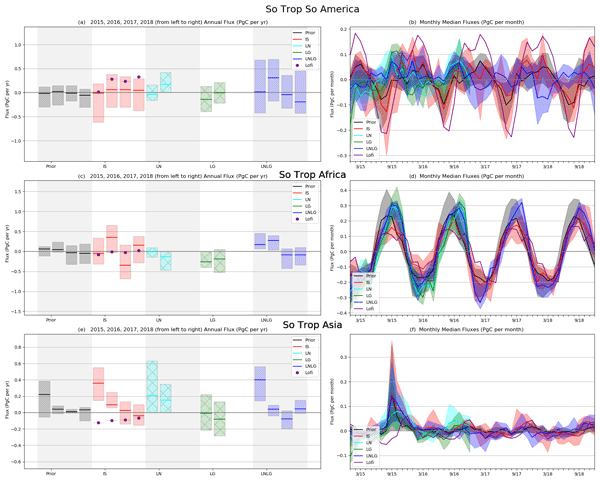
Hélène Peiro, Sean Crowell, Andrew Schuh, David F. Baker, Chris O'Dell, Andrew R. Jacobson, Frédéric Chevallier, Junjie Liu, Annmarie Eldering, David Crisp, Feng Deng, Brad Weir, Sourish Basu, Matthew S. Johnson, Sajeev Philip, and Ian Baker
Atmos. Chem. Phys., 22, 1097–1130, https://doi.org/10.5194/acp-22-1097-2022, https://doi.org/10.5194/acp-22-1097-2022, 2022
Short summary
Short summary
Satellite CO2 observations are constantly improved. We study an ensemble of different atmospheric models (inversions) from 2015 to 2018 using separate ground-based data or two versions of the OCO-2 satellite. Our study aims to determine if different satellite data corrections can yield different estimates of carbon cycle flux. A difference in the carbon budget between the two versions is found over tropical Africa, which seems to show the impact of corrections applied in satellite data.
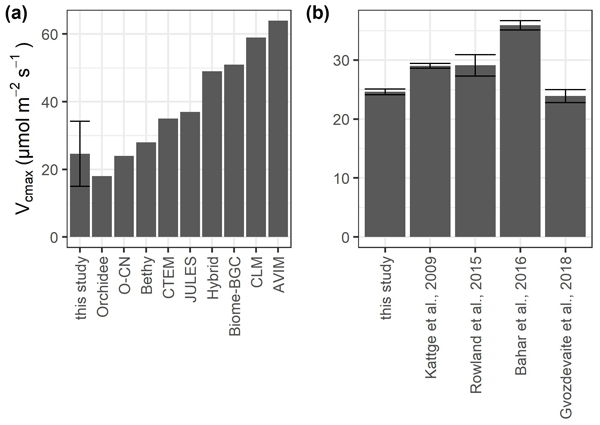
Lore T. Verryckt, Sara Vicca, Leandro Van Langenhove, Clément Stahl, Dolores Asensio, Ifigenia Urbina, Romà Ogaya, Joan Llusià, Oriol Grau, Guille Peguero, Albert Gargallo-Garriga, Elodie A. Courtois, Olga Margalef, Miguel Portillo-Estrada, Philippe Ciais, Michael Obersteiner, Lucia Fuchslueger, Laynara F. Lugli, Pere-Roc Fernandez-Garberí, Helena Vallicrosa, Melanie Verlinden, Christian Ranits, Pieter Vermeir, Sabrina Coste, Erik Verbruggen, Laëtitia Bréchet, Jordi Sardans, Jérôme Chave, Josep Peñuelas, and Ivan A. Janssens
Earth Syst. Sci. Data, 14, 5–18, https://doi.org/10.5194/essd-14-5-2022, https://doi.org/10.5194/essd-14-5-2022, 2022
Short summary
Short summary
We provide a comprehensive dataset of vertical profiles of photosynthesis and important leaf traits, including leaf N and P concentrations, from two 3-year, large-scale nutrient addition experiments conducted in two tropical rainforests in French Guiana. These data present a unique source of information to further improve model representations of the roles of N and P, and other leaf nutrients, in photosynthesis in tropical forests.
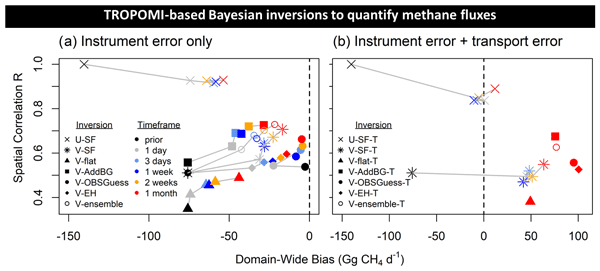
Xueying Yu, Dylan B. Millet, and Daven K. Henze
Geosci. Model Dev., 14, 7775–7793, https://doi.org/10.5194/gmd-14-7775-2021, https://doi.org/10.5194/gmd-14-7775-2021, 2021
Short summary
Short summary
We conduct observing system simulation experiments to test how well inverse analyses of high-resolution satellite data from sensors such as TROPOMI can quantify methane emissions. Inversions can improve monthly flux estimates at 25 km even with a spatially biased prior or model transport errors, but results are strongly degraded when both are present. We further evaluate a set of alternate formalisms to overcome limitations of the widely used scale factor approach that arise for missing sources.
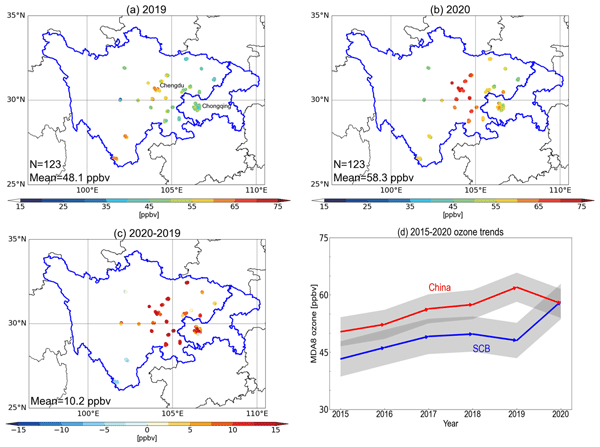
Youwen Sun, Hao Yin, Xiao Lu, Justus Notholt, Mathias Palm, Cheng Liu, Yuan Tian, and Bo Zheng
Atmos. Chem. Phys., 21, 18589–18608, https://doi.org/10.5194/acp-21-18589-2021, https://doi.org/10.5194/acp-21-18589-2021, 2021
Short summary
Short summary
This study uses high-resolution nested-grid GEOS-Chem simulation, the eXtreme Gradient Boosting (XGBoost) machine learning method, and the exposure–response relationship to determine the drivers and evaluate the health risks of the unexpected surface O3 enhancements over the Sichuan Basin in 2020. These unexpected O3 enhancements were induced by meteorological anomalies and caused dramatically high health risks.
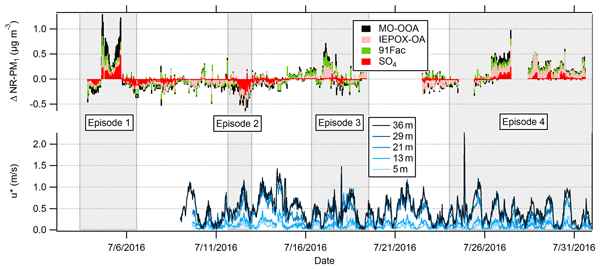
Alexander A. T. Bui, Henry W. Wallace, Sarah Kavassalis, Hariprasad D. Alwe, James H. Flynn, Matt H. Erickson, Sergio Alvarez, Dylan B. Millet, Allison L. Steiner, and Robert J. Griffin
Atmos. Chem. Phys., 21, 17031–17050, https://doi.org/10.5194/acp-21-17031-2021, https://doi.org/10.5194/acp-21-17031-2021, 2021
Short summary
Short summary
Differences in atmospheric species above and below a forest canopy provide insight into the relative importance of local mixing, long-range transport, and chemical processes in determining vertical gradients in atmospheric particles in a forested environment. This helps in understanding the flux of climate-relevant material out of the forest to the atmosphere. We studied this in a remote forest using vertically resolved measurements of gases and particles.
Adrian Chappell, Nicholas Webb, Mark Hennen, Charles Zender, Philippe Ciais, Kerstin Schepanski, Brandon Edwards, Nancy Ziegler, Sandra Jones, Yves Balkanski, Daniel Tong, John Leys, Stephan Heidenreich, Robert Hynes, David Fuchs, Zhenzhong Zeng, Marie Ekström, Matthew Baddock, Jeffrey Lee, and Tarek Kandakji
Geosci. Model Dev. Discuss., https://doi.org/10.5194/gmd-2021-337, https://doi.org/10.5194/gmd-2021-337, 2021
Revised manuscript not accepted
Short summary
Short summary
Dust emissions influence global climate while simultaneously reducing the productive potential and resilience of landscapes to climate stressors, together impacting food security and human health. Our results indicate that tuning dust emission models to dust in the atmosphere has hidden dust emission modelling weaknesses and its poor performance. Our new approach will reduce uncertainty and driven by prognostic albedo improve Earth System Models of aerosol effects on future environmental change.
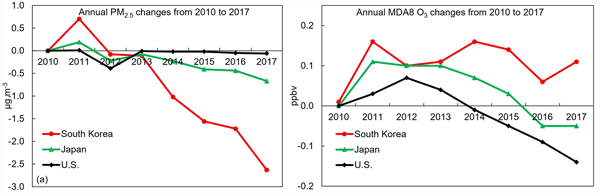
Yuqiang Zhang, Drew Shindell, Karl Seltzer, Lu Shen, Jean-Francois Lamarque, Qiang Zhang, Bo Zheng, Jia Xing, Zhe Jiang, and Lei Zhang
Atmos. Chem. Phys., 21, 16051–16065, https://doi.org/10.5194/acp-21-16051-2021, https://doi.org/10.5194/acp-21-16051-2021, 2021
Short summary
Short summary
In this study, we use a global chemical transport model to simulate the effects on global air quality and human health due to emission changes in China from 2010 to 2017. By performing sensitivity analysis, we found that the air pollution control policies not only decrease the air pollutant concentration but also bring significant co-benefits in air quality to downwind regions. The benefits for the improved air pollution are dominated by PM2.5.

Gaëlle Dufour, Didier Hauglustaine, Yunjiang Zhang, Maxim Eremenko, Yann Cohen, Audrey Gaudel, Guillaume Siour, Mathieu Lachatre, Axel Bense, Bertrand Bessagnet, Juan Cuesta, Jerry Ziemke, Valérie Thouret, and Bo Zheng
Atmos. Chem. Phys., 21, 16001–16025, https://doi.org/10.5194/acp-21-16001-2021, https://doi.org/10.5194/acp-21-16001-2021, 2021
Short summary
Short summary
The IASI observations and the LMDZ-OR-INCA model simulations show negative ozone trends in the Central East China region in the lower free (3–6 km column) and the upper free (6–9 km column) troposphere. Sensitivity studies from the model show that the Chinese anthropogenic emissions contribute to more than 50 % in the trend. The reduction in NOx emissions that has occurred since 2013 in China seems to lead to a decrease in ozone in the free troposphere, contrary to the increase at the surface.
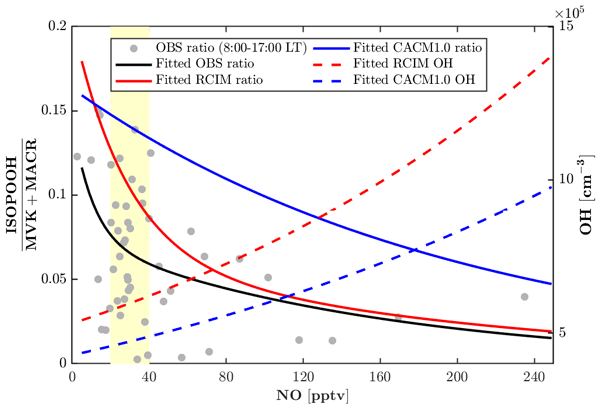
Dandan Wei, Hariprasad D. Alwe, Dylan B. Millet, Brandon Bottorff, Michelle Lew, Philip S. Stevens, Joshua D. Shutter, Joshua L. Cox, Frank N. Keutsch, Qianwen Shi, Sarah C. Kavassalis, Jennifer G. Murphy, Krystal T. Vasquez, Hannah M. Allen, Eric Praske, John D. Crounse, Paul O. Wennberg, Paul B. Shepson, Alexander A. T. Bui, Henry W. Wallace, Robert J. Griffin, Nathaniel W. May, Megan Connor, Jonathan H. Slade, Kerri A. Pratt, Ezra C. Wood, Mathew Rollings, Benjamin L. Deming, Daniel C. Anderson, and Allison L. Steiner
Geosci. Model Dev., 14, 6309–6329, https://doi.org/10.5194/gmd-14-6309-2021, https://doi.org/10.5194/gmd-14-6309-2021, 2021
Short summary
Short summary
Over the past decade, understanding of isoprene oxidation has improved, and proper representation of isoprene oxidation and isoprene-derived SOA (iSOA) formation in canopy–chemistry models is now recognized to be important for an accurate understanding of forest–atmosphere exchange. The updated FORCAsT version 2.0 improves the estimation of some isoprene oxidation products and is one of the few canopy models currently capable of simulating SOA formation from monoterpenes and isoprene.
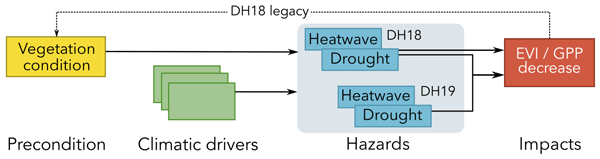
Ana Bastos, René Orth, Markus Reichstein, Philippe Ciais, Nicolas Viovy, Sönke Zaehle, Peter Anthoni, Almut Arneth, Pierre Gentine, Emilie Joetzjer, Sebastian Lienert, Tammas Loughran, Patrick C. McGuire, Sungmin O, Julia Pongratz, and Stephen Sitch
Earth Syst. Dynam., 12, 1015–1035, https://doi.org/10.5194/esd-12-1015-2021, https://doi.org/10.5194/esd-12-1015-2021, 2021
Short summary
Short summary
Temperate biomes in Europe are not prone to recurrent dry and hot conditions in summer. However, these conditions may become more frequent in the coming decades. Because stress conditions can leave legacies for many years, this may result in reduced ecosystem resilience under recurrent stress. We assess vegetation vulnerability to the hot and dry summers in 2018 and 2019 in Europe and find the important role of inter-annual legacy effects from 2018 in modulating the impacts of the 2019 event.
Cited articles
Abad, G. G.: OMPS-NPP L2 NM Formaldehyde (HCHO) Total Column swath orbital V1, GES DISC – Goddard Earth Sciences Data and Information Services Center [data set], https://doi.org/10.5067/IIM1GHT07QA8, 2022.
Abbot, D. S., Palmer, P. I., Martin, R. V., Chance, K. V., Jacob, D. J., and Guenther, A.: Seasonal and interannual variability of North American isoprene emissions as determined by formaldehyde column measurements from space, Geophys. Res. Lett., 30, https://doi.org/10.1029/2003GL017336, 2003.
Armstrong McKay, D. I., Staal, A., Abrams, J. F., Winkelmann, R., Sakschewski, B., Loriani, S., Fetzer, I., Cornell, S. E., Rockström, J., and Lenton, T. M.: Exceeding 1.5 °C global warming could trigger multiple climate tipping points, Science, 377, eabn7950, https://doi.org/10.1126/science.abn7950, 2022.
Barkley, M. P., Smedt, I. D., Van Roozendael, M., Kurosu, T. P., Chance, K., Arneth, A., Hagberg, D., Guenther, A., Paulot, F., Marais, E., and Mao, J.: Top-down isoprene emissions over tropical South America inferred from SCIAMACHY and OMI formaldehyde columns, J. Geophys. Res.- Atmos., 118, 6849–6868, https://doi.org/10.1002/jgrd.50552, 2013.
Bates, K. H. and Jacob, D. J.: A new model mechanism for atmospheric oxidation of isoprene: global effects on oxidants, nitrogen oxides, organic products, and secondary organic aerosol, Atmos. Chem. Phys., 19, 9613–9640, https://doi.org/10.5194/acp-19-9613-2019, 2019.
Bauwens, M., Stavrakou, T., Müller, J. F., De Smedt, I., Van Roozendael, M., van der Werf, G. R., Wiedinmyer, C., Kaiser, J. W., Sindelarova, K., and Guenther, A.: Nine years of global hydrocarbon emissions based on source inversion of OMI formaldehyde observations, Atmos. Chem. Phys., 16, 10133–10158, https://doi.org/10.5194/acp-16-10133-2016, 2016.
Cao, Y., Yue, X., Lei, Y., Zhou, H., Liao, H., Song, Y., Bai, J., Yang, Y., Chen, L., Zhu, J., Ma, Y., and Tian, C.: Identifying the Drivers of Modeling Uncertainties in Isoprene Emissions: Schemes Versus Meteorological Forcings, J. Geophys. Res.-Atmos., 126, e2020JD034242, https://doi.org/10.1029/2020JD034242, 2021.
Cheng, W., Dan, L., Deng, X., Feng, J., Wang, Y., Peng, J., Tian, J., Qi, W., Liu, Z., Zheng, X., Zhou, D., Jiang, S., Zhao, H., and Wang, X.: Global monthly gridded atmospheric carbon dioxide concentrations under the historical and future scenarios, Sci. Data, 9, 83, https://doi.org/10.1038/s41597-022-01196-7, 2022.
Choi, J., Henze, D. K., Wells, K. C., and Millet, D. B.: Joint Inversion of Satellite-Based Isoprene and Formaldehyde Observations to Constrain Emissions of Nonmethane Volatile Organic Compounds, J. Geophys. Res.-Atmos., 130, e2024JD042070, https://doi.org/10.1029/2024JD042070, 2025.
Ciccioli, P., Centritto, M., and Loreto, F.: Biogenic volatile organic compound emissions from vegetation fires, Plant Cell Environ., 37, 1810–1825, https://doi.org/10.1111/pce.12336, 2014.
Cooper, M., Martin, R. V., Padmanabhan, A., and Henze, D. K.: Comparing mass balance and adjoint methods for inverse modeling of nitrogen dioxide columns for global nitrogen oxide emissions, J. Geophys. Res.-Atmos., 122, 4718–4734, https://doi.org/10.1002/2016JD025985, 2017.
Curtius, J., Heinritzi, M., Beck, L. J., Pöhlker, M. L., Tripathi, N., Krumm, B. E., Holzbeck, P., Nussbaumer, C. M., Hernández Pardo, L., Klimach, T., Barmpounis, K., Andersen, S. T., Bardakov, R., Bohn, B., Cecchini, M. A., Chaboureau, J.-P., Dauhut, T., Dienhart, D., Dörich, R., Edtbauer, A., Giez, A., Hartmann, A., Holanda, B. A., Joppe, P., Kaiser, K., Keber, T., Klebach, H., Krüger, O. O., Kürten, A., Mallaun, C., Marno, D., Martinez, M., Monteiro, C., Nelson, C., Ort, L., Raj, S. S., Richter, S., Ringsdorf, A., Rocha, F., Simon, M., Sreekumar, S., Tsokankunku, A., Unfer, G. R., Valenti, I. D., Wang, N., Zahn, A., Zauner-Wieczorek, M., Albrecht, R. I., Andreae, M. O., Artaxo, P., Crowley, J. N., Fischer, H., Harder, H., Herdies, D. L., Machado, L. A. T., Pöhlker, C., Pöschl, U., Possner, A., Pozzer, A., Schneider, J., Williams, J., and Lelieveld, J.: Isoprene nitrates drive new particle formation in Amazon's upper troposphere, Nature, 636, 124–130, https://doi.org/10.1038/s41586-024-08192-4, 2024.
Do, N. T. N., Sudo, K., Ito, A., Emmons, L. K., Naik, V., Tsigaridis, K., Seland, Ø., Folberth, G. A., and Kelley, D. I.: Historical trends and controlling factors of isoprene emissions in CMIP6 Earth system models, Geosci. Model Dev., 18, 2079–2109, https://doi.org/10.5194/gmd-18-2079-2025, 2025.
ECMWF: Monthly drought indices from 1940 to present derived from ERA5 reanalysis, ECMWF Cross Data Store (ECDS) [data set], https://doi.org/10.24381/9bea5e16, 2025.
Emmerson, K. M., Galbally, I. E., Guenther, A. B., Paton-Walsh, C., Guerette, E. A., Cope, M. E., Keywood, M. D., Lawson, S. J., Molloy, S. B., Dunne, E., Thatcher, M., Karl, T., and Maleknia, S. D.: Current estimates of biogenic emissions from eucalypts uncertain for southeast Australia, Atmos. Chem. Phys., 16, 6997–7011, https://doi.org/10.5194/acp-16-6997-2016, 2016.
Emmerson, K. M., Cope, M. E., Galbally, I. E., Lee, S., and Nelson, P. F.: Isoprene and monoterpene emissions in south-east Australia: comparison of a multi-layer canopy model with MEGAN and with atmospheric observations, Atmos. Chem. Phys., 18, 7539–7556, https://doi.org/10.5194/acp-18-7539-2018, 2018.
ESA: S5P_L2__HCHO___HiR. Version 2. Sentinel-5P TROPOMI Tropospheric Formaldehyde HCHO 1-Orbit L2 5.5 km × 3.5 km, Archived by National Aeronautics and Space Administration, US Government, GES DISC – Goddard Earth Sciences Data and Information Services Center [data set], https://doi.org/10.5270/S5P-vg1i7t0, 2020.
Field, R. D., van der Werf, G. R., Fanin, T., Fetzer, E. J., Fuller, R., Jethva, H., Levy, R., Livesey, N. J., Luo, M., Torres, O., and Worden, H. M.: Indonesian fire activity and smoke pollution in 2015 show persistent nonlinear sensitivity to El Niño-induced drought, P. Natl. Acad. Sci. USA, 113, 9204–9209, https://doi.org/10.1073/pnas.1524888113, 2016.
Folberth, G. A., Hauglustaine, D. A., Lathière, J., and Brocheton, F.: Interactive chemistry in the Laboratoire de Météorologie Dynamique general circulation model: model description and impact analysis of biogenic hydrocarbons on tropospheric chemistry, Atmos. Chem. Phys., 6, 2273–2319, https://doi.org/10.5194/acp-6-2273-2006, 2006.
Fu, D., Millet, D. B., Wells, K. C., Payne, V. H., Yu, S., Guenther, A., and Eldering, A.: Direct retrieval of isoprene from satellite-based infrared measurements, Nat. Commun., 10, 3811, https://doi.org/10.1038/s41467-019-11835-0, 2019.
Gebrechorkos, S. H., Sheffield, J., Vicente-Serrano, S. M., Funk, C., Miralles, D. G., Peng, J., Dyer, E., Talib, J., Beck, H. E., Singer, M. B., and Dadson, S. J.: Warming accelerates global drought severity, Nature, 642, 628–635 https://doi.org/10.1038/s41586-025-09047-2, 2025.
Geddes, J. A., Pusede, S. E., and Wong, A. Y. H.: Changes in the Relative Importance of Biogenic Isoprene and Soil NOx Emissions on Ozone Concentrations in Nonattainment Areas of the United States, J. Geophys. Res.-Atmos., 127, e2021JD036361, https://doi.org/10.1029/2021JD036361, 2022.
Gomes Alves, E., Aquino Santana, R., Quaresma Dias-Júnior, C., Botía, S., Taylor, T., Yáñez-Serrano, A. M., Kesselmeier, J., Bourtsoukidis, E., Williams, J., Lembo Silveira de Assis, P. I., Martins, G., de Souza, R., Duvoisin Júnior, S., Guenther, A., Gu, D., Tsokankunku, A., Sörgel, M., Nelson, B., Pinto, D., Komiya, S., Martins Rosa, D., Weber, B., Barbosa, C., Robin, M., Feeley, K. J., Duque, A., Londoño Lemos, V., Contreras, M. P., Idarraga, A., López, N., Husby, C., Jestrow, B., and Cely Toro, I. M.: Intra- and interannual changes in isoprene emission from central Amazonia, Atmos. Chem. Phys., 23, 8149–8168, https://doi.org/10.5194/acp-23-8149-2023, 2023.
Guenther, A. B., Jiang, X., Heald, C. L., Sakulyanontvittaya, T., Duhl, T., Emmons, L. K., and Wang, X.: The Model of Emissions of Gases and Aerosols from Nature version 2.1 (MEGAN2.1): an extended and updated framework for modeling biogenic emissions, Geosci. Model Dev., 5, 1471–1492, https://doi.org/10.5194/gmd-5-1471-2012, 2012.
Han, Y., Revercomb, H., Cromp, M., Gu, D., Johnson, D., Mooney, D., Scott, D., Strow, L., Bingham, G., Borg, L., Chen, Y., DeSlover, D., Esplin, M., Hagan, D., Jin, X., Knuteson, R., Motteler, H., Predina, J., Suwinski, L., Taylor, J., Tobin, D., Tremblay, D., Wang, C., Wang, L., Wang, L., and Zavyalov, V.: Suomi NPP CrIS measurements, sensor data record algorithm, calibration and validation activities, and record data quality, Journal of Geophysical Research: Atmospheres, 118, 12 734–12 748, https://doi.org/10.1002/2013JD020344, 2013.
Hard, T. M., Chan, C. Y., Mehrabzadeh, A. A., Pan, W. H., and O'Brien, R. J.: Diurnal cycle of tropospheric OH, Nature, 322, 617–620, https://doi.org/10.1038/322617a0, 1986.
Hauglustaine, D. A., Hourdin, F., Jourdain, L., Filiberti, M. A., Walters, S., Lamarque, J. F., and Holland, E. A.: Interactive chemistry in the Laboratoire de Météorologie Dynamique general circulation model: Description and background tropospheric chemistry evaluation, J. Geophys. Res.-Atmos., 109, https://doi.org/10.1029/2003JD003957, 2004.
Henrot, A. J., Stanelle, T., Schröder, S., Siegenthaler, C., Taraborrelli, D., and Schultz, M. G.: Implementation of the MEGAN (v2.1) biogenic emission model in the ECHAM6-HAMMOZ chemistry climate model, Geosci. Model Dev., 10, 903–926, https://doi.org/10.5194/gmd-10-903-2017, 2017.
Hewson, W., Barkley, M. P., Gonzalez Abad, G., Bösch, H., Kurosu, T., Spurr, R., and Tilstra, L. G.: Development and characterisation of a state-of-the-art GOME-2 formaldehyde air-mass factor algorithm, Atmos. Meas. Tech., 8, 4055–4074, https://doi.org/10.5194/amt-8-4055-2015, 2015.
Hoesly, R. M., Smith, S. J., Feng, L., Klimont, Z., Janssens-Maenhout, G., Pitkanen, T., Seibert, J. J., Vu, L., Andres, R. J., Bolt, R. M., Bond, T. C., Dawidowski, L., Kholod, N., Kurokawa, J. I., Li, M., Liu, L., Lu, Z., Moura, M. C. P., O'Rourke, P. R., and Zhang, Q.: Historical (1750–2014) anthropogenic emissions of reactive gases and aerosols from the Community Emissions Data System (CEDS), Geosci. Model Dev., 11, 369–408, https://doi.org/10.5194/gmd-11-369-2018, 2018.
Hu, S. and Fedorov, A. V.: The extreme El Niño of 2015–2016 and the end of global warming hiatus, Geophys. Res. Lett., 44, 3816-3824, https://doi.org/10.1002/2017GL072908, 2017.
Kaiser, J., Jacob, D. J., Zhu, L., Travis, K. R., Fisher, J. A., González Abad, G., Zhang, L., Zhang, X., Fried, A., Crounse, J. D., St. Clair, J. M., and Wisthaler, A.: High-resolution inversion of OMI formaldehyde columns to quantify isoprene emission on ecosystem-relevant scales: application to the southeast US, Atmos. Chem. Phys., 18, 5483–5497, https://doi.org/10.5194/acp-18-5483-2018, 2018.
Karl, M., Brauers, T., Dorn, H. P., Holland, F., Komenda, M., Poppe, D., Rohrer, F., Rupp, L., Schaub, A., and Wahner, A.: Kinetic Study of the OH-isoprene and O3-isoprene reaction in the atmosphere simulation chamber, SAPHIR, Geophys. Res. Lett., 31, https://doi.org/10.1029/2003GL019189, 2004.
Kumar, P., Broquet, G., Hauglustaine, D., Beaudor, M., Clarisse, L., Van Damme, M., Coheur, P., Cozic, A., Zheng, B., Revilla Romero, B., Delavois, A., and Ciais, P.: Global atmospheric inversion of the NH3 emissions over 2019–2022 using the LMDZ-INCA chemistry-transport model and the IASI NH3 observations, EGUsphere [preprint], https://doi.org/10.5194/egusphere-2025-162, 2025.
Lathière, J., Hauglustaine, D. A., Friend, A. D., De Noblet-Ducoudré, N., Viovy, N., and Folberth, G. A.: Impact of climate variability and land use changes on global biogenic volatile organic compound emissions, Atmos. Chem. Phys., 6, 2129–2146, https://doi.org/10.5194/acp-6-2129-2006, 2006.
Leite-Filho, A. T., Soares-Filho, B. S., Davis, J. L., Abrahão, G. M., and Börner, J.: Deforestation reduces rainfall and agricultural revenues in the Brazilian Amazon, Nat. Commun., 12, 2591, https://doi.org/10.1038/s41467-021-22840-7, 2021.
Li, H., Ciais, P., Kumar, P., Hauglustaine, D. A., Chevallier, F., Broquet, G., Millet, D. B., Wells, K. C., Lian, J., and Zheng, B. : Global biogenic isoprene emissions 2013–2020 inferred from satellite isoprene observations, Zenodo [data set], https://doi.org/10.5281/zenodo.16214776, 2025.
Liu, J., Bowman, K. W., Schimel, D. S., Parazoo, N. C., Jiang, Z., Lee, M., Bloom, A. A., Wunch, D., Frankenberg, C., Sun, Y., O'Dell, C. W., Gurney, K. R., Menemenlis, D., Gierach, M., Crisp, D., and Eldering, A.: Contrasting carbon cycle responses of the tropical continents to the 2015–2016 El Niño, Science, 358, eaam5690, https://doi.org/10.1126/science.aam5690, 2017.
Marais, E. A., Jacob, D. J., Kurosu, T. P., Chance, K., Murphy, J. G., Reeves, C., Mills, G., Casadio, S., Millet, D. B., Barkley, M. P., Paulot, F., and Mao, J.: Isoprene emissions in Africa inferred from OMI observations of formaldehyde columns, Atmos. Chem. Phys., 12, 6219–6235, https://doi.org/10.5194/acp-12-6219-2012, 2012.
Marais, E. A., Jacob, D. J., Guenther, A., Chance, K., Kurosu, T. P., Murphy, J. G., Reeves, C. E., and Pye, H. O. T.: Improved model of isoprene emissions in Africa using Ozone Monitoring Instrument (OMI) satellite observations of formaldehyde: implications for oxidants and particulate matter, Atmos. Chem. Phys., 14, 7693–7703, https://doi.org/10.5194/acp-14-7693-2014, 2014.
McDuffie, E. E., Smith, S. J., O'Rourke, P., Tibrewal, K., Venkataraman, C., Marais, E. A., Zheng, B., Crippa, M., Brauer, M., and Martin, R. V.: A global anthropogenic emission inventory of atmospheric pollutants from sector- and fuel-specific sources (1970–2017): an application of the Community Emissions Data System (CEDS), Earth Syst. Sci. Data, 12, 3413–3442, https://doi.org/10.5194/essd-12-3413-2020, 2020.
Mellor, G. L. and Yamada, T.: Development of a turbulence closure model for geophysical fluid problems, Rev. Geophys., 20, 851–875, https://doi.org/10.1029/RG020i004p00851, 1982.
Messina, P., Lathière, J., Sindelarova, K., Vuichard, N., Granier, C., Ghattas, J., Cozic, A., and Hauglustaine, D. A.: Global biogenic volatile organic compound emissions in the ORCHIDEE and MEGAN models and sensitivity to key parameters, Atmos. Chem. Phys., 16, 14169–14202, https://doi.org/10.5194/acp-16-14169-2016, 2016.
Millet, D. B., Jacob, D. J., Boersma, K. F., Fu, T.-M., Kurosu, T. P., Chance, K., Heald, C. L., and Guenther, A.: Spatial distribution of isoprene emissions from North America derived from formaldehyde column measurements by the OMI satellite sensor, J. Geophys. Res.-Atmos., 113, https://doi.org/10.1029/2007JD008950, 2008.
Müller, J. F., Stavrakou, T., Oomen, G. M., Opacka, B., De Smedt, I., Guenther, A., Vigouroux, C., Langerock, B., Aquino, C. A. B., Grutter, M., Hannigan, J., Hase, F., Kivi, R., Lutsch, E., Mahieu, E., Makarova, M., Metzger, J. M., Morino, I., Murata, I., Nagahama, T., Notholt, J., Ortega, I., Palm, M., Röhling, A., Stremme, W., Strong, K., Sussmann, R., Té, Y., and Fried, A.: Bias correction of OMI HCHO columns based on FTIR and aircraft measurements and impact on top-down emission estimates, Atmos. Chem. Phys., 24, 2207–2237, https://doi.org/10.5194/acp-24-2207-2024, 2024.
Naik, V., Delire, C., and Wuebbles, D. J.: Sensitivity of global biogenic isoprenoid emissions to climate variability and atmospheric CO2, J. Geophys. Res.-Atmos., 109, https://doi.org/10.1029/2003JD004236, 2004.
Newman, R. and Noy, I.: The global costs of extreme weather that are attributable to climate change, Nat. Commun., 14, 6103, https://doi.org/10.1038/s41467-023-41888-1, 2023.
Novelli, A., Vereecken, L., Bohn, B., Dorn, H. P., Gkatzelis, G. I., Hofzumahaus, A., Holland, F., Reimer, D., Rohrer, F., Rosanka, S., Taraborrelli, D., Tillmann, R., Wegener, R., Yu, Z., Kiendler-Scharr, A., Wahner, A., and Fuchs, H.: Importance of isomerization reactions for OH radical regeneration from the photo-oxidation of isoprene investigated in the atmospheric simulation chamber SAPHIR, Atmos. Chem. Phys., 20, 3333–3355, https://doi.org/10.5194/acp-20-3333-2020, 2020.
Nowlan, C. R., González Abad, G., Kwon, H.-A., Ayazpour, Z., Chan Miller, C., Chance, K., Chong, H., Liu, X., O'Sullivan, E., Wang, H., Zhu, L., De Smedt, I., Jaross, G., Seftor, C., and Sun, K.: Global Formaldehyde Products From the Ozone Mapping and Profiler Suite (OMPS) Nadir Mappers on Suomi NPP and NOAA-20, Earth Space Sci., 10, e2022EA002643, https://doi.org/10.1029/2022EA002643, 2023.
Nussbaumer, C. M., Crowley, J. N., Schuladen, J., Williams, J., Hafermann, S., Reiffs, A., Axinte, R., Harder, H., Ernest, C., Novelli, A., Sala, K., Martinez, M., Mallik, C., Tomsche, L., Plass-Dülmer, C., Bohn, B., Lelieveld, J., and Fischer, H.: Measurement report: Photochemical production and loss rates of formaldehyde and ozone across Europe, Atmos. Chem. Phys., 21, 18413–18432, https://doi.org/10.5194/acp-21-18413-2021, 2021.
Opacka, B., Müller, J. F., Stavrakou, T., Bauwens, M., Sindelarova, K., Markova, J., and Guenther, A. B.: Global and regional impacts of land cover changes on isoprene emissions derived from spaceborne data and the MEGAN model, Atmos. Chem. Phys., 21, 8413–8436, https://doi.org/10.5194/acp-21-8413-2021, 2021.
Pacifico, F., Folberth, G. A., Jones, C. D., Harrison, S. P., and Collins, W. J.: Sensitivity of biogenic isoprene emissions to past, present, and future environmental conditions and implications for atmospheric chemistry, J. Geophys. Res.-Atmos., 117, https://doi.org/10.1029/2012JD018276, 2012.
Palmer, P. I., Marvin, M. R., Siddans, R., Kerridge, B. J., and Moore, D. P.: Nocturnal survival of isoprene linked to formation of upper tropospheric organic aerosol, Science, 375, 562–566, https://doi.org/10.1126/science.abg4506, 2022.
Pletzer, J., Hauglustaine, D., Cohen, Y., Jöckel, P., and Grewe, V.: The climate impact of hydrogen-powered hypersonic transport, Atmos. Chem. Phys., 22, 14323–14354, https://doi.org/10.5194/acp-22-14323-2022, 2022.
Pound, R. J., Durcan, D. P., Evans, M. J., and Carpenter, L. J.: Comparing the Importance of Iodine and Isoprene on Tropospheric Photochemistry, Geophys. Res. Lett., 50, e2022GL100997, https://doi.org/10.1029/2022GL100997, 2023.
Pu, J., Yan, K., Roy, S., Zhu, Z., Rautiainen, M., Knyazikhin, Y., and Myneni, R. B.: Sensor-independent LAI/FPAR CDR: reconstructing a global sensor-independent climate data record of MODIS and VIIRS LAI/FPAR from 2000 to 2022, Earth Syst. Sci. Data, 16, 15–34, https://doi.org/10.5194/essd-16-15-2024, 2024.
Ren, Y., Qiu, J., Zeng, Z., Liu, X., Sitch, S., Pilegaard, K., Yang, T., Wang, S., Yuan, W., and Jain, A. K.: Earlier spring greening in Northern Hemisphere terrestrial biomes enhanced net ecosystem productivity in summer, Commun. Earth Environ., 5, 122, https://doi.org/10.1038/s43247-024-01270-5, 2024.
Robinson, A., Lehmann, J., Barriopedro, D., Rahmstorf, S., and Coumou, D.: Increasing heat and rainfall extremes now far outside the historical climate, npj Clim. Atmos. Sci., 4, 45, https://doi.org/10.1038/s41612-021-00202-w, 2021.
Sahu, A., Mostofa, M. G., Weraduwage, S. M., and Sharkey, T. D.: Hydroxymethylbutenyl diphosphate accumulation reveals MEP pathway regulation for high CO2-induced suppression of isoprene emission, P. Natl. Acad. Sci. USA, 120, e2309536120, https://doi.org/10.1073/pnas.2309536120, 2023.
Sand, M., Skeie, R. B., Sandstad, M., Krishnan, S., Myhre, G., Bryant, H., Derwent, R., Hauglustaine, D., Paulot, F., Prather, M., and Stevenson, D.: A multi-model assessment of the Global Warming Potential of hydrogen, Commun. Earth Environ., 4, 203, https://doi.org/10.1038/s43247-023-00857-8, 2023.
Seco, R., Holst, T., Davie-Martin, C. L., Simin, T., Guenther, A., Pirk, N., Rinne, J., and Rinnan, R.: Strong isoprene emission response to temperature in tundra vegetation, P. Natl. Acad. Sci. USA, 119, e2118014119, https://doi.org/10.1073/pnas.2118014119, 2022.
Sindelarova, K., Granier, C., Bouarar, I., Guenther, A., Tilmes, S., Stavrakou, T., Müller, J. F., Kuhn, U., Stefani, P., and Knorr, W.: Global data set of biogenic VOC emissions calculated by the MEGAN model over the last 30 years, Atmos. Chem. Phys., 14, 9317–9341, https://doi.org/10.5194/acp-14-9317-2014, 2014.
Sindelarova, K., Markova, J., Simpson, D., Huszar, P., Karlicky, J., Darras, S., and Granier, C.: Copernicus Atmosphere Monitoring Service Global Biogenic VOC emissions version 3.1 (CAMSGLOB-BIOv3.1), Copernicus Atmosphere Monitoring Service, ECCAD, https://doi.org/10.24380/cv4p-5f79, 2021.
Sindelarova, K., Markova, J., Simpson, D., Huszar, P., Karlicky, J., Darras, S., and Granier, C.: High-resolution biogenic global emission inventory for the time period 2000–2019 for air quality modelling, Earth Syst. Sci. Data, 14, 251–270, https://doi.org/10.5194/essd-14-251-2022, 2022.
Stavrakou, T., Müller, J. F., Bauwens, M., De Smedt, I., Van Roozendael, M., and Guenther, A.: Impact of Short-Term Climate Variability on Volatile Organic Compounds Emissions Assessed Using OMI Satellite Formaldehyde Observations, Geophys. Rese. Lett., 45, 8681–8689, https://doi.org/10.1029/2018GL078676, 2018.
Sun, S., Palmer, P. I., Siddans, R., Kerridge, B. J., Ventress, L., Edtbauer, A., Ringsdorf, A., Pfannerstill, E. Y., and Williams, J.: Seasonal isoprene emission estimates over tropical South America inferred from satellite observations of isoprene, Atmos. Chem. Phys., 25, 15801–15818, https://doi.org/10.5194/acp-25-15801-2025, 2025.
Terrenoire, E., Hauglustaine, D. A., Cohen, Y., Cozic, A., Valorso, R., Lefèvre, F., and Matthes, S.: Impact of present and future aircraft NOx and aerosol emissions on atmospheric composition and associated direct radiative forcing of climate, Atmos. Chem. Phys., 22, 11987–12023, https://doi.org/10.5194/acp-22-11987-2022, 2022.
Tiedtke, M.: A Comprehensive Mass Flux Scheme for Cumulus Parameterization in Large-Scale Models, Mon. Weather Rev., 117, 1779–1800, https://doi.org/10.1175/1520-0493(1989)117<1779:ACMFSF>2.0.CO;2, 1989.
Unger, N.: Isoprene emission variability through the twentieth century, J. Geophys. Res.-Atmos., 118, 13606–13613, https://doi.org/10.1002/2013JD020978, 2013.
Valin, L. C., Fiore, A. M., Chance, K., and González Abad, G.: The role of OH production in interpreting the variability of CH2O columns in the southeast U.S., J. Geophys. Res.-Atmos., 121, 478–493, https://doi.org/10.1002/2015JD024012, 2016.
van der Werf, G. R., Randerson, J. T., Giglio, L., van Leeuwen, T. T., Chen, Y., Rogers, B. M., Mu, M., van Marle, M. J. E., Morton, D. C., Collatz, G. J., Yokelson, R. J., and Kasibhatla, P. S.: Global fire emissions estimates during 1997–2016, Earth Syst. Sci. Data, 9, 697–720, https://doi.org/10.5194/essd-9-697-2017, 2017.
Wang, H., Liu, X., Wu, C., and Lin, G.: Regional to global distributions, trends, and drivers of biogenic volatile organic compound emission from 2001 to 2020, Atmos. Chem. Phys., 24, 3309–3328, https://doi.org/10.5194/acp-24-3309-2024, 2024a.
Wang, H., Nagalingam, S., Welch, A. M., Leong, C., Czimczik, C. I., and Guenther, A. B.: Heat waves may trigger unexpected surge in aerosol and ozone precursor emissions from sedges in urban landscapes, P. Natl. Acad. Sci. USA, 121, e2412817121, https://doi.org/10.1073/pnas.2412817121, 2024b.
Wang, H., Welch, A., Nagalingam, S., Leong, C., Kittitananuvong, P., Barsanti, K. C., Sheesley, R. J., Czimczik, C. I., and Guenther, A. B.: Arctic Heatwaves Could Significantly Influence the Isoprene Emissions From Shrubs, Geophys. Res. Lett., 51, e2023GL107599, https://doi.org/10.1029/2023GL107599, 2024c.
Wang, H., Welch, A. M., Nagalingam, S., Leong, C., Czimczik, C. I., Tang, J., Seco, R., Rinnan, R., Vettikkat, L., Schobesberger, S., Holst, T., Brijesh, S., Sheesley, R. J., Barsanti, K. C., and Guenther, A. B.: High temperature sensitivity of Arctic isoprene emissions explained by sedges, Nat. Commun., 15, 6144, https://doi.org/10.1038/s41467-024-49960-0, 2024d.
Weber, J., King, J. A., Sindelarova, K., and Val Martin, M.: Updated isoprene and terpene emission factors for the Interactive BVOC (iBVOC) emission scheme in the United Kingdom Earth System Model (UKESM1.0), Geosci. Model Dev., 16, 3083–3101, https://doi.org/10.5194/gmd-16-3083-2023, 2023.
Wells, K. C., Millet, D. B., Payne, V. H., Deventer, M. J., Bates, K. H., de Gouw, J. A., Graus, M., Warneke, C., Wisthaler, A., and Fuentes, J. D.: Satellite isoprene retrievals constrain emissions and atmospheric oxidation, Nature, 585, 225–233, https://doi.org/10.1038/s41586-020-2664-3, 2020.
Wells, K. C., Millet, D. B., Payne, V. H., Vigouroux, C., Aquino, C. A. B., De Mazière, M., de Gouw, J. A., Graus, M., Kurosu, T., Warneke, C., and Wisthaler, A.: Next-Generation Isoprene Measurements From Space: Detecting Daily Variability at High Resolution, J. Geophys. Res.-Atmos., 127, e2021JD036181, https://doi.org/10.1029/2021JD036181, 2022.
Wells, K. C. and Millet, D. B.: ROCR Isoprene Retrievals from the CrIS Satellite Sensor. Data Repository for the University of Minnesota (DRUM) [data set], https://doi.org/10.13020/5n0j-wx73, 2022.
Wennberg, P. O., Bates, K. H., Crounse, J. D., Dodson, L. G., McVay, R. C., Mertens, L. A., Nguyen, T. B., Praske, E., Schwantes, R. H., Smarte, M. D., St Clair, J. M., Teng, A. P., Zhang, X., and Seinfeld, J. H.: Gas-Phase Reactions of Isoprene and Its Major Oxidation Products, Chem. Rev., 118, 3337–3390, https://doi.org/10.1021/acs.chemrev.7b00439, 2018.
Wolfe, G. M., Kaiser, J., Hanisco, T. F., Keutsch, F. N., de Gouw, J. A., Gilman, J. B., Graus, M., Hatch, C. D., Holloway, J., Horowitz, L. W., Lee, B. H., Lerner, B. M., Lopez-Hilifiker, F., Mao, J., Marvin, M. R., Peischl, J., Pollack, I. B., Roberts, J. M., Ryerson, T. B., Thornton, J. A., Veres, P. R., and Warneke, C.: Formaldehyde production from isoprene oxidation across NOx regimes, Atmos. Chem. Phys., 16, 2597–2610, https://doi.org/10.5194/acp-16-2597-2016, 2016.
Xu, Z. N., Nie, W., Liu, Y. L., Sun, P., Huang, D. D., Yan, C., Krechmer, J., Ye, P. L., Xu, Z., Qi, X. M., Zhu, C. J., Li, Y. Y., Wang, T. Y., Wang, L., Huang, X., Tang, R. Z., Guo, S., Xiu, G. L., Fu, Q. Y., Worsnop, D., Chi, X. G., and Ding, A. J.: Multifunctional Products of Isoprene Oxidation in Polluted Atmosphere and Their Contribution to SOA, Geophys. Res. Lett., 48, e2020GL089276, https://doi.org/10.1029/2020GL089276, 2021.
Yoon, J., Wells, K. C., Millet, D. B., Swann, A. L. S., Thornton, J., and Turner, A. J.: Impacts of Interannual Isoprene Variations on Methane Lifetimes and Trends, Geophysical Research Letters, 52, e2025GL114712, https://doi.org/10.1029/2025GL114712, 2025.
Zhao, Y., Zheng, B., Saunois, M., Ciais, P., Hegglin, M. I., Lu, S., Li, Y., and Bousquet, P.: Air pollution modulates trends and variability of the global methane budget, Nature, 642, 369–375, https://doi.org/10.1038/s41586-025-09004-z, 2025.
Zheng, B., Ciais, P., Chevallier, F., Yang, H., Canadell, J. G., Chen, Y., van der Velde, I. R., Aben, I., Chuvieco, E., Davis, S. J., Deeter, M., Hong, C., Kong, Y., Li, H., Li, H., Lin, X., He, K., and Zhang, Q.: Record-high CO2 emissions from boreal fires in 2021, Science, 379, 912–917, https://doi.org/10.1126/science.ade0805, 2023.
Short summary
We present the first global, multi-year maps of monthly isoprene emissions (2013–2020) derived from satellite isoprene observations, averaging 456 TgC yr-1. The dataset reveals two emission peaks linked to 2015–2016 El Niño and 2019–2020 extreme heat events, driven mainly by tropical regions such as the Amazon. It highlights the region-specific sensitivity of biogenic isoprene emissions to temperature anomalies, providing new insights into their roles in air quality and climate feedbacks.
We present the first global, multi-year maps of monthly isoprene emissions (2013–2020) derived...


Altmetrics
Final-revised paper
Preprint