Articles | Volume 17, issue 12
https://doi.org/10.5194/essd-17-7271-2025
© Author(s) 2025. This work is distributed under
the Creative Commons Attribution 4.0 License.
the Creative Commons Attribution 4.0 License.
https://doi.org/10.5194/essd-17-7271-2025
© Author(s) 2025. This work is distributed under
the Creative Commons Attribution 4.0 License.
the Creative Commons Attribution 4.0 License.
Data description article
| 
17 Dec 2025
Data description article |
| 17 Dec 2025
| 17 Dec 2025
First high-resolution surface spectral clear-sky ultraviolet radiation dataset across China (1981–2023): development, validation, and variability
Qinghai Qi
Hubei Key Laboratory of Regional Ecology and Environmental Change, China University of Geosciences, Wuhan 430074, China
Collaborative Innovative Center for Emission Trading System Co-constructed by the Province and Ministry, Hubei University of Economics, Wuhan 430205, China
Yuting Tan
Hubei Key Laboratory of Regional Ecology and Environmental Change, China University of Geosciences, Wuhan 430074, China
Christian A. Gueymard
Solar Consulting Services, Colebrook, NH 03576, USA
Martin Wild
Institute for Atmospheric and Climate Science, ETH Zurich, 8092 Zurich, Switzerland
State Key Laboratory of Atmospheric Boundary Layer Physics and Atmospheric Chemistry (LAPC), Institute of Atmospheric Physics, Chinese Academy of Sciences, Beijing, China

Hubei Key Laboratory of Regional Ecology and Environmental Change, China University of Geosciences, Wuhan 430074, China
Collaborative Innovative Center for Emission Trading System Co-constructed by the Province and Ministry, Hubei University of Economics, Wuhan 430205, China
Taowen Sun
Hubei Key Laboratory of Regional Ecology and Environmental Change, China University of Geosciences, Wuhan 430074, China
Ming Zhang
Hubei Key Laboratory of Regional Ecology and Environmental Change, China University of Geosciences, Wuhan 430074, China
Lunche Wang
CORRESPONDING AUTHOR
Hubei Key Laboratory of Regional Ecology and Environmental Change, China University of Geosciences, Wuhan 430074, China
Related authors
No articles found.
William Wandji Nyamsi, Ville Leinonen, Antti Lipponen, Else van den Besselaar, Santtu Mikkonen, Arturo Sanchez-Lorenzo, Martin Wild, Doris Folini, Tero Mielonen, Harri Kokkola, Antti Kukkurainen, Neus Sabater, Rei Kudo, Ben Liley, Raghav Srinivasan, Bruce W. Forgan, Alexandru Dumitrescu, Grzegorz Urban, Michał K. Kowalewski, Márcia Akemi Yamasoe, Nilton Évora do Rosário, Dimitra Founda, Stelios Kazadzis, Veronica Manara, Derbetini A. Vondou, Christian Gueymard, Anders V. Lindfors, Atsumu Ohmura, and Antti Arola
Atmos. Chem. Phys., 26, 10767–10788, https://doi.org/10.5194/acp-26-10767-2026, https://doi.org/10.5194/acp-26-10767-2026, 2026
Short summary
Short summary
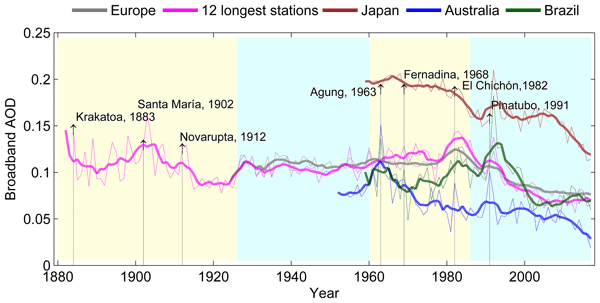
Worldwide reconstructed historical aerosol load reveals that during the period of:
- 1900–1959: the atmosphere became cleaner in most European cities;
- 1960–1985: anthropogenic aerosols were responsible for the dimming phenomenon in Europe. AOD increased over Southeast Brazil and decreased noticeably over Japan while a small negative trend was found over Oceania;
- 1986–2015: generally, the atmosphere has become much cleaner everywhere after the reversal trend around 1980s mainly observed in Europe.
Jiajun Xiong, Yi Wang, Jun Wang, Yanyu Wang, Meng Zhou, Minghui Tao, Wenhui Dong, Jhoon Kim, and Lunche Wang
Atmos. Chem. Phys., 26, 8225–8253, https://doi.org/10.5194/acp-26-8225-2026, https://doi.org/10.5194/acp-26-8225-2026, 2026
Short summary
Short summary
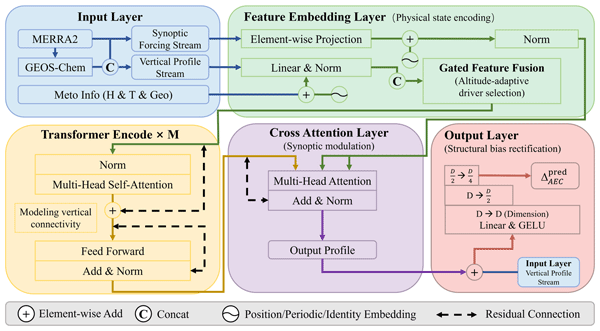
Atmospheric models struggle to accurately map suspended particles at different altitudes. We developed an artificial intelligence tool using multiple data sources to correct these errors, generating precise three-dimensional maps. This approach successfully reduces biases across Asia and North America. Beyond simply correcting data, our tool helps scientists pinpoint physical flaws in existing models, directly guiding improvements for future climate and air quality research.
Weibin Zhu, Sai Shang, Jieqi Wang, Yunfei Wu, Zhaoze Deng, Liang Ran, Ye Kuang, Guiqian Tang, Xiangpeng Huang, Xiaole Pan, Lanzhong Liu, Weiqi Xu, Yele Sun, Bo Hu, Zifa Wang, and Zirui Liu
Atmos. Chem. Phys., 26, 1947–1965, https://doi.org/10.5194/acp-26-1947-2026, https://doi.org/10.5194/acp-26-1947-2026, 2026
Short summary
Short summary
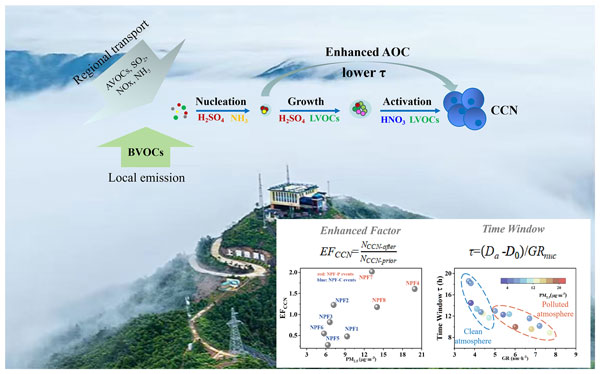
NPF (new particle formation) is a key global CCN (cloud condensation nuclei) source, but its contribution at the polluted boundary-layer top remains unclear. Based on mountaintop observations in the Yangtze River Delta, we show that under polluted conditions, NPF at the boundary-layer top is enhanced and accelerates its conversion to CCN. Ammonia plays a key role, and a newly defined "Time Window" metric highlights the importance of oxidation-driven growth and regional transport in this process.
Yun Chen, Dazhi Yang, Chunlin Huang, Hongrong Shi, Adam R. Jensen, Xiang'ao Xia, Yves-Marie Saint-Drenan, Christian A. Gueymard, Martin János Mayer, and Yanbo Shen
Atmos. Meas. Tech., 18, 7315–7336, https://doi.org/10.5194/amt-18-7315-2025, https://doi.org/10.5194/amt-18-7315-2025, 2025
Short summary
Short summary
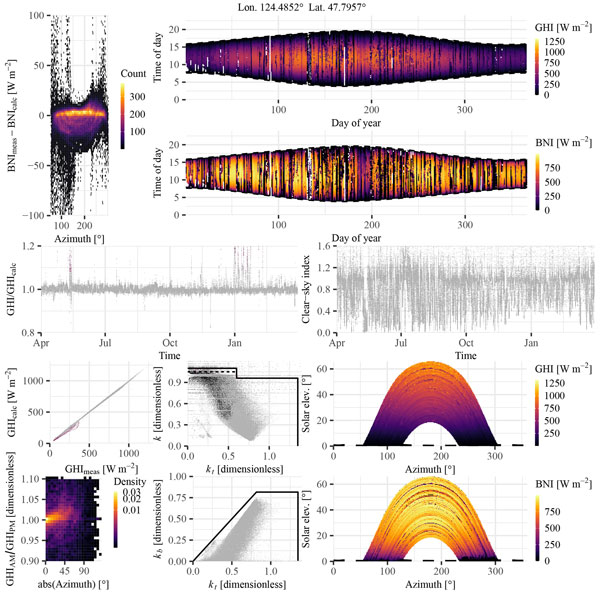
We tested two satellite-based irradiance datasets against both high- and low-accuracy ground-based measurements. The dataset is unique: it includes irradiance measurements from a new research-grade monitoring station in a rare climate, along with new satellite data from China's Fengyun-4B geostationary satellite. Findings suggest that using low-accuracy measurements as a reference for validation can be risky.
Zengliang Luo, Hanjia Fu, Quanxi Shao, Wenwen Dong, Xi Chen, Xiangyi Ding, Lunche Wang, Xihui Gu, Ranjan Sarukkalige, Heqing Huang, and Huan Li
Hydrol. Earth Syst. Sci., 29, 4607–4635, https://doi.org/10.5194/hess-29-4607-2025, https://doi.org/10.5194/hess-29-4607-2025, 2025
Short summary
Short summary
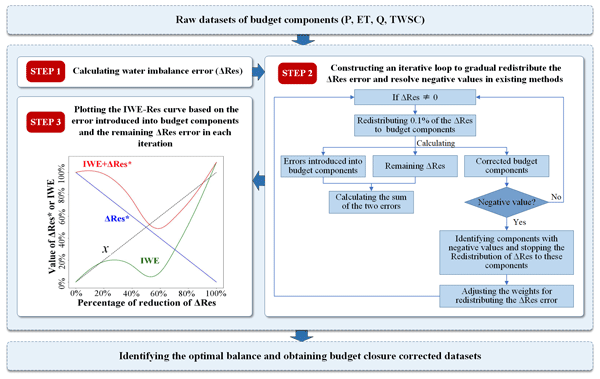
Existing correction methods may introduce large errors, and more seriously cause unrealistic negative values in P, ET and Q in up to 10 % of cases. A novel IWE-Res method is proposed to improve the accuracy and consistency of corrected satellite-based water budget component data. In most river basins (except cold regions), the best correction is achieved by adjusting 40 % to 90 % of the total water imbalance error.
Xi Chen, Ke Li, Ting Yang, Xipeng Jin, Lei Chen, Yang Yang, Shuman Zhao, Bo Hu, Bin Zhu, Zifa Wang, and Hong Liao
Atmos. Chem. Phys., 25, 9151–9168, https://doi.org/10.5194/acp-25-9151-2025, https://doi.org/10.5194/acp-25-9151-2025, 2025
Short summary
Short summary
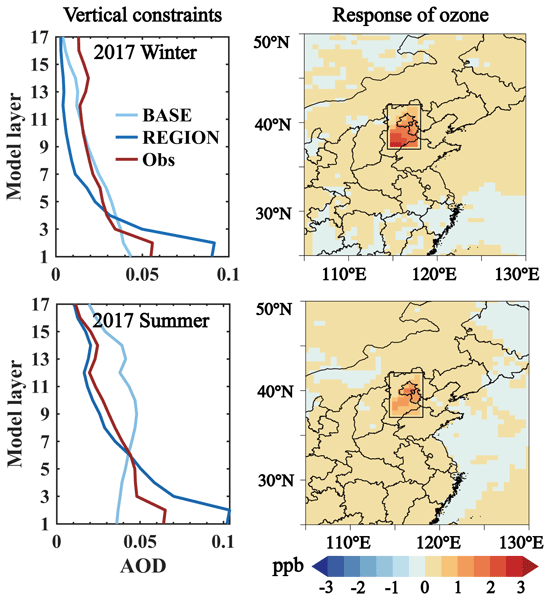
Aerosol vertical distribution that plays a crucial role in aerosol–photolysis interaction (API) remains underrepresented in chemical models. We integrated lidar and radiosonde observations to constrain the simulated aerosol profiles over North China and quantified the photochemical responses. The increased photolysis rates in the lower layers led to increased ozone and accounted for a 36 %–56 % reduction in API effects, resulting in enhanced atmospheric oxidizing capacity and aerosol formation.
Yichen Jiang, Su Shi, Xinyue Li, Chang Xu, Haidong Kan, Bo Hu, and Xia Meng
Earth Syst. Sci. Data, 16, 4655–4672, https://doi.org/10.5194/essd-16-4655-2024, https://doi.org/10.5194/essd-16-4655-2024, 2024
Short summary
Short summary
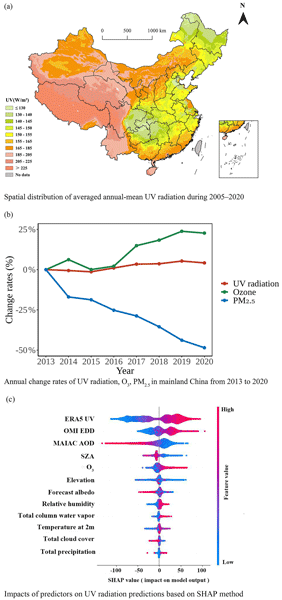
Limited ultraviolet (UV) measurements hindered further investigation of its health effects. This study used a machine learning algorithm to predict UV radiation with a daily and 10 km resolution of high accuracy in mainland China in 2005–2020. Then, uneven spatial distribution and population exposure risks as well as increased temporal trend of UV radiation were found in China. The long-term and high-quality UV dataset could further facilitate health-related research in the future.
Lucas Ferreira Correa, Doris Folini, Boriana Chtirkova, and Martin Wild
Atmos. Chem. Phys., 24, 8797–8819, https://doi.org/10.5194/acp-24-8797-2024, https://doi.org/10.5194/acp-24-8797-2024, 2024
Short summary
Short summary
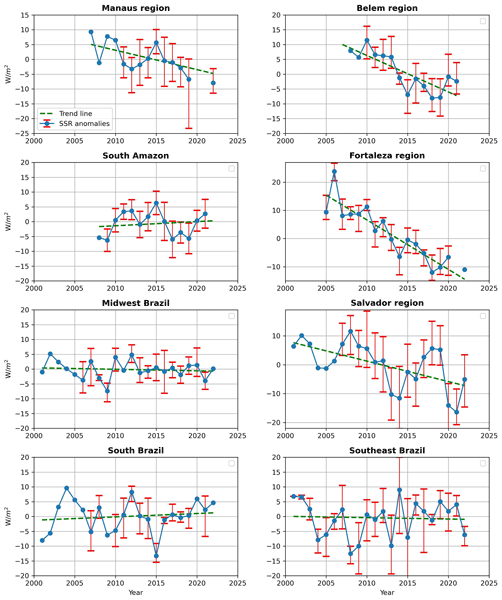
We investigated the causes of the decadal trends of solar radiation measured at 34 stations in Brazil in the first 2 decades of the 21st century. We observed strong negative trends in north and northeast Brazil associated with changes in both atmospheric absorption (anthropogenic) and cloud cover (natural). In other parts of the country no strong trends were observed as a result of competing effects. This provides a better understanding of the energy balance in the region.
Junli Yang, Weijun Quan, Li Zhang, Jianglin Hu, Qiying Chen, and Martin Wild
Geosci. Model Dev. Discuss., https://doi.org/10.5194/gmd-2024-74, https://doi.org/10.5194/gmd-2024-74, 2024
Revised manuscript not accepted
Short summary
Short summary
Due to the difficulties involved in the measurements of the Downward long-wave irradiance (DnLWI), the numerical weather prediction (NWP) models have been developed to obtain the DnLWI indirectly. In this study, a long-term high time-resolution (1 min) observational dataset of the DnLWI in China was used to evaluate the radiation scheme in the CMA-MESO model over various underlying surfaces and climate zones.
Hui Li, Xiaobo Wang, Shaoqiang Wang, Jinyuan Liu, Yuanyuan Liu, Zhenhai Liu, Shiliang Chen, Qinyi Wang, Tongtong Zhu, Lunche Wang, and Lizhe Wang
Earth Syst. Sci. Data, 16, 1689–1701, https://doi.org/10.5194/essd-16-1689-2024, https://doi.org/10.5194/essd-16-1689-2024, 2024
Short summary
Short summary
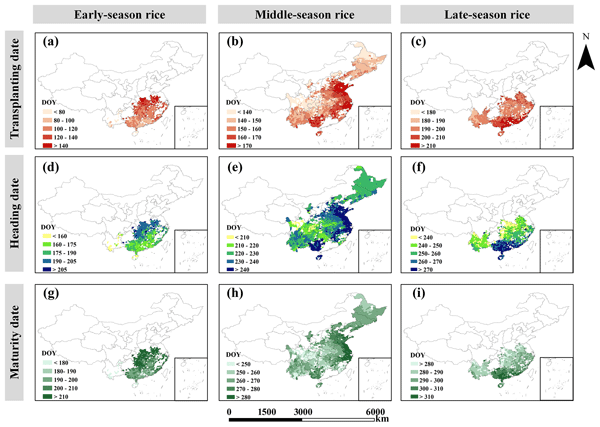
Utilizing satellite remote sensing data, we established a multi-season rice calendar dataset named ChinaRiceCalendar. It exhibits strong alignment with field observations collected by agricultural meteorological stations across China. ChinaRiceCalendar stands as a reliable dataset for investigating and optimizing the spatiotemporal dynamics of rice phenology in China, particularly in the context of climate and land use changes.
Weijun Quan, Zhenfa Wang, Lin Qiao, Xiangdong Zheng, Junli Jin, Yinruo Li, Xiaomei Yin, Zhiqiang Ma, and Martin Wild
Earth Syst. Sci. Data, 16, 961–983, https://doi.org/10.5194/essd-16-961-2024, https://doi.org/10.5194/essd-16-961-2024, 2024
Short summary
Short summary
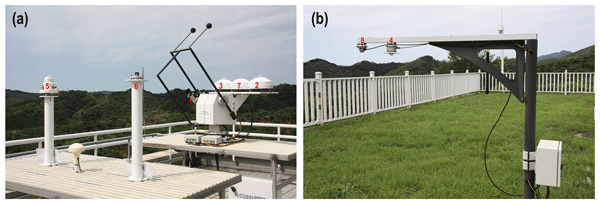
Radiation components play important roles in various fields such as the Earth’s surface radiation budget, ecosystem productivity, and human health. In this study, a dataset consisting of quality-assured daily data of nine radiation components is presented based on the in situ measurements at the Shangdianzi regional GAW station in China during 2013–2022. The dataset can be applied in the validation of satellite products and numerical models and investigation of atmospheric radiation.
Yinbao Jin, Yiming Liu, Xiao Lu, Xiaoyang Chen, Ao Shen, Haofan Wang, Yinping Cui, Yifei Xu, Siting Li, Jian Liu, Ming Zhang, Yingying Ma, and Qi Fan
Atmos. Chem. Phys., 24, 367–395, https://doi.org/10.5194/acp-24-367-2024, https://doi.org/10.5194/acp-24-367-2024, 2024
Short summary
Short summary
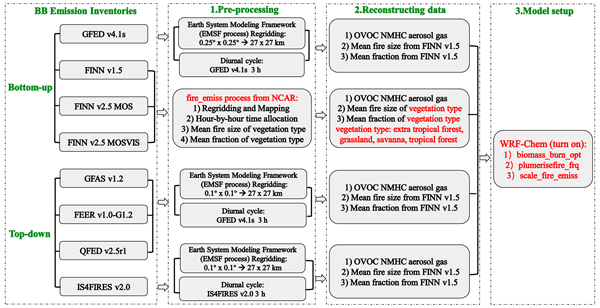
This study aims to address these issues by evaluating eight independent biomass burning (BB) emission inventories (GFED, FINN1.5, FINN2.5 MOS, FINN2.5 MOSVIS, GFAS, FEER, QFED, and IS4FIRES) using the WRF-Chem model and analyzing their impact on aerosol optical properties (AOPs) and direct radiative forcing (DRF) during wildfire events in peninsular Southeast Asia (PSEA) that occurred in March 2019.
Boyang Jiao, Yucheng Su, Qingxiang Li, Veronica Manara, and Martin Wild
Earth Syst. Sci. Data, 15, 4519–4535, https://doi.org/10.5194/essd-15-4519-2023, https://doi.org/10.5194/essd-15-4519-2023, 2023
Short summary
Short summary
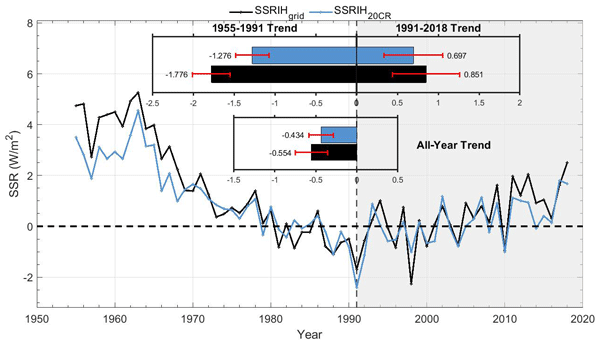
This paper develops an observational integrated and homogenized global-terrestrial (except for Antarctica) SSRIH station. This is interpolated into a 5° × 5° SSRIH grid and reconstructed into a long-term (1955–2018) global land (except for Antarctica) 5° × 2.5° SSR anomaly dataset (SSRIH20CR) by an improved partial convolutional neural network deep-learning method. SSRIH20CR yields trends of −1.276 W m−2 per decade over the dimming period and 0.697 W m−2 per decade over the brightening period.
Qiuyan Wang, Hua Zhang, Su Yang, Qi Chen, Xixun Zhou, Bing Xie, Yuying Wang, Guangyu Shi, and Martin Wild
Atmos. Chem. Phys., 22, 15867–15886, https://doi.org/10.5194/acp-22-15867-2022, https://doi.org/10.5194/acp-22-15867-2022, 2022
Short summary
Short summary
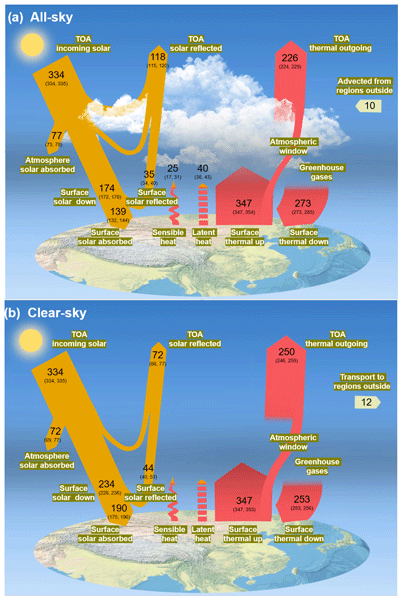
The present-day land energy balance over East Asia is estimated for the first time. Results indicate that high aerosol loadings, clouds, and the Tibet Plateau (TP) over East Asia play vital roles in the shortwave budgets, while the TP is responsible for the longwave budgets during this regional energy budget assessment. This study provides a perspective to understand fully how the potential factors influence the diversifying regional energy budget assessments.
Johannes Quaas, Hailing Jia, Chris Smith, Anna Lea Albright, Wenche Aas, Nicolas Bellouin, Olivier Boucher, Marie Doutriaux-Boucher, Piers M. Forster, Daniel Grosvenor, Stuart Jenkins, Zbigniew Klimont, Norman G. Loeb, Xiaoyan Ma, Vaishali Naik, Fabien Paulot, Philip Stier, Martin Wild, Gunnar Myhre, and Michael Schulz
Atmos. Chem. Phys., 22, 12221–12239, https://doi.org/10.5194/acp-22-12221-2022, https://doi.org/10.5194/acp-22-12221-2022, 2022
Short summary
Short summary
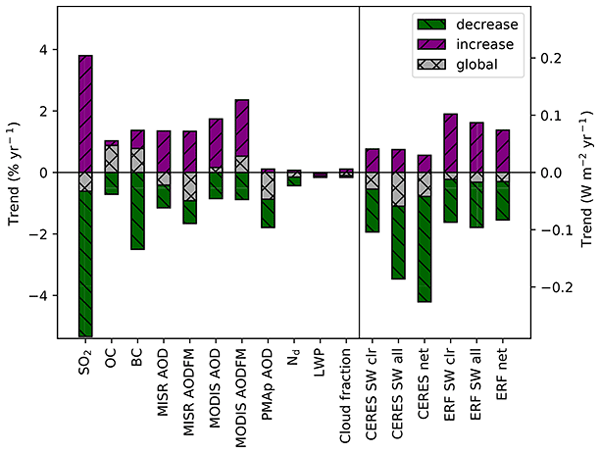
Pollution particles cool climate and offset part of the global warming. However, they are washed out by rain and thus their effect responds quickly to changes in emissions. We show multiple datasets to demonstrate that aerosol emissions and their concentrations declined in many regions influenced by human emissions, as did the effects on clouds. Consequently, the cooling impact on the Earth energy budget became smaller. This change in trend implies a relative warming.
Xinyuan Hou, Martin Wild, Doris Folini, Stelios Kazadzis, and Jan Wohland
Earth Syst. Dynam., 12, 1099–1113, https://doi.org/10.5194/esd-12-1099-2021, https://doi.org/10.5194/esd-12-1099-2021, 2021
Short summary
Short summary
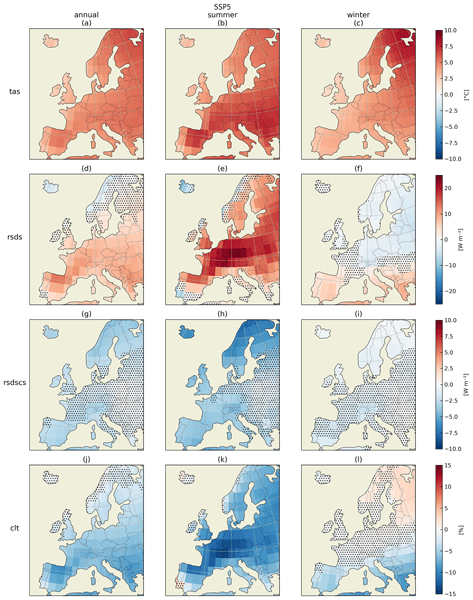
Solar photovoltaics (PV) matters for the carbon neutrality goal. We use climate scenarios to quantify climate risk for PV in Europe and find higher PV potential. The seasonal cycle of PV generation changes in most places. We find an increase in the spatial correlations of daily PV production, implying that PV power balancing through redistribution will be more difficult in the future. Thus, changes in the spatiotemporal structure of PV generation should be included in power system design.
Cited articles
Antón, M., Serrano, A., Cancillo, M. L., García, J. A., and Madronich, S.: Application of an analytical formula for UV Index reconstructions for two locations in Southwestern Spain, Tellus B, 63, 1052–1058, https://doi.org/10.1111/j.1600-0889.2011.00541.x, 2011.
Apell, J. N. and McNeill, K.: Updated and validated solar irradiance reference spectra for estimating environmental photodegradation rates, Environ. Sci.: Process. Imp., 21, 427–437, https://doi.org/10.1039/C8EM00478A, 2019.
Barbero, F. J., López, G., and Batlles, F. J.: Determination of daily solar ultraviolet radiation using statistical models and artificial neural networks, Ann. Geophys., 24, 2105–2114, https://doi.org/10.5194/angeo-24-2105-2006, 2006.
Bicer, Y., Sajid, M. U., and Al-Breiki, M.: Optimal spectra management for self-power producing greenhouses for hot arid climates, Renew. Sustain. Energ. Rev., 159, 112194, https://doi.org/10.1016/j.rser.2022.112194, 2022.
Bo, H., Yue-Si, W., and Guang-Ren, L.: Properties of Solar Radiation over Chinese Arid and Semi-Arid Areas, Atmos. Ocean. Sci. Lett., 2, 183–187, https://doi.org/10.1080/16742834.2009.11446790, 2009.
Booth, C. R., Lucas, T. B., Morrow, J. H., Weiler, C. S., and Penhale, P. A.: The United States National Science Foundation's Polar Network for Monitoring Ultraviolet Radiation, in: Ultraviolet Radiation in Antarctica: Measurements and Biological Effects, AGU – American Geophysical Union, 17–37, https://doi.org/10.1029/AR062p0017, 1994.
Chatzopoulou, K., Tourpali, K., Bais, A. F., and Braesicke, P.: Effects of different aerosol types on surface UV radiation in the 21st century, Atmos. Environ., 362, 121595, https://doi.org/10.1016/j.atmosenv.2025.121595, 2025.
Chubarova, N. E., Pastukhova, A. S., Zhdanova, E. Y., Volpert, E. V., Smyshlyaev, S. P., and Galin, V. Y.: Effects of Ozone and Clouds on Temporal Variability of Surface UV Radiation and UV Resources over Northern Eurasia Derived from Measurements and Modeling, Atmosphere, 11, 59, https://doi.org/10.3390/atmos11010059, 2020.
Ciren, P. and Li, Z.: Long-term global earth surface ultraviolet radiation exposure derived from ISCCP and TOMS satellite measurements, Agr. Forest Meteorol., 120, 51–68, https://doi.org/10.1016/j.agrformet.2003.08.033, 2003.
Čížková, K., Láska, K., Metelka, L., and Staněk, M.: Reconstruction and analysis of erythemal UV radiation time series from Hradec Králové (Czech Republic) over the past 50 years, Atmos. Chem. Phys., 18, 1805–1818, https://doi.org/10.5194/acp-18-1805-2018, 2018.
Fang, H., Qin, W., Wang, L., Zhang, M., and Yang, X.: Solar Brightening/Dimming over China's Mainland: Effects of Atmospheric Aerosols, Anthropogenic Emissions, and Meteorological Conditions, Remote Sens., 13, 88, https://doi.org/10.3390/rs13010088, 2021.
Fragkos, K., Fountoulakis, I., Charalampous, G., Papachristopoulou, K., Nisantzi, A., Hadjimitsis, D., and Kazadzis, S.: Twenty-Year Climatology of Solar UV and PAR in Cyprus: Integrating Satellite Earth Observations with Radiative Transfer Modeling, Remote Sens., 16, 1878, https://doi.org/10.3390/rs16111878, 2024.
Gelaro, R., McCarty, W., Suárez, M. J., Todling, R., Molod, A., Takacs, L., Randles, C. A., Darmenov, A., Bosilovich, M. G., Reichle, R., Wargan, K., Coy, L., Cullather, R., Draper, C., Akella, S., Buchard, V., Conaty, A., da Silva, A. M., Gu, W., Kim, G.-K., Koster, R., Lucchesi, R., Merkova, D., Nielsen, J. E., Partyka, G., Pawson, S., Putman, W., Rienecker, M., Schubert, S. D., Sienkiewicz, M., and Zhao, B.: The Modern-Era Retrospective Analysis for Research and Applications, Version 2 (MERRA-2), J. Climate, 30, 5419–5454, https://doi.org/10.1175/JCLI-D-16-0758.1, 2017.
Gong, W., Zhang, M., Hu, B., and Ma, Y.: Measurement and estimation of ultraviolet radiation in Pearl River Delta, China, J. Atmos. Sol.-Terr. Phy., 123, https://doi.org/10.1016/j.jastp.2014.12.010, 2014.
Goti, G., Manal, K., Sivaguru, J., and Dell'Amico, L.: The impact of UV light on synthetic photochemistry and photocatalysis, Nat. Chem., 16, 684–692, https://doi.org/10.1038/s41557-024-01472-6, 2024.
Gueymard, C. A.: Parameterized transmittance model for direct beam and circumsolar spectral irradiance, Solar Energy, 71, 325–346, https://doi.org/10.1016/S0038-092X(01)00054-8, 2001.
Gueymard, C. A.: The sun's total and spectral irradiance for solar energy applications and solar radiation models, Solar Energy, 76, 423–453, https://doi.org/10.1016/j.solener.2003.08.039, 2004.
Gueymard, C. A.: SMARTS code, version 2.9.5 For Linux USER'S MANUAL, Solar Consulting Services, https://www.nrel.gov/grid/solar-resource/smarts (last access: 10 October 2024), 2005.
Gueymard, C. A.: A review of validation methodologies and statistical performance indicators for modeled solar radiation data: Towards a better bankability of solar projects, Renew. Sustain. Energ. Rev., 39, 1024–1034, https://doi.org/10.1016/j.rser.2014.07.117, 2014.
Gueymard, C. A.: A reevaluation of the solar constant based on a 42-year total solar irradiance time series and a reconciliation of spaceborne observations, Solar Energy, 168, 2–9, https://doi.org/10.1016/j.solener.2018.04.001, 2018.
Gueymard, C. A.: The SMARTS spectral irradiance model after 25 years: New developments and validation of reference spectra, Solar Energy, 187, 233–253, https://doi.org/10.1016/j.solener.2019.05.048, 2019.
Gueymard, C. A. and Yang, D.: Worldwide validation of CAMS and MERRA-2 reanalysis aerosol optical depth products using 15 years of AERONET observations, Atmos. Environ., 225, 117216, https://doi.org/10.1016/j.atmosenv.2019.117216, 2020.
Habte, A., Sengupta, M., Gueymard, C. A., Narasappa, R., Rosseler, O., and Burns, D. M.: Estimating Ultraviolet Radiation From Global Horizontal Irradiance, IEEE J. Photovolt., 9, 139–146, https://doi.org/10.1109/JPHOTOV.2018.2871780, 2019.
Habte, A., Sengupta, M., and Gueymard, C. A.: Consensus International Solar Resource Standards and Best Practices Development, in: 2020 47th IEEE Photovoltaic Specialists Conference (PVSC), 1967–1971, https://doi.org/10.1109/PVSC45281.2020.9300559, 2020.
He, Q., Zhang, M., and Huang, B.: Spatio-temporal variation and impact factors analysis of satellite-based aerosol optical depth over China from 2002 to 2015, Atmos. Environ., 129, 79–90, https://doi.org/10.1016/j.atmosenv.2016.01.002, 2016.
Huang, G., Li, Z., Li, X., Liang, S., Yang, K., Wang, D., and Zhang, Y.: Estimating surface solar irradiance from satellites: Past, present, and future perspectives, Remote Sens. Environ., 233, 111371, https://doi.org/10.1016/j.rse.2019.111371, 2019.
Janjai, S., Buntung, S., Wattan, R., and Masiri, I.: Mapping solar ultraviolet radiation from satellite data in a tropical environment, Remote Sens. Environ., 114, 682–691, https://doi.org/10.1016/j.rse.2009.11.008, 2010.
Jesus, H. S., Coelho Costa, S. M. S., Ceballos, J. C., and Corrêa, M. P.: Cloud modification factor parametrization for solar UV based on the GOES satellite: Validation using ground-based measurements in São Paulo city, Brazil, Atmos. Environ., 309, 119942, https://doi.org/10.1016/j.atmosenv.2023.119942, 2023.
Jiang, H., Yang, Y., Wang, H., Bai, Y., and Bai, Y.: Surface Diffuse Solar Radiation Determined by Reanalysis and Satellite over East Asia: Evaluation and Comparison, Remote Sens., 12, 1387, https://doi.org/10.3390/rs12091387, 2020.
Jiang, Y., Shi, S., Li, X., Xu, C., Kan, H., Hu, B., and Meng, X.: A 10 km daily-level ultraviolet-radiation-predicting dataset based on machine learning models in China from 2005 to 2020, Earth Syst. Sci. Data, 16, 4655–4672, https://doi.org/10.5194/essd-16-4655-2024, 2024.
Katsambas, A., Varotsos, C. A., Veziryianni, G., and Antoniou, C.: Surface solar ultraviolet radiation: A theoretical approach of the SUVR reaching the ground in Athens, Greece, Environ. Sci. Pollut. Res., 4, 69–73, https://doi.org/10.1007/BF02986280, 1997.
Kouvarakis, G., Doukelis, Y., Mihalopoulos, N., Rapsomanikis, S., Sciare, J., and Blumthaler, M.: Chemical, physical, and optical characterization of aerosols during PAUR II experiment, J. Geophys. Res., 107, 8141, https://doi.org/10.1029/2000JD000291, 2002.
Krizan, P.: Attempt to Explore Ozone Mixing Ratio Data from Reanalyses for Trend Studies, Atmosphere, 15, 1298, https://doi.org/10.3390/atmos15111298, 2024.
Kujanpää, J. and Kalakoski, N.: Operational surface UV radiation product from GOME-2 and AVHRR/3 data, Atmos. Meas. Tech., 8, 4399–4414, https://doi.org/10.5194/amt-8-4399-2015, 2015.
Laguarda, A. and Abal, G.: Assessment of empirical models to estimate UV-A, UV-B and UV-E solar irradiance from GHI, Conference Proceedings, https://doi.org/10.18086/swc.2019.42.04, 2019.
Laguarda, A., Abal, G., Russo, P., and Habte, A.: Estimating UV-B, UV-Erithemic, and UV-A Irradiances From Global Horizontal Irradiance and MERRA-2 Ozone Column Information, J. Solar Energ. Eng., 147, https://doi.org/10.1115/1.4066202, 2024.
Laiwarin, P.: Development of monthly average hourly maps of vitamin D weighted solar ultraviolet radiation for Thailand using an empirical model from ground- and satellite-based data, Thesis, Silpakorn University, https://sure.su.ac.th/xmlui/handle/123456789/28462 (last access: 18 June 2024), 2023.
Lakkala, K., Kujanpää, J., Brogniez, C., Henriot, N., Arola, A., Aun, M., Auriol, F., Bais, A. F., Bernhard, G., De Bock, V., Catalfamo, M., Deroo, C., Diémoz, H., Egli, L., Forestier, J.-B., Fountoulakis, I., Garane, K., Garcia, R. D., Gröbner, J., Hassinen, S., Heikkilä, A., Henderson, S., Hülsen, G., Johnsen, B., Kalakoski, N., Karanikolas, A., Karppinen, T., Lamy, K., León-Luis, S. F., Lindfors, A. V., Metzger, J.-M., Minvielle, F., Muskatel, H. B., Portafaix, T., Redondas, A., Sanchez, R., Siani, A. M., Svendby, T., and Tamminen, J.: Validation of the TROPOspheric Monitoring Instrument (TROPOMI) surface UV radiation product, Atmos. Meas. Tech., 13, 6999–7024, https://doi.org/10.5194/amt-13-6999-2020, 2020.
Lamy, K., Portafaix, T., Brogniez, C., Lakkala, K., Pitkänen, M. R. A., Arola, A., Forestier, J.-B., Amelie, V., Toihir, M. A., and Rakotoniaina, S.: UV-Indien network: ground-based measurements dedicated to the monitoring of UV radiation over the western Indian Ocean, Earth Syst. Sci. Data, 13, 4275–4301, https://doi.org/10.5194/essd-13-4275-2021, 2021.
Leng, W., Wang, T., Wang, G., Letu, H., Wang, S., Xian, Y., Yan, X., and Zhang, Z.: All-sky surface and top-of-atmosphere shortwave radiation components estimation: Surface shortwave radiation, PAR, UV radiation, and TOA albedo, Remote Sens. Environ., 298, 113830, https://doi.org/10.1016/j.rse.2023.113830, 2023.
Li, T., Xin, X., Zhang, H., Yu, S., Li, L., Ye, Z., Liu, Q., and Cai, H.: Evaluation of Six Data Products of Surface Downward Shortwave Radiation in Tibetan Plateau Region, Remote Sens., 16, 791, https://doi.org/10.3390/rs16050791, 2024.
Li, Z., Wang, P., and Cihlar, J.: A simple and efficient method for retrieving surface UV radiation dose rate from satellite, J. Geophys. Res.-Atmos., 105, 5027–5036, https://doi.org/10.1029/1999JD900124, 2000.
Li, Z., Yang, X., and Tang, H.: Evaluation of the hourly ERA5 radiation product and its relationship with aerosols over China, Atmos. Res., 294, 106941, https://doi.org/10.1016/j.atmosres.2023.106941, 2023.
Lipponen, A., Ceccherini, S., Cortesi, U., Gai, M., Keppens, A., Masini, A., Simeone, E., Tirelli, C., and Arola, A.: Advanced Ultraviolet Radiation and Ozone Retrieval for Applications – Surface Ultraviolet Radiation Products, Atmosphere, 11, 324, https://doi.org/10.3390/atmos11040324, 2020.
Liu, H., Hu, B., Wang, Y., Liu, G., Tang, L., Ji, D., Bai, Y., Bao, W., Chen, X., Chen, Y., Ding, W., Han, X., He, F., Huang, H., Huang, Z., Li, X., Li, Y., Liu, W., Lin, L., Ouyang, Z., Qin, B., Shen, W., Shen, Y., Su, H., Song, C., Sun, B., Sun, S., Wang, A., Wang, G., Wang, H., Wang, S., Wang, Y., Wei, W., Xie, P., Xie, Z., Yan, X., Zeng, F., Zhang, F., Zhang, Y., Zhang, Y., Zhao, C., Zhao, W., Zhao, X., Zhou, G., and Zhu, B.: Two ultraviolet radiation datasets that cover China, Adv. Atmos. Sci., 34, 805–815, https://doi.org/10.1007/s00376-017-6293-1, 2017.
Lu, Y.-B., Wang, L.-C., Zhou, J.-J., Niu, Z.-G., Zhang, M., and Qin, W.-M.: Assessment of the high-resolution estimations of global and diffuse solar radiation using WRF-Solar, Adv. Clim. Change Res., 14, 720–731, https://doi.org/10.1016/j.accre.2023.09.009, 2023.
Ma, B., Burke-Bevis, S., Tiefel, L., Rosen, J., Feeney, B., and Linden, K. G.: Reflection of UVC wavelengths from common materials during surface UV disinfection: Assessment of human UV exposure and ozone generation, Sci. Total Environ., 869, 161848, https://doi.org/10.1016/j.scitotenv.2023.161848, 2023.
Meerkoetter, R., Wissinger, B., and Seckmeyer, G.: Surface UV from ERS-2/GOME and NOAA/AVHRR data: A case study, Geophys. Res. Lett., 24, 1939–1942, https://doi.org/10.1029/97GL01885, 1997.
Mouhib, E., Rodrigo, P. M., Micheli, L., Fernández, E. F., and Almonacid, F.: Quantifying the rear and front long-term spectral impact on bifacial photovoltaic modules, Solar Energy, 247, 202–213, https://doi.org/10.1016/j.solener.2022.10.035, 2022.
Muñoz-Sabater, J., Dutra, E., Agustí-Panareda, A., Albergel, C., Arduini, G., Balsamo, G., Boussetta, S., Choulga, M., Harrigan, S., Hersbach, H., Martens, B., Miralles, D. G., Piles, M., Rodríguez-Fernández, N. J., Zsoter, E., Buontempo, C., and Thépaut, J.-N.: ERA5-Land: a state-of-the-art global reanalysis dataset for land applications, Earth Syst. Sci. Data, 13, 4349–4383, https://doi.org/10.5194/essd-13-4349-2021, 2021.
Narayanan, D. L., Saladi, R. N., and Fox, J. L.: Review: Ultraviolet radiation and skin cancer, Int. J. Dermatol., 49, 978–986, https://doi.org/10.1111/j.1365-4632.2010.04474.x, 2010.
Neale, R. E., Lucas, R. M., Byrne, S. N., Hollestein, L., Rhodes, L. E., Yazar, S., Young, A. R., Berwick, M., Ireland, R. A., and Olsen, C. M.: The effects of exposure to solar radiation on human health, Photochem. Photobiol. Sci., 22, 1011–1047, https://doi.org/10.1007/s43630-023-00375-8, 2023.
Novotná, M., Láska, K., Cizkova, K., Metelka, L., and Staněk, M.: Variability of solar UV radiation in the northern mountains of the Czech Republic, 2020–2021, Czech Polar Reports, 14, https://doi.org/10.5817/CPR2024-1-8, 2024.
Ou, Y., Li, Z., Chen, C., Zhang, Y., Li, K., Shi, Z., Dong, J., Xu, H., Peng, Z., Xie, Y., and Luo, J.: Evaluation of MERRA-2 Aerosol Optical and Component Properties over China Using SONET and PARASOL/GRASP Data, Remote Sens., 14, 821, https://doi.org/10.3390/rs14040821, 2022.
Parisi, A. V., Igoe, D., Downs, N. J., Turner, J., Amar, A., and Jebar, M. A.: Satellite Monitoring of Environmental Solar Ultraviolet A (UVA) Exposure and Irradiance: A Review of OMI and GOME-2, Remote Sens., 13, 752, https://doi.org/10.3390/rs13040752, 2021.
Pei, C. and He, T.: UV Radiation Estimation in the United States Using Modis Data, in: IGARSS 2019 – 2019 IEEE International Geoscience and Remote Sensing Symposium, 1880–1883, https://doi.org/10.1109/IGARSS.2019.8900659, 2019.
Pelland, S. and Gueymard, C. A.: Validation of Photovoltaic Spectral Effects Derived From Satellite-Based Solar Irradiance Products, IEEE J. Photovolt., 12, 1361–1368, https://doi.org/10.1109/JPHOTOV.2022.3216501, 2022.
Peng, S., Du, Q., Wang, L., Lin, A., and Hu, B.: Long-term variations of ultraviolet radiation in Tibetan Plateau from observation and estimation, Int. J. Climatol., 35, 1245–1253, https://doi.org/10.1002/joc.4051, 2015.
Qi, Q., Wu, J., Gueymard, C. A., Qin, W., Wang, L., Zhou, Z., Niu, J., and Zhang, M.: Mapping of 10-km daily diffuse solar radiation across China from reanalysis data and a Machine-Learning method, Sci. Data, 11, 756, https://doi.org/10.1038/s41597-024-03609-1, 2024.
Qi, Q., Tan, Y., and Qin, W.: A 0.5 nm high-resolution (1 h, 10 km) surface solar clear-sky ultraviolet radiation dataset for China (1981–2023), Figshare [data set], https://doi.org/10.6084/m9.figshare.28234298, 2025.
Qin, J., Liu, H., Yin, X., Liu, M., Wang, J., Mao, T., Liu, M., Zhang, X., Zong, W., Lu, F., and Fu, L.: Inferring the Ionospheric State With the Far Ultraviolet Imager on the Fengyun-4C Geostationary Satellite: Retrieval Algorithm and Verification, Earth Space Sci,, 10, e2023EA003222, https://doi.org/10.1029/2023EA003222, 2023.
Qin, W., Wang, L., Wei, J., Hu, B., and Liang, X.: A novel efficient broadband model to derive daily surface solar Ultraviolet radiation (0.280–0.400 µm), Sci. Total Environ., 735, 139513, https://doi.org/10.1016/j.scitotenv.2020.139513, 2020a.
Qin, W., Wang, L., Gueymard, C. A., Bilal, M., Lin, A., Wei, J., Zhang, M., and Yang, X.: Constructing a gridded direct normal irradiance dataset in China during 1981–2014, Renew. Sustain. Energ. Rev., 131, 110004, https://doi.org/10.1016/j.rser.2020.110004, 2020b.
Roy, C. R., Gies, H. P., Lugg, D. J., Toomey, S., and Tomlinson, D. W.: The measurement of solar ultraviolet radiation, Mutation Res./Fundament. Molec. Mech. Mutagen., 422, 7–14, https://doi.org/10.1016/S0027-5107(98)00180-8, 1998.
Shine, K. P., Ptashnik, I. V., and Rädel, G.: The Water Vapour Continuum: Brief History and Recent Developments, Surv. Geophys., 33, 535–555, https://doi.org/10.1007/s10712-011-9170-y, 2012.
Su, W., Charlock, T. P., and Rose, F. G.: Deriving surface ultraviolet radiation from CERES surface and atmospheric radiation budget: Methodology, J. Geophys. Res.-Atmos., 110, https://doi.org/10.1029/2005JD005794, 2005.
Tang, W., Qin, J., Yang, K., Jiang, Y., and Pan, W.: Mapping long-term and high-resolution global gridded photosynthetically active radiation using the ISCCP H-series cloud product and reanalysis data, Earth Syst. Sci. Data, 14, 2007–2019, https://doi.org/10.5194/essd-14-2007-2022, 2022.
Thomas, P., Swaminathan, A., and Lucas, R. M.: Climate change and health with an emphasis on interactions with ultraviolet radiation: a review, Global Change Biol., 18, 2392–2405, https://doi.org/10.1111/j.1365-2486.2012.02706.x, 2012.
Tong, L., He, T., Ma, Y., and Zhang, X.: Evaluation and intercomparison of multiple satellite-derived and reanalysis downward shortwave radiation products in China, Int. J. Digit. Earth, 16, 1853–1884, https://doi.org/10.1080/17538947.2023.2212918, 2023.
Valappil, N. K. M., Mammen, P. C., de Oliveira-Júnior, J. F., Cardoso, K. R. A., and Hamza, V.: Assessment of spatiotemporal variability of ultraviolet index (UVI) over Kerala, India, using satellite remote sensing (OMI/AURA) data, Environ. Monit. Assess., 196, 106, https://doi.org/10.1007/s10661-023-12239-w, 2024.
Verdebout, J.: A method to generate surface UV radiation maps over Europe using GOME, Meteosat, and ancillary geophysical data, J. Geophys. Res.-Atmos., 105, 5049–5058, https://doi.org/10.1029/1999JD900302, 2000.
Verstraeten, W. W., Neu, J. L., Williams, J. E., Bowman, K. W., Worden, J. R., and Boersma, K. F.: Rapid increases in tropospheric ozone production and export from China, Nat. Geosci., 8, 690–695, https://doi.org/10.1038/ngeo2493, 2015.
Wang, L., Gong, W., Ma, Y., Hu, B., Wang, W., and Zhang, M.: Analysis of ultraviolet radiation in Central China from observation and estimation, Energy, 59, 764–774, https://doi.org/10.1016/j.energy.2013.07.017, 2013.
Wang, Q., Wang, Y., Xu, N., Mao, J., Sun, L., Shi, E., Hu, X., Chen, L., Yang, Z., Si, F., Liu, J., and Zhang, P.: Preflight Spectral Calibration of the Ozone Monitoring Suite-Nadir on FengYun 3F Satellite, Remote Sens., 16, 1538, https://doi.org/10.3390/rs16091538, 2024.
Wang, W., Xie, P., Yoo, S.-H., Xue, Y., Kumar, A., and Wu, X.: An assessment of the surface climate in the NCEP climate forecast system reanalysis, Clim. Dynam., 37, 1601–1620, https://doi.org/10.1007/s00382-010-0935-7, 2011.
Wang, W., Matthes, K., Tian, W., Park, W., Shangguan, M., and Ding, A.: Solar impacts on decadal variability of tropopause temperature and lower stratospheric (LS) water vapour: a mechanism through ocean–atmosphere coupling, Clim. Dynam., 52, 5585–5604, https://doi.org/10.1007/s00382-018-4464-0, 2019.
Wielicki, B. A., Barkstrom, B. R., Baum, B. A., Charlock, T. P., Green, R. N., Kratz, D. P., Lee, R. B., Minnis, P., Smith, G. L., Wong, T., Young, D. F., Cess, R. D., Coakley, J. A., Crommelynck, D. A. H., Donner, L., Kandel, R., King, M. D., Miller, A. J., Ramanathan, V., Randall, D. A., Stowe, L. L., and Welch, R. M.: Clouds and the Earth's Radiant Energy System (CERES): algorithm overview, IEEE T. Geosci. Remote, 36, 1127–1141, https://doi.org/10.1109/36.701020, 1998.
Williamson, C. E., Zepp, R. G., Lucas, R. M., Madronich, S., Austin, A. T., Ballaré, C. L., Norval, M., Sulzberger, B., Bais, A. F., McKenzie, R. L., Robinson, S. A., Häder, D.-P., Paul, N. D., and Bornman, J. F.: Solar ultraviolet radiation in a changing climate, Nat. Clim. Change, 4, 434–441, https://doi.org/10.1038/nclimate2225, 2014.
Wu, J., Fang, H., Qin, W., Wang, L., Song, Y., Su, X., and Zhang, Y.: Constructing High-Resolution (10 km) Daily Diffuse Solar Radiation Dataset across China during 1982–2020 through Ensemble Model, Remote Sens., 14, 3695, https://doi.org/10.3390/rs14153695, 2022a.
Wu, J., Qin, W., Wang, L., Hu, B., Song, Y., and Zhang, M.: Mapping clear-sky surface solar ultraviolet radiation in China at 1 km spatial resolution using Machine Learning technique and Google Earth Engine, Atmos. Environ., 286, 119219, https://doi.org/10.1016/j.atmosenv.2022.119219, 2022b.
Wu, J., Niu, J., Qi, Q., Gueymard, C. A., Wang, L., Qin, W., and Zhou, Z.: Reconstructing 10-km-resolution direct normal irradiance dataset through a hybrid algorithm, Renew. Sustain. Energ. Rev., 204, 114805, https://doi.org/10.1016/j.rser.2024.114805, 2024.
Wu, Y., Zhong, Y., Liu, S., Xu, G., Xiao, C., Wu, X., Xie, B., and Li, Z.: Hydrogeodesy Facilitates the Accurate Assessment of Extreme Drought Events, J. Earth Sci., 36, 347–350, https://doi.org/10.1007/s12583-024-0123-z, 2025.
Wu, Z., Huang, N. E., Long, S. R., and Peng, C. K.: On the trend, detrending, and variability of nonlinear and nonstationary time series, P. Natl. Acad. Sci. USA, 104, 14889–14894, https://doi.org/10.1073/pnas.0701020104, 2007.
Xia, X., Li, Z., Wang, P., Cribb, M., Chen, H., and Zhao, Y.: Analysis of relationships between ultraviolet radiation (295–385 nm) and aerosols as well as shortwave radiation in North China Plain, Ann. Geophys., 26, 2043–2052, https://doi.org/10.5194/angeo-26-2043-2008, 2008.
Xia, Y., Hu, Y., Huang, Y., Bian, J., and Zhao, C.: Stratospheric ozone loss-induced cloud effects lead to less surface ultraviolet radiation over the Siberian Arctic in spring, Environ. Res. Lett., 16, 084057, https://doi.org/10.1088/1748-9326/ac18e9, 2021.
Xue, Y. and Igari, S.: Reference Solar Spectra and Their Generation Models, J. Sci. Technol. Light., 46, 6–18, https://doi.org/10.2150/jstl.IEIJJ22000657, 2023.
Zerefos, C., Fountoulakis, I., Eleftheratos, K., and Kazantzidis, A.: Long-term variability of human health-related solar ultraviolet-B radiation doses from the 1980s to the end of the 21st century, Physiol. Rev., 103, https://doi.org/10.1152/physrev.00031.2022, 2023.
Zhang, H., Wang, J., Castro García, L., Zeng, J., Dennhardt, C., Liu, Y., and Krotkov, N. A.: Surface erythemal UV irradiance in the continental United States derived from ground-based and OMI observations: quality assessment, trend analysis and sampling issues, Atmos. Chem. Phys., 19, 2165–2181, https://doi.org/10.5194/acp-19-2165-2019, 2019.
Zhu, L., Shu, S., Wang, Z., and Bi, L.: More or less: How do inhomogeneous sea-salt aerosols affect the precipitation of landfalling tropical cyclones?, Geophys. Res. Lett., 49, e2021GL097023, https://doi.org/10.1029/2021GL097023, 2022.
Short summary
This research presents China's first long-term (1981–2023) hyperspectral ultraviolet radiation dataset with exceptional 0.5 nm spectral resolution. The spectral detail enables precise identification of UV absorption characteristics and atmospheric interactions previously obscured in conventional broadband measurements. These results provide new capabilities for monitoring ozone depletion, and optimizing solar energy systems across China's diverse climatic regions.
This research presents China's first long-term (1981–2023) hyperspectral ultraviolet radiation...


Altmetrics
Final-revised paper
Preprint