Articles | Volume 18, issue 9
https://doi.org/10.5194/essd-18-6763-2026
© Author(s) 2026. This work is distributed under
the Creative Commons Attribution 4.0 License.
the Creative Commons Attribution 4.0 License.
https://doi.org/10.5194/essd-18-6763-2026
© Author(s) 2026. This work is distributed under
the Creative Commons Attribution 4.0 License.
the Creative Commons Attribution 4.0 License.
Data description article
| 
14 Sep 2026
Data description article |
| 14 Sep 2026
| 14 Sep 2026
TPHH: a long-term (1901–2023) high-resolution (1∕30°) near-surface humidity dataset for the Tibetan Plateau generated via spatial downscaling based on hybrid-structure deep learning
Zheng Jin
College of Geography and Planning, Chengdu University of Technology, Chengdu 610059, China

Data Science & Artificial Intelligence Research Institute, China Unicom, No. 21 Financial Street, Beijing 100013, China
Unicom Data Intelligence, China Unicom, No. 21 Financial Street, Beijing 100013, China
Qinglong You
Department of Atmospheric and Oceanic Sciences & Institute of Atmospheric Sciences, Fudan University, Shanghai 200438, China
Zhaoxiang Liu
CORRESPONDING AUTHOR
Data Science & Artificial Intelligence Research Institute, China Unicom, No. 21 Financial Street, Beijing 100013, China
Unicom Data Intelligence, China Unicom, No. 21 Financial Street, Beijing 100013, China
Jintao Zhang
Yunnan Key Laboratory of Plateau Geographical Process and Environmental Changes, Faculty of Geography, Yunnan Normal University, Kunming 650050, China
Huan Hu
Data Science & Artificial Intelligence Research Institute, China Unicom, No. 21 Financial Street, Beijing 100013, China
Unicom Data Intelligence, China Unicom, No. 21 Financial Street, Beijing 100013, China
Ping Chen
Data Science & Artificial Intelligence Research Institute, China Unicom, No. 21 Financial Street, Beijing 100013, China
Unicom Data Intelligence, China Unicom, No. 21 Financial Street, Beijing 100013, China
Xiang Liu
Data Science & Artificial Intelligence Research Institute, China Unicom, No. 21 Financial Street, Beijing 100013, China
Unicom Data Intelligence, China Unicom, No. 21 Financial Street, Beijing 100013, China
Zipeng Wang
Data Science & Artificial Intelligence Research Institute, China Unicom, No. 21 Financial Street, Beijing 100013, China
Unicom Data Intelligence, China Unicom, No. 21 Financial Street, Beijing 100013, China
Kai Wang
Data Science & Artificial Intelligence Research Institute, China Unicom, No. 21 Financial Street, Beijing 100013, China
Unicom Data Intelligence, China Unicom, No. 21 Financial Street, Beijing 100013, China
Shiguo Lian
CORRESPONDING AUTHOR
Data Science & Artificial Intelligence Research Institute, China Unicom, No. 21 Financial Street, Beijing 100013, China
Unicom Data Intelligence, China Unicom, No. 21 Financial Street, Beijing 100013, China
Shichang Kang
Institute of Mountain Hazards and Environment, Chinese Academy of Sciences, Chengdu 610299, China
Related authors
Chenxi Wang, Zheng Jin, Yang Liu, Mengxin Bai, Weijia Wang, Yingzhuo Yu, and Liantang Deng
EGUsphere, https://doi.org/10.5194/egusphere-2024-3180, https://doi.org/10.5194/egusphere-2024-3180, 2024
Preprint archived
Short summary
Short summary
Using near surface atmospheric pollutant reanalysis and remote sensing measurements, a dipole-like spatial pattern of near surface ozone trap across two megacities of the Sichuan Basin is demonstrated during 2013–2019. Unexpectedly, Chongqing has the deeper ozone trap compared to Chengdu despite its lower urbanization level. Results showed the ozone trap pattern aligns more closely with meteorological condition rather than chemical condition.
Qiangqiang Xu, Shichang Kang, Wentao Du, Wei Wu, Zhaofu Hu, Xiaobo He, Bo Cao, and Biwen Xie
EGUsphere, https://doi.org/10.5194/egusphere-2026-4065, https://doi.org/10.5194/egusphere-2026-4065, 2026
Short summary
Short summary
Using frequent high-resolution satellite images, we reconstructed repeated drainage from lakes on the surface of Purepu Glacier in 2023 and 2025. The lakes reached similar sizes before drainage, but the 2025 event released much more water and left substantial residual water into 2026. The results show that lake area alone cannot describe drainage hazard and support intensive monitoring during early to mid-July 2026.
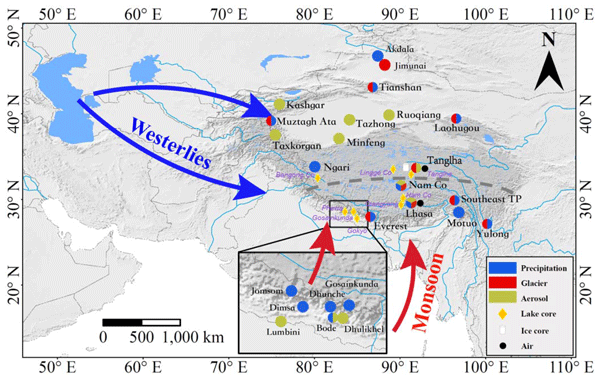
Shichang Kang, Jie Huang, Qianggong Zhang, Junming Guo, Xiufeng Yin, Shiwei Sun, Xuejun Sun, Lekhendra Tripathee, Sabur Abdullaev, Wenjun Tang, Yi Zhang, Xiwen Miao, Liujian Liao, and Lusheng Che
Earth Syst. Sci. Data, 18, 4943–4963, https://doi.org/10.5194/essd-18-4943-2026, https://doi.org/10.5194/essd-18-4943-2026, 2026
Short summary
Short summary
The Third Pole is a critical region for studying global mercury (Hg) cycling due to its extensive cryosphere. This comprehensive dataset-spanning air, aerosols, precipitation, glaciers, soils, surface waters, ice cores, and sediments-was collected through the Atmospheric Pollution and Cryospheric Change program. It reveals spatial and temporal Hg patterns influenced by emissions, transport, and deposition processes. The data support interdisciplinary research on multi-sphere interactions.
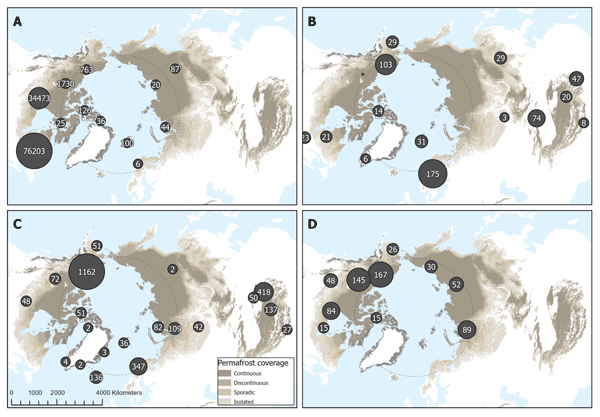
Christine L. Olson, Kevin Schaefer, Alyssa Azaroff, Hélène Angot, Sasiri Bandara, Thomas A. Douglas, Bo Elberling, Maria Florencia Fahnestock, Xinbin Feng, Charlotte Haugk, Gustaf Hugelius, Erfan Jahangir, Sofi Jonsson, Shichang Kang, Adam Kirkwood, Jennifer Korosi, Igor Lehnherr, Artem Lim, Rinat Manasypov, Dmitriy Moskovchenko, Mina Nasr, Daniel Obrist, David Olefeldt, Connor Olson, Oleg Pokrovsky, Laura Sereni, Sarah Shakil, M. Isabel Smith, Jens Søndergaard, Jeroen Sonke, Kasia Staniszewska, Jens Strauss, Kyra St. Pierre, Lauren Thompson, Andrey Yurtaev, Yanxu Zhang, and Scott Zolkos
Earth Syst. Sci. Data, 18, 4509–4522, https://doi.org/10.5194/essd-18-4509-2026, https://doi.org/10.5194/essd-18-4509-2026, 2026
Short summary
Short summary
Permafrost regions store large amounts of mercury, a toxic pollutant that can be released as the ground warms. We combined thousands of measurements from soils, plants, water, and lake sediments into one open database to better understand where mercury is stored and how it moves. The results show clear differences among environments and reveal major data gaps, helping improve future research, monitoring, and decision-making.
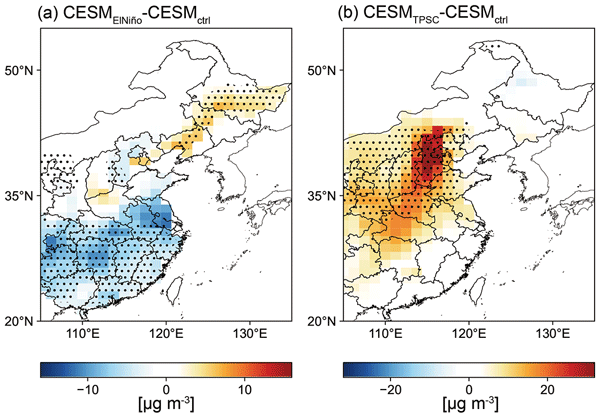
Xiaorui Zhang, Yuyang Han, Siyu Chen, Xiadong An, Chen Sheng, Wansuo Duan, Xi Chen, Qinglong You, Xingyue Hao, Ziqi Qiu, Zhihan Zhang, Zicheng Zhuang, and Meng Gao
Atmos. Chem. Phys., 26, 9207–9219, https://doi.org/10.5194/acp-26-9207-2026, https://doi.org/10.5194/acp-26-9207-2026, 2026
Short summary
Short summary
This study examines how snow cover over the Tibetan Plateau and oceanic conditions influence air quality in China during winter. By analyzing weather data and pollution levels, we found that variations in snow cover affect weather patterns linked to fine particulate matter pollution. Our results emphasize the need to consider both snow and ocean influences in air quality predictions, aiming to improve forecasting models and support better public health and environmental management strategies.
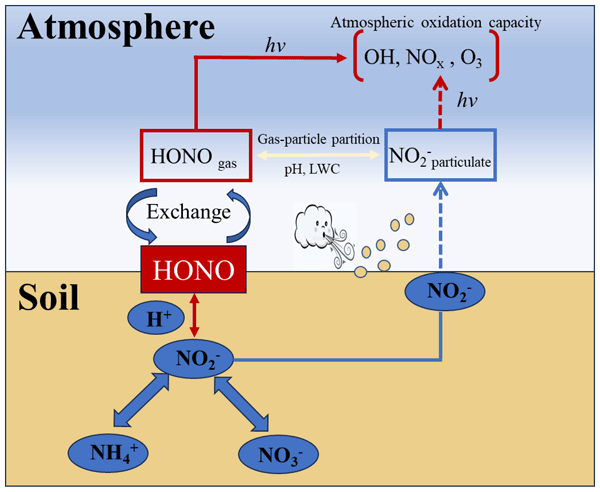
Zhongyi Zhang, Chunxiang Ye, Yichao Wu, Tao Zhou, Pengfei Chen, Shichang Kang, Chong Zhang, Zhuang Jiang, and Lei Geng
Atmos. Chem. Phys., 25, 10625–10641, https://doi.org/10.5194/acp-25-10625-2025, https://doi.org/10.5194/acp-25-10625-2025, 2025
Short summary
Short summary
This study reveals unexpectedly high levels of particulate nitrite at the Base Camp of Mt. Qomolangma, which overwhelmingly exists in coarse mode, and demonstrates that lofted surface soil and long-range transported pollutants contribute to the high levels of nitrite. The high particulate nitrite is likely to participate in atmospheric reactive nitrogen cycling through gas-particle partitioning or photolysis, leading to production of HONO, OH and NO and thereby influencing oxidation chemistry.
Chenxi Wang, Zheng Jin, Yang Liu, Mengxin Bai, Weijia Wang, Yingzhuo Yu, and Liantang Deng
EGUsphere, https://doi.org/10.5194/egusphere-2024-3180, https://doi.org/10.5194/egusphere-2024-3180, 2024
Preprint archived
Short summary
Short summary
Using near surface atmospheric pollutant reanalysis and remote sensing measurements, a dipole-like spatial pattern of near surface ozone trap across two megacities of the Sichuan Basin is demonstrated during 2013–2019. Unexpectedly, Chongqing has the deeper ozone trap compared to Chengdu despite its lower urbanization level. Results showed the ozone trap pattern aligns more closely with meteorological condition rather than chemical condition.
Chaman Gul, Shichang Kang, Yuanjian Yang, Xinlei Ge, and Dong Guo
EGUsphere, https://doi.org/10.5194/egusphere-2024-1144, https://doi.org/10.5194/egusphere-2024-1144, 2024
Preprint archived
Short summary
Short summary
Long-term variations in upper atmospheric temperature and water vapor in the selected domains of time and space are presented. The temperature during the past two decades showed a cooling trend and water vapor showed an increasing trend and had an inverse relation with temperature in selected domains of space and time. Seasonal temperature variations are distinct, with a summer minimum and a winter maximum. Our results can be an early warning indication for future climate change.
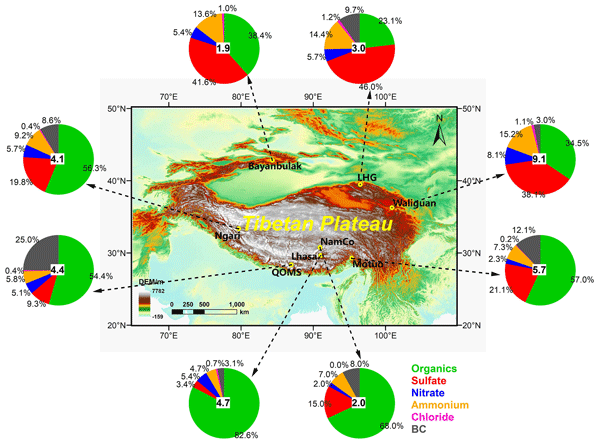
Jianzhong Xu, Xinghua Zhang, Wenhui Zhao, Lixiang Zhai, Miao Zhong, Jinsen Shi, Junying Sun, Yanmei Liu, Conghui Xie, Yulong Tan, Kemei Li, Xinlei Ge, Qi Zhang, and Shichang Kang
Earth Syst. Sci. Data, 16, 1875–1900, https://doi.org/10.5194/essd-16-1875-2024, https://doi.org/10.5194/essd-16-1875-2024, 2024
Short summary
Short summary
A comprehensive aerosol observation project was carried out in the Tibetan Plateau (TP) and its surroundings in recent years to investigate the properties and sources of atmospheric aerosols as well as their regional differences by performing multiple intensive field observations. The release of this dataset can provide basic and systematic data for related research in the atmospheric, cryospheric, and environmental sciences in this unique region.
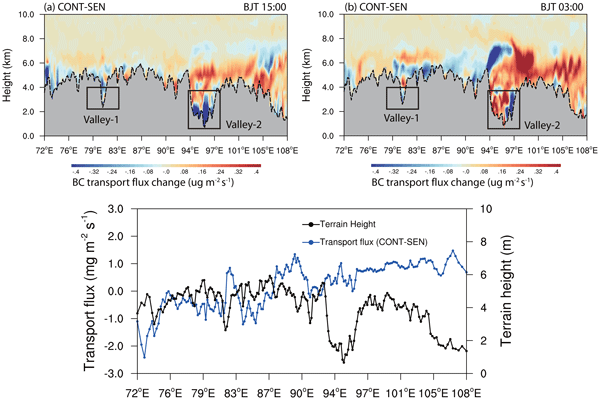
Yuling Hu, Haipeng Yu, Shichang Kang, Junhua Yang, Mukesh Rai, Xiufeng Yin, Xintong Chen, and Pengfei Chen
Atmos. Chem. Phys., 24, 85–107, https://doi.org/10.5194/acp-24-85-2024, https://doi.org/10.5194/acp-24-85-2024, 2024
Short summary
Short summary
The Tibetan Plateau (TP) saw a record-breaking aerosol pollution event from April 20 to May 10, 2016. We studied the impact of aerosol–meteorology feedback on the transboundary transport flux of black carbon (BC) during this severe pollution event. It was found that the aerosol–meteorology feedback decreases the transboundary transport flux of BC from the central and western Himalayas towards the TP. This study is of great significance for the protection of the ecological environment of the TP.
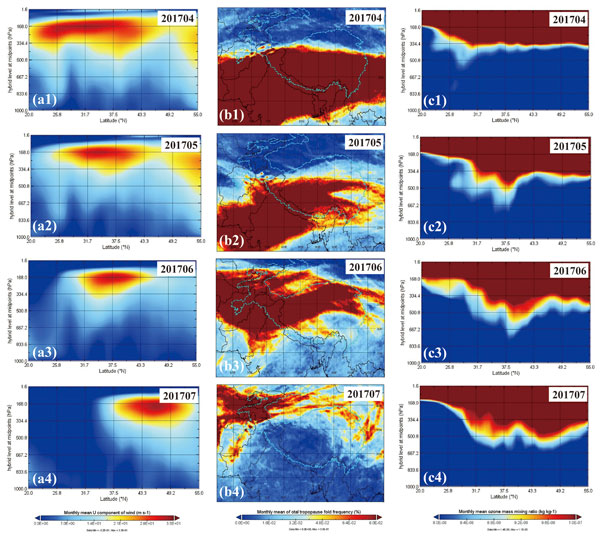
Xiufeng Yin, Dipesh Rupakheti, Guoshuai Zhang, Jiali Luo, Shichang Kang, Benjamin de Foy, Junhua Yang, Zhenming Ji, Zhiyuan Cong, Maheswar Rupakheti, Ping Li, Yuling Hu, and Qianggong Zhang
Atmos. Chem. Phys., 23, 10137–10143, https://doi.org/10.5194/acp-23-10137-2023, https://doi.org/10.5194/acp-23-10137-2023, 2023
Short summary
Short summary
The monthly mean surface ozone concentrations peaked earlier in the south in April and May and later in the north in June and July over the Tibetan Plateau. The migration of monthly surface ozone peaks was coupled with the synchronous movement of tropopause folds and the westerly jet that created conditions conducive to stratospheric ozone intrusion. Stratospheric ozone intrusion significantly contributed to surface ozone across the Tibetan Plateau.
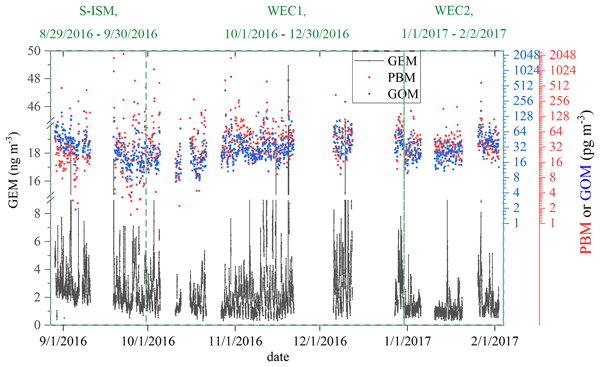
Huiming Lin, Yindong Tong, Long Chen, Chenghao Yu, Zhaohan Chu, Qianru Zhang, Xiufeng Yin, Qianggong Zhang, Shichang Kang, Junfeng Liu, James Schauer, Benjamin de Foy, and Xuejun Wang
Atmos. Chem. Phys., 23, 3937–3953, https://doi.org/10.5194/acp-23-3937-2023, https://doi.org/10.5194/acp-23-3937-2023, 2023
Short summary
Short summary
Lhasa is the largest city in the Tibetan Plateau, and its atmospheric mercury concentrations represent the highest level of pollution in this region. Unexpectedly high concentrations of atmospheric mercury species were found. Combined with the trajectory analysis, the high atmospheric mercury concentrations may have originated from external long-range transport. Local sources, especially special mercury-related sources, are important factors influencing the variability of atmospheric mercury.
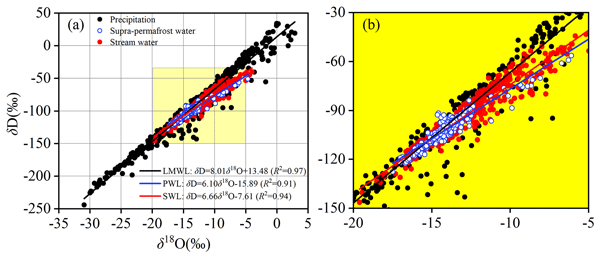
Shaoyong Wang, Xiaobo He, Shichang Kang, Hui Fu, and Xiaofeng Hong
The Cryosphere, 16, 5023–5040, https://doi.org/10.5194/tc-16-5023-2022, https://doi.org/10.5194/tc-16-5023-2022, 2022
Short summary
Short summary
This study used the sine-wave exponential model and long-term water stable isotopic data to estimate water mean residence time (MRT) and its influencing factors in a high-altitude permafrost catchment (5300 m a.s.l.) in the central Tibetan Plateau (TP). MRT for stream and supra-permafrost water was estimated at 100 and 255 d, respectively. Climate and vegetation factors affected the MRT of stream and supra-permafrost water mainly by changing the thickness of the permafrost active layer.
Jizu Chen, Wentao Du, Shichang Kang, Xiang Qin, Weijun Sun, Yang Li, Yushuo Liu, Lihui Luo, and Youyan Jiang
The Cryosphere Discuss., https://doi.org/10.5194/tc-2022-179, https://doi.org/10.5194/tc-2022-179, 2022
Preprint withdrawn
Short summary
Short summary
This study developed a dynamic deposition model of light absorbing particles (LAPs), which coupled with a surface energy and mass balance model. Based on the coupled model, we assessed atmospheric deposited BC effect on glacier melting, and quantified global warming and increment of emitted black carbon respective contributions to current accelerated glacier melting.
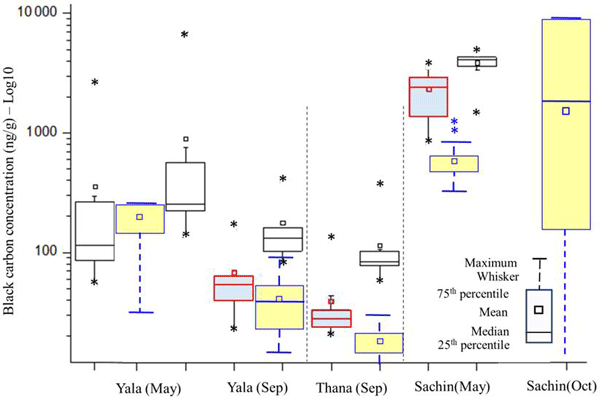
Chaman Gul, Shichang Kang, Siva Praveen Puppala, Xiaokang Wu, Cenlin He, Yangyang Xu, Inka Koch, Sher Muhammad, Rajesh Kumar, and Getachew Dubache
Atmos. Chem. Phys., 22, 8725–8737, https://doi.org/10.5194/acp-22-8725-2022, https://doi.org/10.5194/acp-22-8725-2022, 2022
Short summary
Short summary
This work aims to understand concentrations, spatial variability, and potential source regions of light-absorbing impurities (black carbon aerosols, dust particles, and organic carbon) in the surface snow of central and western Himalayan glaciers and their impact on snow albedo and radiative forcing.
Xinghua Zhang, Wenhui Zhao, Lixiang Zhai, Miao Zhong, Jinsen Shi, Junying Sun, Yanmei Liu, Conghui Xie, Yulong Tan, Kemei Li, Xinlei Ge, Qi Zhang, Shichang Kang, and Jianzhong Xu
Earth Syst. Sci. Data Discuss., https://doi.org/10.5194/essd-2022-211, https://doi.org/10.5194/essd-2022-211, 2022
Manuscript not accepted for further review
Short summary
Short summary
A comprehensive aerosol observation project was carried out in the Tibetan Plateau (TP) in recent years to investigate the properties and sources of atmospheric aerosols as well as their regional differences by performing multiple short-term intensive field observations. The real-time online high-time-resolution (hourly) data of aerosol properties in the different TP region are integrated in a new dataset and can provide supporting for related studies in in the TP.
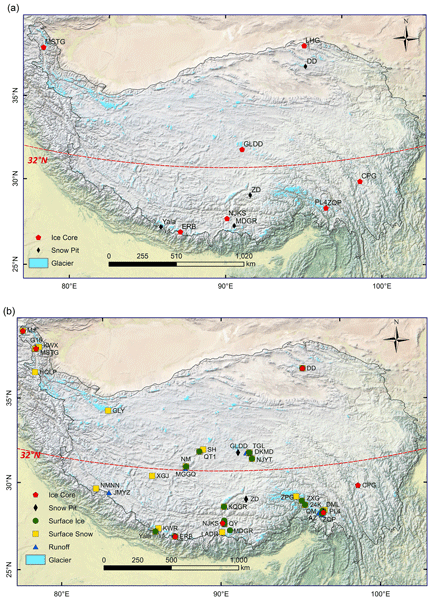
Yongqin Liu, Pengcheng Fang, Bixi Guo, Mukan Ji, Pengfei Liu, Guannan Mao, Baiqing Xu, Shichang Kang, and Junzhi Liu
Earth Syst. Sci. Data, 14, 2303–2314, https://doi.org/10.5194/essd-14-2303-2022, https://doi.org/10.5194/essd-14-2303-2022, 2022
Short summary
Short summary
Glaciers are an important pool of microorganisms, organic carbon, and nitrogen. This study constructed the first dataset of microbial abundance and total nitrogen in Tibetan Plateau (TP) glaciers and the first dataset of dissolved organic carbon in ice cores on the TP. These new data could provide valuable information for research on the glacier carbon and nitrogen cycle and help in assessing the potential impacts of glacier retreat due to global warming on downstream ecosystems.
Mukesh Rai, Shichang Kang, Junhua Yang, Maheswar Rupakheti, Dipesh Rupakheti, Lekhendra Tripathee, Yuling Hu, and Xintong Chen
Atmos. Chem. Phys. Discuss., https://doi.org/10.5194/acp-2022-199, https://doi.org/10.5194/acp-2022-199, 2022
Revised manuscript not accepted
Short summary
Short summary
Our study revealed distinctive seasonality with the maximum and minimum aerosol concentrations during the winter and summer seasons respectively. However, interestingly summer high (AOD > 0.8) was observed over South Asia. The highest aerosols are laden over South Asia and East China within 1–2 km, however, aerosol overshooting found up to 10 km due to the deep convection process. Whereas, integrated aerosol transport for OC during spring was found to be 5 times higher than the annual mean.

Huiming Lin, Yindong Tong, Chenghao Yu, Long Chen, Xiufeng Yin, Qianggong Zhang, Shichang Kang, Lun Luo, James Schauer, Benjamin de Foy, and Xuejun Wang
Atmos. Chem. Phys., 22, 2651–2668, https://doi.org/10.5194/acp-22-2651-2022, https://doi.org/10.5194/acp-22-2651-2022, 2022
Short summary
Short summary
The Tibetan Plateau is known as
The Third Poleand is generally considered to be a clean area owing to its high altitude. However, it may receive be impacted by air pollutants transported from the Indian subcontinent. Pollutants generally enter the Tibetan Plateau in several ways. Among them is the Yarlung Zangbu–Brahmaputra Grand Canyon. In this study, we identified the influence of the Indian summer monsoon on the origin, transport, and behavior of mercury in this area.

Shichang Kang, Yulan Zhang, Pengfei Chen, Junming Guo, Qianggong Zhang, Zhiyuan Cong, Susan Kaspari, Lekhendra Tripathee, Tanguang Gao, Hewen Niu, Xinyue Zhong, Xintong Chen, Zhaofu Hu, Xiaofei Li, Yang Li, Bigyan Neupane, Fangping Yan, Dipesh Rupakheti, Chaman Gul, Wei Zhang, Guangming Wu, Ling Yang, Zhaoqing Wang, and Chaoliu Li
Earth Syst. Sci. Data, 14, 683–707, https://doi.org/10.5194/essd-14-683-2022, https://doi.org/10.5194/essd-14-683-2022, 2022
Short summary
Short summary
The Tibetan Plateau is important to the Earth’s climate. However, systematically observed data here are scarce. To perform more integrated and in-depth investigations of the origins and distributions of atmospheric pollutants and their impacts on cryospheric change, systematic data of black carbon and organic carbon from the atmosphere, glaciers, snow cover, precipitation, and lake sediment cores over the plateau based on the Atmospheric Pollution and Cryospheric Change program are provided.

Jinlei Chen, Shichang Kang, Wentao Du, Junming Guo, Min Xu, Yulan Zhang, Xinyue Zhong, Wei Zhang, and Jizu Chen
The Cryosphere, 15, 5473–5482, https://doi.org/10.5194/tc-15-5473-2021, https://doi.org/10.5194/tc-15-5473-2021, 2021
Short summary
Short summary
Sea ice is retreating with rapid warming in the Arctic. It will continue and approach the worst predicted pathway released by the IPCC. The irreversible tipping point might show around 2060 when the oldest ice will have completely disappeared. It has a huge impact on human production. Ordinary merchant ships will be able to pass the Northeast Passage and Northwest Passage by the midcentury, and the opening time will advance to the next 10 years for icebreakers with moderate ice strengthening.
Cited articles
Cao, L., Zhu, Y., Tang, G., Yuan, F., and Yan, Z.: Climatic warming in China according to a homogenized data set from 2419 stations, Int. J. Climatol., 36, 4384-4392, https://doi.org/10.1002/joc.4639, 2016.
Chen, X., Xu, X., Ma, Y., Wang, G., Chen, D., Cao, D., Xu, X., Zhang, Q., Li, L., Liu, Y., Liu, L., Li, M., Luo, S., Wang, X., and Hu, X.: Investigation of Precipitation Process in the Water Vapor Channel of the Yarlung Zsangbo Grand Canyon, B. Am. Meteorol. Soc., 105, E370-E386, https://doi.org/10.1175/BAMS-D-23-0120.1, 2024.
Chen, Y., Duan, X., Ding, M., Qi, W., Wei, T., Li, J., and Xie, Y.: New gridded dataset of rainfall erosivity (1950–2020) on the Tibetan Plateau, Earth Syst. Sci. Data, 14, 2681–2695, https://doi.org/10.5194/essd-14-2681-2022, 2022.
Chen, Z.: TPHH: A long-term (1901–1978) high-resolution (
Dong, N., Xu, X., Zhang, R., Sun, C., Cai, W., and Zhao, R.: Mechanism underlying the correlation between the warming-wetting of the Qinghai-Tibet Plateau and atmospheric energy changes in high-impact oceanic areas, npj Climate and Atmospheric Science, 7, 324, https://doi.org/10.1038/s41612-024-00849-1, 2024.
Dosovitskiy, A.: An image is worth 16 × 16 words: Transformers for image recognition at scale, arXiv [preprint], https://doi.org/10.48550/arXiv.2010.11929, 2020.
Fang, M., Li, X., Chen, H. W., and Chen, D.: Arctic amplification modulated by Atlantic Multidecadal Oscillation and greenhouse forcing on multidecadal to century scales, Nat. Commun., 13, https://doi.org/10.1038/s41467-022-29523-x, 2022.
Guibas, J., Mardani, M., Li, Z., Tao, A., Anandkumar, A., and Catanzaro, B.: Adaptive fourier neural operators: Efficient token mixers for transformers, arXiv [preprint], https://doi.org/10.48550/arXiv.2111.13587, 2021.
Harada, Y., Kobayashi, S., Kosaka, Y., Chiba, J., and Tanaka, T. Y.: Quality evaluation of the precipitation over the tropical oceans in the JRA-3Q reanalysis, Q. J. Roy. Meteor. Soc., 152, e70026, https://doi.org/10.1002/qj.70026, 2026.
Harris, I., Osborn, T. J., Jones, P., and Lister, D.: Version 4 of the CRU TS monthly high-resolution gridded multivariate climate dataset, Sci. Data, 7, 109, https://doi.org/10.1038/s41597-020-0453-3, 2020.
Hu, J., Miao, C., Su, J., Zhang, Q., Gou, J., and Sun, Q.: An upgraded high-precision gridded precipitation dataset for the Chinese mainland considering spatial autocorrelation and covariates, Earth Syst. Sci. Data, 17, 3987–4004, https://doi.org/10.5194/essd-17-3987-2025, 2025.
Jiang, Y., Tang, W., Yang, K., He, J., Shao, C., Zhou, X., Lu, H., Chen, Y., Li, X., and Shi, J.: Development of a high-resolution near-surface meteorological forcing dataset for the Third Pole region, Sci. China Earth Sci., 68, 1274–1290, https://doi.org/10.1007/s11430-024-1507-6, 2025.
Jin, Z. and Chen, Z.: Sawyer000/TPHH: First release (Version v1.0.0), Zenodo [computer software], https://doi.org/10.5281/zenodo.22690805, 2026.
Kalnay, E., Kanamitsu, M., Kistler, R., Collins, W., Deaven, D., Gandin, L., Iredell, M., Saha, S., White, G., Woollen, J., Zhu, Y., Chelliah, M., Ebisuzaki, W., Higgins, W., Janowiak, J., Mo, K. C., Ropelewski, C., Wang, J., Leetmaa, A., Reynolds, R., Jenne, R., and Joseph, D.: The NCEP/NCAR 40-Year Reanalysis Project, B. Am. Meteorol. Soc., 77, 437–472, https://doi.org/10.1175/1520-0477(1996)077<0437:TNYRP>2.0.CO;2, 1996.
Kang, S., Xu, Y., You, Q., Flügel, W.-A., Pepin, N., and Yao, T.: Review of climate and cryospheric change in the Tibetan Plateau, Environ. Res. Lett., 5, 015101, https://doi.org/10.1088/1748-9326/5/1/015101, 2010.
Li, Z., Huang, D. Z., Liu, B., and Anandkumar, A.: Fourier neural operator with learned deformations for pdes on general geometries, J. Mach. Learn. Res., 24, 1–26, 2023.
Muñoz-Sabater, J., Dutra, E., Agustí-Panareda, A., Albergel, C., Arduini, G., Balsamo, G., Boussetta, S., Choulga, M., Harrigan, S., Hersbach, H., Martens, B., Miralles, D. G., Piles, M., Rodríguez-Fernández, N. J., Zsoter, E., Buontempo, C., and Thépaut, J.-N.: ERA5-Land: a state-of-the-art global reanalysis dataset for land applications, Earth Syst. Sci. Data, 13, 4349–4383, https://doi.org/10.5194/essd-13-4349-2021, 2021.
O'Neill, B. C., Tebaldi, C., van Vuuren, D. P., Eyring, V., Friedlingstein, P., Hurtt, G., Knutti, R., Kriegler, E., Lamarque, J.-F., Lowe, J., Meehl, G. A., Moss, R., Riahi, K., and Sanderson, B. M.: The Scenario Model Intercomparison Project (ScenarioMIP) for CMIP6, Geosci. Model Dev., 9, 3461–3482, https://doi.org/10.5194/gmd-9-3461-2016, 2016.
Pathak, J., Subramanian, S., Harrington, P., Raja, S., Chattopadhyay, A., Mardani, M., Kurth, T., Hall, D., Li, Z., and Azizzadenesheli, K.: Fourcastnet: A global data-driven high-resolution weather model using adaptive fourier neural operators, arXiv [preprint], https://doi.org/10.48550/arXiv.2202.11214, 2022.
Peng, S., Ding, Y., Liu, W., and Li, Z.: 1 km monthly temperature and precipitation dataset for China from 1901 to 2017, Earth Syst. Sci. Data, 11, 1931–1946, https://doi.org/10.5194/essd-11-1931-2019, 2019.
Pepin, N., Bradley, R. S., Diaz, H. F., Baraer, M., Caceres, E. B., Forsythe, N., Fowler, H., Greenwood, G., Hashmi, M. Z., Liu, X. D., Miller, J. R., Ning, L., Ohmura, A., Palazzi, E., Rangwala, I., Schöner, W., Severskiy, I., Shahgedanova, M., Wang, M. B., Williamson, S. N., Yang, D. Q., and E. D. W. Working Group: Elevation-dependent warming in mountain regions of the world, Nat. Clim. Change, 5, 424–430, https://doi.org/10.1038/nclimate2563, 2015.
Prein, A. F., Langhans, W., Fosser, G., Ferrone, A., Ban, N., Goergen, K., Keller, M., Tölle, M., Gutjahr, O., Feser, F., Brisson, E., Kollet, S., Schmidli, J., van Lipzig, N. P. M., and Leung, R.: A review on regional convection-permitting climate modeling: Demonstrations, prospects, and challenges, Rev. Geophys., 53, 323–361, https://doi.org/10.1002/2014RG000475, 2015.
Qin, J., He, M., Jiang, H., and Lu, N.: Reconstruction of 60-year (1961–2020) surface air temperature on the Tibetan Plateau by fusing MODIS and ERA5 temperatures, Sci. Total Environ., 853, 158406, https://doi.org/10.1016/j.scitotenv.2022.158406, 2022.
Qin, J., He, M., Yang, W., Lu, N., Yao, L., Jiang, H., Wu, J., Yang, K., and Zhou, C.: Temporally extended satellite-derived surface air temperatures reveal a complete warming picture on the Tibetan Plateau, Remote Sens. Environ., 285, 113410, https://doi.org/10.1016/j.rse.2022.113410, 2023.
Ran, Y., Li, X., and Cheng, G.: Climate warming over the past half century has led to thermal degradation of permafrost on the Qinghai–Tibet Plateau, The Cryosphere, 12, 595–608, https://doi.org/10.5194/tc-12-595-2018, 2018.
Slivinski, L. C., Compo, G. P., Whitaker, J. S., Sardeshmukh, P. D., Giese, B. S., McColl, C., Allan, R., Yin, X., Vose, R., Titchner, H., Kennedy, J., Spencer, L. J., Ashcroft, L., Brönnimann, S., Brunet, M., Camuffo, D., Cornes, R., Cram, T. A., Crouthamel, R., Domínguez-Castro, F., Freeman, J. E., Gergis, J., Hawkins, E., Jones, P. D., Jourdain, S., Kaplan, A., Kubota, H., Blancq, F. L., Lee, T.-C., Lorrey, A., Luterbacher, J., Maugeri, M., Mock, C. J., Moore, G. W. K., Przybylak, R., Pudmenzky, C., Reason, C., Slonosky, V. C., Smith, C. A., Tinz, B., Trewin, B., Valente, M. A., Wang, X. L., Wilkinson, C., Wood, K., and Wyszyński, P.: Towards a more reliable historical reanalysis: Improvements for version 3 of the Twentieth Century Reanalysis system, Q. J. Roy. Meteor. Soc., 145, 2876–2908, https://doi.org/10.1002/qj.3598, 2019.
Song, C., Huang, B., Richards, K., Ke, L., and Hien Phan, V.: Accelerated lake expansion on the Tibetan Plateau in the 2000s: Induced by glacial melting or other processes?, Water Resour. Res., 50, 3170–3186, https://doi.org/10.1002/2013WR014724, 2014.
Vandal, T., Kodra, E., Ganguly, S., Michaelis, A., Nemani, R., and Ganguly, A. R.: DeepSD: Generating High Resolution Climate Change Projections through Single Image Super-Resolution, Proceedings of the 23rd ACM SIGKDD International Conference on Knowledge Discovery and Data Mining, Halifax, NS, Canada, https://doi.org/10.1145/3097983.3098004, 2017.
Willmott, C. J.: Terrestrial air temperature and precipitation: Monthly and annual time series (1950–1996), NOAA [data set], https://psl.noaa.gov/data/gridded/data.UDel_AirT_Precip.html (last access: 10 September 2026), 2000.
Yang, K., Jiang, Y., Tang, W., He, J., Shao, C., Zhou, X., Lu, H., Chen, Y., Li, X., and Shi, J.: A high-resolution near-surface meteorological forcing dataset for the Third Pole region (TPMFD, 1979–2023), National Tibetan Plateau / Third Pole Environment Data Center [data set], https://doi.org/10.11888/Atmos.tpdc.300398, 2023a.
Yang, Y., You, Q., Jin, Z., Zuo, Z., Zhang, Y., and Kang, S.: The reconstruction for the monthly surface air temperature over the Tibetan Plateau during 1901–2020 by deep learning, Atmos. Res., 285, 106635, https://doi.org/10.1016/j.atmosres.2023.106635, 2023b.
Yao, T., Bolch, T., Chen, D., Gao, J., Immerzeel, W., Piao, S., Su, F., Thompson, L., Wada, Y., Wang, L., Wang, T., Wu, G., Xu, B., Yang, W., Zhang, G., and Zhao, P.: The imbalance of the Asian water tower, Nat. Rev. Earth Environ., 3, 618–632, https://doi.org/10.1038/s43017-022-00299-4, 2022.
You, Q., Chen, D., Wu, F., Pepin, N., Cai, Z., Ahrens, B., Jiang, Z., Wu, Z., Kang, S., and AghaKouchak, A.: Elevation dependent warming over the Tibetan Plateau: Patterns, mechanisms and perspectives, Earth-Sci. Rev., 210, 103349, https://doi.org/10.1016/j.earscirev.2020.103349, 2020.
Yu, Y., You, Q., Zhang, Y., Jin, Z., Kang, S., and Zhai, P.: Integrated warm-wet trends over the Tibetan Plateau in recent decades, J. Hydrol., 639, 131599, https://doi.org/10.1016/j.jhydrol.2024.131599, 2024.
Yuan, X., Yang, K., Lu, H., Wang, Y., and Ma, X.: Impacts of moisture transport through and over the Yarlung Tsangpo Grand Canyon on precipitation in the eastern Tibetan Plateau, Atmos. Res., 282, 106533, https://doi.org/10.1016/j.atmosres.2022.106533, 2023.
Zhang, C., Qin, D.-H., and Zhai, P.-M.: Amplification of warming on the Tibetan Plateau, Advances in Climate Change Research, 14, 493–501, https://doi.org/10.1016/j.accre.2023.07.004, 2023.
Zhou, P., Tang, J., Ma, M., Ji, D., and Shi, J.: High resolution Tibetan Plateau regional reanalysis 1961–present, Sci. Data, 11, 444, https://doi.org/10.1038/s41597-024-03282-4, 2024.
Zhu, Y., Cao, L., Tang, G., and Zhou, Z.: Homogenization of surface relative humidity over China, Advances in Climate Change Research, 11, 379, https://doi.org/10.3969/j.issn.1673-1719.2015.06.001, 2015 (in Chinese).
Short summary
This study presents the TPHH (Tibetan Plateau Historical High) dataset, a high-resolution (1/30°) monthly climate dataset for the Tibetan Plateau spanning 1901–2023, featuring 2 m temperature, specific humidity, and surface pressure. By employing a hybrid deep learning framework (FourCastNet), we downscaled coarse historical data through the synergistic mapping of total-field signals and terrain constraints. Validated against independent observations, this physically-consistent dataset bridges the pre-satellite data gap.
This study presents the TPHH (Tibetan Plateau Historical High) dataset, a high-resolution...


Altmetrics
Final-revised paper
Preprint