Articles | Volume 17, issue 11
https://doi.org/10.5194/essd-17-6129-2025
© Author(s) 2025. This work is distributed under
the Creative Commons Attribution 4.0 License.
the Creative Commons Attribution 4.0 License.
https://doi.org/10.5194/essd-17-6129-2025
© Author(s) 2025. This work is distributed under
the Creative Commons Attribution 4.0 License.
the Creative Commons Attribution 4.0 License.
Data description article
| 
14 Nov 2025
Data description article |
| 14 Nov 2025
| 14 Nov 2025
Soil and tree stem xylem water isotope data from two pan-European sampling campaigns

Forest and Soil Ecology, Swiss Federal Institute for Forest, Snow and Landscape Research WSL, Birmensdorf, Switzerland
Josie Geris
School of Geosciences, University of Aberdeen, Aberdeen, United Kingdom
Ilja van Meerveld
Department of Geography, University of Zurich, Zurich, Switzerland
Daniele Penna
Department of Agriculture, Food, Environment and Forestry (DAGRI), University of Florence, Florence/Firenze, Italy
Youri Rothfuss
Institute of Biogeosciences, Agrosphere (IBG-3), Forschungszentrum Jülich GmbH, Jülich, Germany
Matteo Verdone
Department of Agriculture, Food, Environment and Forestry (DAGRI), University of Florence, Florence/Firenze, Italy
Pertti Ala-Aho
Water, Energy and Environmental Engineering Research Unit, University of Oulu, Oulu, Finland
Matyas Arvai
Institute for Soil Sciences, HUN-REN Centre for Agricultural Research, Budapest, Hungary
Alise Babre
Faculty of Science and Technology, University of Latvia, Riga, Latvia
Philippe Balandier
Université Clermont Auvergne, INRAE, UMR PIAF 63000 Clermont-Ferrand, France
Fabian Bernhard
Forest and Soil Ecology, Swiss Federal Institute for Forest, Snow and Landscape Research WSL, Birmensdorf, Switzerland
Lukrecija Butorac
Department of Forestry, Institute for Adriatic Crops and Karst Reclamation, Split, Croatia
Simon D. Carrière
UMR HSM, IRD, UM, CNRS, 34093 Montpellier, France
Natalie C. Ceperley
Hydrology Group, Institute of Geography & Oeschger Centre for Climate Change Research, University of Bern, Bern, Switzerland
Zuosinan Chen
Water, Energy and Environmental Engineering Research Unit, University of Oulu, Oulu, Finland
Alicia Correa
Centre for International Development and Environmental Research (ZEU), Justus Liebig University Giessen, Germany
Haoyu Diao
Forest and Soil Ecology, Swiss Federal Institute for Forest, Snow and Landscape Research WSL, Birmensdorf, Switzerland
David Dubbert
Ecophysiology of Water and Matter Cycling, Leibniz Centre for Agricultural Landscape Research (ZALF), Müncheberg, Germany
Maren Dubbert
Ecophysiology of Water and Matter Cycling, Leibniz Centre for Agricultural Landscape Research (ZALF), Müncheberg, Germany
Fabio Ercoli
Chair of Hydrobiology and Fisheries, Institute of Agricultural and Environmental Sciences, Estonian University of Life Sciences, Tartu, Estonia
Marius G. Floriancic
Department of Civil, Environmental and Geomatic Engineering, ETH Zürich, Zürich, Switzerland
Alligin Ghazoul
Forest and Soil Ecology, Swiss Federal Institute for Forest, Snow and Landscape Research WSL, Birmensdorf, Switzerland
Teresa E. Gimeno
CREAF, 08193 Bellaterra, Spain
Damien Gounelle
URFM, INRAE, Domaine Saint Paul, Site Agroparc, Avignon, France
Frank Hagedorn
Forest and Soil Ecology, Swiss Federal Institute for Forest, Snow and Landscape Research WSL, Birmensdorf, Switzerland
Christophe Hissler
Catchment and Ecohydrology group, Environmental Sensing and Modelling unit, Luxembourg Institute of Science and Technology, Belvaux, Luxembourg
Frédéric Huneau
Université de Corse, CNRS UMR 6134 SPE, Campus Grimaldi, BP52, 20250 Corte, France
Alberto Iraheta
Institute for Geoecology, TU Braunschweig, Braunschweig, Germany
Tamara Jakovljević
Division for Forest Ecology, Croatian Forest Research Institute, Jastrebarsko, Croatia
Nerantzis Kazakis
Laboratory of Hydrogeology, Department of Geology, University of Patras, Faculty of Natural Sciences, Rion, Patras, Greece
Zoltan Kern
Institute for Geological and Geochemical Research, HUN-REN Research Centre for Astronomy and Earth Sciences, Budapest, Hungary
Laura Kinzinger
Chair of Ecosystem Physiology, Faculty of Environment and Natural Resources, Albert-Ludwig-University of Freiburg, Freiburg, Germany
Karl Knaebel
Ecosystem Research and Environmental Information Management, Environment Agency Austria, Vienna, Austria
Johannes Kobler
Ecosystem Research and Environmental Information Management, Environment Agency Austria, Vienna, Austria
Jiri Kocum
Department of Physical Geography and Geoecology, Faculty of Science, Charles University, Prague, Czech Republic
Charlotte Koeber
Ecophysiology of Water and Matter Cycling, Leibniz Centre for Agricultural Landscape Research (ZALF), Müncheberg, Germany
Gerbrand Koren
Copernicus Institute of Sustainable Development, Utrecht University, Utrecht, the Netherlands
Angelika Kübert
Institute for Atmospheric and Earth System Research/Physics, University of Helsinki, Helsinki, Finland
Dawid Kupka
Department of Ecology and Silviculture, Faculty of Forestry, University of Agriculture in Kraków, Poland
Samuel Le Gall
Institute of Biogeosciences, Agrosphere (IBG-3), Forschungszentrum Jülich GmbH, Jülich, Germany
Aleksi Lehtonen
Natural Resources Institute Finland (Luke), Helsinki, Finland
Thomas Leydier
Université de Corse, CNRS UMR 6134 SPE, Campus Grimaldi, BP52, 20250 Corte, France
Philippe Malagoli
Université Clermont Auvergne, INRAE, UMR PIAF 63000 Clermont-Ferrand, France
Francesca Sofia Manca di Villahermosa
Department of Agriculture, Food, Environment and Forestry (DAGRI), University of Florence, Florence/Firenze, Italy
Chiara Marchina
Department of Land, Environment, Agriculture and Forestry, University of Padova, Legnaro, Italy
Núria Martínez-Carreras
Catchment and Ecohydrology group, Environmental Sensing and Modelling unit, Luxembourg Institute of Science and Technology, Belvaux, Luxembourg
Nicolas Martin-StPaul
URFM, INRAE, Domaine Saint Paul, Site Agroparc, Avignon, France
Hannu Marttila
Water, Energy and Environmental Engineering Research Unit, University of Oulu, Oulu, Finland
Aline Meyer Oliveira
Department of Geography, University of Zurich, Zurich, Switzerland
Gael Monvoisin
Université Paris-Saclay, UMR8148 GEOPS, Orsay, France
Natalie Orlowski
Chair of Forest Sites and Hydrology, Institute of Soil Science and Site Ecology, TU Dresden, Tharandt, Germany
Kadi Palmik-Das
Chair of Hydrobiology and Fisheries, Institute of Agricultural and Environmental Sciences, Estonian University of Life Sciences, Tartu, Estonia
Aurel Persoiu
Emil Racovita Institute of Speleology, Romanian Academy, Cluj-Napoca, Romania and Stable Isotope Laboratory, Stefan cel Mare University, Suceava, Romania
Andrei Popa
National Institute for Research and Development in Forestry “Marin Dracea”, Bucharest, Romania
Egor Prikaziuk
Faculty of Geo-Information Science and Earth Observation (ITC), University of Twente, Enschede, the Netherlands
Cécile Quantin
Université Paris-Saclay, UMR8148 GEOPS, Orsay, France
Katja T. Rinne-Garmston
Stable Isotope Laboratory of Luke (SILL), Natural Resources Institute Finland (Luke), Finland
Clara Rohde
Ecophysiology of Water and Matter Cycling, Leibniz Centre for Agricultural Landscape Research (ZALF), Müncheberg, Germany
Martin Sanda
Dept. of Landscape Water Conservation, Faculty of Civil Engineering, Czech Technical University in Prague, Prague, Czechia
Matthias Saurer
Forest and Soil Ecology, Swiss Federal Institute for Forest, Snow and Landscape Research WSL, Birmensdorf, Switzerland
Daniel Schulz
Institute of Biogeosciences, Agrosphere (IBG-3), Forschungszentrum Jülich GmbH, Jülich, Germany
Michael P. Stockinger
Institute of Soil Physics and Rural Water Management, Department of Landscape, Water and Infrastructure, BOKU University, Muthgasse 18, 1190 Vienna, Austria
Christine Stumpp
Institute of Soil Physics and Rural Water Management, Department of Landscape, Water and Infrastructure, BOKU University, Muthgasse 18, 1190 Vienna, Austria
Jean-Stéphane Vénisse
Université Clermont Auvergne, INRAE, UMR PIAF 63000 Clermont-Ferrand, France
Lukas Vlcek
Institute of Hydrodynamics of the Czech Academy of Sciences, Prague, Czech Republic
Stylianos Voudouris
Earth Sciences and Environmental Technologies Division, IFP Energies Nouvelles, Rueil-Malmaison, France
Björn Weeser
Centre for International Development and Environmental Research (ZEU), Justus Liebig University Giessen, Germany
Mark E. Wilkinson
Environmental and Biochemical Sciences, James Hutton Institute, Aberdeen, United Kingdom
Giulia Zuecco
Department of Land, Environment, Agriculture and Forestry, University of Padova, Legnaro, Italy
Katrin Meusburger
Forest and Soil Ecology, Swiss Federal Institute for Forest, Snow and Landscape Research WSL, Birmensdorf, Switzerland
Related authors

Haoyu Diao, Philipp Schuler, Gregory R. Goldsmith, Rolf T. W. Siegwolf, Matthias Saurer, and Marco M. Lehmann
Hydrol. Earth Syst. Sci., 26, 5835–5847, https://doi.org/10.5194/hess-26-5835-2022, https://doi.org/10.5194/hess-26-5835-2022, 2022
Short summary
Short summary
We systematically investigate the uncertainties in previously observed isotopic offsets between plant source water and water extracted by cryogenic vacuum distillation. Our results show that hydrogen isotope exchange between organic material and water is a real phenomenon. However, the isotopic offsets are rather influenced by the actual amount of extracted water, sublimation, and evaporation. Our findings will help improve interpretations of ecohydrological processes in isotope-based studies.
Chaim I. Garfinkel, Zachary D. Lawrence, Amy H. Butler, Blanca Ayarzaguena, Marta Abalos, David Barriopedro, Natalia Calvo, Alvaro de la Cámara, Andrew Charlton-Perez, Judah Cohen, Ying Dai, Daniela I. V. Domeisen, Etienne Dunn-Sigouin, Irene Erner, Javier García-Serrano, Neil P. Hindley, Peter Hitchcock, Martin Jucker, Alexey Yu. Karpechko, Hera Kim, Gerbrand Koren, Simon H. Lee, Robert W. Lee, Marisol Osman, Froila M. Palmeiro, Jian Rao, Chen Schwartz, Seok-Woo Son, Corwin J. Wright, and Rachel W.-Y. Wu
EGUsphere, https://doi.org/10.5194/egusphere-2026-6070, https://doi.org/10.5194/egusphere-2026-6070, 2026
This preprint is open for discussion and under review for Weather and Climate Dynamics (WCD).
Short summary
Short summary
Weather at the surface is influenced by the stratosphere, where changes can affect conditions weeks later. The Northern and Southern Annular Modes (NAM and SAM) describe large-scale shifts in winds around the poles that influence storms, temperature and rainfall. We show that 22 forecasting models have systematic biases in representing stratosphere–troposphere coupling, limiting prediction skill. Improving these processes could extend useful forecasts of weather extremes.
Tim Butler, Tabish Ansari, Claudio A. Belis, Elisa Bergas-Masso, Willem van Caspel, Hilde Fagerli, Johannes Flemming, Marta Garcia Vivanco, Paul Griffiths, Douglas S. Hamilton, Coralina Hernandez Trujillo, Lena Höglund-Isaksson, Vincent Huijnen, Johannes W. Kaiser, Gerbrand Koren, Zbigniew Klimont, Florian Lindl, Aura Lupascu, Mariano Mertens, Martijn Schaap, Steven T. Turnock, Oliver Wild, Philipp Weiss, Jacek Kaminski, Rosa Wu, and Terry Keating
Geosci. Model Dev., 19, 10023–10049, https://doi.org/10.5194/gmd-19-10023-2026, https://doi.org/10.5194/gmd-19-10023-2026, 2026
Short summary
Short summary
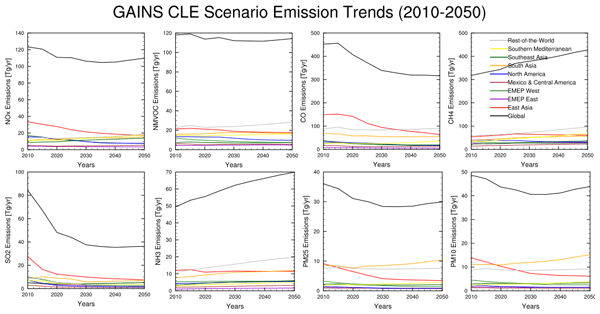
Air pollution travels across continents, meaning emissions in one region can affect air quality far away. To better understand this, scientists from many groups are planning to run coordinated computer simulations of the atmosphere. By comparing results across models and emission scenarios, the planned study will show how pollution moves between regions and which sources matter most, helping governments design more effective air quality policies.
Paul Szejner, Eduardo Martínez-García, Helena Haakana, Juha Heikkinen, Katja T. Rinne-Garmston, Petri Kilpeläinen, Giles Young, Elina Sahlstedt, Raisa Mäkipää, and Aleksi Lehtonen
Biogeosciences, 23, 7223–7252, https://doi.org/10.5194/bg-23-7223-2026, https://doi.org/10.5194/bg-23-7223-2026, 2026
Short summary
Short summary
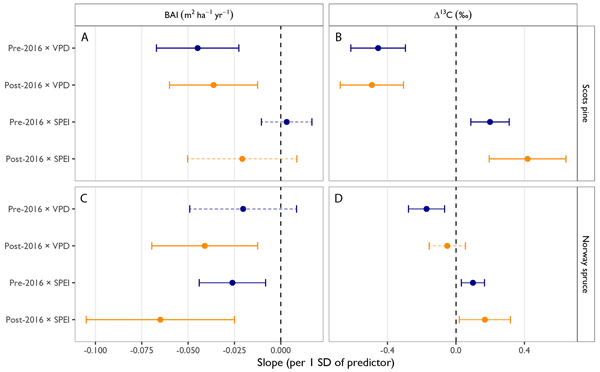
Forests in southern Finland have become increasingly water-limited over the past decades. Growth decline is pronounced in Norway spruce after 2016, indicating strong sensitivity to water limitation, while Scots pine exhibits only marginal reductions beginning around 2009. Intrinsic water-use efficiency derived from tree-ring carbon isotopes increased more steeply in Scots pine than in Norway spruce, suggesting weaker physiological adjustment in spruce to rising atmospheric moisture demand.
Marco Spagnolli, Egor Prikaziuk, Matthias Wocher, Tian Hu, Zbigniew Kawalec, Żaneta Swacha, and Anne Schucknecht
Int. Arch. Photogramm. Remote Sens. Spatial Inf. Sci., XLVIII-M-12-2026, 91–96, https://doi.org/10.5194/isprs-archives-XLVIII-M-12-2026-91-2026, https://doi.org/10.5194/isprs-archives-XLVIII-M-12-2026-91-2026, 2026
Roberto Colombo, Béatrice Berthelot, Alireza Mahmoodi, Louis Sainte-Marie, Gwennaël Matot, Jorge Vicent Servera, Ornela Nanushi, Brice Mora, Mohamed Salah Djellali, Neus Sabater, Pekka Kolmonen, Timo H. Virtanen, Astrid M. Zimmermann, Pieter De Vis, Micol Rossini, Giulia Tagliabue, Pietro Chierichetti, Sergio Cogliati, Juliane Bendig, Bastian Siegmann, Uwe Rascher, Egor Prikaziuk, Christiaan van der Tol, Darren Ghent, Jasdeep Singh Anand, Tommaso Julitta, Matthias Drusch, Marco Celesti, Dirk Schüttemeyer, and Marin Tudoroiu
Int. Arch. Photogramm. Remote Sens. Spatial Inf. Sci., XLVIII-M-12-2026, 17–24, https://doi.org/10.5194/isprs-archives-XLVIII-M-12-2026-17-2026, https://doi.org/10.5194/isprs-archives-XLVIII-M-12-2026-17-2026, 2026
Alessio Gentile, Davide Gisolo, Stefano Brighenti, Giulia Zuecco, Chiara Marchina, Davide Canone, Tanzeel Hamza, Stefano Ferrari, Stefano Bechis, and Stefano Ferraris
Hydrol. Earth Syst. Sci., 30, 6131–6157, https://doi.org/10.5194/hess-30-6131-2026, https://doi.org/10.5194/hess-30-6131-2026, 2026
Short summary
Short summary
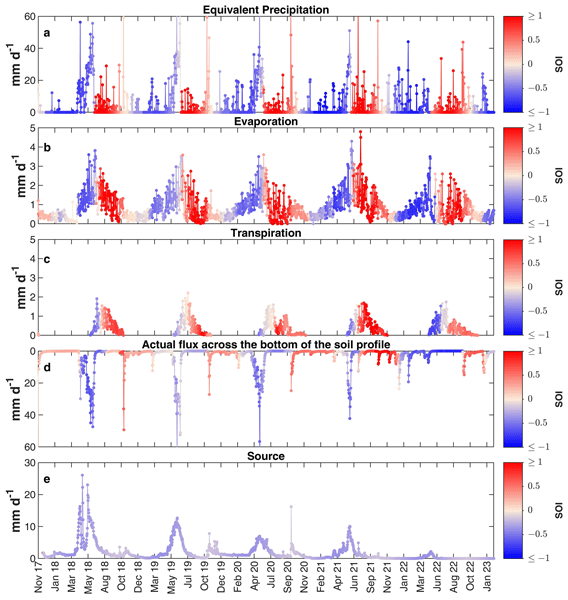
This study explores how snowmelt and rainfall supply water to plants and groundwater in a high-elevation mountain grassland. Using field data and model simulations, we tracked how snowmelt and summer rain move through the soil. Snowmelt mainly supplies deep drainage, while rain mainly feeds plants. Nevertheless, during a very dry year, snowmelt contributed more than usual to plant water use. These results show how reduced snowfalls and droughts may affect the mountain water cycle.
Yining Zang, Pauline C. Treble, Kei Yoshimura, Jayson Gabriel Pinza, Fengbo Zhang, Kübra Özdemir Çallı, Xiaojun Mei, Admin Husic, Alena Gessert, Andrej Stroj, Bartolomé Andreo, Bernard Ladouche, Christine Stumpp, Diana Mance, Eleni Zagana, Fen Huang, Giuseppe Sappa, Harald Kunstmann, Heike Brielmann, Hong Zhou, Huaying Wu, Jakob Garvelmann, James Berglund, Jean-Baptiste Charlier, Jens Lange, Juan Antonio Barberá Fornell, Junbing Pu, Konstantina Katsanou, Kun Ren, Laura Toran, Laurence Gill, Maria Filippini, Martin Kralik, Matías Mudarra Martínez, Min Zhao, Mingming Luo, Nico Goldscheider, Nikolaos Lambrakis, Pantaleone De Vita, Qiong Xiao, Shi Yu, Silvia Iacurto, Silvio Coda, Ted McCormack, Vincenzo Allocca, W. George Darling, Walter D'Alessandro, Xulei Guo, Yundi Hu, Zhijun Wang, Eva Kaminsky, Jiří Faimon, Marek Lang, Pavel Pracný, Aurel Persoiu, and Andreas Hartmann
Earth Syst. Sci. Data, 18, 7199–7225, https://doi.org/10.5194/essd-18-7199-2026, https://doi.org/10.5194/essd-18-7199-2026, 2026
Short summary
Short summary
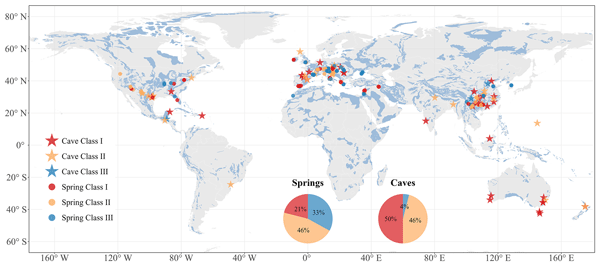
We developed the first global database of water from karst springs and cave drips that records different forms of oxygen and hydrogen, which naturally trace how rainwater moves through rocks. By gathering and checking thousands of measurements from around the globe and linking them with flow and rainfall data, the database provides a comprehensive view of water movement, allows scientists to compare regions, understand groundwater processes, and support sustainable water management worldwide.
Miika Läpikivi, Maarit Liimatainen, Milla Niiranen, Valtteri Hyöky, Hermanni Aaltonen, Bjørn Kløve, and Hannu Marttila
EGUsphere, https://doi.org/10.5194/egusphere-2026-5602, https://doi.org/10.5194/egusphere-2026-5602, 2026
This preprint is open for discussion and under review for Hydrology and Earth System Sciences (HESS).
Short summary
Short summary
This paper utilized field-scale measurements of greenhouse gases and nutrients in drainage water. Nitrogen losses through the drainage were highly seasonal, are affected by the drainage management and the peat depth within the field. Increased greenhouse gas concentrations were observed with increased concentration in drainage water was observed only during the grassland renewal. The results show that management actions can have meaningful impact to mitigate impacts of managed peatlands.
Doğa Yahşi, Samuel Schroers, Ulrike Scherer, Núria Martínez-Carreras, and Erwin Zehe
EGUsphere, https://doi.org/10.5194/egusphere-2026-4957, https://doi.org/10.5194/egusphere-2026-4957, 2026
This preprint is open for discussion and under review for Hydrology and Earth System Sciences (HESS).
Short summary
Short summary
Heavy storms and soil erosion threaten ecosystems and water quality. To understand what drives these events, we analyzed and simulated rainfall-runoff experiments and their energy dynamics. We found that initial soil wetness and ground texture control runoff more than slope or rain intensity. We showed that ground texture limits flow speed and rougher surfaces channel water into pathways that efficiently transport water and soil, which helps us improve land management and soil conservation.
Youri Rothfuss, Samuel Le Gall, Nicolas Brüggemann, Sharmin Jahan, Mathieu Javaux, Julian Klaus, Harry Vereecken, and Dagmar van Dusschoten
Hydrol. Earth Syst. Sci., 30, 6095–6114, https://doi.org/10.5194/hess-30-6095-2026, https://doi.org/10.5194/hess-30-6095-2026, 2026
Short summary
Short summary
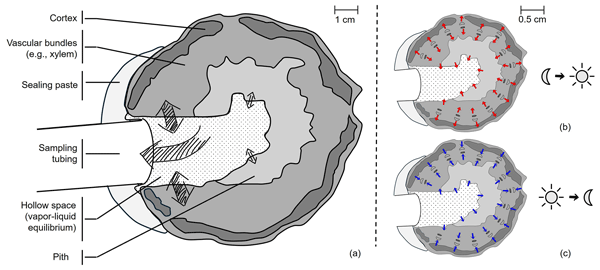
How plants cope with water stress is relevant when studying plant water sources in soil. We associated two techniques for measuring the content in water stable isotopes in the stem of sunflower plants and for locating where they take up water in a non-destructive manner. We highlight the role of stem water as a source of water to transpiration flux.
Marco Luppichini, Francesco Comiti, Andrea Andreoli, Barbara Aldighieri, Paolo Billi, Irene Maria Bollati, Andrea Brenna, Diletta Chirici, Paolo Ciavola, Silvia Cilli, Marco Donnini, Simona Francalanci, Lorenzo Innocenti, Laura Longoni, Luca Mao, Ivan Marchesini, Ilenia Murgia, Giacomo Pellegrini, Daniele Penna, Lorenzo Picco, Riccardo Rainato, Leonardo Schippa, Luca Solari, Gianluca Tronti, Bruno Testa, Matteo Verdone, and Monica Bini
Earth Syst. Sci. Data, 18, 7021–7041, https://doi.org/10.5194/essd-18-7021-2026, https://doi.org/10.5194/essd-18-7021-2026, 2026
Short summary
Short summary
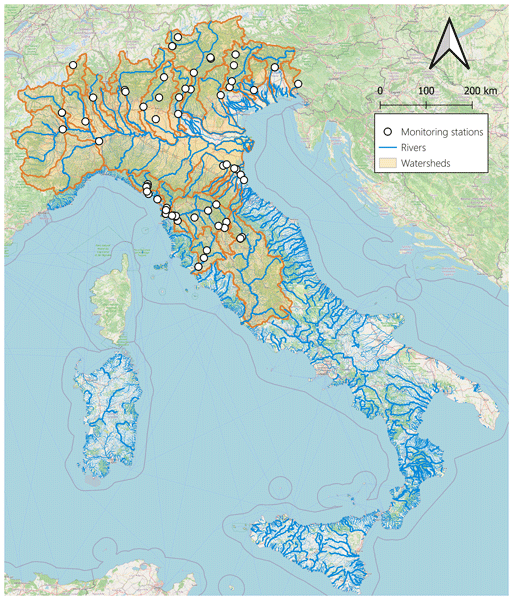
Rivers carry sediment that shapes landscapes and coasts, but in Italy these data are scattered and often incomplete. We created a national database and online platform to gather and organize past and present sediment measurements in one place. By linking data with clear information about where, when, and how they were collected, we made them easier to explore and compare over time.
Karoliina Särkelä, Timo Vesala, Torben R. Christensen, Juval Cohen, Angelika Kübert, Xuefei Li, Hannu Marttila, Jouni Pulliainen, Eeva-Stiina Tuittila, and Efrén López-Blanco
Biogeosciences, 23, 6037–6052, https://doi.org/10.5194/bg-23-6037-2026, https://doi.org/10.5194/bg-23-6037-2026, 2026
Short summary
Short summary
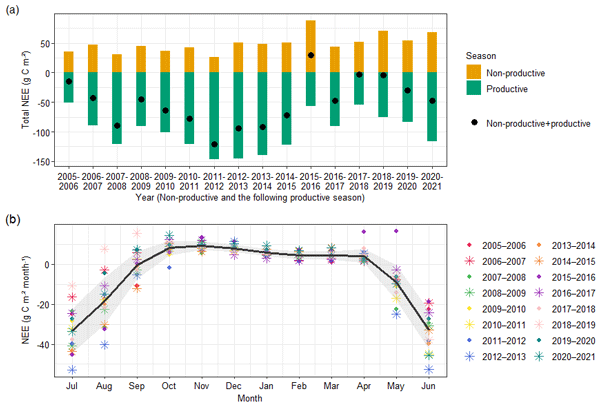
Using a 17-year record of year-round peatland carbon exchange, we found that over half of the carbon sequestrated during summer was released during winter. In one year, CO₂ emissions during snow melt and soil thaw in spring were large enough to shift the peatland from a net carbon sink to a source. These findings demonstrate that winter and early-spring processes have a strong impact over the annual carbon balance of northern peatlands.
Lucas Mondon, Nicolas Martin-StPaul, Gregor Rickert, Isabelle Maréchaux, Arsène Druel, Quentin Chaffaut, Damien Jougnot, Nicolas Delpierre, Marc Pessel, Ilhan Özgen-Xian, Hervé Cochard, and Simon D. Carrière
EGUsphere, https://doi.org/10.5194/egusphere-2026-5115, https://doi.org/10.5194/egusphere-2026-5115, 2026
This preprint is open for discussion and under review for Biogeosciences (BG).
Short summary
Short summary
By calibrating a plant hydraulic model with fine-root distribution, we show that root distribution is a key determinant of drought resistance, with an influence comparable to other hydraulic traits. A “rare-root strategy” emerges as a balanced solution between accessing and conserving deep water reserves.
Mirjam Scheller, Nicola Durighetto, Anja Fischer, Reinhard Furrer, Marc Vis, Jan Seibert, Gianluca Botter, and Ilja van Meerveld
EGUsphere, https://doi.org/10.5194/egusphere-2026-4479, https://doi.org/10.5194/egusphere-2026-4479, 2026
This preprint is open for discussion and under review for Hydrology and Earth System Sciences (HESS).
Short summary
Short summary
Many streams do not always contain flowing water. Because these streams are rarely monitored, we tested whether observations by citizen scientists could be used to track whether streams were flowing. Although these observations were irregular in space and time, identifying the order in which sites started or stopped flowing allowed us to fill data gaps and estimate daily flow conditions across the area. This shows that volunteers can effectively monitor streams that sometimes dry up.
Harsh Beria, Lionel Benoit, Grégoire Mariethoz, Natalie Claire Ceperley, and Bettina Schaefli
EGUsphere, https://doi.org/10.5194/egusphere-2026-4249, https://doi.org/10.5194/egusphere-2026-4249, 2026
Short summary
Short summary
Mountain streams can rise within minutes of heavy rain, but much of the streamwater may have been stored underground for far longer. We combine hydrological measurements with stable water isotopes to simulate streamflow in a Swiss Alpine catchment. The simulations show that >80 % of summer streamflow came from groundwater, while direct rainfall contributions were small and brief. Fast stream rises therefore do not necessarily mean that rainwater moves quickly through the landscape.
William J. M. Seviour, Justin Finkel, Philip Rupp, Regan Mudhar, Amy H. Butler, Chaim I. Garfinkel, Peter Hitchcock, Blanca Ayarzagüena, Dong-Chan Hong, Yu-Kyung Hyun, Hera Kim, Eun-Pa Lim, Daniel De Maeseneire, Gabriele Messori, Gerbrand Koren, Michael Sigmond, Isla R. Simpson, and Seok-Woo Son
Weather Clim. Dynam., 7, 1405–1423, https://doi.org/10.5194/wcd-7-1405-2026, https://doi.org/10.5194/wcd-7-1405-2026, 2026
Short summary
Short summary
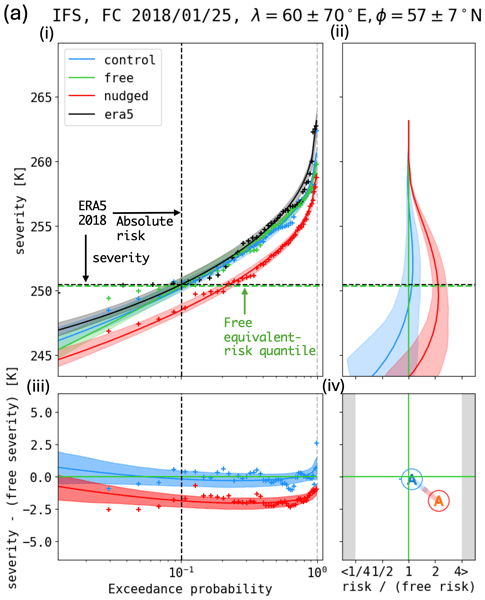
Variability of the stratospheric polar vortex is thought to play a role in driving weather extremes, but quantifying this role for a given event has proved challenging. Using a new set of perturbed subseasonal forecast experiments from 7 modelling centres, we determine the stratospheric contribution to the risk and severity of three recent extreme weather events. The forecast-based methodology that we develop is applicable to understanding a range of other drivers of weather extremes.
Hannah Bailey, Jason E. Box, Ben G. Kopec, Valtteri Hyöky, Hannu Marttila, Jeffrey M. Welker, Jack Kohler, Dmitry V. Divine, and Alun Hubbard
The Cryosphere, 20, 4421–4436, https://doi.org/10.5194/tc-20-4421-2026, https://doi.org/10.5194/tc-20-4421-2026, 2026
Short summary
Short summary
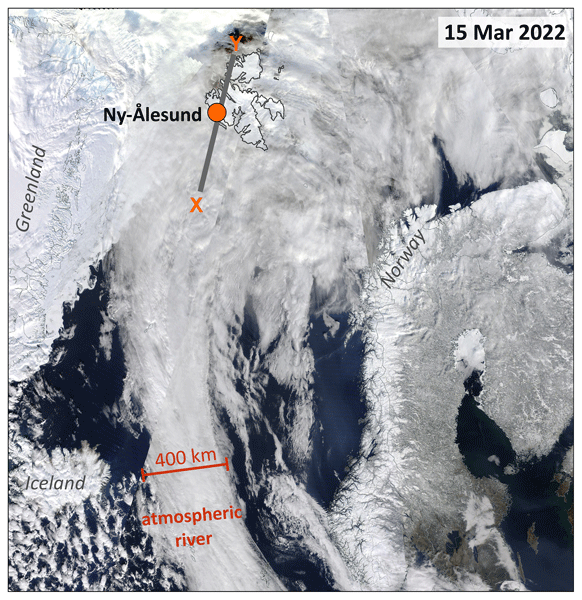
Atmospheric rivers (ARs) are narrow corridors of intense heat and moisture that can deliver extreme weather to the Arctic. We investigate a record March 2022 event in Svalbard using measurements of air and precipitation to track its origin and evolution. While the AR brought unusual winter rain and snow melt, it also delivered substantial snowfall that partially offset glacier mass loss. These findings show that the impacts of ARs on Arctic glaciers are more complex than typically reported.
Alberto Iraheta, Elise Malsch-Fröhlich, Malkin Gerchow, and Matthias Beyer
Hydrol. Earth Syst. Sci., 30, 5005–5021, https://doi.org/10.5194/hess-30-5005-2026, https://doi.org/10.5194/hess-30-5005-2026, 2026
Short summary
Short summary
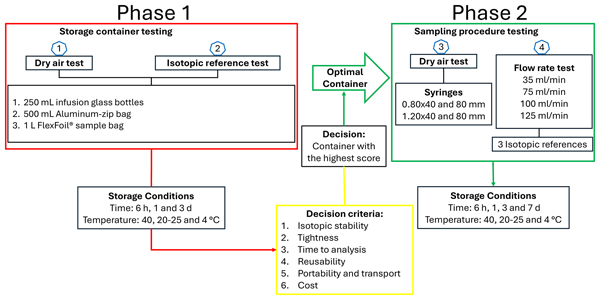
We present a simple and practical method for sampling water vapor for stable isotope analysis. Tests conducted under various conditions demonstrate that using 250-mL glass bottles, a flow rate of 100 to 125 milliliters per minute, and storage for up to 24 h at a temperature of 20 to 25 °C yields the most stable results. The method is cost-effective, non-destructive, and suitable for remote locations.
Isabella Anglin, Adriaan J. Teuling, Marius G. Floriancic, Michael Lehning, and Harsh Beria
EGUsphere, https://doi.org/10.5194/egusphere-2026-4268, https://doi.org/10.5194/egusphere-2026-4268, 2026
Short summary
Short summary
Snow sublimation is the direct vapor loss of snow to the atmosphere, reducing spring snowmelt that recharges soils, groundwater, and rivers. Using eddy-covariance measurements over a full winter in the eastern Swiss Alps, we found that sublimation removed about 25 mm of water, or nearly 6 % of the season’s peak snow water storage. Sublimation losses were highest late in the season, showing that this hidden process can meaningfully reduce mountain water supplies.
Luiz Henrique Elias Cosimo, Jose Gutierrez Lopez, Eva Lindberg, Zuosinan Chen, and Langning Huo
Int. Arch. Photogramm. Remote Sens. Spatial Inf. Sci., XLIX-B3-2026, 939–946, https://doi.org/10.5194/isprs-archives-XLIX-B3-2026-939-2026, https://doi.org/10.5194/isprs-archives-XLIX-B3-2026-939-2026, 2026
John D. Marshall, Maren Dubbert, Teresa E. Gimeno, Ruth-Kristina Magh, Kathrin Kühnhammer, David Dubbert, Paul Koeniger, Matthias Cuntz, and Matthias Beyer
Hydrol. Earth Syst. Sci., 30, 4757–4770, https://doi.org/10.5194/hess-30-4757-2026, https://doi.org/10.5194/hess-30-4757-2026, 2026
Short summary
Short summary
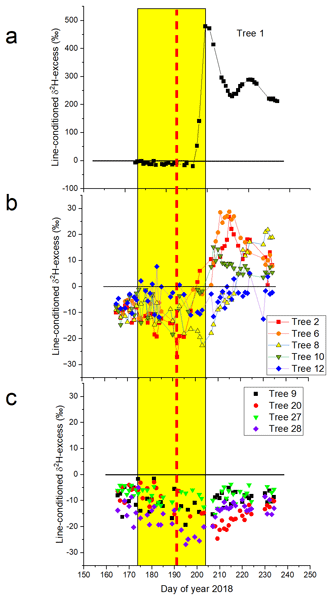
Water transport in forest soils occurs both vertically and horizontally. We added a stable isotope label to a small forest plot and monitored its passage vertically into the soil and horizontally into stems of surrounding trees. The labelled water was detected in the upper layers of the soil and in trees up to 6.7 m away, but was mostly taken up by one tree adjacent to the plot. These results affect how we think about summing over individual trees to describe the water economy of a whole forest.
Jozef Šupinský, Aurel Perşoiu, Michaela Nováková, Michal Gallay, and Ján Kaňuk
EGUsphere, https://doi.org/10.5194/egusphere-2026-3512, https://doi.org/10.5194/egusphere-2026-3512, 2026
Short summary
Short summary
Rapid loss of cave ice demands reliable quantification of volumetric change, yet irregular geometry, limited access, and dynamic melt surfaces make this challenging. We present a transferable terrestrial laser scanning workflow, from noise assessment through surface reconstruction to three-dimensional change and error propagation, robust under suboptimal acquisition. At Scărișoara Ice Cave, Romania, it revealed a loss of 1521 cubic metres in three years, controlled by morphology and drip water.
Aurel Perșoiu, Renata Feher, Carmen-Andreea Bădăluță, Marius-Victor Bîrsan, Dana-Magdalena Micu, Oliver Kracht, Christos Pennos, Ferenc L. Forray, Sandu Boengiu, George Murătoreanu, Alexandru Onaca, Vlad-Alexandru Amihăesei, Mihaela Borcan, Emilia Pantea, Florin Zăinescu, and Oleg Bogdevici
Earth Syst. Sci. Data Discuss., https://doi.org/10.5194/essd-2026-212, https://doi.org/10.5194/essd-2026-212, 2026
Revised manuscript under review for ESSD
Short summary
Short summary
Based on data collected in Eastern Europe, we show that topography modulates the role of large-scale atmospheric circulation patterns and moisture sources in determining the δ18O and δ2H of precipitation, with topography and evaporative loss being the main factors behind the variability of the same parameters in river waters.
Eyrún Gyða Gunnlaugsdóttir, Angelika Kübert, Xuefei Li, Timo Vesala, Aino Korrensalo, Elisa Männistö, Eeva-Stiina Tuittila, Pavel Alekseychik, and Ivan Mammarella
EGUsphere, https://doi.org/10.5194/egusphere-2026-3323, https://doi.org/10.5194/egusphere-2026-3323, 2026
Short summary
Short summary
We studied how two nearby peatland types exchange carbon with the atmosphere using long-term field measurements. We found that the fen absorbed more carbon dioxide but also released more methane than the bog, mainly due to differences in vegetation rather than climate. This suggests that plant communities strongly influence how peatlands affect climate and should be considered in future predictions, especially under changing environmental conditions and ecosystem shifts.
Pauline C. Treble, Yining Zang, Nikita Kaushal, István G. Hatvani, Péter Tanos, Zoltan Kern, Andy Baker, Andreas Hartmann, Franziska A. Lechleitner, Bryce Belanger, Bruna Daudt de Oliveira, Will Sinclair, Dana F. C. Riechelmann, András Hidas, Kei Yoshimura, Laia Comas-Bru, and the SISAL working group members
Earth Syst. Sci. Data Discuss., https://doi.org/10.5194/essd-2026-31, https://doi.org/10.5194/essd-2026-31, 2026
Revised manuscript under review for ESSD
Short summary
Short summary
Water dripping from cave ceilings is studied to understand how water moves from the surface to the cave. This has applications for palaeoclimate, groundwater and cave conservation studies. We present a new database containing water isotope measurements for drip water and rainfall at 75 cave locations globally. The database is a SISAL working group initiative (Speleothem Isotopes Synthesis and AnaLysis) and complements cave speleothem databases previously constructed by SISAL.
Jiri Kocum, Kristyna Falatkova, Vaclav Sipek, Karel Patek, Jan Haidl, Ondrej Gebousky, Jan Hnilica, Michal Jenicek, Martin Sanda, Lukas Trakal, and Lukas Vlcek
Hydrol. Earth Syst. Sci., 30, 3313–3330, https://doi.org/10.5194/hess-30-3313-2026, https://doi.org/10.5194/hess-30-3313-2026, 2026
Short summary
Short summary
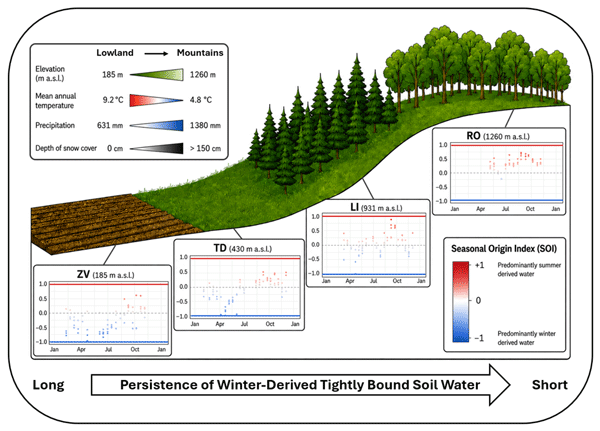
This study investigates soil water dynamics along an elevation gradient and distinguishes individual soil water pools (mobile vs. tightly bound water). Varying persistence of winter-derived soil water was documented, with longer residence times in lowland areas despite the absence of snow cover. A new method for direct extraction of tightly bound soil water, together with a correction procedure, also revealed distinct seasonal behavior of soil water pools, particularly during spring and autumn.
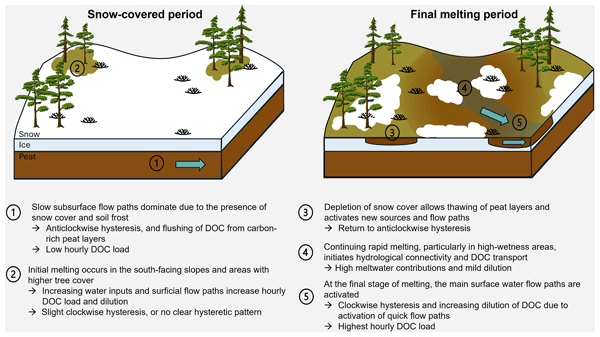
Petra Korhonen, Pertti Ala-Aho, Bjørn Kløve, and Hannu Marttila
Hydrol. Earth Syst. Sci., 30, 3019–3040, https://doi.org/10.5194/hess-30-3019-2026, https://doi.org/10.5194/hess-30-3019-2026, 2026
Short summary
Short summary
We studied how the melting of snow affects the release of dissolved organic carbon (DOC) in a northern peatland. Using detailed aerial surveys of snow cover, landscape moisture, and continuous water quality measurements revealed that DOC is released as snow cover melts, especially in wetter areas. Our results show how the snowmelt patterns control DOC transport, highlighting the sensitivity of northern peatland ecosystems to climate-driven changes in snow cover.
Shaakir Dar, Olga Silantyeva, Pertti Ala-aho, Benjamin Walter, John Hult, Valtteri Hyöky, Jeffrey Welker, and Hannu Marttila
EGUsphere, https://doi.org/10.5194/egusphere-2026-2589, https://doi.org/10.5194/egusphere-2026-2589, 2026
Short summary
Short summary
Snow can lose water directly to the air, but this process also changes the natural chemical fingerprints stored in snow. We used controlled wind-tunnel experiments with different snow types and airflow conditions to test why these changes vary. We found that wind controls how much snow is lost, but snow structure controls how strongly its fingerprints change. This means climate, water, and ice-record studies may misread snow signals if they ignore snow structure.
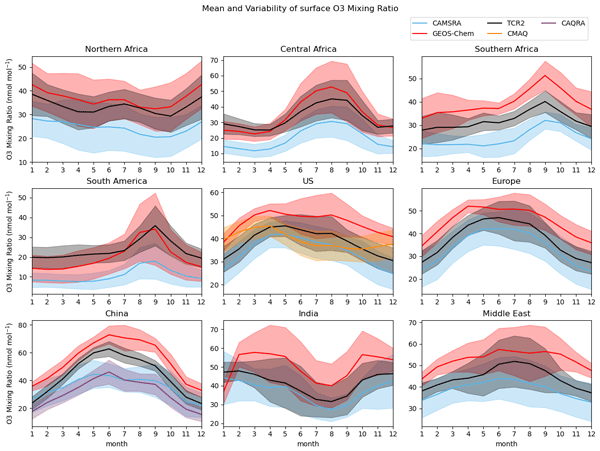
Dylan B. A. Jones, Lucas Prates, Zhen Qu, William Y. Y. Cheng, Kazuyuki Miyazaki, Takashi Sekiya, Antje Inness, Rajesh Kumar, Xiao Tang, Helen Worden, Gerbrand Koren, and Vincent Huijnen
Atmos. Chem. Phys., 26, 6655–6682, https://doi.org/10.5194/acp-26-6655-2026, https://doi.org/10.5194/acp-26-6655-2026, 2026
Short summary
Short summary
We evaluate five chemical reanalysis products to assess their potential to provide useful information on tropospheric ozone variability. We find that the reanalyses produce consistent information on ozone variations in the free troposphere, but have large discrepancies at the surface. The results suggests that improvements in the reanalyses are needed to better exploit the assimilated observations to enhance the utility of the reanalysis products at the surface.
Melanie Vital, Edison Jara, Andrew John Wade, Janie Masse-Dufresne, Aurel Persoiu, Marjan Temovski, Zarina Saidaliyeva, Polona Vreča, Luzmila Dàvila Roller, Maria Shahgedanova, Tao Pu, Francisco Fernandoy, Lee Jeonghoon, Bakhriddin Nishonov, Edson Ramirez, and Yuliya Vystavna
Earth Syst. Sci. Data Discuss., https://doi.org/10.5194/essd-2026-173, https://doi.org/10.5194/essd-2026-173, 2026
Revised manuscript under review for ESSD
Short summary
Short summary
We created the first global collection of water measurements from glacier‑influenced rivers, lakes, snow, and ice to understand how melting glaciers shape water supplies. By combining data from many regions, we show clear patterns linked to climate and elevation. This work helps scientists and water managers better predict future water availability as glaciers continue to shrink.
Stefano Martinetti, James Kirchner, Peter Molnar, and Marius Floriancic
EGUsphere, https://doi.org/10.5194/egusphere-2026-2481, https://doi.org/10.5194/egusphere-2026-2481, 2026
This preprint is open for discussion and under review for Hydrology and Earth System Sciences (HESS).
Short summary
Short summary
We measured impulse responses of water fluxes to atmospheric forcing in a mixed beech and spruce forest. We found rapid responses to precipitation in soils and trees, and rapid responses to solar radiation and aerodynamic evaporative demand in trees, but not in soils, which suggests that the forest canopy significantly shielded the soils from atmospheric forcing. We also found impulse-response functions to be affected by species-specific stomatal regulation and hydraulic capacitance.
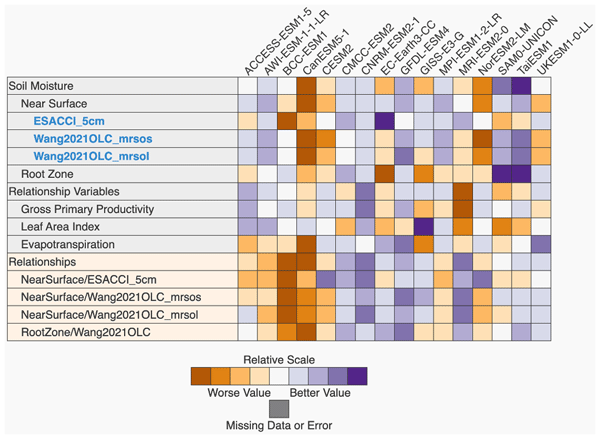
Elias C. Massoud, Nathan Collier, Yaoping Wang, Jiafu Mao, Adrian Harpold, Steven A. Kannenberg, Gerbrand Koren, Mukesh Kumar, Pushpendra Raghav, Pallav Ray, Mingjie Shi, Jing Tao, Sreedevi P. Vasu, Huiqi Wang, Qing Zhu, and Forrest M. Hoffman
Geosci. Model Dev., 19, 3427–3453, https://doi.org/10.5194/gmd-19-3427-2026, https://doi.org/10.5194/gmd-19-3427-2026, 2026
Short summary
Short summary
Soil moisture helps control how plants grow and how land exchanges water and energy with the atmosphere. We evaluated how well 16 Earth System Models represent soil moisture and its links to plant activity using a benchmarking system and observational data. Many models simulate surface soil moisture well but show larger errors deeper in the soil and in colder regions. Models that represent plant–soil water interactions more directly better capture how ecosystems respond to water availability.
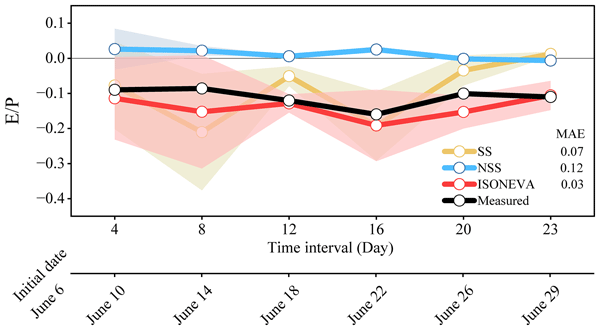
Han Fu, Ming Gao, Huijie Li, Daniele Penna, Junming Liu, Bingcheng Si, and Wenxiu Zou
Hydrol. Earth Syst. Sci., 30, 1951–1968, https://doi.org/10.5194/hess-30-1951-2026, https://doi.org/10.5194/hess-30-1951-2026, 2026
Short summary
Short summary
We present ISONEVA, a new isotope-based framework for estimating soil water evaporation that explicitly accounts for dynamic soil water storage and non-evaporative fluxes. Numerical and field validations demonstrate that ISONEVA substantially improves evaporation estimates compared to traditional steady-state and non-steady-state approaches, and provides a robust basis for assessing long-term average evaporation to precipitation (E/P) ratios.
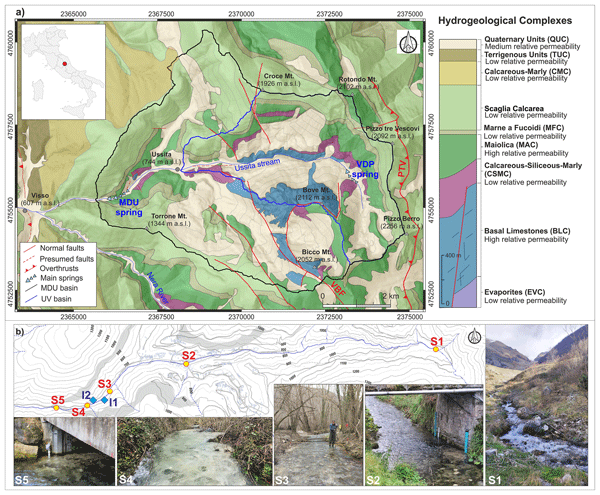
Sofia Ortenzi, Lucio Di Matteo, Daniela Valigi, Marco Donnini, Marco Dionigi, Davide Fronzi, Josie Geris, Fabio Guadagnano, Ivan Marchesini, Paolo Filippucci, Francesco Avanzi, Daniele Penna, and Christian Massari
Hydrol. Earth Syst. Sci., 30, 1755–1778, https://doi.org/10.5194/hess-30-1755-2026, https://doi.org/10.5194/hess-30-1755-2026, 2026
Short summary
Short summary
The study presents an integrated approach to analyze groundwater–surface water interactions in a Central Italy catchment, combining hydrological, hydrochemical–isotopic, thermal drone, and satellite data. Results indicate that fractured limestone aquifers sustain streamflow, with snowmelt accounting for about 18 % of recharge. The workflow is transferable and suitable for similar data-scarce Mediterranean basins.
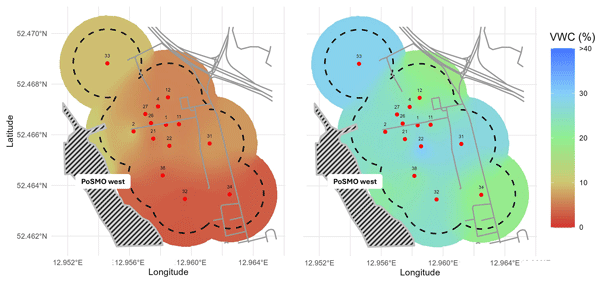
Peter M. Grosse, Elodie Marret, Lena Scheiffele, Katya Dimitrova Petrova, Till Francke, Daniel Altdorff, Maik Heistermann, Merlin Schiel, Carsten Neumann, Daniel Scheffler, Mehdi Saberioon, Matthias Kunz, Jonas Marach, Marcel Reginatto, Miroslav Zboril, Anna Balenzano, Daniel Rasche, Christine Stumpp, Benjamin Trost, and Sascha E. Oswald
Earth Syst. Sci. Data, 18, 1703–1727, https://doi.org/10.5194/essd-18-1703-2026, https://doi.org/10.5194/essd-18-1703-2026, 2026
Short summary
Short summary
This data paper describes a comprehensive collection of soil moisture and related data from an extensive cosmic-ray neutron sensing (CRNS) network at an agricultural research site in north-east Germany. The data set comprises not only soil moisture observations at different spatio-temporal scales, but also a wealth of accompanying data that provide the context to interpret soil moisture dynamics within a broader hydrological and environmental framework.
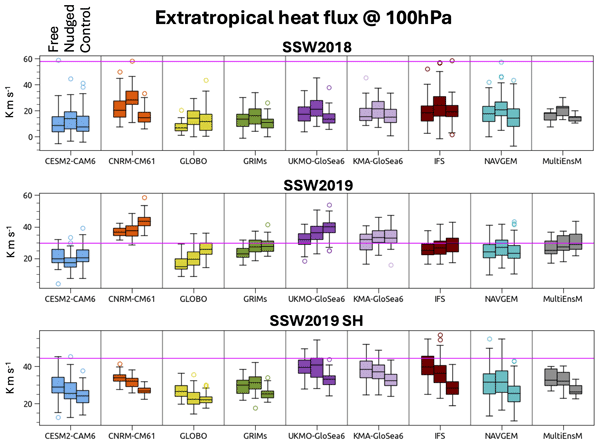
Blanca Ayarzagüena, Amy H. Butler, Peter Hitchcock, Chaim I. Garfinkel, Zac D. Lawrence, Wuhan Ning, Philip Rupp, Zheng Wu, Hilla Afargan-Gerstman, Natalia Calvo, Alvaro de la Cámara, Martin Jucker, Gerbrand Koren, Daniel De Maeseneire, Gloria L. Manney, Marisol Osman, Masakazu Taguchi, Cory Barton, Dong-Chan Hong, Yu-Kyung Hyun, Hera Kim, Jeff Knight, Piero Malguzzi, Daniele Mastrangelo, Jiyoung Oh, Inna Polichtchouk, Jadwiga H. Richter, Isla R. Simpson, Seok-Woo Son, Damien Specq, and Tim Stockdale
Weather Clim. Dynam., 7, 411–437, https://doi.org/10.5194/wcd-7-411-2026, https://doi.org/10.5194/wcd-7-411-2026, 2026
Short summary
Short summary
Sudden Stratospheric Warmings (SSWs) are known to follow a sustained wave dissipation in the stratosphere, which depends on both the tropospheric and stratospheric states. However, the relative role of each state is still unclear. Using a new set of subseasonal to seasonal forecasts, we show that the stratospheric state does not drastically affect the precursors of three recent SSWs, but modulates the stratospheric wave activity, with impacts depending on SSW features.
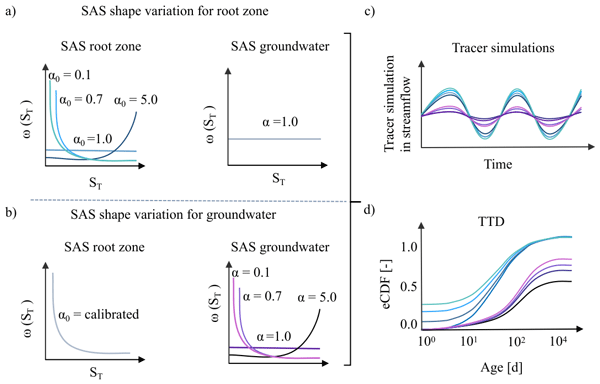
Hatice Türk, Christine Stumpp, Markus Hrachowitz, Peter Strauss, Günter Blöschl, and Michael Stockinger
Hydrol. Earth Syst. Sci., 30, 1053–1076, https://doi.org/10.5194/hess-30-1053-2026, https://doi.org/10.5194/hess-30-1053-2026, 2026
Short summary
Short summary
This study shows that streamflow isotope data in a catchment-scale isotope-based transport model were sufficient to isolate preferential flow in the unsaturated zone but insufficient to isolate the preferential release of young groundwater, as isotope signals were strongly damped by large passive groundwater storage. As a result, groundwater age-selection assumptions affected estimates of long transit times, making it difficult to quantify the fraction of stream water older than 100 days.
Michael Zehnder, Annegret Udke, Katrin Meusburger, Frank Hagedorn, Andri Baltensweiler, and Christian Rixen
EGUsphere, https://doi.org/10.5194/egusphere-2026-835, https://doi.org/10.5194/egusphere-2026-835, 2026
Short summary
Short summary
Most organic carbon in alpine ecosystems is stored belowground, yet its distribution is poorly known. By combining new soil measurements with existing data from across the Swiss Alps, we mapped soil carbon storage from the treeline to permafrost-affected regions. We found that alpine grasslands store large amounts of soil carbon, explained mainly by vegetation productivity, temperature, and terrain. The results provide a baseline to assess how alpine soil carbon may respond to climate change.

Luisa I. Minich, Dylan Geissbühler, Stefan Tobler, Annegret Udke, Alexander S. Brunmayr, Margaux Moreno Duborgel, Ciriaco McMackin, Lukas Wacker, Philip Gautschi, Negar Haghipour, Markus Egli, Ansgar Kahmen, Jens Leifeld, Timothy I. Eglinton, and Frank Hagedorn
Biogeosciences, 23, 811–829, https://doi.org/10.5194/bg-23-811-2026, https://doi.org/10.5194/bg-23-811-2026, 2026
Short summary
Short summary
We developed a conceptual framework using rates and 14C-derived ages of soil-respired CO2 and its sources (autotrophic, heterotrophic) to identify carbon cycling pathways in different land-use types. Rates, ages and sources of respired CO2 varied across forests, grasslands, croplands, and managed peatlands. Our results suggest that the relationship between rates and ages of respired CO2 serves as a robust indicator of carbon retention and loss from natural to disturbed systems.
Guilhem Türk, Christoph J. Gey, Bernd R. Schöne, Marius G. Floriancic, James W. Kirchner, Loic Leonard, Laurent Gourdol, Richard F. Keim, and Laurent Pfister
Hydrol. Earth Syst. Sci., 30, 343–369, https://doi.org/10.5194/hess-30-343-2026, https://doi.org/10.5194/hess-30-343-2026, 2026
Short summary
Short summary
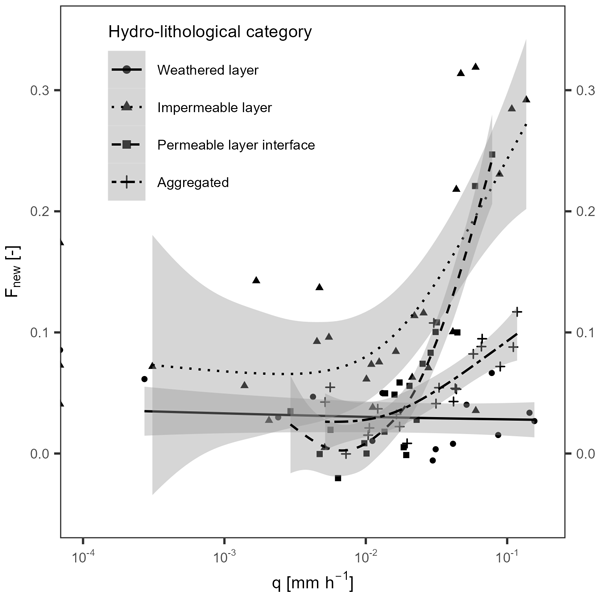
How landscape features affect water storage and release in catchments remains poorly understood. Here we used water stable isotopes in 12 streams to assess the fraction of precipitation reaching streamflow in less than 2 weeks. More recent precipitation was found when streamflow was high and the fraction was linked to the geology (i.e. high when impermeable, low when permeable). Such information is key for better anticipating streamflow responses to a changing climate.
Anna Leuteritz, Victor Aloyse Gauthier, and Ilja van Meerveld
Hydrol. Earth Syst. Sci., 30, 267–287, https://doi.org/10.5194/hess-30-267-2026, https://doi.org/10.5194/hess-30-267-2026, 2026
Short summary
Short summary
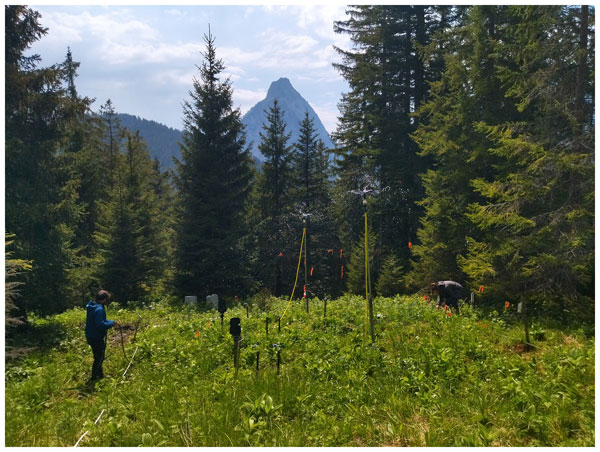
We applied rainfall and tracers on two 8 m wide runoff plots to better understand runoff generation processes in pre-Alpine catchments with low permeability gleysols. The results highlight the frequent occurrence of infiltration and exfiltration of water, the importance of preferential flow, and the quick runoff response (i.e., high celerity) and transport of solutes (i.e., high velocity). These results help to understand why streams in the study region respond very quickly to rainfall.
Josefa Arán Paredes, Fabian Bernhard, Koen Hufkens, Mayeul Marcadella, and Benjamin D. Stocker
Geosci. Model Dev., 18, 9855–9878, https://doi.org/10.5194/gmd-18-9855-2025, https://doi.org/10.5194/gmd-18-9855-2025, 2025
Short summary
Short summary
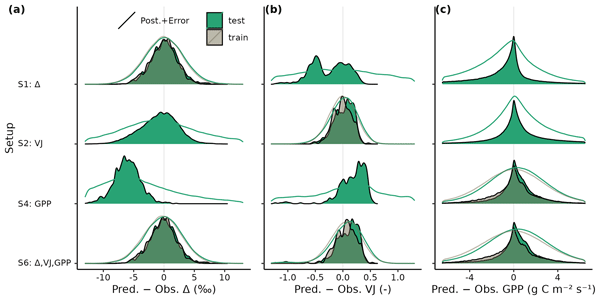
Mechanistic vegetation models serve to estimate terrestrial carbon fluxes and climate impacts on ecosystems across diverse conditions. Here, we demonstrate and evaluate the rsofun R package, which provides a computationally efficient implementation of the P-model for site-scale simulations of ecosystem photosynthesis. Bayesian model fitting to observed fluxes and traits and evaluation on an independent test data set indicated robust calibration and unbiased prediction capabilities.
Chun Chung Yeung, Harald Bugmann, Frank Hagedorn, Margaux Moreno Duborgel, and Olalla Díaz-Yáñez
Biogeosciences, 22, 7535–7562, https://doi.org/10.5194/bg-22-7535-2025, https://doi.org/10.5194/bg-22-7535-2025, 2025
Short summary
Short summary
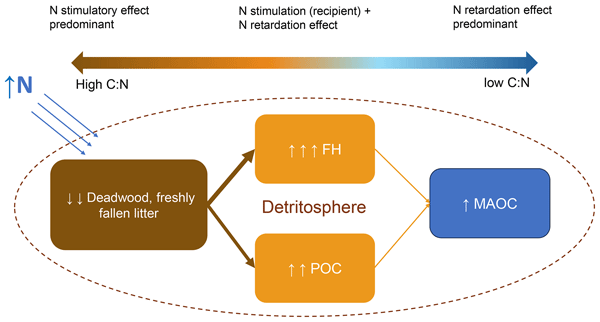
To shed light on the interactions between soil nitrogen (N) and carbon (C), we set up a model “experiment” in silico to test several hypothesized responses of decomposers to N. We found that decomposers were stimulated by N when decomposing high C:N detritus, but inhibited when decomposing low C:N, processed organic C. The consequence is that under exogenous N addition (e.g., contemporary N deposition), forests may accumulate light fraction C predominantly, at the expense of coarse detritus.
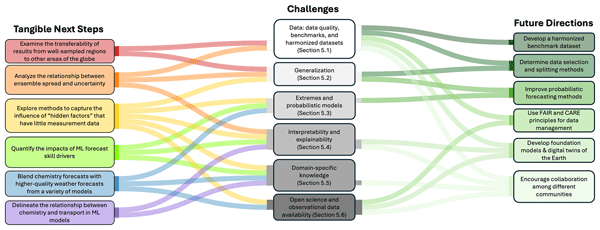
Sebastian H. M. Hickman, Makoto M. Kelp, Paul T. Griffiths, Kelsey Doerksen, Kazuyuki Miyazaki, Elyse A. Pennington, Gerbrand Koren, Fernando Iglesias-Suarez, Martin G. Schultz, Kai-Lan Chang, Owen R. Cooper, Alex Archibald, Roberto Sommariva, David Carlson, Hantao Wang, J. Jason West, and Zhenze Liu
Geosci. Model Dev., 18, 8777–8800, https://doi.org/10.5194/gmd-18-8777-2025, https://doi.org/10.5194/gmd-18-8777-2025, 2025
Short summary
Short summary
Machine learning is being more widely used across environmental and climate science. This work reviews the use of machine learning in tropospheric ozone research, focusing on three main application areas in which significant progress has been made. Common challenges in using machine learning across the three areas are highlighted, and future directions for the field are indicated.
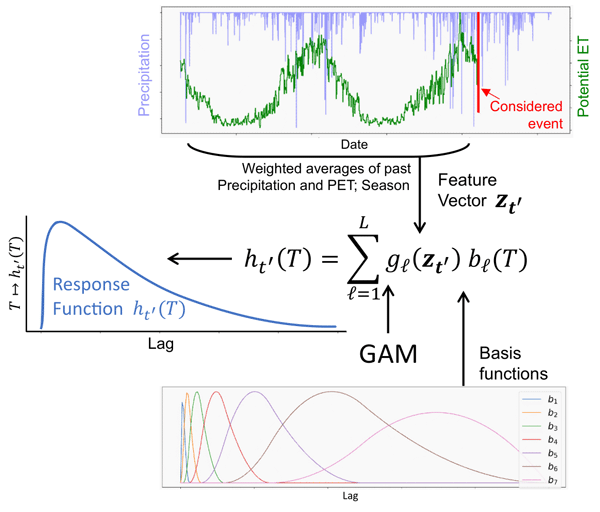
Quentin Duchemin, Maria Grazia Zanoni, Marius G. Floriancic, Hansjörg Seybold, Guillaume Obozinski, James W. Kirchner, and Paolo Benettin
Geosci. Model Dev., 18, 8663–8678, https://doi.org/10.5194/gmd-18-8663-2025, https://doi.org/10.5194/gmd-18-8663-2025, 2025
Short summary
Short summary
We introduce GAMCR (Generalized Additive Models for Catchment Responses), a data-driven model that estimates how catchments respond to individual precipitation events. We validate GAMCR on synthetic data and demonstrate its ability to investigate the characteristic runoff responses from real-world hydrologic series. GAMCR provides new data-driven opportunities to understand and compare hydrological behavior across different catchments.
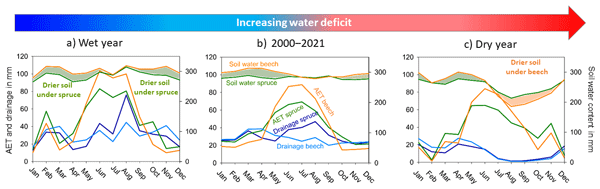
Nikol Zelíková, Jitka Toušková, Jiří Kocum, Lukáš Vlček, Miroslav Tesař, Martin Bouda, and Václav Šípek
Hydrol. Earth Syst. Sci., 29, 6003–6021, https://doi.org/10.5194/hess-29-6003-2025, https://doi.org/10.5194/hess-29-6003-2025, 2025
Short summary
Short summary
Climate change in Central Europe results in the gradual replacement of spruce trees with beech. To model its potential impact, we used 22-year data of soil moisture under both tree species. The drier the summer season, the greater the difference between the two: the main reason was the higher transpiration of beech canopy compared to spruce. An accelerating transition of the Central European montane forest water balance from a fully energy-limited state towards water-limitation was documented.
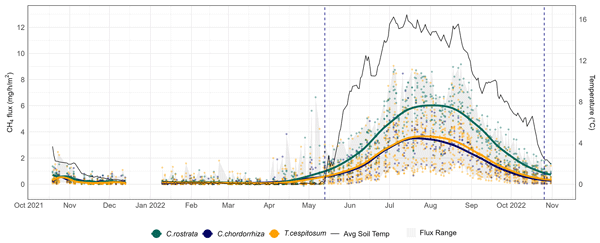
Eeva Järvi-Laturi, Teemu Tahvanainen, Eero Koskinen, Efrén López-Blanco, Juho Lämsä, Hannu Marttila, Mikhail Mastepanov, Riku Paavola, Maria Väisänen, and Torben R. Christensen
Biogeosciences, 22, 6343–6367, https://doi.org/10.5194/bg-22-6343-2025, https://doi.org/10.5194/bg-22-6343-2025, 2025
Short summary
Short summary
Our research investigates how plant community composition influences methane emissions in a northern boreal rich fen. We measured methane fluxes year-round using manual chambers across 36 plots. Our findings suggest that sedges, particularly Carex rostrata, significantly impact the fluxes throughout the year. This study enhances our understanding of vegetation-driven methane emissions, providing valuable insights for predicting future changes in peatland methane emissions.
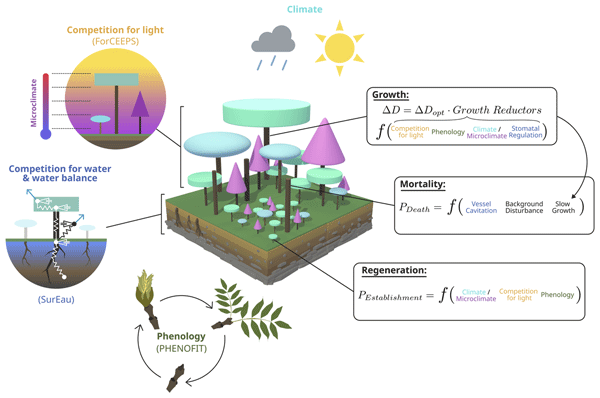
Tanguy Postic, François de Coligny, Isabelle Chuine, Louis Devresse, Daniel Berveiller, Hervé Cochard, Matthias Cuntz, Nicolas Delpierre, Émilie Joetzjer, Jean-Marc Limousin, Jean-Marc Ourcival, François Pimont, Julien Ruffault, Guillaume Simioni, Nicolas K. Martin-StPaul, and Xavier Morin
Geosci. Model Dev., 18, 7603–7679, https://doi.org/10.5194/gmd-18-7603-2025, https://doi.org/10.5194/gmd-18-7603-2025, 2025
Short summary
Short summary
PHOREAU is a forest dynamic model that links plant traits with water use, growth, and climate responses to explore how species diversity affects productivity and resilience. Validated across European forests, PHOREAU simulates how tree communities function under drought and warming. Our findings support the use of trait-based modeling to guide forest adaptation strategies under future climate scenarios.
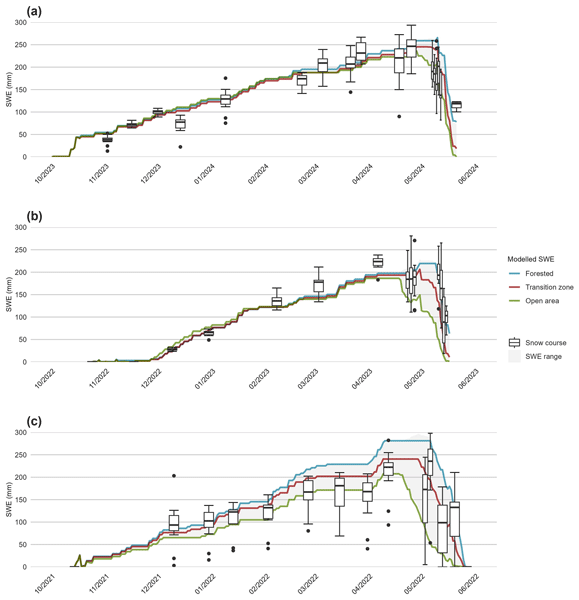
Maiju Ylönen, Hannu Marttila, Joschka Geissler, Anton Kuzmin, Pasi Korpelainen, Timo Kumpula, and Pertti Ala-Aho
The Cryosphere, 19, 4585–4610, https://doi.org/10.5194/tc-19-4585-2025, https://doi.org/10.5194/tc-19-4585-2025, 2025
Short summary
Short summary
We collected snow depth maps four times during the winter from two different sites and used them as input for a model to predict daily snow depth and snow water equivalent (SWE). Our results show similar snow depth patterns at different sites, with snow depths being the highest in forests and forest gaps and the lowest in open areas. The results can extend operational snow course measurements and their temporal and spatial coverage, helping hydrological forecasting and water resource management.
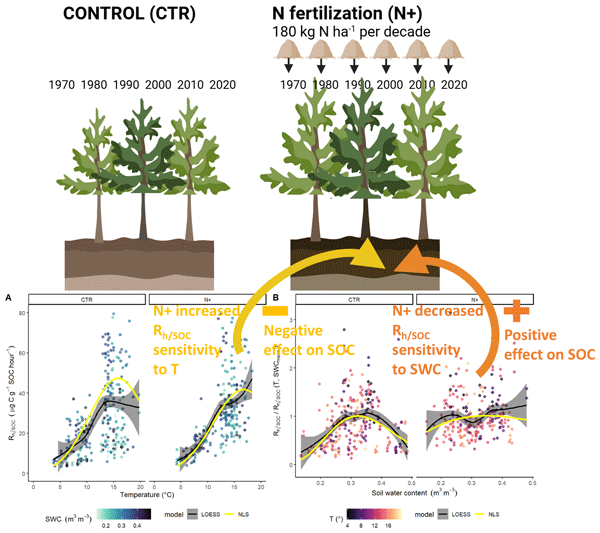
Boris Ťupek, Aleksi Lehtonen, Stefano Manzoni, Elisa Bruni, Petr Baldrian, Etienne Richy, Bartosz Adamczyk, Bertrand Guenet, and Raisa Mäkipää
Biogeosciences, 22, 5497–5510, https://doi.org/10.5194/bg-22-5497-2025, https://doi.org/10.5194/bg-22-5497-2025, 2025
Short summary
Short summary
We explored soil microbial respiration (Rh) kinetics of low-dose and long-term N fertilization in N-limited boreal forest in connection with CH4 and N2O fluxes and soil and tree C sinks. The insights show that N fertilization affects C retention in boreal forest soils by modifying Rh sensitivities to soil temperature and moisture. The key findings reveal that N-enriched soils exhibited reduced sensitivity of Rh to moisture, which contributed to enhanced soil C sequestration on an annual level.
Theresa Blume, Peter Chifflard, Stefan Achleitner, Andreas Hartmann, Stefan Hergarten, Luisa Hopp, Bernhard Kohl, Florian Leese, Ilja van Meerveld, Christian Reinhardt-Imjela, and Markus Weiler
EGUsphere, https://doi.org/10.5194/egusphere-2025-4424, https://doi.org/10.5194/egusphere-2025-4424, 2025
Short summary
Short summary
Subsurface stormflow (SSF) is one of the least studied and therefore least understood runoff generation processes because detecting and quantifying SSF is extremely challenging. We present an ongoing concerted experimental effort to systematically investigate SSF across four catchments using a variety of methods covering different spatial scales. Centerpiece of this effort is the construction of 12 large trenches to capture and monitor SSF.
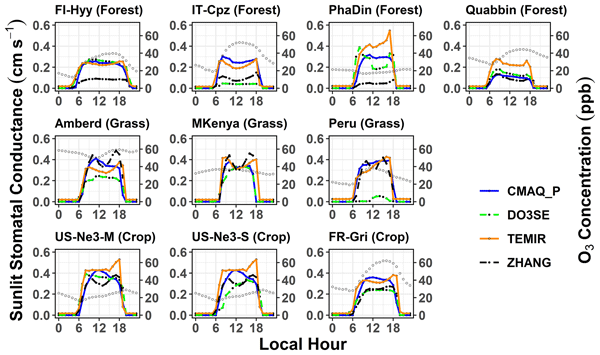
Tamara Emmerichs, Abdulla Al Mamun, Lisa Emberson, Huiting Mao, Leiming Zhang, Limei Ran, Clara Betancourt, Anthony Wong, Gerbrand Koren, Giacomo Gerosa, Min Huang, and Pierluigi Guaita
Biogeosciences, 22, 4823–4849, https://doi.org/10.5194/bg-22-4823-2025, https://doi.org/10.5194/bg-22-4823-2025, 2025
Short summary
Short summary
The risk of ozone pollution to plants is estimated based on the flux through the plant pores which still has uncertainties. In this study, we estimate this quantity with nine models at different land types worldwide, driven by measurement data. The models mostly estimated reasonable summertime ozone flux to plants. The model results varied by land cover, mainly related to the a lack of moisture in the soil. This work is an important step for assessing the ozone impact on vegetation.
Yunqian Zhu, Hideharu Akiyoshi, Valentina Aquila, Elizabeth Asher, Ewa M. Bednarz, Slimane Bekki, Christoph Brühl, Amy H. Butler, Parker Case, Simon Chabrillat, Gabriel Chiodo, Margot Clyne, Peter R. Colarco, Sandip Dhomse, Lola Falletti, Eric Fleming, Ben Johnson, Andrin Jörimann, Mahesh Kovilakam, Gerbrand Koren, Ales Kuchar, Nicolas Lebas, Qing Liang, Cheng-Cheng Liu, Graham Mann, Michael Manyin, Marion Marchand, Olaf Morgenstern, Paul Newman, Luke D. Oman, Freja F. Østerstrøm, Yifeng Peng, David Plummer, Ilaria Quaglia, William Randel, Samuel Rémy, Takashi Sekiya, Stephen Steenrod, Timofei Sukhodolov, Simone Tilmes, Kostas Tsigaridis, Rei Ueyama, Daniele Visioni, Xinyue Wang, Shingo Watanabe, Yousuke Yamashita, Pengfei Yu, Wandi Yu, Jun Zhang, and Zhihong Zhuo
Geosci. Model Dev., 18, 5487–5512, https://doi.org/10.5194/gmd-18-5487-2025, https://doi.org/10.5194/gmd-18-5487-2025, 2025
Short summary
Short summary
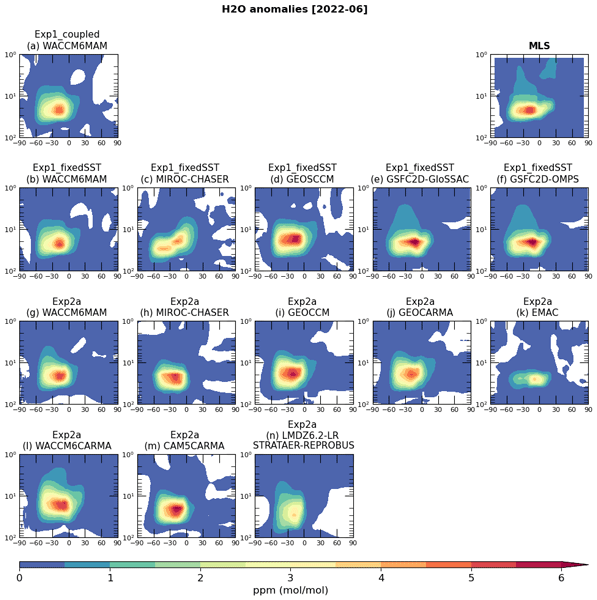
To understand the climate impact of the 2022 Hunga volcanic eruption, we developed a climate model–observation comparison project. The paper describes the protocols and models that participate in the experiments. We designed several experiments to achieve our goals of this activity: (1) to evaluate the climate model performance and (2) to understand the Earth system responses to this eruption.
Claudia Guidi, Sia Gosheva-Oney, Markus Didion, Roman Flury, Lorenz Walthert, Stephan Zimmermann, Brian J. Oney, Pascal A. Niklaus, Esther Thürig, Toni Viskari, Jari Liski, and Frank Hagedorn
Biogeosciences, 22, 4107–4122, https://doi.org/10.5194/bg-22-4107-2025, https://doi.org/10.5194/bg-22-4107-2025, 2025
Short summary
Short summary
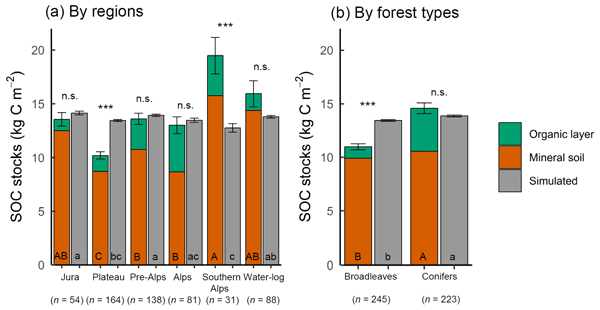
Predicting soil organic carbon (SOC) stocks in forests is crucial to determining the C balance, yet drivers of SOC stocks remain uncertain at large scales. Across a broad environmental gradient in Switzerland, we compared measured SOC stocks with those modeled by Yasso, which is commonly used for greenhouse gas budgets. We show that soil mineral properties and climate are the main controls of SOC stocks, indicating that better accounting of these processes will advance the accuracy of SOC stock predictions.
Hatice Türk, Christine Stumpp, Markus Hrachowitz, Karsten Schulz, Peter Strauss, Günter Blöschl, and Michael Stockinger
Hydrol. Earth Syst. Sci., 29, 3935–3956, https://doi.org/10.5194/hess-29-3935-2025, https://doi.org/10.5194/hess-29-3935-2025, 2025
Short summary
Short summary
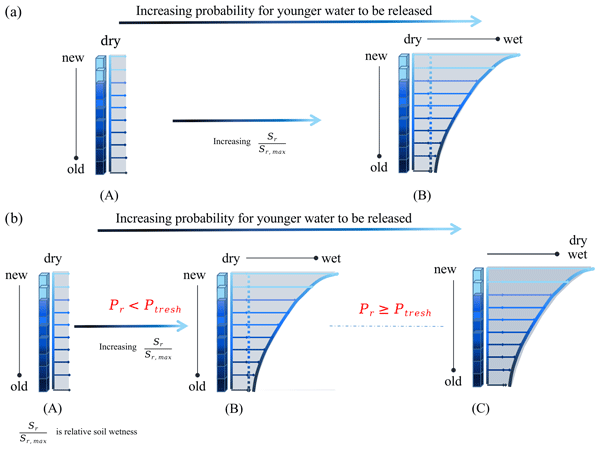
Using advances in transit time estimation and tracer data, we tested if fast-flow transit times are controlled solely by soil moisture or if they are also controlled by precipitation intensity. We used soil-moisture-dependent and precipitation-intensity-conditional transfer functions. We showed that a significant portion of event water bypasses the soil matrix through fast flow paths (overland flow, tile drains, preferential-flow paths) in dry soil conditions for both low- and high-intensity precipitation.
Victor Aloyse Gauthier, Anna Leuteritz, and Ilja van Meerveld
Hydrol. Earth Syst. Sci., 29, 3889–3905, https://doi.org/10.5194/hess-29-3889-2025, https://doi.org/10.5194/hess-29-3889-2025, 2025
Short summary
Short summary
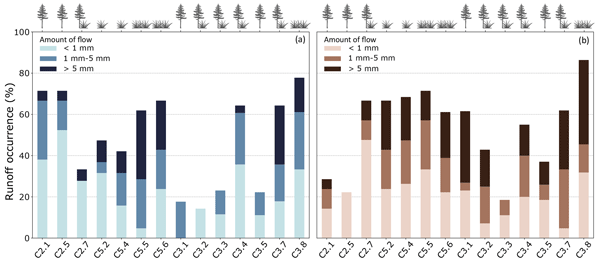
This study explored the occurrence of flow on and just below the soil surface for 14 small vegetated plots across a pre-Alpine catchment. Overland flow and lateral flow through the topsoil occurred frequently. The spatial variation in the occurrence and amount of flow depended on site characteristics, particularly the topographic wetness index. The amount of flow also depended on the antecedent-wetness conditions and total precipitation.
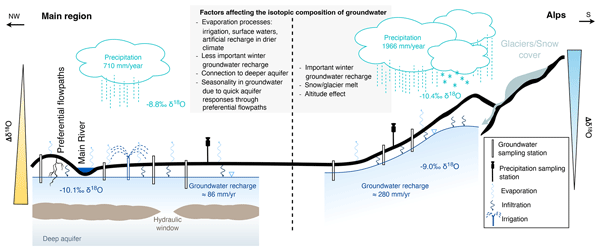
Aixala Gaillard, Robert van Geldern, Johannes Arthur Christopher Barth, and Christine Stumpp
Hydrol. Earth Syst. Sci., 29, 3853–3863, https://doi.org/10.5194/hess-29-3853-2025, https://doi.org/10.5194/hess-29-3853-2025, 2025
Short summary
Short summary
We produced a new interpolated map of stable isotopes in groundwater in southern Germany and compared it to local precipitation. Interestingly, discrepancies were found between two components of the hydrological cycle, highlighting different recharge patterns and evaporation processes in the northern and southern part of the study area. This research provides insights into understanding different groundwater recharge patterns on a large scale and eventually for groundwater management.
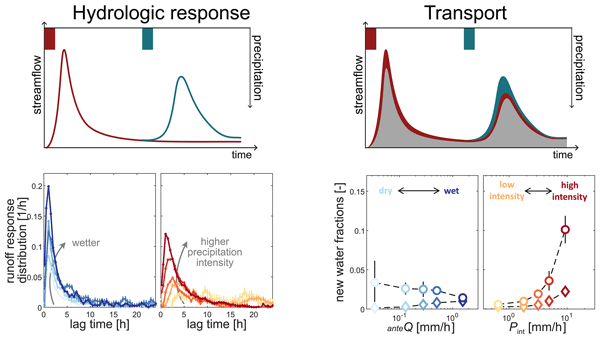
Julia L. A. Knapp, Wouter R. Berghuijs, Marius G. Floriancic, and James W. Kirchner
Hydrol. Earth Syst. Sci., 29, 3673–3685, https://doi.org/10.5194/hess-29-3673-2025, https://doi.org/10.5194/hess-29-3673-2025, 2025
Short summary
Short summary
This study explores how streams react to rain and how water travels through the landscape to reach them, two processes rarely studied together. Using detailed data from two temperate areas, we show that streams respond to rain much faster than rainwater travels to them. Wetter conditions lead to stronger runoff by releasing older stored water, while heavy rainfall moves newer rainwater to streams faster. These findings offer new insights into how water moves through the environment.

Anke Fluhrer, Martin J. Baur, María Piles, Bagher Bayat, Mehdi Rahmati, David Chaparro, Clémence Dubois, Florian M. Hellwig, Carsten Montzka, Angelika Kübert, Marlin M. Mueller, Isabel Augscheller, Francois Jonard, Konstantin Schellenberg, and Thomas Jagdhuber
Biogeosciences, 22, 3721–3746, https://doi.org/10.5194/bg-22-3721-2025, https://doi.org/10.5194/bg-22-3721-2025, 2025
Short summary
Short summary
This study compares established evapotranspiration products in central Europe and evaluates their multi-seasonal performance during wet and drought phases in 2017–2020 together with important soil–plant–atmosphere drivers. Results show that SEVIRI, ERA5-land, and GLEAM perform best compared to ICOS (Integrated Carbon Observation System) measurements. During moisture-limited drought years, ET (evapotranspiration) decreases due to decreasing soil moisture and increasing vapor pressure deficit, while in other years ET is mainly controlled by VPD (vapor pressure deficit).
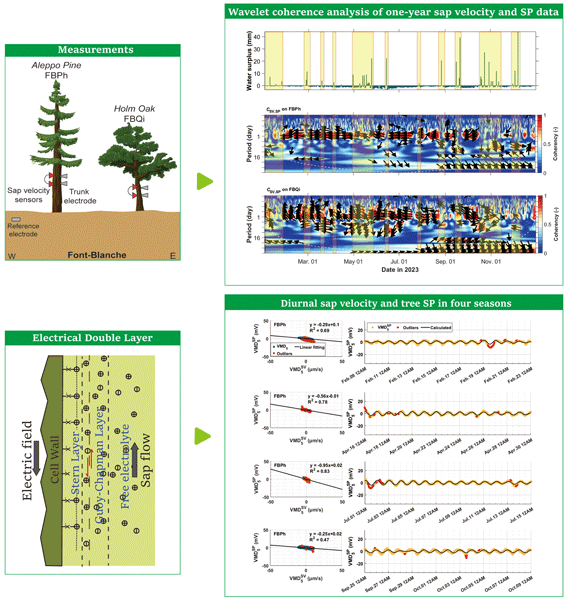
Kaiyan Hu, Bertille Loiseau, Simon D. Carrière, Nolwenn Lesparre, Cédric Champollion, Nicolas K. Martin-StPaul, Niklas Linde, and Damien Jougnot
Hydrol. Earth Syst. Sci., 29, 2997–3018, https://doi.org/10.5194/hess-29-2997-2025, https://doi.org/10.5194/hess-29-2997-2025, 2025
Short summary
Short summary
This study explores the potential of the electrical self-potential (SP) method, a passive geophysical technique, to provide additional insights into tree transpiration rates. We measured SP and sap velocity in three tree species over a year in a Mediterranean climate. Results indicate SP may characterize transpiration rates, especially during dry seasons. Additionally, the electrokinetic coupling coefficients of these trees align with values typically found in porous geological media.
Shaakir Shabir Dar, Eric Klein, Pertti Ala-aho, Hannu Marttila, Sonja Wahl, and Jeffrey Welker
EGUsphere, https://doi.org/10.5194/egusphere-2025-2724, https://doi.org/10.5194/egusphere-2025-2724, 2025
Preprint archived
Short summary
Short summary
Using laser based instruments, we observed snow turning directly to vapor inside the pack and at its surface. In cold, calm weather vapor moves slowly upward; on warmer, windy days air pushes vapor deeper into the snow. These dynamics control snow loss and must be included in hydrological and climate models.
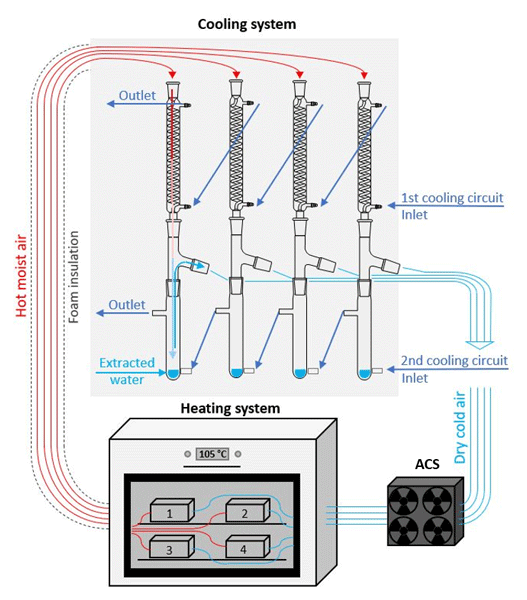
Jiri Kocum, Jan Haidl, Ondrej Gebousky, Kristyna Falatkova, Vaclav Sipek, Martin Sanda, Natalie Orlowski, and Lukas Vlcek
Hydrol. Earth Syst. Sci., 29, 2863–2880, https://doi.org/10.5194/hess-29-2863-2025, https://doi.org/10.5194/hess-29-2863-2025, 2025
Short summary
Short summary
We present a novel method for soil water extraction – circulating-air soil water extraction – together with a newly developed apparatus specifically designed for its purposes. The method has been tested across a range of soil types, demonstrating an accuracy level that matches or surpasses that of conventional extraction techniques. The apparatus is optimized for small-scale, high-precision studies in which an unambiguous determination of the water origin is required.
Teemu Juselius-Rajamäki, Sanna Piilo, Susanna Salminen-Paatero, Emilia Tuomaala, Tarmo Virtanen, Atte Korhola, Anna Autio, Hannu Marttila, Pertti Ala-Aho, Annalea Lohila, and Minna Väliranta
Biogeosciences, 22, 3047–3071, https://doi.org/10.5194/bg-22-3047-2025, https://doi.org/10.5194/bg-22-3047-2025, 2025
Short summary
Short summary
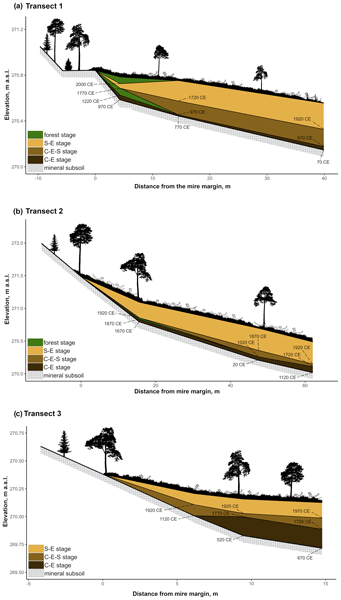
Vegetation can be used to infer the potential climate feedback of peatlands. New studies have shown the recent expansion of peatlands, but their plant community succession has not been studied. Although generally described as dry bog-type vegetation, our results show that peatland margins in a subarctic fen began as wet fen with high methane emissions and shifted to bog-type peatland area only after the Little Ice Age. Thus, they have acted as a carbon source for most of their history.
Getachew Agmuas Adnew, Gerbrand Koren, Neha Mehendale, Sergey Gromov, Maarten Krol, and Thomas Röckmann
Atmos. Meas. Tech., 18, 2701–2719, https://doi.org/10.5194/amt-18-2701-2025, https://doi.org/10.5194/amt-18-2701-2025, 2025
Short summary
Short summary
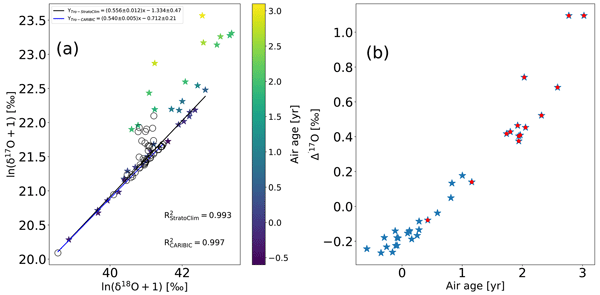
This study presents high-precision measurements of ∆′17O(CO2). Key findings include the extension of the N2O–∆′17O correlation to the upper troposphere and the identification of significant differences in the N2O–∆′17O slope in StratoClim samples. Additionally, the ∆′17O measurements are used to estimate global stratospheric production and surface removal of ∆′17O, providing an independent estimate of global vegetation CO2 exchange.
Santiago Botía, Saqr Munassar, Thomas Koch, Danilo Custodio, Luana S. Basso, Shujiro Komiya, Jost V. Lavric, David Walter, Manuel Gloor, Giordane Martins, Stijn Naus, Gerbrand Koren, Ingrid T. Luijkx, Stijn Hantson, John B. Miller, Wouter Peters, Christian Rödenbeck, and Christoph Gerbig
Atmos. Chem. Phys., 25, 6219–6255, https://doi.org/10.5194/acp-25-6219-2025, https://doi.org/10.5194/acp-25-6219-2025, 2025
Short summary
Short summary
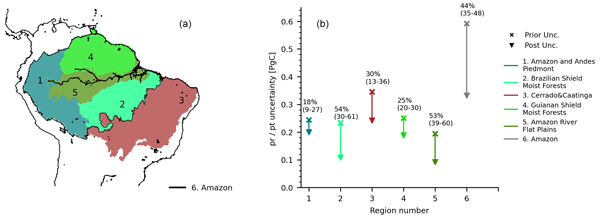
This study uses dry CO2 mole fractions from the Amazon Tall Tower Observatory together with airborne profiles to estimate net carbon exchange in tropical South America. We found that the biogeographic Amazon is a net carbon sink, while the Cerrado and Caatinga biomes are net carbon sources, resulting in an overall neutral balance. Finally, to further reduce the uncertainty in our estimates we call for an expansion of the monitoring capacity, especially in the Amazon–Andes foothills.
Frank Hagedorn, Josephine Imboden, Pavel A. Moiseev, Decai Gao, Emmanuel Frossard, Patrick Schleppi, Daniel Christen, Konstantin Gavazov, and Jasmin Fetzer
Biogeosciences, 22, 2959–2977, https://doi.org/10.5194/bg-22-2959-2025, https://doi.org/10.5194/bg-22-2959-2025, 2025
Short summary
Short summary
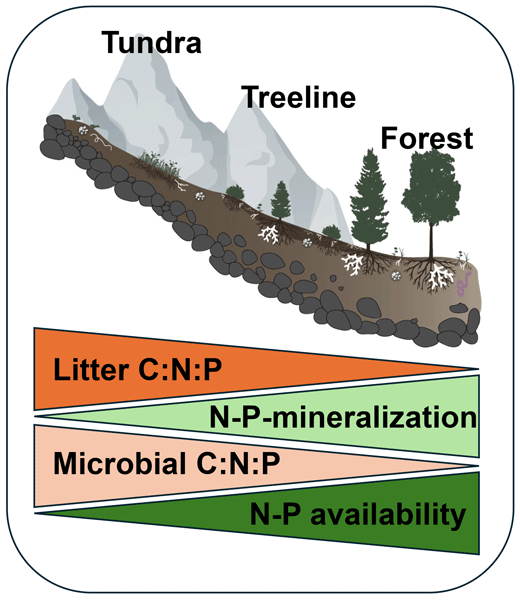
At treeline, plant species change abruptly from low-stature plants in tundra to trees in forests. Our study documents that from tundra towards forest, the litter layer becomes strongly enriched in nutrients. We show that these litter quality changes alter nutrient processing by soil microbes and increase nutrient release during decomposition in forests compared to tundra. The associated improvement in nutrient availability in forests potentially stimulates tree growth and treeline shifts.
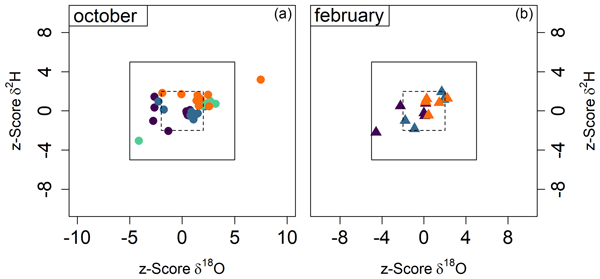
Adrian Dahlmann, John D. Marshall, David Dubbert, Mathias Hoffmann, and Maren Dubbert
Atmos. Meas. Tech., 18, 2607–2618, https://doi.org/10.5194/amt-18-2607-2025, https://doi.org/10.5194/amt-18-2607-2025, 2025
Short summary
Short summary
Water-stable isotopes are commonly used in hydrological and ecological research. Until now, measurements have been obtained either destructively or directly in the field. Here, we present a novel, affordable, and easy-to-use approach to measure the stable isotope signatures of soil water. Our gas bag approach demonstrates a high accuracy and extends usability by allowing water vapor samples to be collected and stored in the field without the need for an instrument or a permanent power supply.
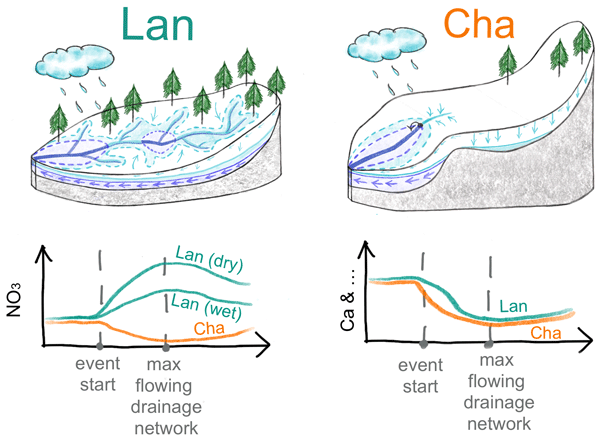
Izabela Bujak-Ozga, Jana von Freyberg, Margaret Zimmer, Andrea Rinaldo, Paolo Benettin, and Ilja van Meerveld
Hydrol. Earth Syst. Sci., 29, 2339–2359, https://doi.org/10.5194/hess-29-2339-2025, https://doi.org/10.5194/hess-29-2339-2025, 2025
Short summary
Short summary
Stream networks expand and contract, affecting the amount and quality of water in perennial streams. This study presents measurements of changes in water chemistry and the flowing portion of the drainage network during rainfall events in two neighboring catchments. Despite the proximity and similar size, soil, and bedrock, water chemistry and stream network dynamics differed substantially in the two catchments. These differences are attributed to the differences in the slope and channel network.
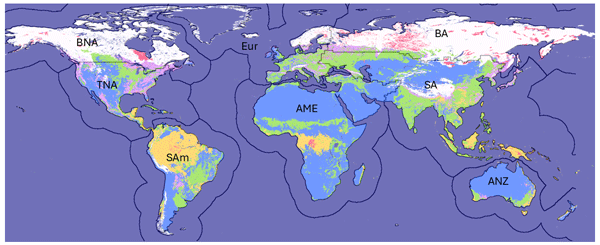
Cynthia H. Whaley, Tim Butler, Jose A. Adame, Rupal Ambulkar, Steve R. Arnold, Rebecca R. Buchholz, Benjamin Gaubert, Douglas S. Hamilton, Min Huang, Hayley Hung, Johannes W. Kaiser, Jacek W. Kaminski, Christoph Knote, Gerbrand Koren, Jean-Luc Kouassi, Meiyun Lin, Tianjia Liu, Jianmin Ma, Kasemsan Manomaiphiboon, Elisa Bergas Masso, Jessica L. McCarty, Mariano Mertens, Mark Parrington, Helene Peiro, Pallavi Saxena, Saurabh Sonwani, Vanisa Surapipith, Damaris Y. T. Tan, Wenfu Tang, Veerachai Tanpipat, Kostas Tsigaridis, Christine Wiedinmyer, Oliver Wild, Yuanyu Xie, and Paquita Zuidema
Geosci. Model Dev., 18, 3265–3309, https://doi.org/10.5194/gmd-18-3265-2025, https://doi.org/10.5194/gmd-18-3265-2025, 2025
Short summary
Short summary
The multi-model experiment design of the HTAP3 Fires project takes a multi-pollutant approach to improving our understanding of transboundary transport of wildland fire and agricultural burning emissions and their impacts. The experiments are designed with the goal of answering science policy questions related to fires. The options for the multi-model approach, including inputs, outputs, and model setup, are discussed, and the official recommendations for the project are presented.
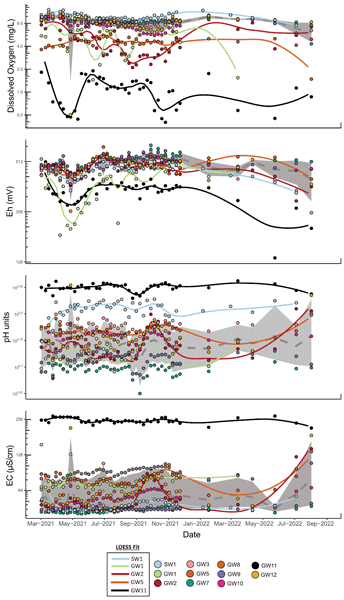
Karl Nicolaus van Zweel, Laurent Gourdol, Jean François Iffly, Loïc Léonard, François Barnich, Laurent Pfister, Erwin Zehe, and Christophe Hissler
Earth Syst. Sci. Data, 17, 2217–2229, https://doi.org/10.5194/essd-17-2217-2025, https://doi.org/10.5194/essd-17-2217-2025, 2025
Short summary
Short summary
Our study monitored groundwater in a Luxembourg forest over a year to understand water and chemical changes. We found seasonal variations in water chemistry, influenced by rainfall and soil interactions. These data help predict environmental responses and manage water resources better. By measuring key parameters like pH and dissolved oxygen, our research provides valuable insights into groundwater behaviour and serves as a resource for future environmental studies.
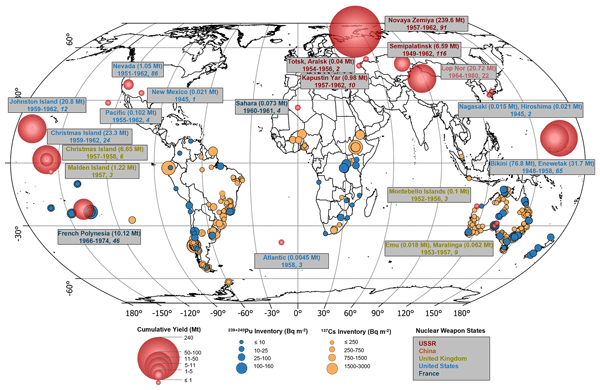
Gerald Dicen, Floriane Guillevic, Surya Gupta, Pierre-Alexis Chaboche, Katrin Meusburger, Pierre Sabatier, Olivier Evrard, and Christine Alewell
Earth Syst. Sci. Data, 17, 1529–1549, https://doi.org/10.5194/essd-17-1529-2025, https://doi.org/10.5194/essd-17-1529-2025, 2025
Short summary
Short summary
Fallout radionuclides (FRNs) such as 137Cs and 239+240Pu are considered to be critical tools in various environmental research. Here, we compiled reference soil data on these FRNs from the literature to build a comprehensive database. Using this database, we determined the distribution and sources of 137Cs and 239+240Pu. We also demonstrated how the database can be used to identify the environmental factors that influence their distribution using a machine learning algorithm.
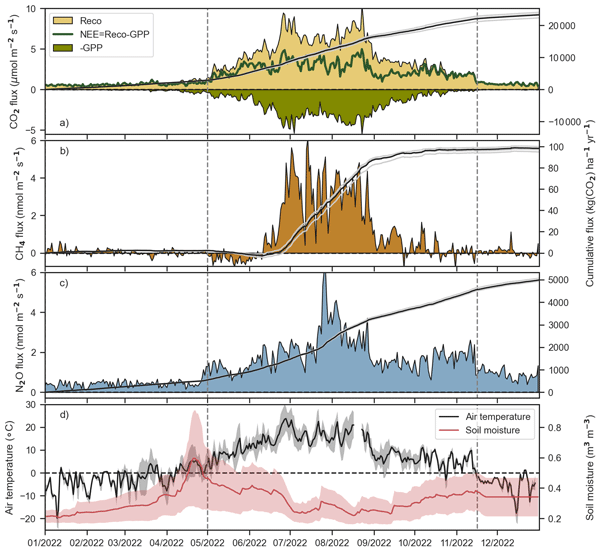
Olli-Pekka Tikkasalo, Olli Peltola, Pavel Alekseychik, Juha Heikkinen, Samuli Launiainen, Aleksi Lehtonen, Qian Li, Eduardo Martínez-García, Mikko Peltoniemi, Petri Salovaara, Ville Tuominen, and Raisa Mäkipää
Biogeosciences, 22, 1277–1300, https://doi.org/10.5194/bg-22-1277-2025, https://doi.org/10.5194/bg-22-1277-2025, 2025
Short summary
Short summary
The emissions of greenhouse gases (GHGs) carbon dioxide (CO2), methane (CH4) and nitrous oxide (N2O) were measured from a clear-cut peatland forest site. The measurements covered the whole year of 2022, which was the second growing season after the clear-cut. The site was a strong GHG source, and the highest emissions came from CO2, followed by N2O and CH4. A statistical model that included information on different surfaces at the site was developed to unravel surface-type-specific GHG fluxes.
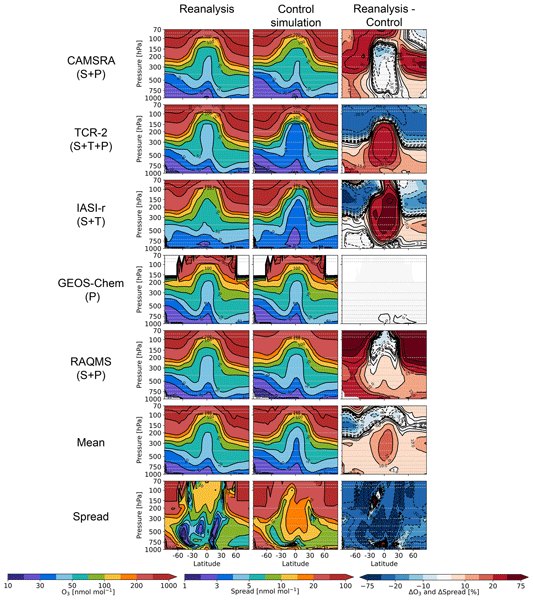
Takashi Sekiya, Emanuele Emili, Kazuyuki Miyazaki, Antje Inness, Zhen Qu, R. Bradley Pierce, Dylan Jones, Helen Worden, William Y. Y. Cheng, Vincent Huijnen, and Gerbrand Koren
Atmos. Chem. Phys., 25, 2243–2268, https://doi.org/10.5194/acp-25-2243-2025, https://doi.org/10.5194/acp-25-2243-2025, 2025
Short summary
Short summary
Five global chemical reanalysis datasets were used to assess the relative impacts of assimilating satellite ozone and its precursor measurements on tropospheric ozone analyses for 2010. The multiple reanalysis system comparison allows an evaluation of the dependency of the impacts on different reanalysis systems. The results suggested the importance of satellite ozone and its precursor measurements for improving ozone analysis in the whole troposphere, with varying magnitudes among the systems.
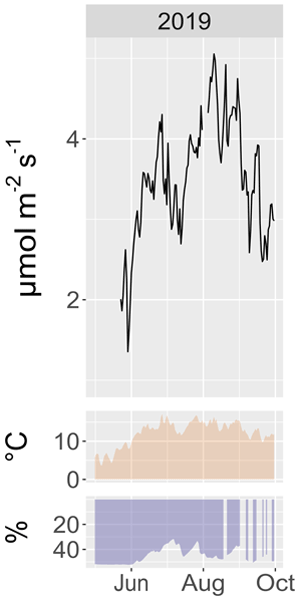
Thomas Dirnböck, Michael Bahn, Eugenio Diaz-Pines, Ika Djukic, Michael Englisch, Karl Gartner, Günther Gollobich, Johannes Ingrisch, Barbara Kitzler, Karl Knaebel, Johannes Kobler, Andreas Maier, Armin Malli, Ivo Offenthaler, Johannes Peterseil, Gisela Pröll, Sarah Venier, Christoph Wohner, Sophie Zechmeister-Boltenstern, Anita Zolles, and Stephan Glatzel
Earth Syst. Sci. Data, 17, 685–702, https://doi.org/10.5194/essd-17-685-2025, https://doi.org/10.5194/essd-17-685-2025, 2025
Short summary
Short summary
Long-term observation sites have been established in six Austrian locations, covering major ecosystem types such as forests, grasslands, and wetlands. The purpose of these observations is to measure baselines for assessing the impacts of extreme climate events on the carbon cycle. The collected datasets include meteorological variables, soil temperature and moisture, carbon dioxide fluxes, and tree stem growth in forests at a resolution of 15–60 min between 2019 and 2021.
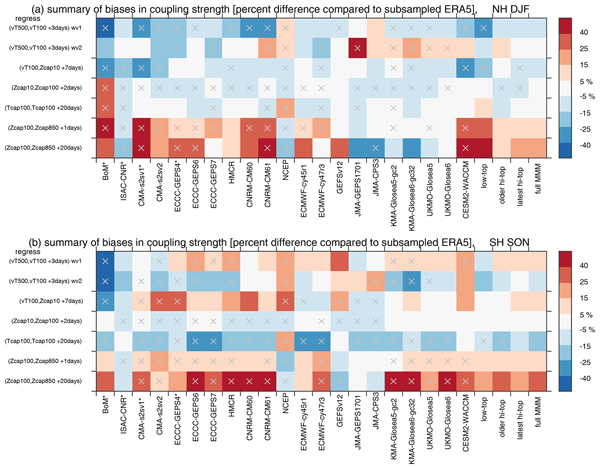
Chaim I. Garfinkel, Zachary D. Lawrence, Amy H. Butler, Etienne Dunn-Sigouin, Irene Erner, Alexey Y. Karpechko, Gerbrand Koren, Marta Abalos, Blanca Ayarzagüena, David Barriopedro, Natalia Calvo, Alvaro de la Cámara, Andrew Charlton-Perez, Judah Cohen, Daniela I. V. Domeisen, Javier García-Serrano, Neil P. Hindley, Martin Jucker, Hera Kim, Robert W. Lee, Simon H. Lee, Marisol Osman, Froila M. Palmeiro, Inna Polichtchouk, Jian Rao, Jadwiga H. Richter, Chen Schwartz, Seok-Woo Son, Masakazu Taguchi, Nicholas L. Tyrrell, Corwin J. Wright, and Rachel W.-Y. Wu
Weather Clim. Dynam., 6, 171–195, https://doi.org/10.5194/wcd-6-171-2025, https://doi.org/10.5194/wcd-6-171-2025, 2025
Short summary
Short summary
Variability in the extratropical stratosphere and troposphere is coupled, and because of the longer timescales characteristic of the stratosphere, this allows for a window of opportunity for surface prediction. This paper assesses whether models used for operational prediction capture these coupling processes accurately. We find that most processes are too weak; however downward coupling from the lower stratosphere to the near surface is too strong.
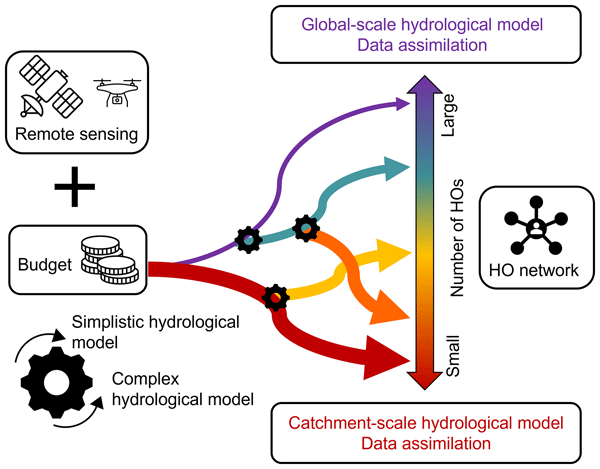
Paolo Nasta, Günter Blöschl, Heye R. Bogena, Steffen Zacharias, Roland Baatz, Gabriëlle De Lannoy, Karsten H. Jensen, Salvatore Manfreda, Laurent Pfister, Ana M. Tarquis, Ilja van Meerveld, Marc Voltz, Yijian Zeng, William Kustas, Xin Li, Harry Vereecken, and Nunzio Romano
Hydrol. Earth Syst. Sci., 29, 465–483, https://doi.org/10.5194/hess-29-465-2025, https://doi.org/10.5194/hess-29-465-2025, 2025
Short summary
Short summary
The Unsolved Problems in Hydrology (UPH) initiative has emphasized the need to establish networks of multi-decadal hydrological observatories to tackle catchment-scale challenges on a global scale. This opinion paper provocatively discusses two endmembers of possible future hydrological observatory (HO) networks for a given hypothesized community budget: a comprehensive set of moderately instrumented observatories or, alternatively, a small number of highly instrumented supersites.
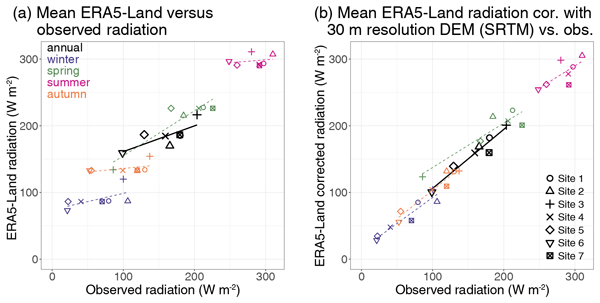
Arsène Druel, Julien Ruffault, Hendrik Davi, André Chanzy, Olivier Marloie, Miquel De Cáceres, Albert Olioso, Florent Mouillot, Christophe François, Kamel Soudani, and Nicolas K. Martin-StPaul
Biogeosciences, 22, 1–18, https://doi.org/10.5194/bg-22-1-2025, https://doi.org/10.5194/bg-22-1-2025, 2025
Short summary
Short summary
Accurate radiation data are essential for understanding ecosystem functions and dynamics. Traditional large-scale data lack the precision needed for complex terrain. This study introduces a new model, which accounts for sub-daily direct and diffuse radiation effects caused by terrain features, to enhance the radiation data resolution using elevation maps. Tested on a mountainous area, this method significantly improved radiation estimates, benefiting predictions of forest functions.
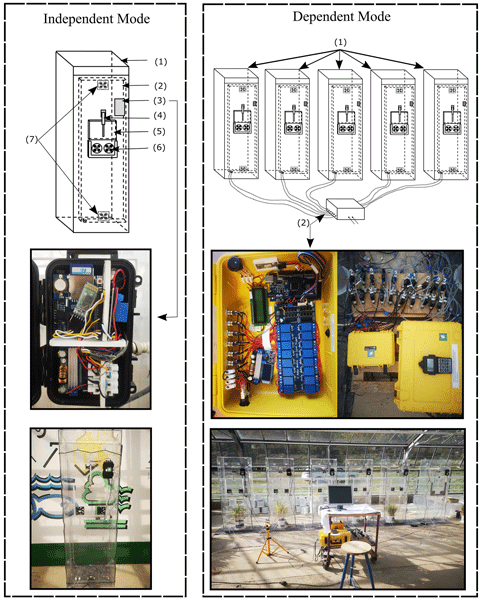
Wael Al Hamwi, Maren Dubbert, Jörg Schaller, Matthias Lück, Marten Schmidt, and Mathias Hoffmann
Biogeosciences, 21, 5639–5651, https://doi.org/10.5194/bg-21-5639-2024, https://doi.org/10.5194/bg-21-5639-2024, 2024
Short summary
Short summary
We present a fully automatic, low-cost soil–plant enclosure system to monitor CO2 and evapotranspiration fluxes within greenhouse experiments. It operates in two modes: independent, using low-cost sensors, and dependent, where multiple chambers connect to a single gas analyzer via a low-cost multiplexer. This system provides precise, accurate measurements and high temporal resolution, enabling comprehensive monitoring of plant–soil responses to various treatments and conditions.
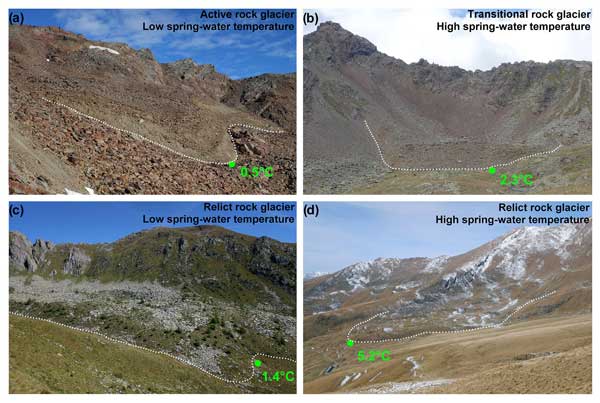
Luca Carturan, Giulia Zuecco, Angela Andreotti, Jacopo Boaga, Costanza Morino, Mirko Pavoni, Roberto Seppi, Monica Tolotti, Thomas Zanoner, and Matteo Zumiani
The Cryosphere, 18, 5713–5733, https://doi.org/10.5194/tc-18-5713-2024, https://doi.org/10.5194/tc-18-5713-2024, 2024
Short summary
Short summary
Pseudo-relict rock glaciers look relict but contain patches of permafrost. They are poorly known in terms of permafrost content, spatial distribution and frequency. Here we use spring-water temperature for a preliminary estimate of the permafrost presence in rock glaciers of a 795 km2 catchment in the Italian Alps. The results show that ~50 % of rock glaciers classified as relict might be pseudo-relict and might contain ~20 % of the ice stored in the rock glaciers in the study area.
Filip Muhic, Pertti Ala-Aho, Matthias Sprenger, Björn Klöve, and Hannu Marttila
Hydrol. Earth Syst. Sci., 28, 4861–4881, https://doi.org/10.5194/hess-28-4861-2024, https://doi.org/10.5194/hess-28-4861-2024, 2024
Short summary
Short summary
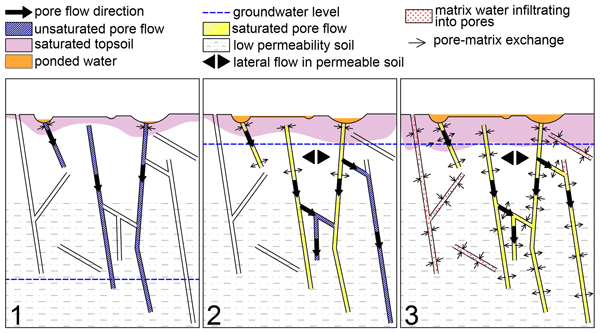
The snowmelt event governs the hydrological cycle of sub-arctic areas. In this study, we conducted a tracer experiment on a forested hilltop in Lapland to identify how high-volume infiltration events modify the soil water storage. We found that a strong tracer signal remained in deeper soil layers after the experiment and over the winter, but it got fully displaced during the snowmelt. We propose a conceptual infiltration model that explains how the snowmelt homogenizes the soil water storage.

Jari-Pekka Nousu, Kersti Leppä, Hannu Marttila, Pertti Ala-aho, Giulia Mazzotti, Terhikki Manninen, Mika Korkiakoski, Mika Aurela, Annalea Lohila, and Samuli Launiainen
Hydrol. Earth Syst. Sci., 28, 4643–4666, https://doi.org/10.5194/hess-28-4643-2024, https://doi.org/10.5194/hess-28-4643-2024, 2024
Short summary
Short summary
We used hydrological models, field measurements, and satellite-based data to study the soil moisture dynamics in a subarctic catchment. The role of groundwater was studied with different ways to model the groundwater dynamics and via comparisons to the observational data. The choice of groundwater model was shown to have a strong impact, and representation of lateral flow was important to capture wet soil conditions. Our results provide insights for ecohydrological studies in boreal regions.
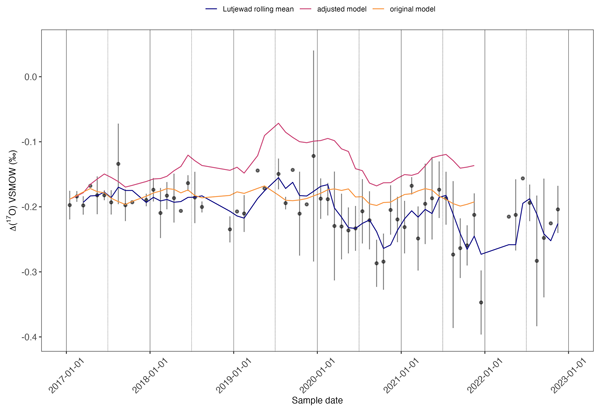
Pharahilda M. Steur, Hubertus A. Scheeren, Gerbrand Koren, Getachew A. Adnew, Wouter Peters, and Harro A. J. Meijer
Atmos. Chem. Phys., 24, 11005–11027, https://doi.org/10.5194/acp-24-11005-2024, https://doi.org/10.5194/acp-24-11005-2024, 2024
Short summary
Short summary
We present records of the triple oxygen isotope signature (Δ(17O)) of atmospheric CO2 obtained with laser absorption spectroscopy from two mid-latitude stations. Significant interannual variability is observed in both records. A model sensitivity study suggests that stratosphere–troposphere exchange, which carries high-Δ(17O) CO2 from the stratosphere into the troposphere, causes most of the variability. This makes Δ(17O) a potential tracer for stratospheric intrusions into the troposphere.
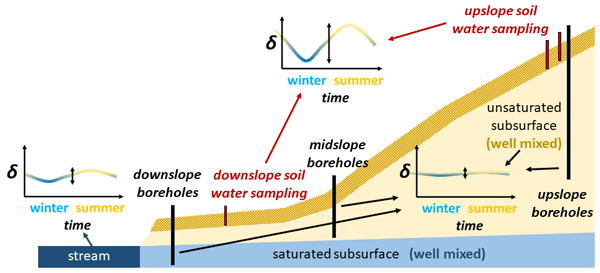
Marius G. Floriancic, Scott T. Allen, and James W. Kirchner
Hydrol. Earth Syst. Sci., 28, 4295–4308, https://doi.org/10.5194/hess-28-4295-2024, https://doi.org/10.5194/hess-28-4295-2024, 2024
Short summary
Short summary
We use a 3-year time series of tracer data of streamflow and soils to show how water moves through the subsurface to become streamflow. Less than 50% of soil water consists of rainfall from the last 3 weeks. Most annual streamflow is older than 3 months, and waters in deep subsurface layers are even older; thus deep layers are not the only source of streamflow. After wet periods more rainfall was found in the subsurface and the stream, suggesting that water moves quicker through wet landscapes.
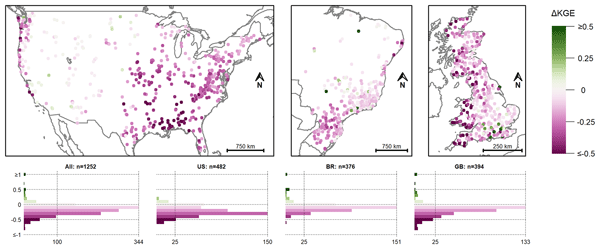
Franziska Clerc-Schwarzenbach, Giovanni Selleri, Mattia Neri, Elena Toth, Ilja van Meerveld, and Jan Seibert
Hydrol. Earth Syst. Sci., 28, 4219–4237, https://doi.org/10.5194/hess-28-4219-2024, https://doi.org/10.5194/hess-28-4219-2024, 2024
Short summary
Short summary
We show that the differences between the forcing data included in three CAMELS datasets (US, BR, GB) and the forcing data included for the same catchments in the Caravan dataset affect model calibration considerably. The model performance dropped when the data from the Caravan dataset were used instead of the original data. Most of the model performance drop could be attributed to the differences in precipitation data. However, differences were largest for the potential evapotranspiration data.
Pierluigi Renan Guaita, Riccardo Marzuoli, Leiming Zhang, Steven Turnock, Gerbrand Koren, Oliver Wild, Paola Crippa, and Giacomo Alessandro Gerosa
EGUsphere, https://doi.org/10.5194/egusphere-2024-2573, https://doi.org/10.5194/egusphere-2024-2573, 2024
Preprint archived
Short summary
Short summary
This study assesses the global impact of tropospheric ozone on wheat crops in the 21st century under various climate scenarios. The research highlights that ozone damage to wheat varies by region and depends on both ozone levels and climate. Vulnerable regions include East Asia, Northern Europe, and the Southern and Eastern edges of the Tibetan Plateau. Our results emphasize the need of policies to reduce ozone levels and mitigate climate change to protect global food security.
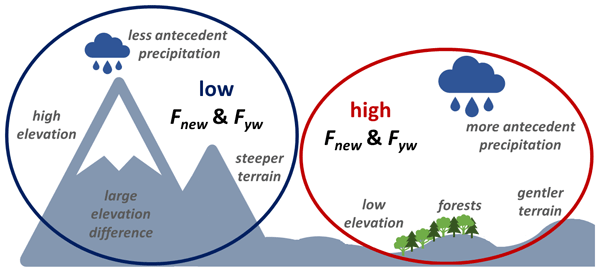
Marius G. Floriancic, Michael P. Stockinger, James W. Kirchner, and Christine Stumpp
Hydrol. Earth Syst. Sci., 28, 3675–3694, https://doi.org/10.5194/hess-28-3675-2024, https://doi.org/10.5194/hess-28-3675-2024, 2024
Short summary
Short summary
The Alps are a key water resource for central Europe, providing water for drinking, agriculture, and hydropower production. To assess water availability in streams, we need to understand how much streamflow is derived from old water stored in the subsurface versus more recent precipitation. We use tracer data from 32 Alpine streams and statistical tools to assess how much recent precipitation can be found in Alpine rivers and how this amount is related to catchment properties and climate.
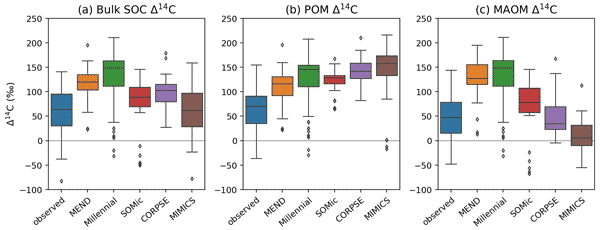
Alexander S. Brunmayr, Frank Hagedorn, Margaux Moreno Duborgel, Luisa I. Minich, and Heather D. Graven
Geosci. Model Dev., 17, 5961–5985, https://doi.org/10.5194/gmd-17-5961-2024, https://doi.org/10.5194/gmd-17-5961-2024, 2024
Short summary
Short summary
A new generation of soil models promises to more accurately predict the carbon cycle in soils under climate change. However, measurements of 14C (the radioactive carbon isotope) in soils reveal that the new soil models face similar problems to the traditional models: they underestimate the residence time of carbon in soils and may therefore overestimate the net uptake of CO2 by the land ecosystem. Proposed solutions include restructuring the models and calibrating model parameters with 14C data.
Salim Goudarzi, Chris Soulsby, Jo Smith, Jamie Lee Stevenson, Alessandro Gimona, Scot Ramsay, Alison Hester, Iris Aalto, and Josie Geris
EGUsphere, https://doi.org/10.5194/egusphere-2024-2258, https://doi.org/10.5194/egusphere-2024-2258, 2024
Preprint archived
Short summary
Short summary
Planting trees on farmlands is now considered as one of the potential solutions to climate change. Trees can suck CO2 out of our atmosphere and store it in their trunks and in the soil beneath them. They can promote biodiversity, protect against soil erosion and drought. They can even help reduce flood risk for downstream communities. But we need models that can tell us the likely impact of trees at different locations and scales. Our study provides such a model.
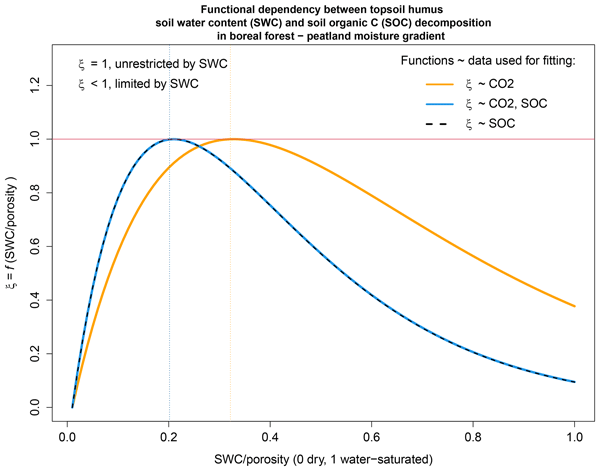
Boris Ťupek, Aleksi Lehtonen, Alla Yurova, Rose Abramoff, Bertrand Guenet, Elisa Bruni, Samuli Launiainen, Mikko Peltoniemi, Shoji Hashimoto, Xianglin Tian, Juha Heikkinen, Kari Minkkinen, and Raisa Mäkipää
Geosci. Model Dev., 17, 5349–5367, https://doi.org/10.5194/gmd-17-5349-2024, https://doi.org/10.5194/gmd-17-5349-2024, 2024
Short summary
Short summary
Updating the Yasso07 soil C model's dependency on decomposition with a hump-shaped Ricker moisture function improved modelled soil organic C (SOC) stocks in a catena of mineral and organic soils in boreal forest. The Ricker function, set to peak at a rate of 1 and calibrated against SOC and CO2 data using a Bayesian approach, showed a maximum in well-drained soils. Using SOC and CO2 data together with the moisture only from the topsoil humus was crucial for accurate model estimates.
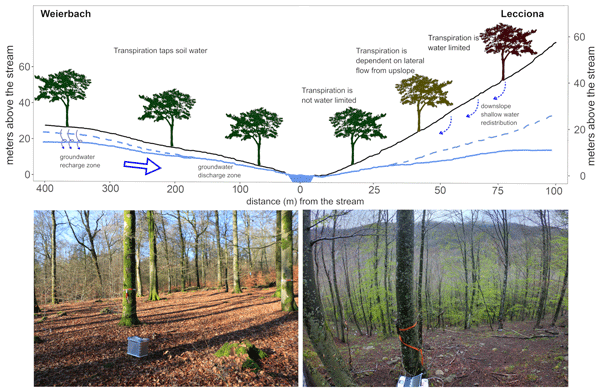
Ginevra Fabiani, Julian Klaus, and Daniele Penna
Hydrol. Earth Syst. Sci., 28, 2683–2703, https://doi.org/10.5194/hess-28-2683-2024, https://doi.org/10.5194/hess-28-2683-2024, 2024
Short summary
Short summary
There is a limited understanding of the role that topography and climate play in tree water use. Through a cross-site comparison in Luxembourg and Italy, we investigated beech water use along slopes in different climates. Our findings indicate that in landscapes characterized by stronger hydraulic and climatic gradients there is greater spatial variation in tree physiological responses. This highlights how differing growing conditions across landscapes can lead to contrasting tree performances.
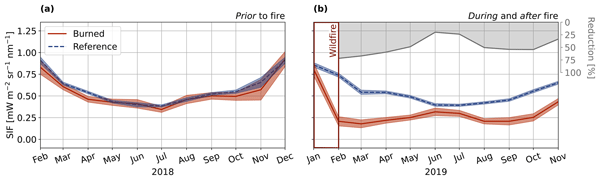
Juliëtte C. S. Anema, Klaas Folkert Boersma, Piet Stammes, Gerbrand Koren, William Woodgate, Philipp Köhler, Christian Frankenberg, and Jacqui Stol
Biogeosciences, 21, 2297–2311, https://doi.org/10.5194/bg-21-2297-2024, https://doi.org/10.5194/bg-21-2297-2024, 2024
Short summary
Short summary
To keep the Paris agreement goals within reach, negative emissions are necessary. They can be achieved with mitigation techniques, such as reforestation, which remove CO2 from the atmosphere. While governments have pinned their hopes on them, there is not yet a good set of tools to objectively determine whether negative emissions do what they promise. Here we show how satellite measurements of plant fluorescence are useful in detecting carbon uptake due to reforestation and vegetation regrowth.
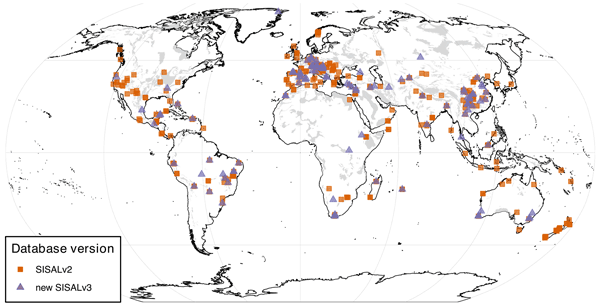
Nikita Kaushal, Franziska A. Lechleitner, Micah Wilhelm, Khalil Azennoud, Janica C. Bühler, Kerstin Braun, Yassine Ait Brahim, Andy Baker, Yuval Burstyn, Laia Comas-Bru, Jens Fohlmeister, Yonaton Goldsmith, Sandy P. Harrison, István G. Hatvani, Kira Rehfeld, Magdalena Ritzau, Vanessa Skiba, Heather M. Stoll, József G. Szűcs, Péter Tanos, Pauline C. Treble, Vitor Azevedo, Jonathan L. Baker, Andrea Borsato, Sakonvan Chawchai, Andrea Columbu, Laura Endres, Jun Hu, Zoltán Kern, Alena Kimbrough, Koray Koç, Monika Markowska, Belen Martrat, Syed Masood Ahmad, Carole Nehme, Valdir Felipe Novello, Carlos Pérez-Mejías, Jiaoyang Ruan, Natasha Sekhon, Nitesh Sinha, Carol V. Tadros, Benjamin H. Tiger, Sophie Warken, Annabel Wolf, Haiwei Zhang, and SISAL Working Group members
Earth Syst. Sci. Data, 16, 1933–1963, https://doi.org/10.5194/essd-16-1933-2024, https://doi.org/10.5194/essd-16-1933-2024, 2024
Short summary
Short summary
Speleothems are a popular, multi-proxy climate archive that provide regional to global insights into past hydroclimate trends with precise chronologies. We present an update to the SISAL (Speleothem Isotopes
Synthesis and AnaLysis) database, SISALv3, which, for the first time, contains speleothem trace element records, in addition to an update to the stable isotope records available in previous versions of the database, cumulatively providing data from 365 globally distributed sites.
Synthesis and AnaLysis) database, SISALv3, which, for the first time, contains speleothem trace element records, in addition to an update to the stable isotope records available in previous versions of the database, cumulatively providing data from 365 globally distributed sites.
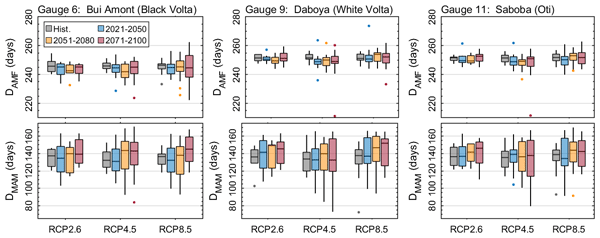
Moctar Dembélé, Mathieu Vrac, Natalie Ceperley, Sander J. Zwart, Josh Larsen, Simon J. Dadson, Grégoire Mariéthoz, and Bettina Schaefli
Proc. IAHS, 385, 121–127, https://doi.org/10.5194/piahs-385-121-2024, https://doi.org/10.5194/piahs-385-121-2024, 2024
Short summary
Short summary
This study assesses the impact of climate change on the timing, seasonality and magnitude of mean annual minimum (MAM) flows and annual maximum flows (AMF) in the Volta River basin (VRB). Several climate change projection data are use to simulate river flow under multiple greenhouse gas emission scenarios. Future projections show that AMF could increase with various magnitude but negligible shift in time across the VRB, while MAM could decrease with up to 14 days of delay in occurrence.
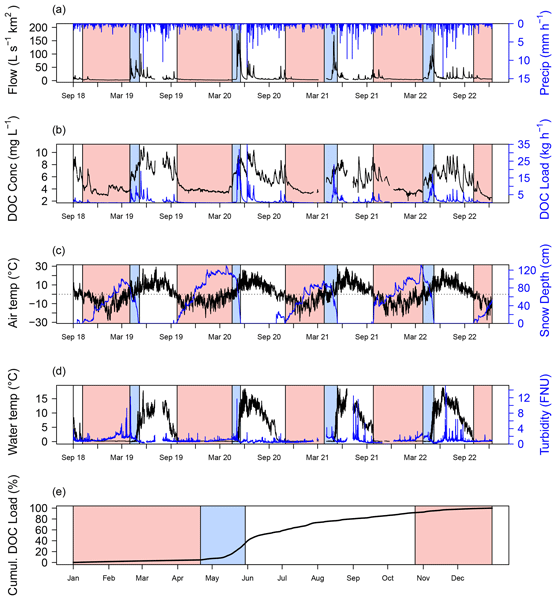
Danny Croghan, Pertti Ala-Aho, Jeffrey Welker, Kaisa-Riikka Mustonen, Kieran Khamis, David M. Hannah, Jussi Vuorenmaa, Bjørn Kløve, and Hannu Marttila
Hydrol. Earth Syst. Sci., 28, 1055–1070, https://doi.org/10.5194/hess-28-1055-2024, https://doi.org/10.5194/hess-28-1055-2024, 2024
Short summary
Short summary
The transport of dissolved organic carbon (DOC) from land into streams is changing due to climate change. We used a multi-year dataset of DOC and predictors of DOC in a subarctic stream to find out how transport of DOC varied between seasons and between years. We found that the way DOC is transported varied strongly seasonally, but year-to-year differences were less apparent. We conclude that the mechanisms of transport show a higher degree of interannual consistency than previously thought.
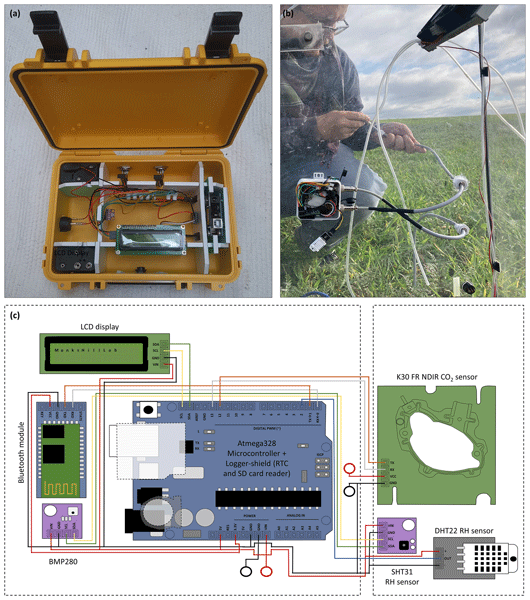
Reena Macagga, Michael Asante, Geoffroy Sossa, Danica Antonijević, Maren Dubbert, and Mathias Hoffmann
Atmos. Meas. Tech., 17, 1317–1332, https://doi.org/10.5194/amt-17-1317-2024, https://doi.org/10.5194/amt-17-1317-2024, 2024
Short summary
Short summary
Using only low-cost microcontrollers and sensors, we constructed a measurement device to accurately and precisely obtain atmospheric carbon dioxide and water fluxes. The device was tested against known concentration increases and high-cost, commercial sensors during a laboratory and field experiment. We additionally tested the device over a longer period in a field study in Ghana during which the net ecosystem carbon balance and water use efficiency of maize cultivation were studied.
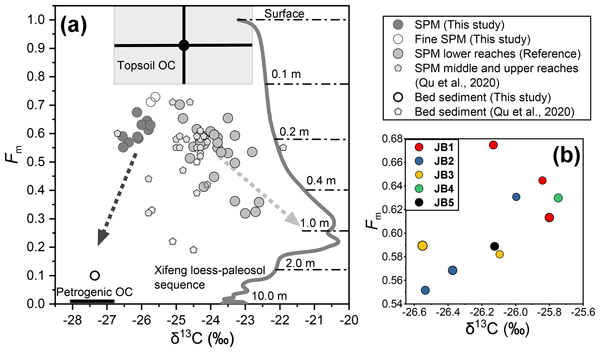
Yutian Ke, Damien Calmels, Julien Bouchez, Marc Massault, Benjamin Chetelat, Aurélie Noret, Hongming Cai, Jiubin Chen, Jérôme Gaillardet, and Cécile Quantin
Earth Surf. Dynam., 12, 347–365, https://doi.org/10.5194/esurf-12-347-2024, https://doi.org/10.5194/esurf-12-347-2024, 2024
Short summary
Short summary
Through a river cross-section, we show that fluvial organic carbon in the lower Huanghe has clear vertical and lateral heterogeneity in elemental and isotopic signals. Bank erosion supplies terrestrial organic carbon to the fluvial transport. Physical erosion of aged and refractory organic carbon, including radiocarbon-dead organic carbon source from the biosphere, from relatively deep soil horizons of the Chinese Loess Plateau contributes to fluvial particulate organic carbon in the Huanghe.
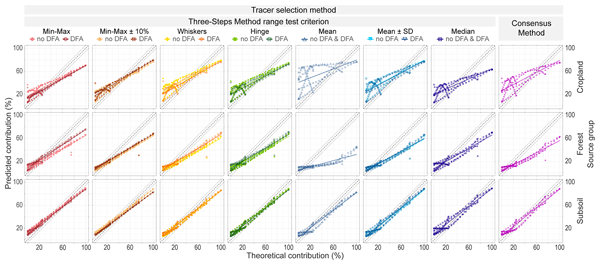
Thomas Chalaux-Clergue, Rémi Bizeul, Pedro V. G. Batista, Núria Martínez-Carreras, J. Patrick Laceby, and Olivier Evrard
SOIL, 10, 109–138, https://doi.org/10.5194/soil-10-109-2024, https://doi.org/10.5194/soil-10-109-2024, 2024
Short summary
Short summary
Sediment source fingerprinting is a relevant tool to support soil conservation and watershed management in the context of accelerated soil erosion. To quantify sediment source contribution, it requires the selection of relevant tracers. We compared the three-step method and the consensus method and found very contrasted trends. The divergences between virtual mixtures and sample prediction ranges highlight that virtual mixture statistics are not directly transferable to actual samples.
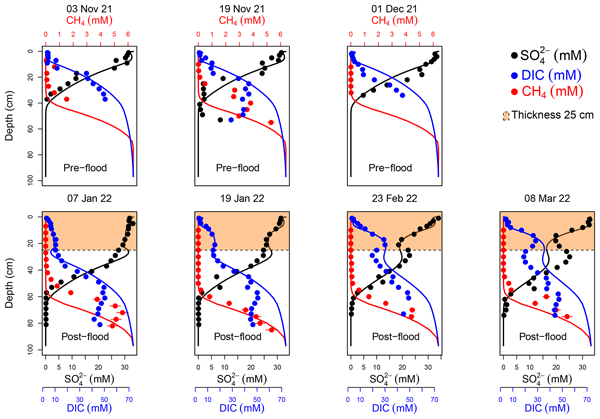
Eva Ferreira, Stanley Nmor, Eric Viollier, Bruno Lansard, Bruno Bombled, Edouard Regnier, Gaël Monvoisin, Christian Grenz, Pieter van Beek, and Christophe Rabouille
Biogeosciences, 21, 711–729, https://doi.org/10.5194/bg-21-711-2024, https://doi.org/10.5194/bg-21-711-2024, 2024
Short summary
Short summary
The study provides new insights by examining the short-term impact of winter floods on biogeochemical sediment processes near the Rhône River (NW Mediterranean Sea). This is the first winter monitoring of sediment and porewater in deltaic areas. The coupling of these data with a new model enables us to quantify the evolution of biogeochemical processes. It also provides new perspectives on the benthic carbon cycle in river deltas considering climate change, whereby flooding should intensify.
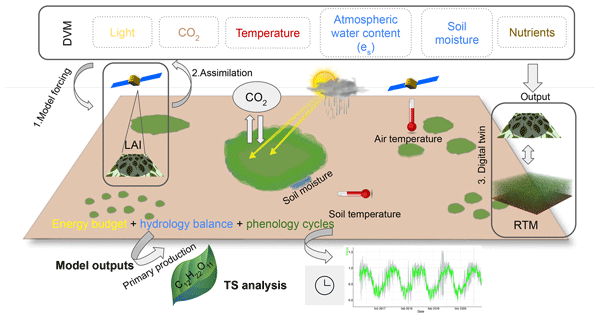
Lammert Kooistra, Katja Berger, Benjamin Brede, Lukas Valentin Graf, Helge Aasen, Jean-Louis Roujean, Miriam Machwitz, Martin Schlerf, Clement Atzberger, Egor Prikaziuk, Dessislava Ganeva, Enrico Tomelleri, Holly Croft, Pablo Reyes Muñoz, Virginia Garcia Millan, Roshanak Darvishzadeh, Gerbrand Koren, Ittai Herrmann, Offer Rozenstein, Santiago Belda, Miina Rautiainen, Stein Rune Karlsen, Cláudio Figueira Silva, Sofia Cerasoli, Jon Pierre, Emine Tanır Kayıkçı, Andrej Halabuk, Esra Tunc Gormus, Frank Fluit, Zhanzhang Cai, Marlena Kycko, Thomas Udelhoven, and Jochem Verrelst
Biogeosciences, 21, 473–511, https://doi.org/10.5194/bg-21-473-2024, https://doi.org/10.5194/bg-21-473-2024, 2024
Short summary
Short summary
We reviewed optical remote sensing time series (TS) studies for monitoring vegetation productivity across ecosystems. Methods were categorized into trend analysis, land surface phenology, and assimilation into statistical or dynamic vegetation models. Due to progress in machine learning, TS processing methods will diversify, while modelling strategies will advance towards holistic processing. We propose integrating methods into a digital twin to improve the understanding of vegetation dynamics.
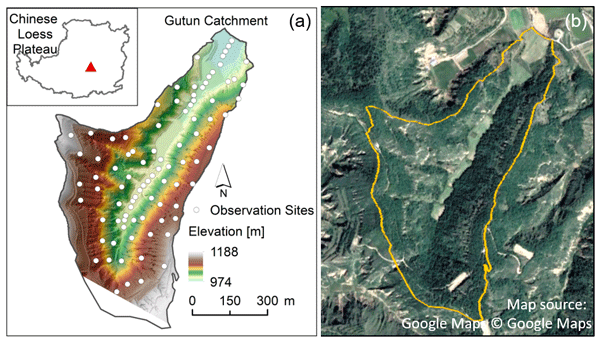
Shaozhen Liu, Ilja van Meerveld, Yali Zhao, Yunqiang Wang, and James W. Kirchner
Hydrol. Earth Syst. Sci., 28, 205–216, https://doi.org/10.5194/hess-28-205-2024, https://doi.org/10.5194/hess-28-205-2024, 2024
Short summary
Short summary
We study the seasonal and spatial patterns of soil moisture in 0–500 cm soil using 89 monitoring sites in a loess catchment with monsoonal climate. Soil moisture is highest during the months of least precipitation and vice versa. Soil moisture patterns at the hillslope scale are dominated by the aspect-controlled evapotranspiration variations (a local control), not by the hillslope convergence-controlled downslope flow (a nonlocal control), under both dry and wet conditions.
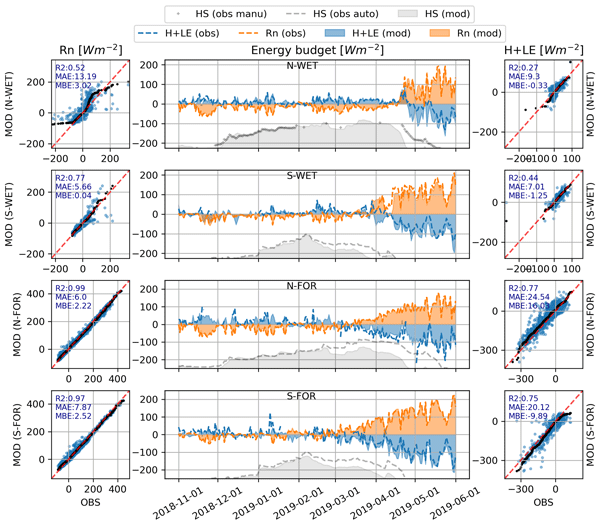
Jari-Pekka Nousu, Matthieu Lafaysse, Giulia Mazzotti, Pertti Ala-aho, Hannu Marttila, Bertrand Cluzet, Mika Aurela, Annalea Lohila, Pasi Kolari, Aaron Boone, Mathieu Fructus, and Samuli Launiainen
The Cryosphere, 18, 231–263, https://doi.org/10.5194/tc-18-231-2024, https://doi.org/10.5194/tc-18-231-2024, 2024
Short summary
Short summary
The snowpack has a major impact on the land surface energy budget. Accurate simulation of the snowpack energy budget is difficult, and studies that evaluate models against energy budget observations are rare. We compared predictions from well-known models with observations of energy budgets, snow depths and soil temperatures in Finland. Our study identified contrasting strengths and limitations for the models. These results can be used for choosing the right models depending on the use cases.
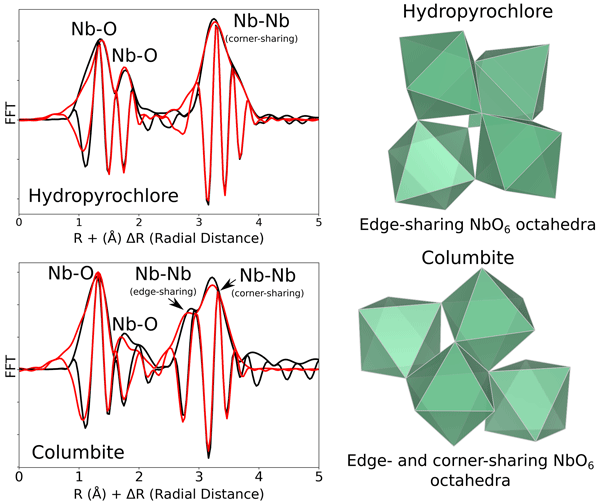
Quentin Bollaert, Mathieu Chassé, Guillaume Morin, Benoît Baptiste, Alexandra Courtin, Laurence Galoisy, Gautier Landrot, Cécile Quantin, and Georges Calas
Eur. J. Mineral., 36, 55–72, https://doi.org/10.5194/ejm-36-55-2024, https://doi.org/10.5194/ejm-36-55-2024, 2024
Short summary
Short summary
X-ray absorption spectroscopy (XAS) was successfully used to investigate the atomic-scale environment of niobium (Nb) in ore minerals and Nb-doped compounds of technological importance. The demonstrated sensitivity of this technique to Nb minerals could help decipher Nb speciation in mining contexts such as hydrothermal and lateritic deposits and rationalize the origin of the enhanced physico-chemical properties of Nb-doped materials.
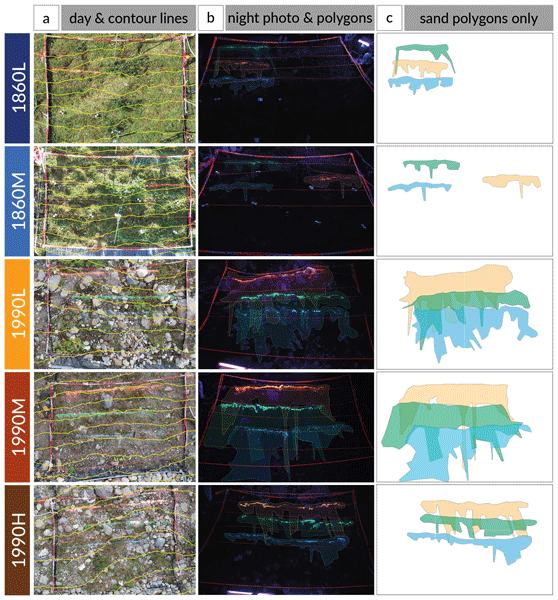
Fabian Maier, Florian Lustenberger, and Ilja van Meerveld
Hydrol. Earth Syst. Sci., 27, 4609–4635, https://doi.org/10.5194/hess-27-4609-2023, https://doi.org/10.5194/hess-27-4609-2023, 2023
Short summary
Short summary
We used a fluorescent sand tracer with afterglow in combination with sprinkling experiments to visualize and determine the movement of sediments on natural hillslopes. We compared the observed transport patterns with the characteristics of the hillslopes. Results show that the fluorescent sand can be used to monitor sediment redistribution on the soil surface and that infiltration on older hillslopes decreased sediment transport due to more developed vegetation cover and root systems.
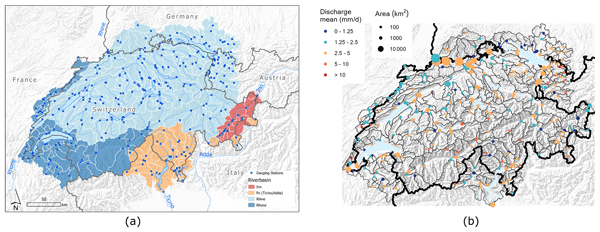
Marvin Höge, Martina Kauzlaric, Rosi Siber, Ursula Schönenberger, Pascal Horton, Jan Schwanbeck, Marius Günter Floriancic, Daniel Viviroli, Sibylle Wilhelm, Anna E. Sikorska-Senoner, Nans Addor, Manuela Brunner, Sandra Pool, Massimiliano Zappa, and Fabrizio Fenicia
Earth Syst. Sci. Data, 15, 5755–5784, https://doi.org/10.5194/essd-15-5755-2023, https://doi.org/10.5194/essd-15-5755-2023, 2023
Short summary
Short summary
CAMELS-CH is an open large-sample hydro-meteorological data set that covers 331 catchments in hydrologic Switzerland from 1 January 1981 to 31 December 2020. It comprises (a) daily data of river discharge and water level as well as meteorologic variables like precipitation and temperature; (b) yearly glacier and land cover data; (c) static attributes of, e.g, topography or human impact; and (d) catchment delineations. CAMELS-CH enables water and climate research and modeling at catchment level.
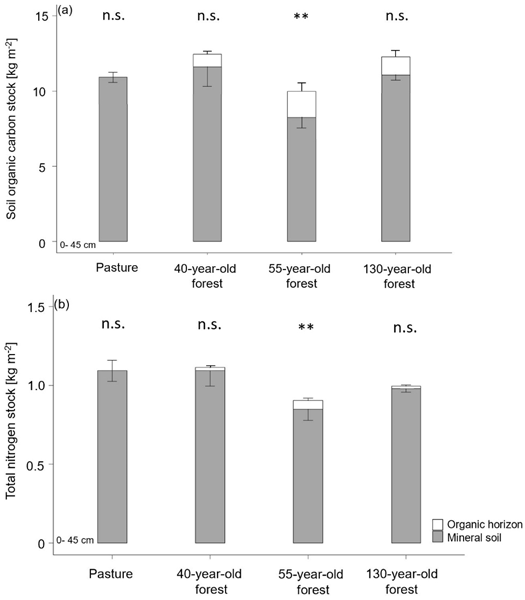
Tatjana C. Speckert, Jeannine Suremann, Konstantin Gavazov, Maria J. Santos, Frank Hagedorn, and Guido L. B. Wiesenberg
SOIL, 9, 609–621, https://doi.org/10.5194/soil-9-609-2023, https://doi.org/10.5194/soil-9-609-2023, 2023
Short summary
Short summary
Soil organic carbon (SOC) is key player in the global carbon cycle. Afforestation on pastures potentially alters organic matter input and SOC sequestration. We investigated the effects of a Picea abies L. afforestation sequence (0 to 130 years) on a former subalpine pasture on SOC stocks and dynamics. We found no difference in the SOC stock after 130 years of afforestation and thus no additional SOC sequestration. SOC composition was altered due to a modified SOC input following afforestation.
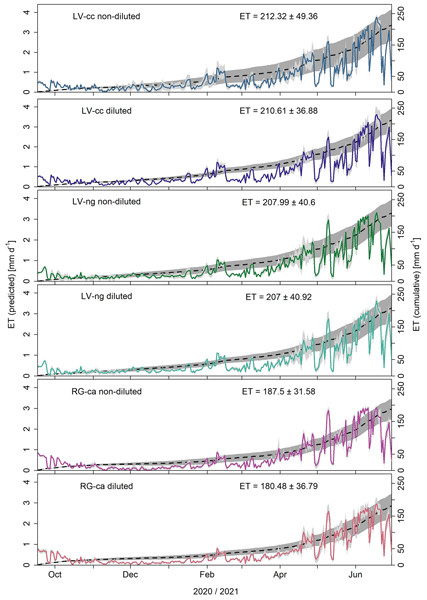
Adrian Dahlmann, Mathias Hoffmann, Gernot Verch, Marten Schmidt, Michael Sommer, Jürgen Augustin, and Maren Dubbert
Hydrol. Earth Syst. Sci., 27, 3851–3873, https://doi.org/10.5194/hess-27-3851-2023, https://doi.org/10.5194/hess-27-3851-2023, 2023
Short summary
Short summary
Evapotranspiration (ET) plays a pivotal role in terrestrial water cycling, returning up to 90 % of precipitation to the atmosphere. We studied impacts of soil type and management on an agroecosystem using an automated system with modern modeling approaches. We modeled ET at high spatial and temporal resolution to highlight differences in heterogeneous soils on an hourly basis. Our results show significant differences in yield and smaller differences in ET overall, impacting water use efficiency.
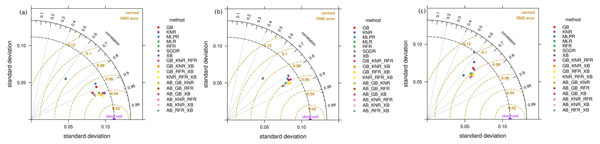
Qianqian Han, Yijian Zeng, Lijie Zhang, Calimanut-Ionut Cira, Egor Prikaziuk, Ting Duan, Chao Wang, Brigitta Szabó, Salvatore Manfreda, Ruodan Zhuang, and Bob Su
Geosci. Model Dev., 16, 5825–5845, https://doi.org/10.5194/gmd-16-5825-2023, https://doi.org/10.5194/gmd-16-5825-2023, 2023
Short summary
Short summary
Using machine learning, we estimated global surface soil moisture (SSM) to aid in understanding water, energy, and carbon exchange. Ensemble models outperformed individual algorithms in predicting SSM under different climates. The best-performing ensemble included K-neighbours Regressor, Random Forest Regressor, and Extreme Gradient Boosting. This is important for hydrological and climatological applications such as water cycle monitoring, irrigation management, and crop yield prediction.
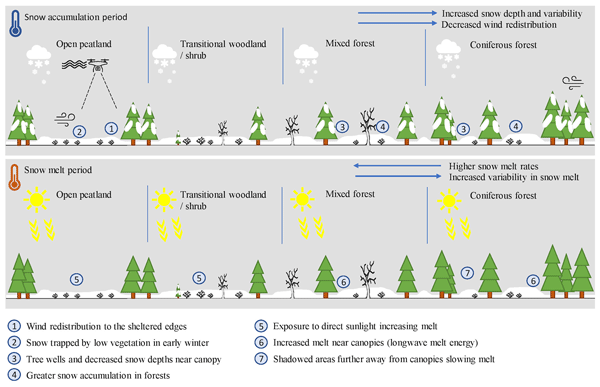
Leo-Juhani Meriö, Anssi Rauhala, Pertti Ala-aho, Anton Kuzmin, Pasi Korpelainen, Timo Kumpula, Bjørn Kløve, and Hannu Marttila
The Cryosphere, 17, 4363–4380, https://doi.org/10.5194/tc-17-4363-2023, https://doi.org/10.5194/tc-17-4363-2023, 2023
Short summary
Short summary
Information on seasonal snow cover is essential in understanding snow processes and operational forecasting. We study the spatiotemporal variability in snow depth and snow processes in a subarctic, boreal landscape using drones. We identified multiple theoretically known snow processes and interactions between snow and vegetation. The results highlight the applicability of the drones to be used for a detailed study of snow depth in multiple land cover types and snow–vegetation interactions.
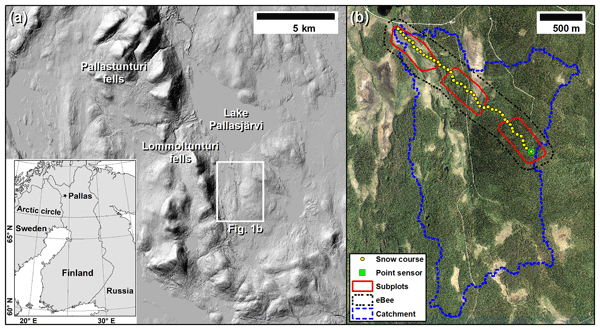
Anssi Rauhala, Leo-Juhani Meriö, Anton Kuzmin, Pasi Korpelainen, Pertti Ala-aho, Timo Kumpula, Bjørn Kløve, and Hannu Marttila
The Cryosphere, 17, 4343–4362, https://doi.org/10.5194/tc-17-4343-2023, https://doi.org/10.5194/tc-17-4343-2023, 2023
Short summary
Short summary
Snow conditions in the Northern Hemisphere are rapidly changing, and information on snow depth is important for decision-making. We present snow depth measurements using different drones throughout the winter at a subarctic site. Generally, all drones produced good estimates of snow depth in open areas. However, differences were observed in the accuracies produced by the different drones, and a reduction in accuracy was observed when moving from an open mire area to forest-covered areas.
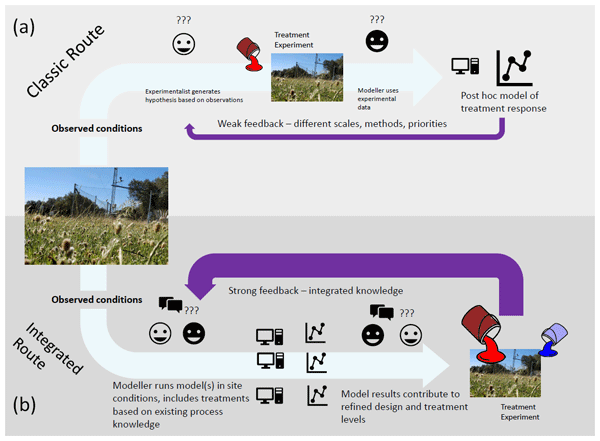
Silvia Caldararu, Victor Rolo, Benjamin D. Stocker, Teresa E. Gimeno, and Richard Nair
Biogeosciences, 20, 3637–3649, https://doi.org/10.5194/bg-20-3637-2023, https://doi.org/10.5194/bg-20-3637-2023, 2023
Short summary
Short summary
Ecosystem manipulative experiments are large experiments in real ecosystems. They include processes such as species interactions and weather that would be omitted in more controlled settings. They offer a high level of realism but are underused in combination with vegetation models used to predict the response of ecosystems to global change. We propose a workflow using models and ecosystem experiments together, taking advantage of the benefits of both tools for Earth system understanding.
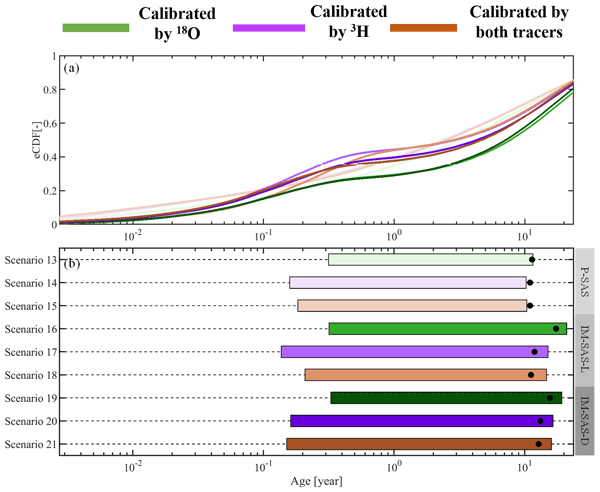
Siyuan Wang, Markus Hrachowitz, Gerrit Schoups, and Christine Stumpp
Hydrol. Earth Syst. Sci., 27, 3083–3114, https://doi.org/10.5194/hess-27-3083-2023, https://doi.org/10.5194/hess-27-3083-2023, 2023
Short summary
Short summary
This study shows that previously reported underestimations of water ages are most likely not due to the use of seasonally variable tracers. Rather, these underestimations can be largely attributed to the choices of model approaches which rely on assumptions not frequently met in catchment hydrology. We therefore strongly advocate avoiding the use of this model type in combination with seasonally variable tracers and instead adopting StorAge Selection (SAS)-based or comparable model formulations.
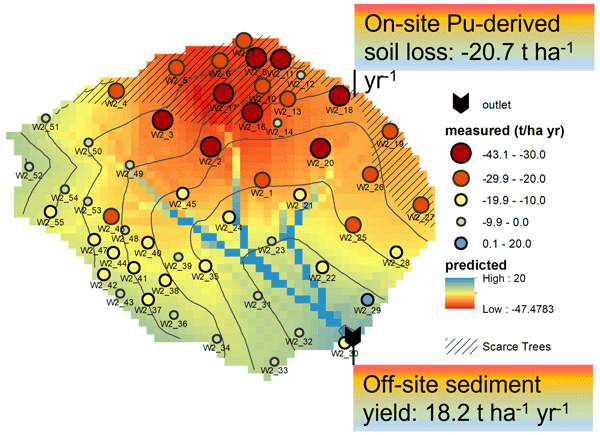
Katrin Meusburger, Paolo Porto, Judith Kobler Waldis, and Christine Alewell
SOIL, 9, 399–409, https://doi.org/10.5194/soil-9-399-2023, https://doi.org/10.5194/soil-9-399-2023, 2023
Short summary
Short summary
Quantifying soil redistribution rates is a global challenge. Radiogenic tracers such as plutonium, namely 239+240Pu, released to the atmosphere by atmospheric bomb testing in the 1960s are promising tools to quantify soil redistribution. Direct validation of 239+240Pu as soil redistribution is, however, still missing. Here, we used a unique sediment yield time series in southern Italy, reaching back to the initial fallout of 239+240Pu to verify 239+240Pu as a soil redistribution tracer.
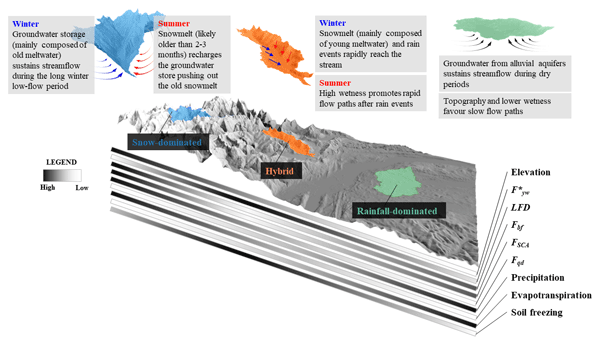
Alessio Gentile, Davide Canone, Natalie Ceperley, Davide Gisolo, Maurizio Previati, Giulia Zuecco, Bettina Schaefli, and Stefano Ferraris
Hydrol. Earth Syst. Sci., 27, 2301–2323, https://doi.org/10.5194/hess-27-2301-2023, https://doi.org/10.5194/hess-27-2301-2023, 2023
Short summary
Short summary
What drives young water fraction, F*yw (i.e., the fraction of water in streamflow younger than 2–3 months), variations with elevation? Why is F*yw counterintuitively low in high-elevation catchments, in spite of steeper topography? In this paper, we present a perceptual model explaining how the longer low-flow duration at high elevations, driven by the persistence of winter snowpacks, increases the proportion of stored (old) water contributing to the stream, thus reducing F*yw.
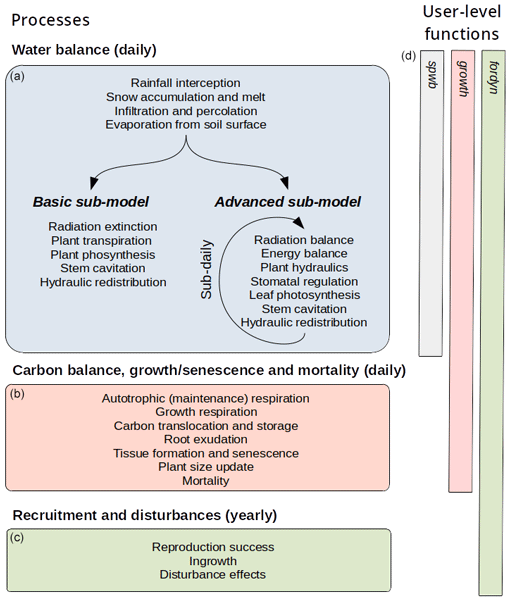
Miquel De Cáceres, Roberto Molowny-Horas, Antoine Cabon, Jordi Martínez-Vilalta, Maurizio Mencuccini, Raúl García-Valdés, Daniel Nadal-Sala, Santiago Sabaté, Nicolas Martin-StPaul, Xavier Morin, Francesco D'Adamo, Enric Batllori, and Aitor Améztegui
Geosci. Model Dev., 16, 3165–3201, https://doi.org/10.5194/gmd-16-3165-2023, https://doi.org/10.5194/gmd-16-3165-2023, 2023
Short summary
Short summary
Regional-level applications of dynamic vegetation models are challenging because they need to accommodate the variation in plant functional diversity. This can be done by estimating parameters from available plant trait databases while adopting alternative solutions for missing data. Here we present the design, parameterization and evaluation of MEDFATE (version 2.9.3), a novel model of forest dynamics for its application over a region in the western Mediterranean Basin.
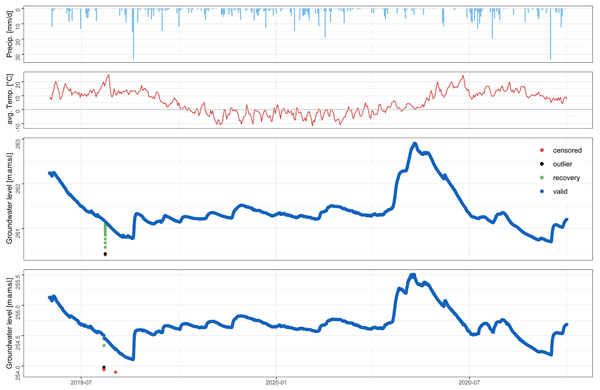
Jana Erdbrügger, Ilja van Meerveld, Jan Seibert, and Kevin Bishop
Earth Syst. Sci. Data, 15, 1779–1800, https://doi.org/10.5194/essd-15-1779-2023, https://doi.org/10.5194/essd-15-1779-2023, 2023
Short summary
Short summary
Groundwater can respond quickly to precipitation and is the main source of streamflow in most catchments in humid, temperate climates. To better understand shallow groundwater dynamics, we installed a network of groundwater wells in two boreal headwater catchments in Sweden. We recorded groundwater levels in 75 wells for 2 years and sampled the water and analyzed its chemical composition in one summer. This paper describes these datasets.
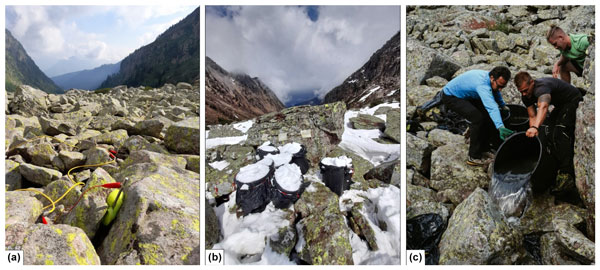
Mirko Pavoni, Jacopo Boaga, Alberto Carrera, Giulia Zuecco, Luca Carturan, and Matteo Zumiani
The Cryosphere, 17, 1601–1607, https://doi.org/10.5194/tc-17-1601-2023, https://doi.org/10.5194/tc-17-1601-2023, 2023
Short summary
Short summary
In the last decades, geochemical investigations at the springs of rock glaciers have been used to estimate their drainage processes, and the frozen layer is typically considered to act as an aquiclude or aquitard. In this work, we evaluated the hydraulic behavior of a mountain permafrost site by executing a geophysical monitoring experiment. Several hundred liters of salt water have been injected into the subsurface, and geoelectrical measurements have been performed to define the water flow.
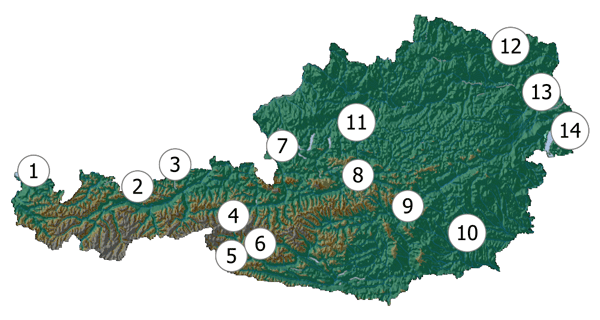
Marleen Schübl, Giuseppe Brunetti, Gabriele Fuchs, and Christine Stumpp
Hydrol. Earth Syst. Sci., 27, 1431–1455, https://doi.org/10.5194/hess-27-1431-2023, https://doi.org/10.5194/hess-27-1431-2023, 2023
Short summary
Short summary
Estimating groundwater recharge through the unsaturated zone is a difficult task that is fundamentally associated with uncertainties. One of the few methods available is inverse modeling based on soil water measurements. Here, we used a nested sampling algorithm within a Bayesian probabilistic framework to assess model uncertainties at 14 sites in Austria. Further, we analyzed simulated recharge rates to identify factors influencing groundwater recharge rates and their temporal variability.
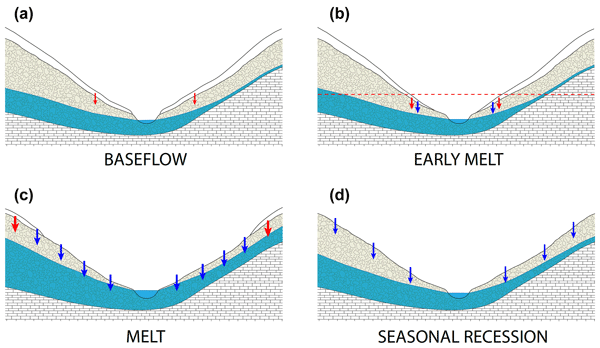
Anthony Michelon, Natalie Ceperley, Harsh Beria, Joshua Larsen, Torsten Vennemann, and Bettina Schaefli
Hydrol. Earth Syst. Sci., 27, 1403–1430, https://doi.org/10.5194/hess-27-1403-2023, https://doi.org/10.5194/hess-27-1403-2023, 2023
Short summary
Short summary
Streamflow generation processes in high-elevation catchments are largely influenced by snow accumulation and melt. For this work, we collected and analyzed more than 2800 water samples (temperature, electric conductivity, and stable isotopes of water) to characterize the hydrological processes in such a high Alpine environment. Our results underline the critical role of subsurface flow during all melt periods and the presence of snowmelt even during the winter periods.
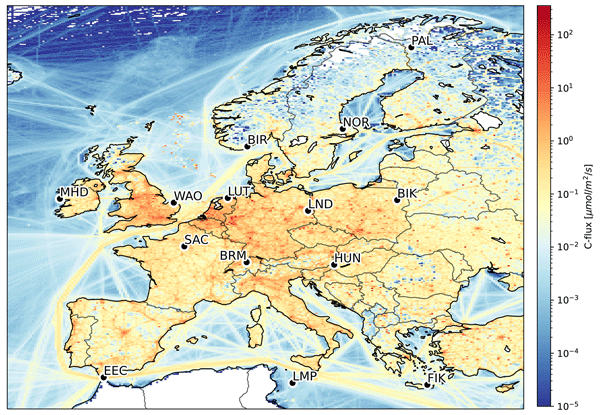
Auke M. van der Woude, Remco de Kok, Naomi Smith, Ingrid T. Luijkx, Santiago Botía, Ute Karstens, Linda M. J. Kooijmans, Gerbrand Koren, Harro A. J. Meijer, Gert-Jan Steeneveld, Ida Storm, Ingrid Super, Hubertus A. Scheeren, Alex Vermeulen, and Wouter Peters
Earth Syst. Sci. Data, 15, 579–605, https://doi.org/10.5194/essd-15-579-2023, https://doi.org/10.5194/essd-15-579-2023, 2023
Short summary
Short summary
To monitor the progress towards the CO2 emission goals set out in the Paris Agreement, the European Union requires an independent validation of emitted CO2. For this validation, atmospheric measurements of CO2 can be used, together with first-guess estimates of CO2 emissions and uptake. To quickly inform end users, it is imperative that this happens in near real-time. To aid these efforts, we create estimates of European CO2 exchange at high resolution in near real time.
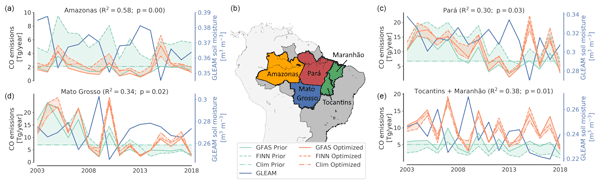
Stijn Naus, Lucas G. Domingues, Maarten Krol, Ingrid T. Luijkx, Luciana V. Gatti, John B. Miller, Emanuel Gloor, Sourish Basu, Caio Correia, Gerbrand Koren, Helen M. Worden, Johannes Flemming, Gabrielle Pétron, and Wouter Peters
Atmos. Chem. Phys., 22, 14735–14750, https://doi.org/10.5194/acp-22-14735-2022, https://doi.org/10.5194/acp-22-14735-2022, 2022
Short summary
Short summary
We assimilate MOPITT CO satellite data in the TM5-4D-Var inverse modelling framework to estimate Amazon fire CO emissions for 2003–2018. We show that fire emissions have decreased over the analysis period, coincident with a decrease in deforestation rates. However, interannual variations in fire emissions are large, and they correlate strongly with soil moisture. Our results reveal an important role for robust, top-down fire CO emissions in quantifying and attributing Amazon fire intensity.
Haoyu Diao, Philipp Schuler, Gregory R. Goldsmith, Rolf T. W. Siegwolf, Matthias Saurer, and Marco M. Lehmann
Hydrol. Earth Syst. Sci., 26, 5835–5847, https://doi.org/10.5194/hess-26-5835-2022, https://doi.org/10.5194/hess-26-5835-2022, 2022
Short summary
Short summary
We systematically investigate the uncertainties in previously observed isotopic offsets between plant source water and water extracted by cryogenic vacuum distillation. Our results show that hydrogen isotope exchange between organic material and water is a real phenomenon. However, the isotopic offsets are rather influenced by the actual amount of extracted water, sublimation, and evaporation. Our findings will help improve interpretations of ecohydrological processes in isotope-based studies.
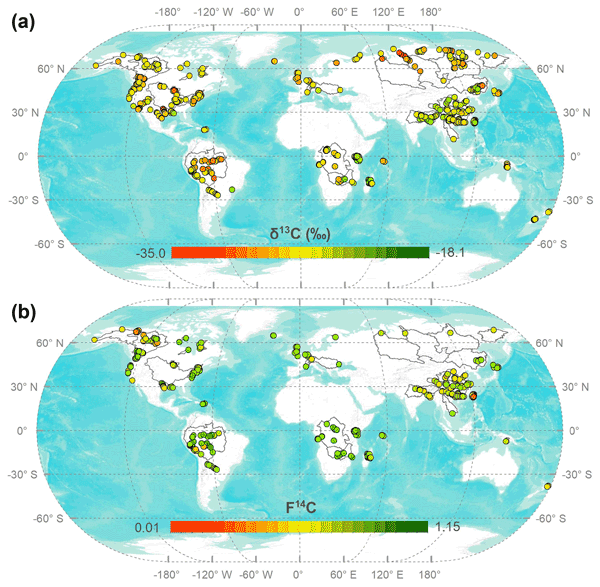
Yutian Ke, Damien Calmels, Julien Bouchez, and Cécile Quantin
Earth Syst. Sci. Data, 14, 4743–4755, https://doi.org/10.5194/essd-14-4743-2022, https://doi.org/10.5194/essd-14-4743-2022, 2022
Short summary
Short summary
In this paper, we introduce the largest and most comprehensive database for riverine particulate organic carbon carried by suspended particulate matter in Earth's fluvial systems: 3546 data entries for suspended particulate matter with detailed geochemical parameters are included, and special attention goes to the elemental and isotopic carbon compositions to better understand riverine particulate organic carbon and its role in the carbon cycle from regional to global scales.

Javier de la Casa, Adrià Barbeta, Asun Rodríguez-Uña, Lisa Wingate, Jérôme Ogée, and Teresa E. Gimeno
Hydrol. Earth Syst. Sci., 26, 4125–4146, https://doi.org/10.5194/hess-26-4125-2022, https://doi.org/10.5194/hess-26-4125-2022, 2022
Short summary
Short summary
Recently, studies have been reporting mismatches in the water isotopic composition of plants and soils. In this work, we reviewed worldwide isotopic composition data of field and laboratory studies to see if the mismatch is generalised, and we found it to be true. This contradicts theoretical expectations and may underlie an non-described phenomenon that should be forward investigated and implemented in ecohydrological models to avoid erroneous estimations of water sources used by vegetation.
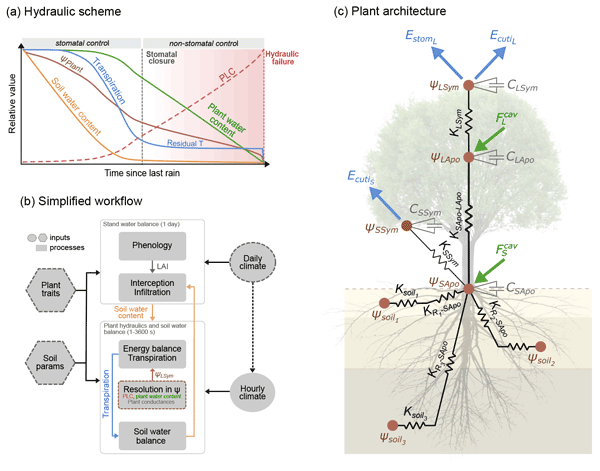
Julien Ruffault, François Pimont, Hervé Cochard, Jean-Luc Dupuy, and Nicolas Martin-StPaul
Geosci. Model Dev., 15, 5593–5626, https://doi.org/10.5194/gmd-15-5593-2022, https://doi.org/10.5194/gmd-15-5593-2022, 2022
Short summary
Short summary
A widespread increase in tree mortality has been observed around the globe, and this trend is likely to continue because of ongoing climate change. Here we present SurEau-Ecos, a trait-based plant hydraulic model to predict tree desiccation and mortality. SurEau-Ecos can help determine the areas and ecosystems that are most vulnerable to drying conditions.
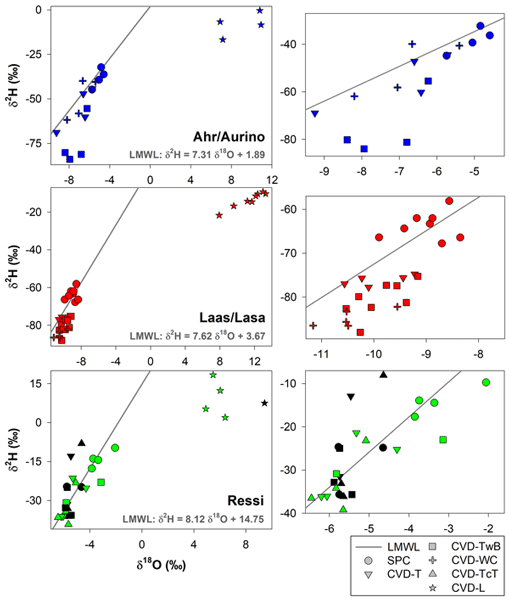
Giulia Zuecco, Anam Amin, Jay Frentress, Michael Engel, Chiara Marchina, Tommaso Anfodillo, Marco Borga, Vinicio Carraro, Francesca Scandellari, Massimo Tagliavini, Damiano Zanotelli, Francesco Comiti, and Daniele Penna
Hydrol. Earth Syst. Sci., 26, 3673–3689, https://doi.org/10.5194/hess-26-3673-2022, https://doi.org/10.5194/hess-26-3673-2022, 2022
Short summary
Short summary
We analyzed the variability in the isotopic composition of plant water extracted by two different methods, i.e., cryogenic vacuum distillation (CVD) and Scholander-type pressure chamber (SPC). Our results indicated that the isotopic composition of plant water extracted by CVD and SPC was significantly different. We concluded that plant water extraction by SPC is not an alternative for CVD as SPC mostly extracts the mobile plant water whereas CVD retrieves all water stored in the sampled tissue.

Alessandro Montemagno, Christophe Hissler, Victor Bense, Adriaan J. Teuling, Johanna Ziebel, and Laurent Pfister
Biogeosciences, 19, 3111–3129, https://doi.org/10.5194/bg-19-3111-2022, https://doi.org/10.5194/bg-19-3111-2022, 2022
Short summary
Short summary
We investigated the biogeochemical processes that dominate the release and retention of elements (nutrients and potentially toxic elements) during litter degradation. Our results show that toxic elements are retained in the litter, while nutrients are released in solution during the first stages of degradation. This seems linked to the capability of trees to distribute the elements between degradation-resistant and non-degradation-resistant compounds of leaves according to their chemical nature.
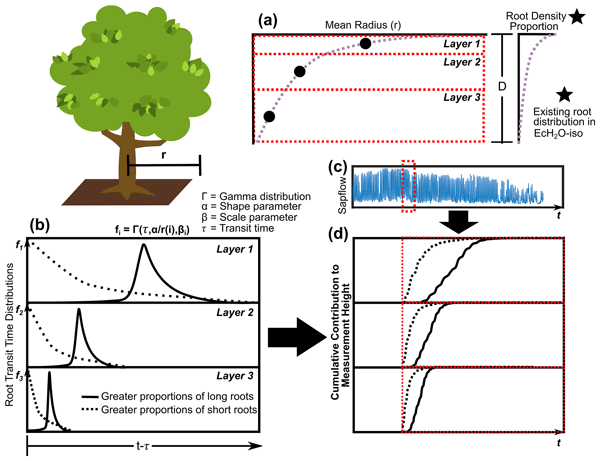
Aaron Smith, Doerthe Tetzlaff, Jessica Landgraf, Maren Dubbert, and Chris Soulsby
Biogeosciences, 19, 2465–2485, https://doi.org/10.5194/bg-19-2465-2022, https://doi.org/10.5194/bg-19-2465-2022, 2022
Short summary
Short summary
This research utilizes high-spatiotemporal-resolution soil and vegetation measurements, including water stable isotopes, within an ecohydrological model to partition water flux dynamics and identify flow paths and durations. Results showed high vegetation water use and high spatiotemporal dynamics of vegetation water source and vegetation isotopes. The evaluation of these dynamics further revealed relatively fast flow paths through both shallow soil and vegetation.

Jessica Landgraf, Dörthe Tetzlaff, Maren Dubbert, David Dubbert, Aaron Smith, and Chris Soulsby
Hydrol. Earth Syst. Sci., 26, 2073–2092, https://doi.org/10.5194/hess-26-2073-2022, https://doi.org/10.5194/hess-26-2073-2022, 2022
Short summary
Short summary
Using water stable isotopes, we studied from which water source (lake water, stream water, groundwater, or soil water) two willows were taking their water. We monitored the environmental conditions (e.g. air temperature and soil moisture) and the behaviour of the trees (water flow in the stem). We found that the most likely water sources of the willows were the upper soil layers but that there were seasonal dynamics.
Fabian Maier, Florian Lustenberger, and Ilja van Meerveld
EGUsphere, https://doi.org/10.5194/egusphere-2022-165, https://doi.org/10.5194/egusphere-2022-165, 2022
Preprint archived
Short summary
Short summary
Knowledge on overland flow generation and sediment transport is limited due to a lack of observational methods. Thus, we used sprinkling experiments on two natural hillslopes and tested a novel method using fluorescent sand to visualize the movement of soil particles. The results show, that the applied method is suitable to track the movement of individual sediment particles and the particle transport distance depends on the surface characteristics of the hillslopes.

Christian Massari, Francesco Avanzi, Giulia Bruno, Simone Gabellani, Daniele Penna, and Stefania Camici
Hydrol. Earth Syst. Sci., 26, 1527–1543, https://doi.org/10.5194/hess-26-1527-2022, https://doi.org/10.5194/hess-26-1527-2022, 2022
Short summary
Short summary
Droughts are a creeping disaster, meaning that their onset, duration and recovery are challenging to monitor and forecast. Here, we provide further evidence of an additional challenge of droughts, i.e. the fact that the deficit in water supply during droughts is generally much more than expected based on the observed decline in precipitation. At a European scale we explain this with enhanced evapotranspiration, sustained by higher atmospheric demand for moisture during such dry periods.
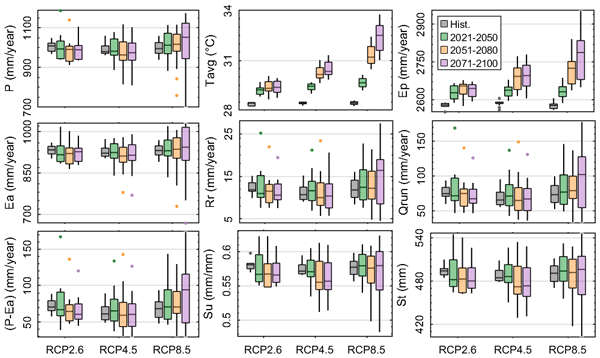
Moctar Dembélé, Mathieu Vrac, Natalie Ceperley, Sander J. Zwart, Josh Larsen, Simon J. Dadson, Grégoire Mariéthoz, and Bettina Schaefli
Hydrol. Earth Syst. Sci., 26, 1481–1506, https://doi.org/10.5194/hess-26-1481-2022, https://doi.org/10.5194/hess-26-1481-2022, 2022
Short summary
Short summary
Climate change impacts on water resources in the Volta River basin are investigated under various global warming scenarios. Results reveal contrasting changes in future hydrological processes and water availability, depending on greenhouse gas emission scenarios, with implications for floods and drought occurrence over the 21st century. These findings provide insights for the elaboration of regional adaptation and mitigation strategies for climate change.
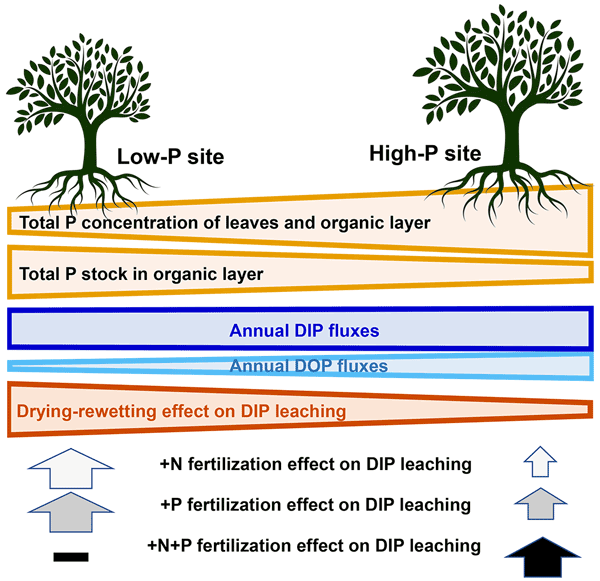
Jasmin Fetzer, Emmanuel Frossard, Klaus Kaiser, and Frank Hagedorn
Biogeosciences, 19, 1527–1546, https://doi.org/10.5194/bg-19-1527-2022, https://doi.org/10.5194/bg-19-1527-2022, 2022
Short summary
Short summary
As leaching is a major pathway of nitrogen and phosphorus loss in forest soils, we investigated several potential drivers in two contrasting beech forests. The composition of leachates, obtained by zero-tension lysimeters, varied by season, and climatic extremes influenced the magnitude of leaching. Effects of nitrogen and phosphorus fertilization varied with soil nutrient status and sorption properties, and leaching from the low-nutrient soil was more sensitive to environmental factors.
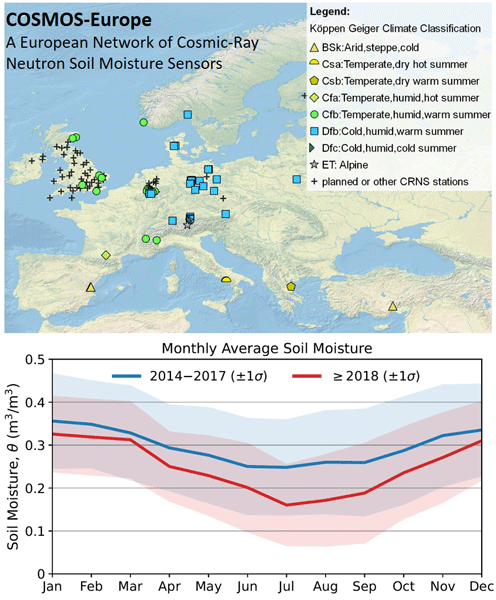
Heye Reemt Bogena, Martin Schrön, Jannis Jakobi, Patrizia Ney, Steffen Zacharias, Mie Andreasen, Roland Baatz, David Boorman, Mustafa Berk Duygu, Miguel Angel Eguibar-Galán, Benjamin Fersch, Till Franke, Josie Geris, María González Sanchis, Yann Kerr, Tobias Korf, Zalalem Mengistu, Arnaud Mialon, Paolo Nasta, Jerzy Nitychoruk, Vassilios Pisinaras, Daniel Rasche, Rafael Rosolem, Hami Said, Paul Schattan, Marek Zreda, Stefan Achleitner, Eduardo Albentosa-Hernández, Zuhal Akyürek, Theresa Blume, Antonio del Campo, Davide Canone, Katya Dimitrova-Petrova, John G. Evans, Stefano Ferraris, Félix Frances, Davide Gisolo, Andreas Güntner, Frank Herrmann, Joost Iwema, Karsten H. Jensen, Harald Kunstmann, Antonio Lidón, Majken Caroline Looms, Sascha Oswald, Andreas Panagopoulos, Amol Patil, Daniel Power, Corinna Rebmann, Nunzio Romano, Lena Scheiffele, Sonia Seneviratne, Georg Weltin, and Harry Vereecken
Earth Syst. Sci. Data, 14, 1125–1151, https://doi.org/10.5194/essd-14-1125-2022, https://doi.org/10.5194/essd-14-1125-2022, 2022
Short summary
Short summary
Monitoring of increasingly frequent droughts is a prerequisite for climate adaptation strategies. This data paper presents long-term soil moisture measurements recorded by 66 cosmic-ray neutron sensors (CRNS) operated by 24 institutions and distributed across major climate zones in Europe. Data processing followed harmonized protocols and state-of-the-art methods to generate consistent and comparable soil moisture products and to facilitate continental-scale analysis of hydrological extremes.

Thomas Luke Smallman, David Thomas Milodowski, Eráclito Sousa Neto, Gerbrand Koren, Jean Ometto, and Mathew Williams
Earth Syst. Dynam., 12, 1191–1237, https://doi.org/10.5194/esd-12-1191-2021, https://doi.org/10.5194/esd-12-1191-2021, 2021
Short summary
Short summary
Our study provides a novel assessment of model parameter, structure and climate change scenario uncertainty contribution to future predictions of the Brazilian terrestrial carbon stocks to 2100. We calibrated (2001–2017) five models of the terrestrial C cycle of varied structure. The calibrated models were then projected to 2100 under multiple climate change scenarios. Parameter uncertainty dominates overall uncertainty, being ~ 40 times that of either model structure or climate change scenario.
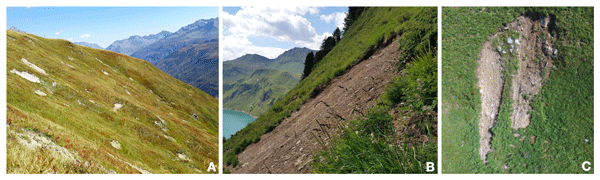
Lauren Zweifel, Maxim Samarin, Katrin Meusburger, and Christine Alewell
Nat. Hazards Earth Syst. Sci., 21, 3421–3437, https://doi.org/10.5194/nhess-21-3421-2021, https://doi.org/10.5194/nhess-21-3421-2021, 2021
Short summary
Short summary
Mountainous grassland areas can be severely affected by soil erosion, such as by shallow landslides. With an automated mapping approach we are able to locate shallow-landslide sites on aerial images for 10 different study sites across Swiss mountain regions covering a total of 315 km2. Using a statistical model we identify important explanatory variables for shallow-landslide occurrence for the individual sites as well as across all regions, which highlight slope, aspect and terrain roughness.
Cited articles
Allen, S. T., Kirchner, J. W., and Goldsmith, G. R.: Predicting spatial patterns in precipitation isotope (δ2H and δ18O) seasonality using sinusoidal isoscapes, Geophysical Research Letters, 45, 4859–4868, https://doi.org/10.1029/2018GL077458, 2018.
Allen, S. T., Kirchner, J. W., Braun, S., Siegwolf, R. T. W., and Goldsmith, G. R.: Seasonal origins of soil water used by trees, Hydrol. Earth Syst. Sci., 23, 1199–1210, https://doi.org/10.5194/hess-23-1199-2019, 2019.
Bachofen, C., Tumber-Dávila, S. J., Mackay, D. S., McDowell, N. G., Carminati, A., Klein, T., Stocker, B. D., Mencuccini, M., and Grossiord, C.: Tree water uptake patterns across the globe, New Phytol., 242, 1891–1910, https://doi.org/10.1111/nph.19762, 2024.
Barbeta, A., Burlett, R., Martín-Gómez, P., Fréjaville, B., Devert, N., Wingate, L., Domec, J. C., and Ogée, J.: Evidence for distinct isotopic compositions of sap and tissue water in tree stems: consequences for plant water source identification, New Phytol., 233, 1121–1132, https://doi.org/10.1111/nph.17857, 2022.
Beck, H. E., Mcvicar, T. R., Vergopolan, N., Berg, A., Lutsko, N. J., Dufour, A., Zeng, Z. Z., Jiang, X., van Dijk, A. I. J. M., and Miralles, D. G.: High-resolution (1 km) Köppen-Geiger maps for 1901–2099 based on constrained CMIP6 projections, Sci. Data, 10, https://doi.org/10.1038/s41597-023-02549-6, 2023.
Beyer, M. and Penna, D.: On the spatio-temporal under-representation of isotopic data in ecohydrological studies, Front. Water, 3, https://doi.org/10.3389/frwa.2021.643013, 2021.
Bowen, G. J.: Isoscapes: Spatial Pattern in Isotopic Biogeochemistry, Annual Review of Earth and Planetary Sciences, 38, 161–187, https://doi.org/10.1146/annurev-earth-040809-152429, 2010.
Bowling, D. R., Schulze, E. S., and Hall, S. J.: Revisiting streamside trees that do not use stream water: can the two water worlds hypothesis and snowpack isotopic effects explain a missing water source?, Ecohydrology, 10, e1771, https://doi.org/10.1002/eco.1771, 2017.
Brinkmann, N., Seeger, S., Weiler, M., Buchmann, N., Eugster, W., and Kahmen, A.: Employing stable isotopes to determine the residence times of soil water and the temporal origin of water taken up by Fagus sylvatica and Picea abies in a temperate forest, New Phytol., 219, 1300–1313, https://doi.org/10.1111/nph.15255, 2018.
Büntgen, U., Urban, O., Krusic, P. J., Rybníček, M., Kolář, T., Kyncl, T., Ač, A., Koňasová, E., Čáslavský, J., Esper, J., Wagner, S., Saurer, M., Tegel, W., Dobrovolný, P., Cherubini, P., Reinig, F., and Trnka, M.: Recent European drought extremes beyond Common Era background variability, Nat. Geosci., 14, 190–196, https://doi.org/10.1038/s41561-021-00698-0, 2021.
Bussotti, F., Potocic, N., Timmermann, V., Lehmann, M. M., and Pollastrini, M.: Tree crown defoliation in forest monitoring: concepts, findings, and new perspectives for a physiological approach in the face of climate change, Forestry, 97, 194–212, https://doi.org/10.1093/forestry/cpad066, 2024.
Cai, M. Y., Wang, L. X., Parkes, S. D., Strauss, J., McCabe, M. F., Evans, J. P., and Griffiths, A. D.: Stable water isotope and surface heat flux simulation using ISOLSM: Evaluation against in-situ measurements, J. Hydrol., 523, 67–78, https://doi.org/10.1016/j.jhydrol.2015.01.019, 2015.
Caudullo, G., Welk, E., and San-Miguel-Ayanz, J.: Chorological maps for the main European woody species, Data in Brief, 12, 662–666, https://doi.org/10.1016/j.dib.2017.05.007, 2017.
Ceperley, N., Gimeno, T. E., Jacobs, S. R., Beyer, M., Dubbert, M., Fischer, B., Geris, J., Holko, L., Kuebert, A., Le Gall, S., Lehmann, M. M., Llorens, P., Millar, C., Penna, D., Prieto, I., Radolinski, J., Scandellari, F., Stockinger, M., Stumpp, C., Tetzlaff, D., van Meerveld, I., Werner, C., Yildiz, O., Zuecco, G., Barbeta, A., Orlowski, N., and Rothfuss, Y.: Toward a common methodological framework for the sampling, extraction, and isotopic analysis of water in the Critical Zone to study vegetation water use, Wires Water, 11, https://doi.org/10.1002/wat2.1727, 2024.
Chen, Y. L., Helliker, B. R., Tang, X. H., Li, F., Zhou, Y. P., and Song, X.: Stem water cryogenic extraction biases estimation in deuterium isotope composition of plant source water, P. Natl. Acad. Sci. USA, 117, 33345–33350, https://doi.org/10.1073/pnas.2014422117, 2020.
Diao, H., Schuler, P., Goldsmith, G. R., Siegwolf, R. T. W., Saurer, M., and Lehmann, M. M.: Technical note: On uncertainties in plant water isotopic composition following extraction by cryogenic vacuum distillation, Hydrol. Earth Syst. Sci., 26, 5835–5847, https://doi.org/10.5194/hess-26-5835-2022, 2022.
Dubbert, M. and Werner, C.: Water fluxes mediated by vegetation: emerging isotopic insights at the soil and atmosphere interfaces, New Phytol., 221, 1754–1763, https://doi.org/10.1111/nph.15547, 2019.
Ellsworth, P. Z. and Sternberg, L. S. L.: Seasonal water use by deciduous and evergreen woody species in a scrub community is based on water availability and root distribution, Ecohydrology, 8, 538–551, https://doi.org/10.1002/eco.1523, 2015.
Engel, M., Frentress, J., Penna, D., Andreoli, A., van Meerveld, I., Zerbe, S., Tagliavini, M., and Comiti, F.: How do geomorphic characteristics affect the source of tree water uptake in restored river floodplains?, Ecohydrology, 15, e2443, https://doi.org/10.1002/eco.2443, 2022.
Erdélyi, D., Kern, Z., Nyitrai, T., and Hatvani, I. G.: Predicting the spatial distribution of stable isotopes in precipitation using amachine learning approach: a comparative assessment of random forest variants, Gem Int. J. Geomathema., 14, https://doi.org/10.1007/s13137-023-00224-x, 2023.
Fabiani, G., Penna, D., Barbeta, A., and Klaus, J.: Sapwood and heartwood are not isolated compartments: Consequences for isotope ecohydrology, Ecohydrology, 15, e2478, https://doi.org/10.1002/eco.2478, 2022.
Floriancic, M. G., Allen, S. T., and Kirchner, J. W.: Isotopic evidence for seasonal water sources in tree xylem and forest soils, Ecohydrology, https://doi.org/10.1002/eco.2641, 2024a.
Floriancic, M. G., Stockinger, M. P., Kirchner, J. W., and Stumpp, C.: Monthly new water fractions and their relationships with climate and catchment properties across Alpine rivers, Hydrol. Earth Syst. Sci., 28, 3675–3694, https://doi.org/10.5194/hess-28-3675-2024, 2024b.
Gessler, A., Bachli, L., Freund, E. R., Treydte, K., Schaub, M., Haeni, M., Weiler, M., Seeger, S., Marshall, J., Hug, C., Zweifel, R., Hagedorn, F., Rigling, A., Saurer, M., and Meusburger, K.: Drought reduces water uptake in beech from the drying topsoil, but no compensatory uptake occurs from deeper soil layers, New Phytol., 233, 194–206, https://doi.org/10.1111/nph.17767, 2022.
Goldsmith, G. R., Allen, S. T., Braun, S., Engbersen, N., Gonzalez-Quijano, C. R., Kirchner, J. W., and Siegwolf, R. T. W.: Spatial variation in throughfall, soil, and plant water isotopes in a temperate forest, Ecohydrology, 12, https://doi.org/10.1002/Eco.2059, 2019.
Grömping, U.: Relative Importance for Linear Regression in R: The Package relaimpo, Journal of Statistical Software, 17, 1–27, 2006.
Haese, B., Werner, M., and Lohmann, G.: Stable water isotopes in the coupled atmosphere–land surface model ECHAM5-JSBACH, Geosci. Model Dev., 6, 1463–1480, https://doi.org/10.5194/gmd-6-1463-2013, 2013.
Halder, J., Terzer, S., Wassenaar, L. I., Araguás-Araguás, L. J., and Aggarwal, P. K.: The Global Network of Isotopes in Rivers (GNIR): integration of water isotopes in watershed observation and riverine research, Hydrol. Earth Syst. Sci., 19, 3419–3431, https://doi.org/10.5194/hess-19-3419-2015, 2015.
Kinzinger, L., Mach, J., Haberstroh, S., Schindler, Z., Frey, J., Dubbert, M., Seeger, S., Seifert, T., Weiler, M., Orlowski, N., Werner, C., and Meinzer, F.: Interaction between beech and spruce trees in temperate forests affects water use, root water uptake pattern and canopy structure, Tree Physiology, 44, https://doi.org/10.1093/treephys/tpad144, 2024.
Kirchner, J. W.: Mixing models with multiple, overlapping, or incomplete end-members, quantified using time series of a single tracer, Geophysical Research Letters, 50, https://doi.org/10.1029/2023GL104147, 2023.
Klein, T., Rotenberg, E., Cohen-Hilaleh, E., Raz-Yaseef, N., Tatarinov, F., Preisler, Y., Ogée, J., Cohen, S., and Yakir, D.: Quantifying transpirable soil water and its relations to tree water use dynamics in a water-limited pine forest, Ecohydrology, 7, 409–419, https://doi.org/10.1002/eco.1360, 2014.
Knighton, J., Kuppel, S., Smith, A., Soulsby, C., Sprenger, M., and Tetzlaff, D.: Using isotopes to incorporate tree water storage and mixing dynamics into a distributed ecohydrologic modelling framework, Ecohydrology, 13, https://doi.org/10.1002/eco.2201, 2020.
Koeniger, P., Stumpp, C., and Schmidt, A.: Stable isotope patterns of German rivers with aspects on scales, continuity and network status, Isotopes in Environmental and Health Studies, 58, 363–379, https://doi.org/10.1080/10256016.2022.2127702, 2022.
Lehmann, M. M., Geris, J., van Meerveld, I., Penna, D., Rothfuss, Y., Verdone, M., Ala-Aho, P., Arvai, M., Babre, A., Balandier, P., Bernhard, F., Butorac, L., Carrière, S. D., Ceperley, N. C., Chen, Z., Correa, A., Diao, H., Dubbert, D., Dubbert, M., Ercoli, F., Floriancic, M. G., Gimeno, T. E., Gounelle, D., Hagedorn, F., Hissler, C., Huneau, F., Alberto, I., Jakovljević, T., Kazakis, N., Kern, Z., Knaebel, K., Kobler, J., Kocum, J., Koeber, C., Koren, G., Kübert, A., Kupka, D., le Gall, S., Lehtonen, A., Leydier, T., Malagoli, P., Manca di Villahermosa, F. S., Marchina, C., Martínez-Carreras, N., Martin-StPaul, N., Marttila, H., Meyer Oliveira, A., Monvoisin, G., Orlowski, N., Palmik-Das, K., Persoiu, A., Popa, A., Prikaziuk, E., Quantin, C., Rinne-Garmston, K. T., Rohde, C., Sanda, M., Saurer, M., Schulz, D., Stockinger, M. P., Stumpp, C., Vénisse, J.-S., Vlcek, L., Voudouris, S., Weeser, B., Wilkinson, M., Zuecco, G., and Meusburger, K.: Soil and stem xylem water isotope data from two pan-European sampling campaigns [data set], https://doi.org/10.16904/envidat.542, 2024.
Lindner, M., Maroschek, M., Netherer, S., Kremer, A., Barbati, A., Garcia-Gonzalo, J., Seidl, R., Delzon, S., Corona, P., Kolström, M., Lexer, M. J., and Marchetti, M.: Climate change impacts, adaptive capacity, and vulnerability of European forest ecosystems, Forest Ecology and Management, 259, 698–709, https://doi.org/10.1016/j.foreco.2009.09.023, 2010.
Martín-Gómez, P., Barbeta, A., Voltas, J., Peñuelas, J., Dennis, K., Palacio, S., Dawson, T. E., and Ferrio, J. P.: Isotope-ratio infrared spectroscopy: a reliable tool for the investigation of plant-water sources?, New Phytol., 207, 914–927, https://doi.org/10.1111/nph.13376, 2015.
Nelson, D. B., Basler, D., and Kahmen, A.: Precipitation isotope time series predictions from machine learning applied in Europe, P. Natl. Acad. Sci. USA, 118, e2024107118, https://doi.org/10.1073/pnas.2024107118, 2021.
Orlowski, N., Breuer, L., and McDonnell, J. J.: Critical issues with cryogenic extraction of soil water for stable isotope analysis, Ecohydrology, 9, 1–5, https://doi.org/10.1002/eco.1722, 2016.
Orlowski, N., Breuer, L., Angeli, N., Boeckx, P., Brumbt, C., Cook, C. S., Dubbert, M., Dyckmans, J., Gallagher, B., Gralher, B., Herbstritt, B., Hervé-Fernández, P., Hissler, C., Koeniger, P., Legout, A., Macdonald, C. J., Oyarzún, C., Redelstein, R., Seidler, C., Siegwolf, R., Stumpp, C., Thomsen, S., Weiler, M., Werner, C., and McDonnell, J. J.: Inter-laboratory comparison of cryogenic water extraction systems for stable isotope analysis of soil water, Hydrol. Earth Syst. Sci., 22, 3619–3637, https://doi.org/10.5194/hess-22-3619-2018, 2018.
Orlowski, N., Rinderer, M., Dubbert, M., Ceperley, N., Hrachowitz, M., Gessler, A., Rothfuss, Y., Sprenger, M., Heidbüchel, I., Kübert, A., Beyer, M., Zuecco, G., and McCarter, C.: Challenges in studying water fluxes within the soil-plant-atmosphere continuum: A tracer-based perspective on pathways to progress, Sci. Total Environ., 881, https://doi.org/10.1016/j.scitotenv.2023.163510, 2023.
Penna, D., Stenni, B., Šanda, M., Wrede, S., Bogaard, T. A., Michelini, M., Fischer, B. M. C., Gobbi, A., Mantese, N., Zuecco, G., Borga, M., Bonazza, M., Sobotková, M., Čejková, B., and Wassenaar, L. I.: Technical Note: Evaluation of between-sample memory effects in the analysis of δ2H and δ18O of water samples measured by laser spectroscopes, Hydrol. Earth Syst. Sci., 16, 3925–3933, https://doi.org/10.5194/hess-16-3925-2012, 2012.
Penna, D., Hopp, L., Scandellari, F., Allen, S. T., Benettin, P., Beyer, M., Geris, J., Klaus, J., Marshall, J. D., Schwendenmann, L., Volkmann, T. H. M., von Freyberg, J., Amin, A., Ceperley, N., Engel, M., Frentress, J., Giambastiani, Y., McDonnell, J. J., Zuecco, G., Llorens, P., Siegwolf, R. T. W., Dawson, T. E., and Kirchner, J. W.: Ideas and perspectives: Tracing terrestrial ecosystem water fluxes using hydrogen and oxygen stable isotopes – challenges and opportunities from an interdisciplinary perspective, Biogeosciences, 15, 6399–6415, https://doi.org/10.5194/bg-15-6399-2018, 2018.
Penna, D., Geris, J., Hopp, L., and Scandellari, F.: Water sources for root water uptake: Using stable isotopes of hydrogen and oxygen as a research tool in agricultural and agroforestry systems, Agr. Ecosyst. Environ., 291, https://doi.org/10.1016/j.agee.2019.106790, 2020.
Peters, R. L., Speich, M., Pappas, C., Kahmen, A., von Arx, G., Pannatier, E. G., Steppe, K., Treydte, K., Stritih, A., and Fonti, P.: Contrasting stomatal sensitivity to temperature and soil drought in mature alpine conifers, Plant, Cell & Environment, 42, 1674–1689, https://doi.org/10.1111/pce.13500, 2019.
Phillips, D. L. and Gregg, J. W.: Source partitioning using stable isotopes: coping with too many sources, Oecologia, 136, 261–269, https://doi.org/10.1007/s00442-003-1218-3, 2003.
Poca, M., Coomans, O., Urcelay, C., Zeballos, S. R., Bodé, S., and Boeckx, P.: Isotope fractionation during root water uptake by is enhanced by arbuscular mycorrhizas, Plant Soil, 441, 485–497, https://doi.org/10.1007/s11104-019-04139-1, 2019.
R Core Team: R: A language and environment for statistical computing, R foundation for statistical computing, Vienna, Austria, https://www.r-project.org/, last access: 6 November 2025, 2023.
Reckerth, A., Stichler, W., Schmidt, A., and Stumpp, C.: Long-term data set analysis of stable isotopic composition in German rivers, J. Hydrol., 552, 718–731, https://doi.org/10.1016/j.jhydrol.2017.07.022, 2017.
Rothfuss, Y. and Javaux, M.: Reviews and syntheses: Isotopic approaches to quantify root water uptake: a review and comparison of methods, Biogeosciences, 14, 2199–2224, https://doi.org/10.5194/bg-14-2199-2017, 2017.
Scandellari, F., Attou, T., Barbeta, A., Bernhard, F., D'Amato, C., Dimitrova-Petrova, K., Donaldson, A., Durodola, O., Ferraris, S., Floriancic, M. G., Fontenla-Razzetto, G., Gerchow, M., Han, Q., Khalil, I., Kirchner, J. W., Kühnhammer, K., Liu, Q., Llorens, P., Magh, R. K., Marshall, J., Meusburger, K., Oliveira, A. M., Muñoz-Villers, L., Pires, S. S., Todini-Zicavo, D., van Meerveld, I., Voigt, C., Wirsig, L., Beyer, M., Geris, J., Hopp, L., Penna, D., and Sprenger, M.: Using stable isotopes to inform water resource management in forested and agricultural ecosystems, J. Environ. Manage., 365, https://doi.org/10.1016/j.jenvman.2024.121381, 2024.
Sobota, M., Li, K. V., Hren, M., and Knighton, J.: Evidence for variations in cryogenic extraction deuterium biases of plant xylem water across foundational northeastern US trees, Hydrol. Process., 38, https://doi.org/10.1002/hyp.15079, 2024.
Spinoni, J., Naumann, G., Carrao, H., Barbosa, P., and Vogt, J.: World drought frequency, duration, and severity for 1951–2010, Int. J. Climatol., 34, 2792–2804, https://doi.org/10.1002/joc.3875, 2014.
Stock, B. C., Jackson, A. L., Ward, E. J., Parnell, A. C., Phillips, D. L., and Semmens, B. X.: Analyzing mixing systems using a new generation of Bayesian tracer mixing models, Peerj, 6, https://doi.org/10.7717/peerj.5096, 2018.
Terzer, S., Wassenaar, L. I., Araguás-Araguás, L. J., and Aggarwal, P. K.: Global isoscapes for δ18O and δ2H in precipitation: improved prediction using regionalized climatic regression models, Hydrol. Earth Syst. Sci., 17, 4713–4728, https://doi.org/10.5194/hess-17-4713-2013, 2013.
Terzer-Wassmuth, S., Araguás-Araguás, L. J., Wassenaar, L. I., and Stumpp, C.: Global and local meteoric water lines for
Twining, J., Stone, D., Tadros, C., Henderson-Sellers, A., and Williams, A.: Moisture Isotopes in the Biosphere and Atmosphere (MIBA) in Australia: A priori estimates and preliminary observations of stable water isotopes in soil, plant and vapour for the Tumbarumba Field Campaign, Global Planet. Change, 51, 59–72, https://doi.org/10.1016/j.gloplacha.2005.12.005, 2006.
von Freyberg, J., Allen, S. T., Seeger, S., Weiler, M., and Kirchner, J. W.: Sensitivity of young water fractions to hydro-climatic forcing and landscape properties across 22 Swiss catchments, Hydrol. Earth Syst. Sci., 22, 3841–3861, https://doi.org/10.5194/hess-22-3841-2018, 2018.
Wong, T. E., Nusbaumer, J., and Noone, D. C.: Evaluation of modeled land-atmosphere exchanges with a comprehensive water isotope fractionation scheme in version 4 of the Community Land Model, J. Adv. Model. Earth Sy., 9, 978–1001, https://doi.org/10.1002/2016ms000842, 2017.
Zhao, L. J., Liu, X. H., Wang, N. L., Barbeta, A., Zhang, Y., Cernusak, L. A., and Wang, L. X.: The determining factors of hydrogen isotope offsets between plants and their source waters, New Phytol., 241, 2009–2024, https://doi.org/10.1111/nph.19492, 2024.
Short summary
This study describes a unique large-scale isotope dataset to study water dynamics in European forests. Researchers collected data from 40 beech and spruce forest sites in spring and summer 2023, using a standardized method to ensure consistency. The results show that water sources for trees change between seasons and vary by tree species. This large dataset offers valuable information for understanding plant water use, improving ecohydrological models, and mapping water cycles across Europe.
This study describes a unique large-scale isotope dataset to study water dynamics in European...


Altmetrics
Final-revised paper
Preprint