Articles | Volume 17, issue 12
https://doi.org/10.5194/essd-17-7313-2025
© Author(s) 2025. This work is distributed under
the Creative Commons Attribution 4.0 License.
the Creative Commons Attribution 4.0 License.
https://doi.org/10.5194/essd-17-7313-2025
© Author(s) 2025. This work is distributed under
the Creative Commons Attribution 4.0 License.
the Creative Commons Attribution 4.0 License.
Data description article
| 
19 Dec 2025
Data description article |
| 19 Dec 2025
| 19 Dec 2025
Peat-DBase v.1: a compiled database of global peat depth measurements
Jade Skye
Climate Research Division, Environment and Climate Change Canada, Victoria BC, Canada
School of Earth and Ocean Sciences, University of Victoria, Victoria, Canada

Climate Research Division, Environment and Climate Change Canada, Victoria BC, Canada
School of Earth and Ocean Sciences, University of Victoria, Victoria, Canada
Colin Goldblatt
School of Earth and Ocean Sciences, University of Victoria, Victoria, Canada
Louis Saumier
School of Earth and Ocean Sciences, University of Victoria, Victoria, Canada
Angela Gallego-Sala
Department of Geography, Faculty of Economy, Science and the Environment, University of Exeter, Exeter, UK
Michelle Garneau
Department of geography and Geotop research center, Université du Québec à Montréal, Montréal, Canada
R. Scott Winton
Environmental Studies Department, University of California Santa Cruz, Santa Cruz, California, United States
Erick B. Bahati
Department of Biology, Faculty of Sciences, Université Officielle de Bukavu, Bukavu, DR Congo
Centre de recherche en écologie et gestion des écosystèmes terrestres, Université Officielle de Bukavu, Bukavu, Democratic Republic of the Congo
Juan C. Benavides
Pontificia Universidad Javeriana, Bogotá, Colombia
Lee Fedorchuk
Peatlands Program, Forestry and Peatlands Branch, Goverment of Manitoba, Winnipeg, Canada
Gérard Imani
Department of Biology, Faculty of Sciences, Université Officielle de Bukavu, Bukavu, DR Congo
Carol Kagaba Kairumba
Ministry of Water and Environment, Kampala, Uganda
Frank Kansiime
Department of Environmental Management, University of Makerere, Kampala, Uganda
Mariusz Lamentowicz
Climate Change Ecology Research Unit, Faculty of Geographical and Geological Sciences, Adam Mickiewicz University in Poznań, Poznań, Poland
Michel Mbasi
Laboratory of Ecology and Sustainable Forest Management, University of Kisangani, Kisangani, Democratic Republic of the Congo
Daria Wochal
Climate Change Ecology Research Unit, Faculty of Geographical and Geological Sciences, Adam Mickiewicz University in Poznań, Poznań, Poland
Sambor Czerwiński
Department of Geomorphology and Quarternary Geology, Faculty of Oceanography and Geography, University of Gdańsk, Gdańsk 81-378, Poland
Jacek Landowski
Szkoła Podstawowa nr 44 im. Obrońców Wybrzeża w Gdyni, Gdynia, Poland
Joanna Landowska
XIV Liceum Ogólnokształcące z Oddziałami Dwujęzycznymi im. Mikołaja Kopernika w Gdyni, Gdynia, Poland
Vincent Maire
Département des sciences de l'environnement, Université du Québec à Trois-Rivières, Trois-Rivières, Canada
Minna M. Väliranta
Environmental Change Research Unit, Ecosystems and Environment Research Programme, Faculty of Biological and Environmental Sciences, University of Helsinki, Helsinki, Finland
Matthew Warren
Food and Agriculture Organization of the United Nations, Rome, Italy
Lydia E. S. Cole
School of Geography and Sustainable Development, University of St. Andrews, St. Andrews, Scotland
Marissa A. Davies
University of Waterloo, Waterloo, Canada
Erik A. Lilleskov
Forest Service, U.S. Department of Agriculture, Washington, USA
Jingjing Sun
State Key Laboratory of Black Soils Conservation and Utilization, Northeast Institute of Geography and Agroecology, Chinese Academy of Sciences, Changchun, China
Yuwan Wang
Department of Geography, Faculty of Economy, Science and the Environment, University of Exeter, Exeter, UK
School of the Environment, University of Queensland, Brisbane, Australia
Related authors
Jade Skye, Joe R. Melton, Colin Goldblatt, Angela Gallego-Sala, Michelle Garneau, and Scott Winton
Biogeosciences, 23, 2959–2983, https://doi.org/10.5194/bg-23-2959-2026, https://doi.org/10.5194/bg-23-2959-2026, 2026
Short summary
Short summary
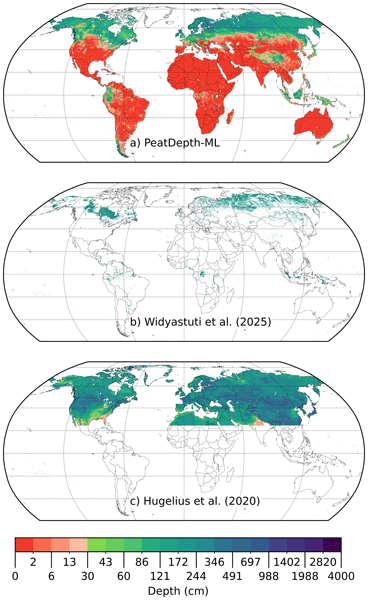
We developed PeatDepth-ML, a machine learning model predicting peat depth worldwide to help estimate carbon stocks in these climate-critical ecosystems. Our model predicts median depths of 134 cm in peatlands. Using bootstrapping, we rigorously assessed how sampling bias affects predictions. This revealed predictor selection and regional accuracy can vary greatly with different data subsets, demonstrating model reliability fundamentally depends on training data quality and geographic coverage.
Rémi Madelon, K. Arthur Endsley, John S. Kimball, Gabriëlle J. M. De Lannoy, Oliver Sonnentag, Haley Alcock, Alex Mavrovic, Scott N. Williamson, Vincent Maire, Arnaud Mialon, and Alexandre Roy
Biogeosciences, 23, 6359–6407, https://doi.org/10.5194/bg-23-6359-2026, https://doi.org/10.5194/bg-23-6359-2026, 2026
Short summary
Short summary
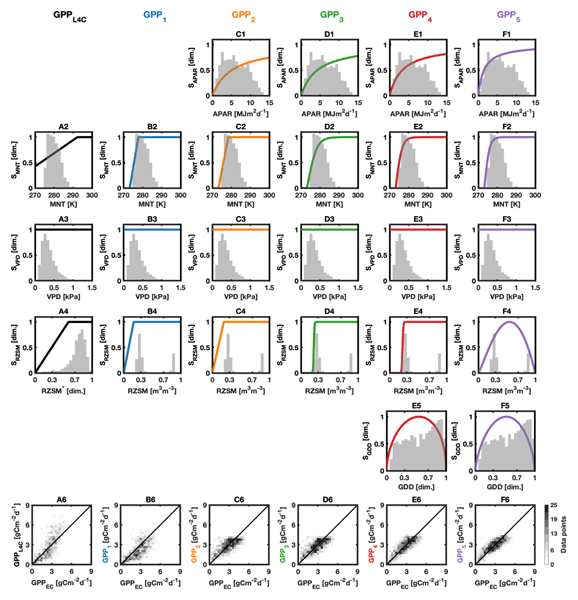
This study aims to improve estimates of carbon dioxide release and uptake in the North American Arctic and subarctic regions. Several modeling approaches were tested, showing that a better representation of sunlight and temperature effects on ecosystems leads to improved estimates. This work provides new perspectives to better assess whether these regions act as sources or sinks of greenhouse gases and how they may influence the climate system by amplifying or slowing global warming.
Julie Loisel, Angela Gallego-Sala, Daniela Ransby, Emily Rabel, Cornelia Behrens, Stefanie Schumacher, Kathe Todd-Brown, Vaasuki Marupaka, and C-PEAT Working Group Members
Earth Syst. Sci. Data, 18, 6485–6502, https://doi.org/10.5194/essd-18-6485-2026, https://doi.org/10.5194/essd-18-6485-2026, 2026
Short summary
Short summary
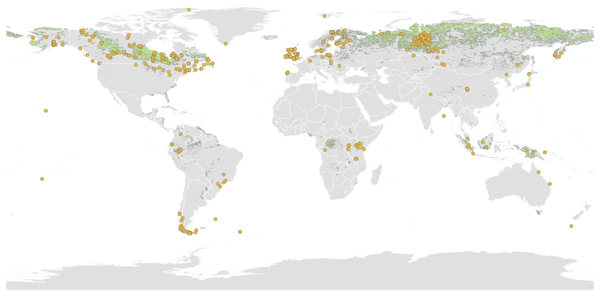
Over the past few decades, a lot of field-based work has been performed around the world to describe the carbon-sink capacity of peatland ecosystems. Here we provide a synthesis product that includes stratigraphic and chronological data from 267 peatland cores. Each one of these datasets is individually downloadable and openly usable through PANGAEA. We also provide scripts (R and Python) to download portions of the database.
Anna-Maria Virkkala, Isabel Wargowsky, Judith Vogt, McKenzie A. Kuhn, Simran Madaan, Tiffany Windholz, Kyle A. Arndt, Gerard Rocher-Ros, Mathias Göckede, David Olefeldt, Edward A. G. Schuur, David Bastviken, Richard O'Keefe, Brendan M. Rogers, Jennifer D. Watts, Kelcy Kent, Kristoffer Aalstad, Kelly Aho, Joonatan Ala-Könni, Haley Alcock, Inge Althuizen, Christopher D. Arp, Jun Asanuma, Mika Aurela, Sivakiruthika Balathandayuthabani, Katrin Attermeyer, Alan Barr, Maialen Barret, Ochirbat Batkhishig, Christina Biasi, Mats P. Björkman, Andrew Black, Elena Blanc-Betes, Pascal Bodmer, Julia Boike, Abdullah Bolek, Frédéric Bouchard, Ingeborg Bussmann, Lea Cabrol, Eleonora Canfora, Sean Carey, Karel Castro-Morales, Namyi Chae, Andreas Christen, Torben R. Christensen, Casper T. Christiansen, Housen Chu, Graham Clark, Francois Clayer, Patrick Crill, Christopher Cunada, Scott J. Davidson, Joshua F. Dean, Sigrid Dengel, Matteo Detto, Catherine Dieleman, Florent Domine, Egor Dyukarev, Colin Edgar, Bo Elberling, Craig A. Emmerton, Eugenie Euskirchen, Grant Falvo, Thomas Friborg, Michelle Garneau, Mariasilvia Giamberini, Mikhail V. Glagolev, Miquel A. Gonzalez-Meler, Gustaf Granath, Jón Guðmundsson, Konsta Happonen, Yoshinobu Harazono, Lorna Harris, Josh Hashemi, Nicholas Hasson, Janna Heerah, Liam Heffernan, Manuel Helbig, Warren Helgason, Michal Heliasz, Greg Henry, Geert Hensgens, Tetsuya Hiyama, Beth Holmes, Macall Hock, David Holl, Jutta Holst, Thomas Holst, Gabriel Hould-Gosselin, Elyn Humphreys, Jacqueline Hung, Jussi Huotari, Hiroki Ikawa, Danil V. Ilyasov, Mamoru Ishikawa, Go Iwahana, Hiroki Iwata, Marcin Antoni Jackowicz-Korczynski, Joachim Jansen, Järvi Järveoja, Vincent E. J. Jassey, Rasmus Jensen, Katharina Jentzsch, Robert G. Jespersen, Carl-Fredrik Johannesson, Cheristy P. Jones, Anders Jonsson, Ji Young Jung, Sari Juutinen, Evan Kane, Jan Karlsson, Sergey Karsanaev, Kuno Kasak, Julia Kelly, Kasha Kempton, Marcus Klaus, George W. Kling, Natascha Kljun, Jacqueline Knutson, Hideki Kobayashi, John Kochendorfer, Kukka-Maaria Kohonen, Pasi Kolari, Mika Korkiakoski, Aino Korrensalo, Pirkko Kortelainen, Egle Koster, Kajar Koster, Ayumi Kotani, Praveena Krishnan, Juliya Kurbatova, Lars Kutzbach, Min Jung Kwon, Ethan D. Kyzivat, Jessica Lagroix, Theodore Langhorst, Elena Lapshina, Tuula Larmola, Klaus S. Larsen, Isabelle Laurion, Justin Ledman, Hanna Lee, A. Joshua Leffler, Lance Lesack, Anders Lindroth, David Lipson, Annalea Lohila, Efrén López-Blanco, Vincent L. St. Louis, Erik Lundin, Miska Luoto, Takashi Machimura, Marta Magnani, Avni Malhotra, Marja Maljanen, Ivan Mammarella, Elisa Männistö, Luca Belelli Marchesini, Phil Marsh, Pertti J. Martikainen, Maija E. Marushchak, Mikhail Mastepanov, Alex Mavrovic, Trofim Maximov, Christina Minions, Daniel F. Nadeau, Marco Montemayor, Tomoaki Morishita, Patrick Murphy, Erin Nicholls, Mats B. Nilsson, Anastasia Niyazova, Jenni Nordén, Koffi Dodji Noumonvi, Hannu Nykänen, Walter Oechel, Anne Ojala, Tomohiro Okadera, Sujan Pal, Alexey V. Panov, Tim Papakyriakou, Dario Papale, Sang-Jong Park, Frans-Jan W. Parmentier, Gilberto Pastorello, Mike Peacock, Matthias Peichl, Roman Petrov, Kyra St. Pierre, Norbert Pirk, Jessica Plein, Vilmantas Preskienis, Anatoly Prokushkin, Jukka Pumpanen, Hilary A. Rains, Niklas Rakos, Aleksi Räsänen, Helena Rautakoski, Riikka Rinnan, Janne Rinne, Adrian Rocha, Nigel Roulet, Alexandre Roy, Anna Rutgersson, Aleksandr F. Sabrekov, Torsten Sachs, Erik Sahlée, Alejandro Salazar, Henrique Oliveira Sawakuchi, Christopher Schulze, Roger Seco, Armando Sepulveda-Jauregui, Svetlana Serikova, Abbey Serrone, Hanna M. Silvennoinen, Sofie Sjogersten, June Skeeter, Jo Snöälv, Sebastian Sobek, Oliver Sonnentag, Emily H. Stanley, Maria Strack, Lena Strom, Patrick Sullivan, Ryan Sullivan, Anna Sytiuk, Torbern Tagesson, Pierre Taillardat, Julie Talbot, Suzanne E. Tank, Mario Tenuta, Irina Terenteva, Frederic Thalasso, Antoine Thiboult, Halldor Thorgeirsson, Fenix Garcia Tigreros, Margaret Torn, Amy Townsend-Small, Claire Treat, Alain Tremblay, Carlo Trotta, Eeva-Stiina Tuittila, Merritt Turetsky, Masahito Ueyama, Muhammad Umair, Aki Vähä, Lona van Delden, Maarten van Hardenbroek, Andrej Varlagin, Ruth K. Varner, Tarmo Virtanen, Elena Veretennikova, Timo Vesala, Carolina Voigt, Jorien E. Vonk, Robert Wagner, Katey Walter Anthony, Qinxue Wang, Masataka Watanabe, Hailey Webb, Jeffrey M. Welker, Andreas Westergaard-Nielsen, Sebastian Westermann, Jeffrey R. White, Christian Wille, Scott N. Williamson, Scott Zolkos, Donatella Zona, and Susan M. Natali
Earth Syst. Sci. Data, 18, 6357–6409, https://doi.org/10.5194/essd-18-6357-2026, https://doi.org/10.5194/essd-18-6357-2026, 2026
Short summary
Short summary
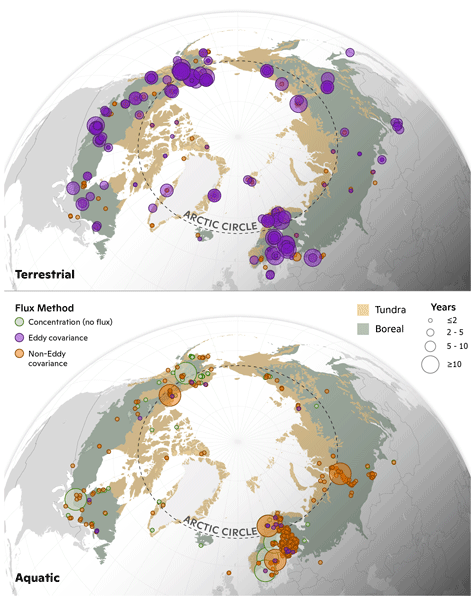
This dataset includes monthly measurements of carbon dioxide and methane exchange between land, water, and the atmosphere from over 1000 sites in Arctic and boreal regions. It combines measurements from a variety of ecosystems, including wetlands, forests, tundra, lakes, and rivers, gathered by over 260 researchers from 1984–2024. This dataset can be used to improve and reduce uncertainty in carbon budgets in order to strengthen our understanding of climate feedbacks in a warming world.
Xiaoying Shi, Daniel M. Ricciuto, Yaoping Wang, Joe R. Melton, Fortunat Joos, Yiqi Luo, Xiaofeng Xu, Dafeng Hui, Qianlai Zhuang, Chunjing Qiu, Hongxing He, Siya Shao, Xingjie Lu, Yongjiu Dai, Akihiko Ito, Qing Sun, Nitin Chaudhary, Ayesha Hussain, Mousong Wu, Jian Zhou, Jingwei Zhang, Ye Yuan, Rachael H. Turton, Eleanor J. Burke, Jiafu Mao, Yuefeng Hao, Natalie A. Griffiths, Verity Salmon, Paul J. Hanson, Melanie A. Mayes, and Peter E. Thornton
EGUsphere, https://doi.org/10.5194/egusphere-2026-5193, https://doi.org/10.5194/egusphere-2026-5193, 2026
This preprint is open for discussion and under review for Biogeosciences (BG).
Short summary
Short summary
Northern peatlands store vast amounts of carbon, but their response to climate change remains uncertain. We compared 15 ecosystem models with observations from a long-term warming and elevated carbon dioxide experiment in Minnesota. Models differed widely in their carbon responses, reflecting differences in ecosystem processes and model parameters. The results identify priorities for improving peatland models and projections of future carbon–climate feedbacks.
Sophie F. von Fromm, R. Scott Winton, Derrick R. Vaughn, Jennifer C. Bowen, Susan Trumbore, Kateřina Jandová, Julie Shahan, Olga Vindušková, Shane W. Stoner, Maedeh Chitsaz, Avni Malhotra, Adrian A. Wackett, Alison M. Hoyt, Katherine Heckman, Katerina Georgiou, Daniel Wasner, Luisa Isabell Minich, Katherine E. Grant, Caitlin E. Hicks Pries, Karis J. McFarlane, Anna Abramova, Corey Lawrence, and Jeffrey Beem-Miller
Earth Syst. Sci. Data, 18, 5793–5815, https://doi.org/10.5194/essd-18-5793-2026, https://doi.org/10.5194/essd-18-5793-2026, 2026
Short summary
Short summary
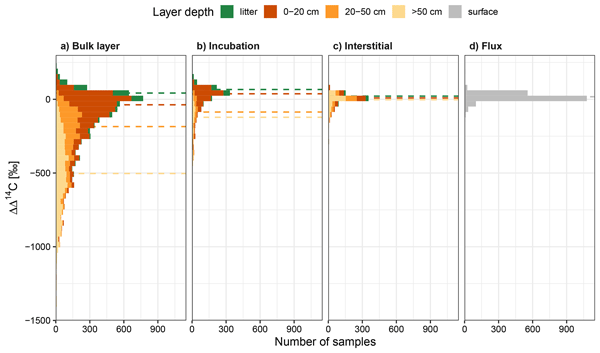
Here we present the updated International Soil Radiocarbon Database version 2, which compiles radiocarbon data from over 500 studies at 1700 locations worldwide. The database provides various soil radiocarbon measurements to improve our understanding of factors that influence the age distributions of carbon in soils. While we have made progress expanding the database and improving its structure, important gaps remain in tropical regions, deep soils, and certain measurement types.
April Sue Dalton, Michelle Garneau, and Joe R. Melton
Earth Syst. Sci. Data Discuss., https://doi.org/10.5194/essd-2026-169, https://doi.org/10.5194/essd-2026-169, 2026
Preprint under review for ESSD
Short summary
Short summary
Canadian peatlands store about 25 % of the world’s peat carbon. To better estimate this carbon, we compiled two large datasets: 88,763 peat-depth measurements from 844 sources and 436,923 locations where no peat was found. These data span nearly 100 years of studies and include many newly digitized records.
Mike Vreeken, Megan N. Jenkins, Siwei Mai, Rebecca H. Peel, Yiming Zhang, Toby A. Halamka, Amelia Oakeshott, Simon M. K. Cheung, Panteleimon Prokopiou, Sam Rangdale, Jerome Blewett, D. Paola Alarcon Prado, Juan C. Benavides, Frank Kansiime, Ellen Kayendeke, Carol Kagaba Kairumba, B. David A. Naafs, Casey Bryce, Angela V. Gallego-Sala, and Richard D. Pancost
EGUsphere, https://doi.org/10.5194/egusphere-2026-3069, https://doi.org/10.5194/egusphere-2026-3069, 2026
Short summary
Short summary
The stability of carbon stored in tropical peat systems is linked to molecular composition of peat. We studied the molecular composition of peatland plants, litter, and peat at several depths using seven representative tropical peatlands, and two temperate peatlands as comparison. Most sites show that deeper peat have relatively more harder-to-degrade molecules, such as lignin, against easy-to-degrade molecules. But a fingerprint of the original plant material persists regardless of degradation.
Mengze Li, Robert B. Jackson, Marielle Saunois, Philippe Ciais, Ben Poulter, Josep G. Canadell, Prabir K. Patra, Hanqin Tian, Zhen Zhang, Etienne Fluet-Chouinard, Zutao Ouyang, Ting Zhang, David J. Beerling, Dmitry A. Belikov, Philippe Bousquet, Danilo Custodio, Naveen Chandra, Xinyu Dou, Nicola Gedney, Peter O. Hopcroft, Alison M. Hoyt, Kazuhito Ichii, Akihito Ito, Atul K. Jain, Katherine Jensen, Fortunat Joos, Thomas Kleinen, Masayuki Kondo, Fa Li, Tingting Li, Xiangyu Liu, Shamil Maksyutov, Avni Malhotra, Adrien Martinez, Kyle McDonald, Joe R. Melton, Jurek Müller, Yosuke Niwa, Shufen Pan, Shushi Peng, Changhui Peng, Zhangcai Qin, Peter Raymond, William Riley, Arjo Segers, Rona L. Thompson, Aki Tsuruta, Yi Xi, Kunxiaojia Yuan, Wenxin Zhang, Bo Zheng, Qing Zhu, Qiuan Zhu, and Qianlai Zhuang
Earth Syst. Sci. Data, 18, 3507–3524, https://doi.org/10.5194/essd-18-3507-2026, https://doi.org/10.5194/essd-18-3507-2026, 2026
Short summary
Short summary
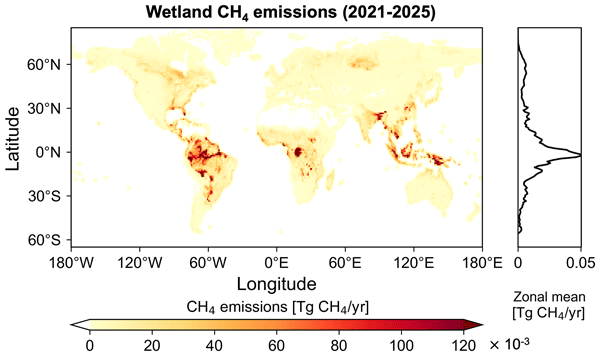
We proposed a framework that combines machine-learning and climate data to predict global natural vegetated wetland methane emissions for 2000–2025. We found that although total global emissions remained stable in the post-2020s, Northern Hemisphere emissions surged whilst tropical emissions fell. This approach allows us to rapidly monitor emissions and provides early warnings for climate impacts.
Katja Frieler, Stefan Lange, Jacob Schewe, Matthias Mengel, Simon Treu, Christian Otto, Jan Volkholz, Christopher P. O. Reyer, Stefanie Heinicke, Colin Jones, Julia L. Blanchard, Cheryl S. Harrison, Colleen M. Petrik, Tyler D. Eddy, Kelly Ortega-Cisneros, Camilla Novaglio, Ryan Heneghan, Derek P. Tittensor, Olivier Maury, Matthias Büchner, Thomas Vogt, Dánnell Quesada-Chacón, Kerry Emanuel, Chia-Ying Lee, Suzana J. Camargo, Linn Hamester, Jonas Jägermeyr, Sam Rabin, Jochen Klar, Iliusi D. Vega del Valle, Lisa Novak, Inga J. Sauer, Gitta Lasslop, Sarah Chadburn, Eleanor Burke, Angela Gallego-Sala, Noah Smith, Jinfeng Chang, Stijn Hantson, Chantelle Burton, Anne Gädeke, Fang Li, Simon N. Gosling, Hannes Müller Schmied, Fred Hattermann, Thomas Hickler, Rafael Marcé, Don Pierson, Wim Thiery, Daniel Mercado-Bettín, Robert Ladwig, Ana Isabel Ayala, Matthew Forrest, Michel Bechtold, Robert Reinecke, Inge de Graaf, Jed O. Kaplan, Alexander Koch, Matthieu Lengaigne, Rohini Kumar, and Maryna Strokal
Geosci. Model Dev., 19, 4095–4135, https://doi.org/10.5194/gmd-19-4095-2026, https://doi.org/10.5194/gmd-19-4095-2026, 2026
Short summary
Short summary
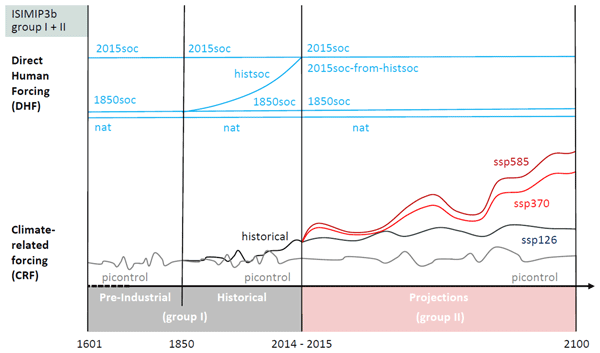
This paper describes the experiments and data sets necessary to run historic and future impact projections, and the underlying assumptions of future climate change as defined by the 3rd round of the ISIMIP Project (Inter-sectoral Impactmodel Intercomparison Project, isimip.org). ISIMIP provides a framework for cross-sectorally consistent climate impact simulations to contribute to a comprehensive and consistent picture of the world under different climate-change scenarios.
Pierre Friedlingstein, Michael O'Sullivan, Matthew W. Jones, Robbie M. Andrew, Dorothee C. E. Bakker, Judith Hauck, Peter Landschützer, Corinne Le Quéré, Hongmei Li, Ingrid T. Luijkx, Glen P. Peters, Wouter Peters, Julia Pongratz, Clemens Schwingshackl, Stephen Sitch, Josep G. Canadell, Philippe Ciais, Kjetil Aas, Simone R. Alin, Peter Anthoni, Leticia Barbero, Nicholas R. Bates, Nicolas Bellouin, Alice Benoit-Cattin, Carla F. Berghoff, Raffaele Bernardello, Laurent Bopp, Ida Bagus Mandhara Brasika, Matthew A. Chamberlain, Naveen Chandra, Frédéric Chevallier, Louise P. Chini, Nathan O. Collier, Thomas H. Colligan, Margot Cronin, Laique M. Djeutchouang, Xinyu Dou, Matt P. Enright, Kazutaka Enyo, Michael Erb, Wiley Evans, Richard A. Feely, Liang Feng, Daniel J. Ford, Adrianna Foster, Filippa Fransner, Thomas Gasser, Marion Gehlen, Thanos Gkritzalis, Jefferson Goncalves De Souza, Giacomo Grassi, Luke Gregor, Nicolas Gruber, Bertrand Guenet, Özgür Gürses, Kirsty Harrington, Ian Harris, Jens Heinke, George C. Hurtt, Yosuke Iida, Tatiana Ilyina, Akihiko Ito, Andrew R. Jacobson, Atul K. Jain, Tereza Jarníková, Annika Jersild, Fei Jiang, Steve D. Jones, Etsushi Kato, Ralph F. Keeling, Kees Klein Goldewijk, Jürgen Knauer, Yawen Kong, Jan Ivar Korsbakken, Charles Koven, Taro Kunimitsu, Xin Lan, Junjie Liu, Zhiqiang Liu, Zhu Liu, Claire Lo Monaco, Lei Ma, Gregg Marland, Patrick C. McGuire, Galen A. McKinley, Joe R. Melton, Natalie Monacci, Erwan Monier, Eric J. Morgan, David R. Munro, Jens D. Müller, Shin-Ichiro Nakaoka, Lorna R. Nayagam, Yosuke Niwa, Tobias Nutzel, Are Olsen, Abdirahman M. Omar, Naiqing Pan, Sudhanshu Pandey, Denis Pierrot, Zhangcai Qin, Pierre Regnier, Gregor Rehder, Laure Resplandy, Alizée Roobaert, Thais M. Rosan, Christian Rödenbeck, Jörg Schwinger, Ingunn Skjelvan, T. Luke Smallman, Victoria Spada, Mohanan G. Sreeush, Qing Sun, Adrienne J. Sutton, Colm Sweeney, Didier Swingedouw, Roland Séférian, Shintaro Takao, Hiroaki Tatebe, Hanqin Tian, Xiangjun Tian, Bronte Tilbrook, Hiroyuki Tsujino, Francesco Tubiello, Erik van Ooijen, Guido R. van der Werf, Sebastiaan J. van de Velde, Anthony P. Walker, Rik Wanninkhof, Xiaojuan Yang, Wenping Yuan, Xu Yue, and Jiye Zeng
Earth Syst. Sci. Data, 18, 3211–3288, https://doi.org/10.5194/essd-18-3211-2026, https://doi.org/10.5194/essd-18-3211-2026, 2026
Short summary
Short summary
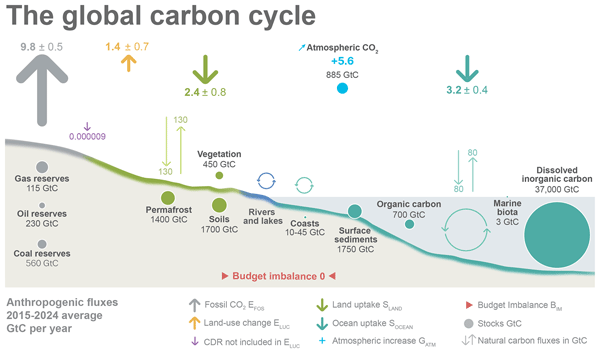
The Global Carbon Budget 2025 describes the methodology, main results, and datasets used to quantify the anthropogenic emissions of carbon dioxide (CO2) and their partitioning among the atmosphere, land ecosystems, and the ocean over the historical period (1750–2025). These living datasets are updated every year to provide the highest transparency and traceability in the reporting of CO2, the key driver of climate change.
Jade Skye, Joe R. Melton, Colin Goldblatt, Angela Gallego-Sala, Michelle Garneau, and Scott Winton
Biogeosciences, 23, 2959–2983, https://doi.org/10.5194/bg-23-2959-2026, https://doi.org/10.5194/bg-23-2959-2026, 2026
Short summary
Short summary
We developed PeatDepth-ML, a machine learning model predicting peat depth worldwide to help estimate carbon stocks in these climate-critical ecosystems. Our model predicts median depths of 134 cm in peatlands. Using bootstrapping, we rigorously assessed how sampling bias affects predictions. This revealed predictor selection and regional accuracy can vary greatly with different data subsets, demonstrating model reliability fundamentally depends on training data quality and geographic coverage.
Joao Henrique Fernandes Amaral, Santiago Botía, Paula Torres Quintero, Anghy Sthephany Gutierrez Rincon, David Ho, Adriana Sanchez, Alvaro Avila-Diaz, Antje Uhde, Benjamin Quesada, Juan C. Benavides, R. Scott Winton, Carlos A. Sierra, Miguel A. Navarro-Ramírez, Diego David Pardo Buitrago, and Stijn Hantson
EGUsphere, https://doi.org/10.5194/egusphere-2026-2080, https://doi.org/10.5194/egusphere-2026-2080, 2026
Short summary
Short summary
Methane is a powerful greenhouse gas driving climate change. Atmospheric methane levels are rising by anthropogenic emissions from livestock, oil and gas, rice farms, fires, and, naturally, mainly from wetlands. Tropical wetlands are a major source, yet data is uncertain. Our study examines South America's Orinoco wetlands (Colombia, Venezuela), reviewing emissions from natural and anthropogenic sources. We discuss and identify research needed to better understand this ecosystem's methane cycle.
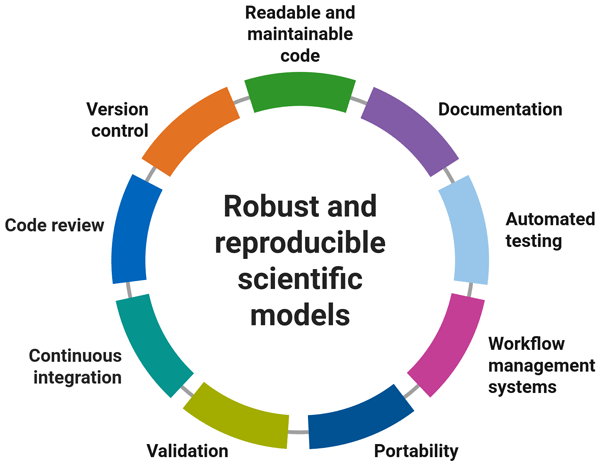
Konstantin Gregor, Benjamin F. Meyer, Tillmann Gaida, Victor Justo Vasquez, Karina Bett-Williams, Matthew Forrest, João P. Darela-Filho, Sam Rabin, Marcos Longo, Joe R. Melton, Johan Nord, Peter Anthoni, Vladislav Bastrikov, Thomas Colligan, Christine Delire, Michael C. Dietze, George Hurtt, Akihiko Ito, Lasse T. Keetz, Jürgen Knauer, Johannes Köster, Tzu-Shun Lin, Lei Ma, Marie Minvielle, Stefan Olin, Sebastian Ostberg, Hao Shi, Reiner Schnur, Qing Sun, Peter E. Thornton, and Anja Rammig
Geosci. Model Dev., 19, 2407–2436, https://doi.org/10.5194/gmd-19-2407-2026, https://doi.org/10.5194/gmd-19-2407-2026, 2026
Short summary
Short summary
Geoscientific models are crucial for understanding Earth’s processes. However, they sometimes do not adhere to highest software quality standards, and scientific results are often hard to reproduce due to the complexity of the workflows. Here we gather the expertise of 20 modeling groups and software engineers to define best practices for making geoscientific models maintainable, usable, and reproducible. We conclude with an open-source example serving as a reference for modeling communities.
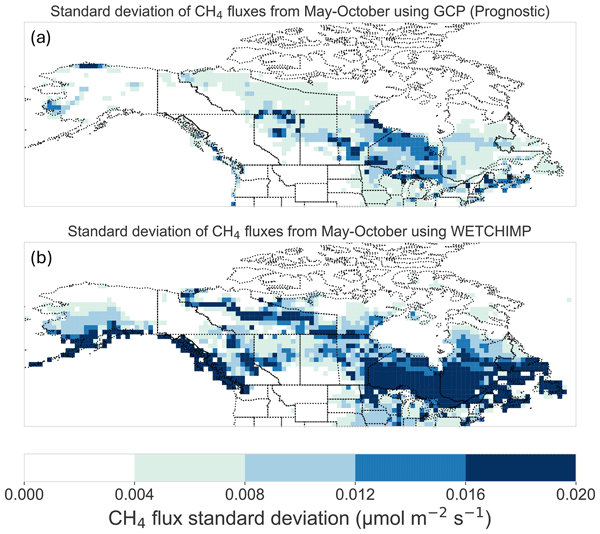
Hanyu Liu, Misa Ishizawa, Felix R. Vogel, Zhen Zhang, Benjamin Poulter, Leyang Feng, Ao Chen, Anna L. Gagné-Landmann, Deborah N. Huntzinger, Joe R. Melton, Vineet Yadav, Dylan C. Gaeta, Ziting Huang, Douglas E. J. Worthy, Douglas Chan, and Scot M. Miller
Atmos. Chem. Phys., 26, 1229–1247, https://doi.org/10.5194/acp-26-1229-2026, https://doi.org/10.5194/acp-26-1229-2026, 2026
Short summary
Short summary
We find that the state-of-the-art process-based methane flux models have both lower flux magnitude and reduced inter-model uncertainty compared to a previous model inter-comparison from over a decade ago. Despite these improvements, methane flux estimates from process-based models are still likely too high compared to atmospheric observations. We also find that models with simpler parameterizations often result in better agreement with atmospheric observations in high-latitude North America.
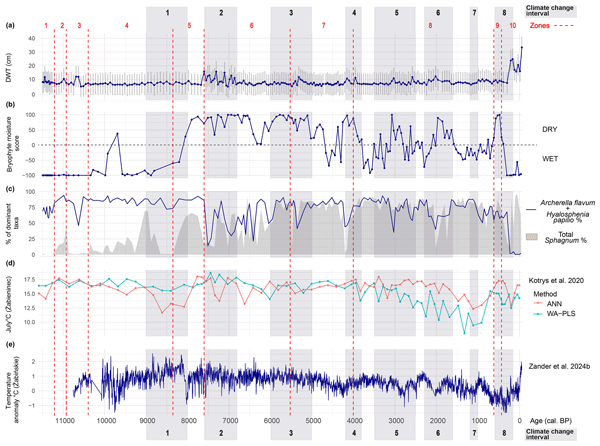
Eliise Poolma, Katarzyna Marcisz, Leeli Amon, Patryk Fiutek, Piotr Kołaczek, Karolina Leszczyńska, Dmitri Mauquoy, Michał Słowiński, Siim Veski, Friederike Wagner-Cremer, and Mariusz Lamentowicz
Clim. Past, 21, 1933–1959, https://doi.org/10.5194/cp-21-1933-2025, https://doi.org/10.5194/cp-21-1933-2025, 2025
Short summary
Short summary
We studied a peatland in northern Poland to see how climate and natural ecosystem changes shaped it over the past 11,500 years. By analysing preserved plants and microscopic life, we found clear shifts in wetness linked to climate and internal development. This longest complete peat record in the region shows how peatlands help us understand long-term environmental change and their future resilience to climate change.
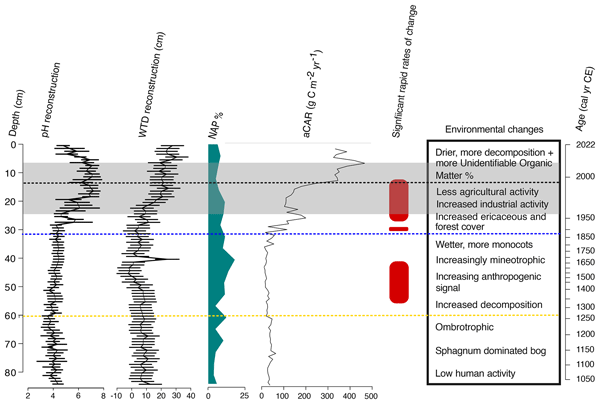
Luke Oliver Andrews, Katarzyna Marcisz, Piotr Kołaczek, Leeli Amon, Siim Veski, Atko Heinsalu, Normunds Stivrins, Mariusz Bąk, Marco A. Aquino-Lopez, Anna Cwanek, Edyta Łokas, Monika Karpińska-Kołaczek, Sambor Czerwiński, Michał Słowiński, and Mariusz Lamentowicz
Biogeosciences, 22, 5849–5875, https://doi.org/10.5194/bg-22-5849-2025, https://doi.org/10.5194/bg-22-5849-2025, 2025
Short summary
Short summary
The long-term effects of alkalinisation upon peatland ecosystem functioning remains poorly understood. Using palaeoecological techniques, we show that intensive cement dust pollution altered vegetation cover and reduced carbon storage in an Estonian peatland. Changes also occurred during the 13th century following agricultural intensification. These shifts occurred following substantial as well as small but sustained increases in alkalinity. Limited recovery was evident ~30 years post-pollution.
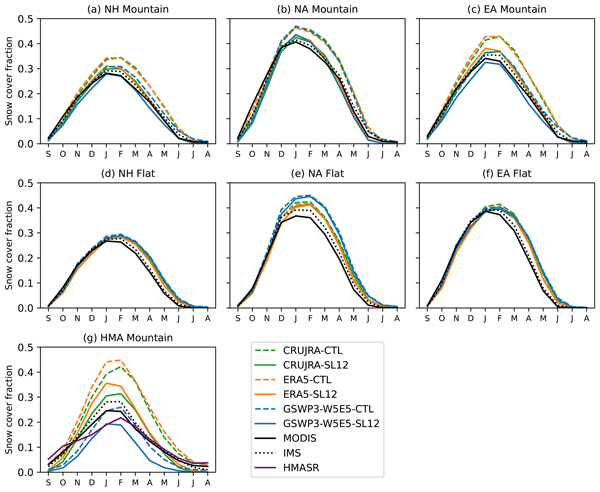
Libo Wang, Lawrence Mudryk, Joe R. Melton, Colleen Mortimer, Jason Cole, Gesa Meyer, Paul Bartlett, and Mickaël Lalande
Geosci. Model Dev., 18, 6597–6621, https://doi.org/10.5194/gmd-18-6597-2025, https://doi.org/10.5194/gmd-18-6597-2025, 2025
Short summary
Short summary
This study shows that an alternate snow cover fraction parameterization significantly improves snow simulation by CLASSIC in mountainous areas for all three choices of meteorological datasets. Annual mean bias, unbiased root mean squared area, and correlation improve by 75 %, 32 %, and 7 % when evaluated with MODIS observations over the Northern Hemisphere. We also link relative biases in the meteorological forcing data to differences in simulated snow water equivalent and snow cover fraction.
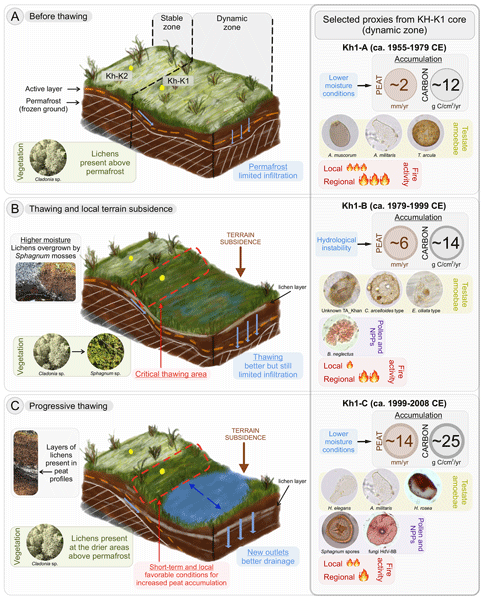
Agnieszka Halaś, Mariusz Lamentowicz, Milena Obremska, Dominika Łuców, and Michał Słowiński
Biogeosciences, 22, 4797–4822, https://doi.org/10.5194/bg-22-4797-2025, https://doi.org/10.5194/bg-22-4797-2025, 2025
Short summary
Short summary
Western Siberian peatlands regulate global climate, but their response to permafrost thaw remains poorly studied. Our study analyzed peat cores from a peat plateau and a lake edge to track changes over two centuries. We found that permafrost thawing, driven by rising temperatures, altered peatland hydrology, vegetation, and microbial life. These shifts may expand with further warming, affecting carbon storage and climate feedbacks. Our findings highlight early warning signs of ecosystem change.
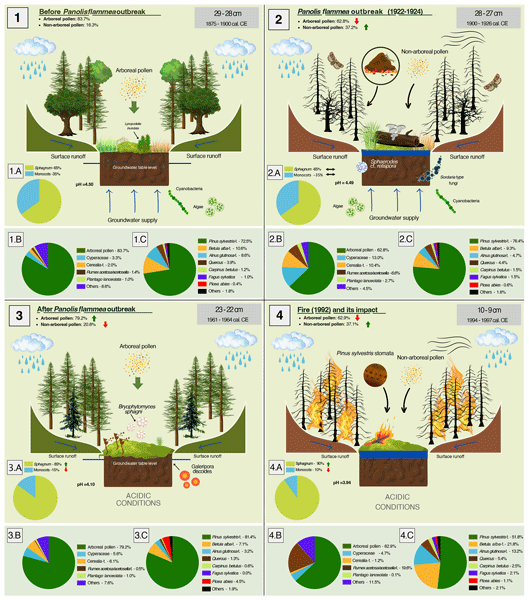
Mariusz Bąk, Mariusz Lamentowicz, Piotr Kołaczek, Daria Wochal, Michał Jakubowicz, Luke Andrews, and Katarzyna Marcisz
Biogeosciences, 22, 3843–3866, https://doi.org/10.5194/bg-22-3843-2025, https://doi.org/10.5194/bg-22-3843-2025, 2025
Short summary
Short summary
We integrated palaeoecological and geochemical data to discern the impact of catastrophic events on the development of peatlands within pine monocultures. An approach that integrates these methods is not commonly employed but offers a more comprehensive understanding of past ecosystem transformations. We used multi-proxy research of the peat core and neodymium isotope record. We support the results of our analyses with the recognition of statistically significant critical transitions.
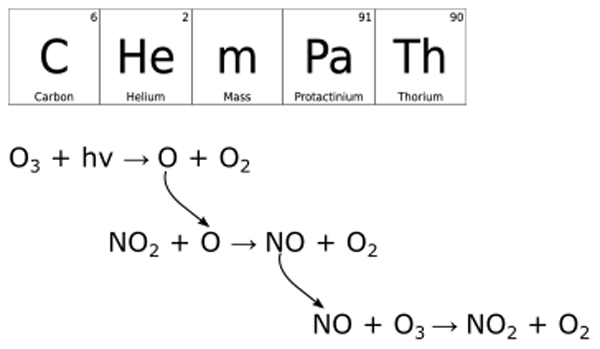
Daniel Garduno Ruiz, Colin Goldblatt, and Anne-Sofie Ahm
Geosci. Model Dev., 18, 4433–4454, https://doi.org/10.5194/gmd-18-4433-2025, https://doi.org/10.5194/gmd-18-4433-2025, 2025
Short summary
Short summary
Photochemical models describe how the composition of the atmosphere changes due to chemical reactions, transport, and other processes. These models are useful for studying the composition of the Earth's and other planets' atmospheres. Understanding the results of these models can be difficult. Here, we build on previous work to develop open-source code that can identify the reaction chains (pathways) that produce the results of these models, facilitating the understanding of these results.
Teemu Juselius-Rajamäki, Sanna Piilo, Susanna Salminen-Paatero, Emilia Tuomaala, Tarmo Virtanen, Atte Korhola, Anna Autio, Hannu Marttila, Pertti Ala-Aho, Annalea Lohila, and Minna Väliranta
Biogeosciences, 22, 3047–3071, https://doi.org/10.5194/bg-22-3047-2025, https://doi.org/10.5194/bg-22-3047-2025, 2025
Short summary
Short summary
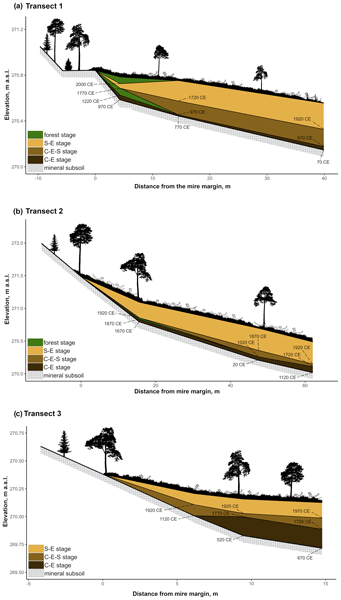
Vegetation can be used to infer the potential climate feedback of peatlands. New studies have shown the recent expansion of peatlands, but their plant community succession has not been studied. Although generally described as dry bog-type vegetation, our results show that peatland margins in a subarctic fen began as wet fen with high methane emissions and shifted to bog-type peatland area only after the Little Ice Age. Thus, they have acted as a carbon source for most of their history.
Marielle Saunois, Adrien Martinez, Benjamin Poulter, Zhen Zhang, Peter A. Raymond, Pierre Regnier, Josep G. Canadell, Robert B. Jackson, Prabir K. Patra, Philippe Bousquet, Philippe Ciais, Edward J. Dlugokencky, Xin Lan, George H. Allen, David Bastviken, David J. Beerling, Dmitry A. Belikov, Donald R. Blake, Simona Castaldi, Monica Crippa, Bridget R. Deemer, Fraser Dennison, Giuseppe Etiope, Nicola Gedney, Lena Höglund-Isaksson, Meredith A. Holgerson, Peter O. Hopcroft, Gustaf Hugelius, Akihiko Ito, Atul K. Jain, Rajesh Janardanan, Matthew S. Johnson, Thomas Kleinen, Paul B. Krummel, Ronny Lauerwald, Tingting Li, Xiangyu Liu, Kyle C. McDonald, Joe R. Melton, Jens Mühle, Jurek Müller, Fabiola Murguia-Flores, Yosuke Niwa, Sergio Noce, Shufen Pan, Robert J. Parker, Changhui Peng, Michel Ramonet, William J. Riley, Gerard Rocher-Ros, Judith A. Rosentreter, Motoki Sasakawa, Arjo Segers, Steven J. Smith, Emily H. Stanley, Joël Thanwerdas, Hanqin Tian, Aki Tsuruta, Francesco N. Tubiello, Thomas S. Weber, Guido R. van der Werf, Douglas E. J. Worthy, Yi Xi, Yukio Yoshida, Wenxin Zhang, Bo Zheng, Qing Zhu, Qiuan Zhu, and Qianlai Zhuang
Earth Syst. Sci. Data, 17, 1873–1958, https://doi.org/10.5194/essd-17-1873-2025, https://doi.org/10.5194/essd-17-1873-2025, 2025
Short summary
Short summary
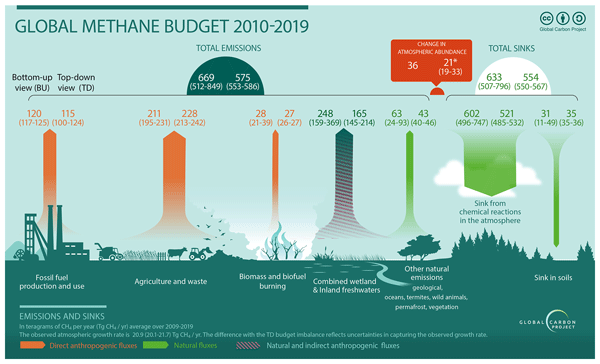
Methane (CH4) is the second most important human-influenced greenhouse gas in terms of climate forcing after carbon dioxide (CO2). A consortium of multi-disciplinary scientists synthesise and update the budget of the sources and sinks of CH4. This edition benefits from important progress in estimating emissions from lakes and ponds, reservoirs, and streams and rivers. For the 2010s decade, global CH4 emissions are estimated at 575 Tg CH4 yr-1, including ~65 % from anthropogenic sources.
Zhen Zhang, Benjamin Poulter, Joe R. Melton, William J. Riley, George H. Allen, David J. Beerling, Philippe Bousquet, Josep G. Canadell, Etienne Fluet-Chouinard, Philippe Ciais, Nicola Gedney, Peter O. Hopcroft, Akihiko Ito, Robert B. Jackson, Atul K. Jain, Katherine Jensen, Fortunat Joos, Thomas Kleinen, Sara H. Knox, Tingting Li, Xin Li, Xiangyu Liu, Kyle McDonald, Gavin McNicol, Paul A. Miller, Jurek Müller, Prabir K. Patra, Changhui Peng, Shushi Peng, Zhangcai Qin, Ryan M. Riggs, Marielle Saunois, Qing Sun, Hanqin Tian, Xiaoming Xu, Yuanzhi Yao, Yi Xi, Wenxin Zhang, Qing Zhu, Qiuan Zhu, and Qianlai Zhuang
Biogeosciences, 22, 305–321, https://doi.org/10.5194/bg-22-305-2025, https://doi.org/10.5194/bg-22-305-2025, 2025
Short summary
Short summary
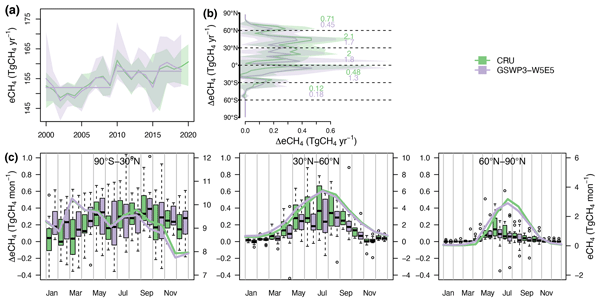
This study assesses global methane emissions from wetlands between 2000 and 2020 using multiple models. We found that wetland emissions increased by 6–7 Tg CH4 yr-1 in the 2010s compared to the 2000s. Rising temperatures primarily drove this increase, while changes in precipitation and CO2 levels also played roles. Our findings highlight the importance of wetlands in the global methane budget and the need for continuous monitoring to understand their impact on climate change.
Mariusz Bąk, Mariusz Lamentowicz, Piotr Kołaczek, Daria Wochal, Paweł Matulewski, Dominik Kopeć, Martyna Wietecha, Dominika Jaster, and Katarzyna Marcisz
Biogeosciences, 21, 5143–5172, https://doi.org/10.5194/bg-21-5143-2024, https://doi.org/10.5194/bg-21-5143-2024, 2024
Short summary
Short summary
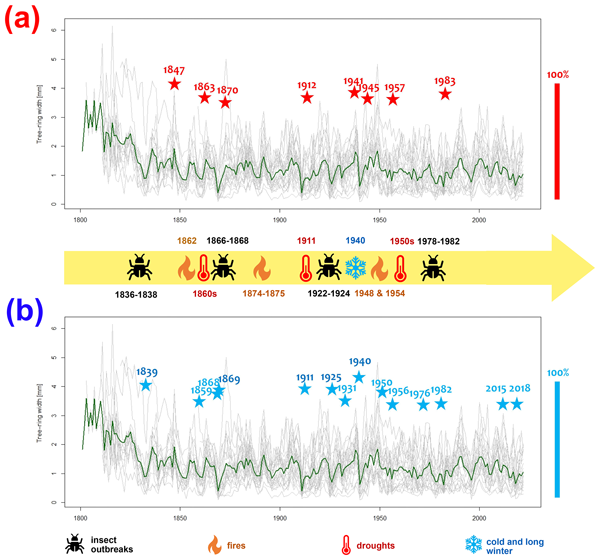
The study combines palaeoecological, dendrochronological, remote sensing and historical data to detect the impact of forest management and climate change on peatlands. Due to these changes, the peatland studied in this paper and the pine monoculture surrounding it have become vulnerable to water deficits and various types of disturbance, such as fires and pest infestations. As a result of forest management, there has also been a complete change in the vegetation composition of the peatland.
Misa Ishizawa, Douglas Chan, Doug Worthy, Elton Chan, Felix Vogel, Joe R. Melton, and Vivek K. Arora
Atmos. Chem. Phys., 24, 10013–10038, https://doi.org/10.5194/acp-24-10013-2024, https://doi.org/10.5194/acp-24-10013-2024, 2024
Short summary
Short summary
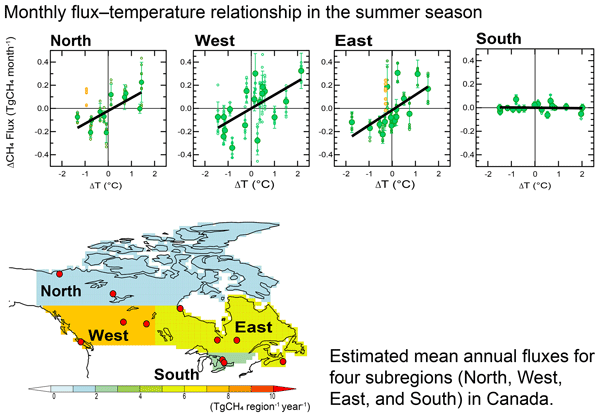
Methane (CH4) emissions in Canada for 2007–2017 were estimated using Canada’s surface greenhouse gas measurements. The estimated emissions show no significant trend, but emission uncertainty was reduced as more measurement sites became available. Notably for climate change, we find the wetland CH4 emissions show a positive correlation with surface air temperature in summer. Canada’s measurement network could monitor future CH4 emission changes and compliance with climate change mitigation goals.
Salvatore R. Curasi, Joe R. Melton, Elyn R. Humphreys, Txomin Hermosilla, and Michael A. Wulder
Geosci. Model Dev., 17, 2683–2704, https://doi.org/10.5194/gmd-17-2683-2024, https://doi.org/10.5194/gmd-17-2683-2024, 2024
Short summary
Short summary
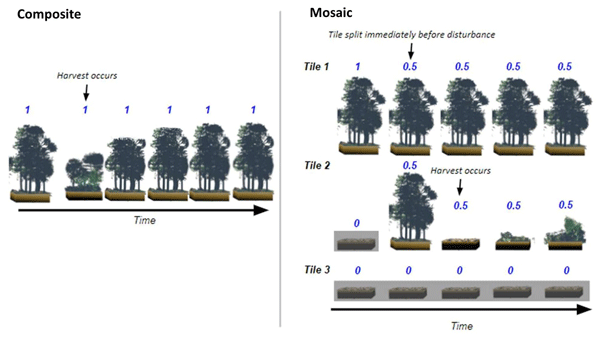
Canadian forests are responding to fire, harvest, and climate change. Models need to quantify these processes and their carbon and energy cycling impacts. We develop a scheme that, based on satellite records, represents fire, harvest, and the sparsely vegetated areas that these processes generate. We evaluate model performance and demonstrate the impacts of disturbance on carbon and energy cycling. This work has implications for land surface modeling and assessing Canada’s terrestrial C cycle.
Katja Frieler, Jan Volkholz, Stefan Lange, Jacob Schewe, Matthias Mengel, María del Rocío Rivas López, Christian Otto, Christopher P. O. Reyer, Dirk Nikolaus Karger, Johanna T. Malle, Simon Treu, Christoph Menz, Julia L. Blanchard, Cheryl S. Harrison, Colleen M. Petrik, Tyler D. Eddy, Kelly Ortega-Cisneros, Camilla Novaglio, Yannick Rousseau, Reg A. Watson, Charles Stock, Xiao Liu, Ryan Heneghan, Derek Tittensor, Olivier Maury, Matthias Büchner, Thomas Vogt, Tingting Wang, Fubao Sun, Inga J. Sauer, Johannes Koch, Inne Vanderkelen, Jonas Jägermeyr, Christoph Müller, Sam Rabin, Jochen Klar, Iliusi D. Vega del Valle, Gitta Lasslop, Sarah Chadburn, Eleanor Burke, Angela Gallego-Sala, Noah Smith, Jinfeng Chang, Stijn Hantson, Chantelle Burton, Anne Gädeke, Fang Li, Simon N. Gosling, Hannes Müller Schmied, Fred Hattermann, Jida Wang, Fangfang Yao, Thomas Hickler, Rafael Marcé, Don Pierson, Wim Thiery, Daniel Mercado-Bettín, Robert Ladwig, Ana Isabel Ayala-Zamora, Matthew Forrest, and Michel Bechtold
Geosci. Model Dev., 17, 1–51, https://doi.org/10.5194/gmd-17-1-2024, https://doi.org/10.5194/gmd-17-1-2024, 2024
Short summary
Short summary
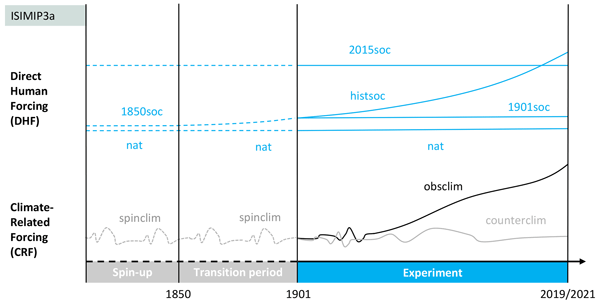
Our paper provides an overview of all observational climate-related and socioeconomic forcing data used as input for the impact model evaluation and impact attribution experiments within the third round of the Inter-Sectoral Impact Model Intercomparison Project. The experiments are designed to test our understanding of observed changes in natural and human systems and to quantify to what degree these changes have already been induced by climate change.
Antonin Prijac, Laure Gandois, Pierre Taillardat, Marc-André Bourgault, Khawla Riahi, Alex Ponçot, Alain Tremblay, and Michelle Garneau
Hydrol. Earth Syst. Sci., 27, 3935–3955, https://doi.org/10.5194/hess-27-3935-2023, https://doi.org/10.5194/hess-27-3935-2023, 2023
Short summary
Short summary
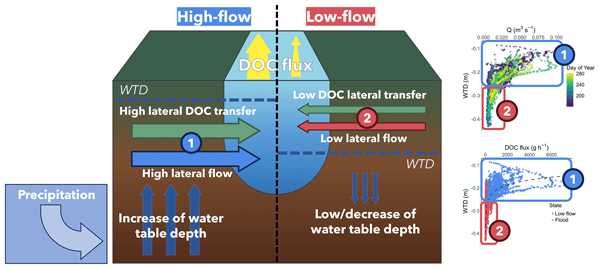
The peatland dissolved organic carbon (DOC) lost through aquatic exports can offset a significant proportion of the ecosystem carbon balance. Hence, we propose a new approach to better estimate the DOC exports based on the specific contribution of a boreal peatland (Canada) during periods of high flow. In addition, we studied the relations between DOC concentrations and stream discharge in order to better understand the DOC export mechanisms under contrasted hydrometeorological conditions.
Bo Qu, Alexandre Roy, Joe R. Melton, Jennifer L. Baltzer, Youngryel Ryu, Matteo Detto, and Oliver Sonnentag
EGUsphere, https://doi.org/10.5194/egusphere-2023-1167, https://doi.org/10.5194/egusphere-2023-1167, 2023
Preprint archived
Short summary
Short summary
Accurately simulating photosynthesis and evapotranspiration challenges terrestrial biosphere models across North America’s boreal biome, in part due to uncertain representation of the maximum rate of photosynthetic carboxylation (Vcmax). This study used forest stand scale observations in an optimization framework to improve Vcmax values for representative vegetation types. Several stand characteristics well explained spatial Vcmax variability and were useful to improve boreal forest modelling.
Russell Deitrick and Colin Goldblatt
Clim. Past, 19, 1201–1218, https://doi.org/10.5194/cp-19-1201-2023, https://doi.org/10.5194/cp-19-1201-2023, 2023
Short summary
Short summary
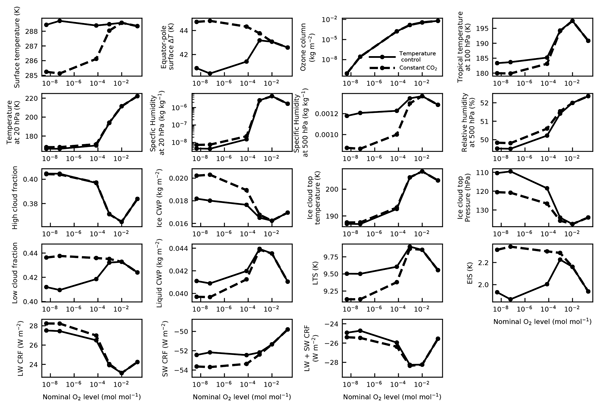
Prior to 2.5 billion years ago, ozone was present in our atmosphere only in trace amounts. To understand how climate has changed in response to ozone build-up, we have run 3-D climate simulations with different amounts of ozone. We find that Earth's surface is about 3 to 4 °C degrees cooler with low ozone. This is caused by cooling of the upper atmosphere, where ozone is a warming agent. Its removal causes the upper atmosphere to become drier, weakening the greenhouse warming by water vapor.
Antonin Prijac, Laure Gandois, Laurent Jeanneau, Pierre Taillardat, and Michelle Garneau
Biogeosciences, 19, 4571–4588, https://doi.org/10.5194/bg-19-4571-2022, https://doi.org/10.5194/bg-19-4571-2022, 2022
Short summary
Short summary
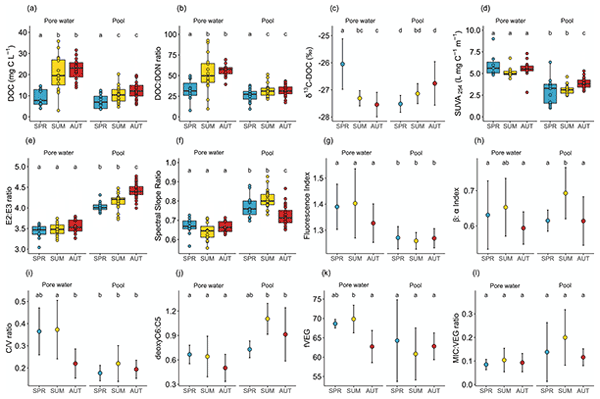
Pools are common features of peatlands. We documented dissolved organic matter (DOM) composition in pools and peat of an ombrotrophic boreal peatland to understand its origin and potential role in the peatland carbon budget. The survey reveals that DOM composition differs between pools and peat, although it is derived from the peat vegetation. We investigated which processes are involved and estimated that the contribution of carbon emissions from DOM processing in pools could be substantial.

Joe R. Melton, Ed Chan, Koreen Millard, Matthew Fortier, R. Scott Winton, Javier M. Martín-López, Hinsby Cadillo-Quiroz, Darren Kidd, and Louis V. Verchot
Geosci. Model Dev., 15, 4709–4738, https://doi.org/10.5194/gmd-15-4709-2022, https://doi.org/10.5194/gmd-15-4709-2022, 2022
Short summary
Short summary
Peat-ML is a high-resolution global peatland extent map generated using machine learning techniques. Peatlands are important in the global carbon and water cycles, but their extent is poorly known. We generated Peat-ML using drivers of peatland formation including climate, soil, geomorphology, and vegetation data, and we train the model with regional peatland maps. Our accuracy estimation approaches suggest Peat-ML is of similar or higher quality than other available peatland mapping products.
Pierre Friedlingstein, Matthew W. Jones, Michael O'Sullivan, Robbie M. Andrew, Dorothee C. E. Bakker, Judith Hauck, Corinne Le Quéré, Glen P. Peters, Wouter Peters, Julia Pongratz, Stephen Sitch, Josep G. Canadell, Philippe Ciais, Rob B. Jackson, Simone R. Alin, Peter Anthoni, Nicholas R. Bates, Meike Becker, Nicolas Bellouin, Laurent Bopp, Thi Tuyet Trang Chau, Frédéric Chevallier, Louise P. Chini, Margot Cronin, Kim I. Currie, Bertrand Decharme, Laique M. Djeutchouang, Xinyu Dou, Wiley Evans, Richard A. Feely, Liang Feng, Thomas Gasser, Dennis Gilfillan, Thanos Gkritzalis, Giacomo Grassi, Luke Gregor, Nicolas Gruber, Özgür Gürses, Ian Harris, Richard A. Houghton, George C. Hurtt, Yosuke Iida, Tatiana Ilyina, Ingrid T. Luijkx, Atul Jain, Steve D. Jones, Etsushi Kato, Daniel Kennedy, Kees Klein Goldewijk, Jürgen Knauer, Jan Ivar Korsbakken, Arne Körtzinger, Peter Landschützer, Siv K. Lauvset, Nathalie Lefèvre, Sebastian Lienert, Junjie Liu, Gregg Marland, Patrick C. McGuire, Joe R. Melton, David R. Munro, Julia E. M. S. Nabel, Shin-Ichiro Nakaoka, Yosuke Niwa, Tsuneo Ono, Denis Pierrot, Benjamin Poulter, Gregor Rehder, Laure Resplandy, Eddy Robertson, Christian Rödenbeck, Thais M. Rosan, Jörg Schwinger, Clemens Schwingshackl, Roland Séférian, Adrienne J. Sutton, Colm Sweeney, Toste Tanhua, Pieter P. Tans, Hanqin Tian, Bronte Tilbrook, Francesco Tubiello, Guido R. van der Werf, Nicolas Vuichard, Chisato Wada, Rik Wanninkhof, Andrew J. Watson, David Willis, Andrew J. Wiltshire, Wenping Yuan, Chao Yue, Xu Yue, Sönke Zaehle, and Jiye Zeng
Earth Syst. Sci. Data, 14, 1917–2005, https://doi.org/10.5194/essd-14-1917-2022, https://doi.org/10.5194/essd-14-1917-2022, 2022
Short summary
Short summary
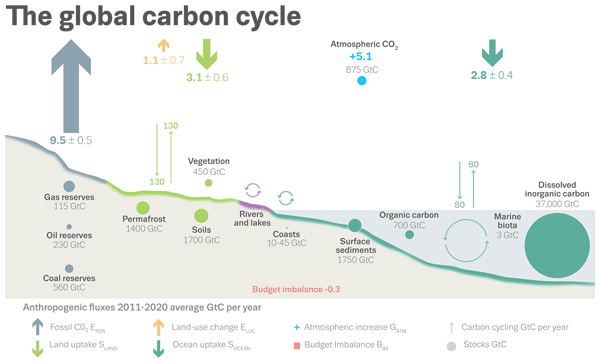
The Global Carbon Budget 2021 describes the data sets and methodology used to quantify the emissions of carbon dioxide and their partitioning among the atmosphere, land, and ocean. These living data are updated every year to provide the highest transparency and traceability in the reporting of CO2, the key driver of climate change.
Sandy P. Harrison, Roberto Villegas-Diaz, Esmeralda Cruz-Silva, Daniel Gallagher, David Kesner, Paul Lincoln, Yicheng Shen, Luke Sweeney, Daniele Colombaroli, Adam Ali, Chéïma Barhoumi, Yves Bergeron, Tatiana Blyakharchuk, Přemysl Bobek, Richard Bradshaw, Jennifer L. Clear, Sambor Czerwiński, Anne-Laure Daniau, John Dodson, Kevin J. Edwards, Mary E. Edwards, Angelica Feurdean, David Foster, Konrad Gajewski, Mariusz Gałka, Michelle Garneau, Thomas Giesecke, Graciela Gil Romera, Martin P. Girardin, Dana Hoefer, Kangyou Huang, Jun Inoue, Eva Jamrichová, Nauris Jasiunas, Wenying Jiang, Gonzalo Jiménez-Moreno, Monika Karpińska-Kołaczek, Piotr Kołaczek, Niina Kuosmanen, Mariusz Lamentowicz, Martin Lavoie, Fang Li, Jianyong Li, Olga Lisitsyna, José Antonio López-Sáez, Reyes Luelmo-Lautenschlaeger, Gabriel Magnan, Eniko Katalin Magyari, Alekss Maksims, Katarzyna Marcisz, Elena Marinova, Jenn Marlon, Scott Mensing, Joanna Miroslaw-Grabowska, Wyatt Oswald, Sebastián Pérez-Díaz, Ramón Pérez-Obiol, Sanna Piilo, Anneli Poska, Xiaoguang Qin, Cécile C. Remy, Pierre J. H. Richard, Sakari Salonen, Naoko Sasaki, Hieke Schneider, William Shotyk, Migle Stancikaite, Dace Šteinberga, Normunds Stivrins, Hikaru Takahara, Zhihai Tan, Liva Trasune, Charles E. Umbanhowar, Minna Väliranta, Jüri Vassiljev, Xiayun Xiao, Qinghai Xu, Xin Xu, Edyta Zawisza, Yan Zhao, Zheng Zhou, and Jordan Paillard
Earth Syst. Sci. Data, 14, 1109–1124, https://doi.org/10.5194/essd-14-1109-2022, https://doi.org/10.5194/essd-14-1109-2022, 2022
Short summary
Short summary
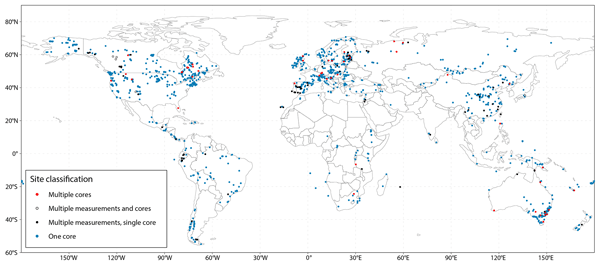
We provide a new global data set of charcoal preserved in sediments that can be used to examine how fire regimes have changed during past millennia and to investigate what caused these changes. The individual records have been standardised, and new age models have been constructed to allow better comparison across sites. The data set contains 1681 records from 1477 sites worldwide.
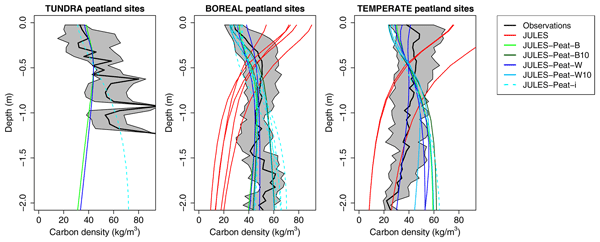
Sarah E. Chadburn, Eleanor J. Burke, Angela V. Gallego-Sala, Noah D. Smith, M. Syndonia Bret-Harte, Dan J. Charman, Julia Drewer, Colin W. Edgar, Eugenie S. Euskirchen, Krzysztof Fortuniak, Yao Gao, Mahdi Nakhavali, Włodzimierz Pawlak, Edward A. G. Schuur, and Sebastian Westermann
Geosci. Model Dev., 15, 1633–1657, https://doi.org/10.5194/gmd-15-1633-2022, https://doi.org/10.5194/gmd-15-1633-2022, 2022
Short summary
Short summary
We present a new method to include peatlands in an Earth system model (ESM). Peatlands store huge amounts of carbon that accumulates very slowly but that can be rapidly destabilised, emitting greenhouse gases. Our model captures the dynamic nature of peat by simulating the change in surface height and physical properties of the soil as carbon is added or decomposed. Thus, we model, for the first time in an ESM, peat dynamics and its threshold behaviours that can lead to destabilisation.
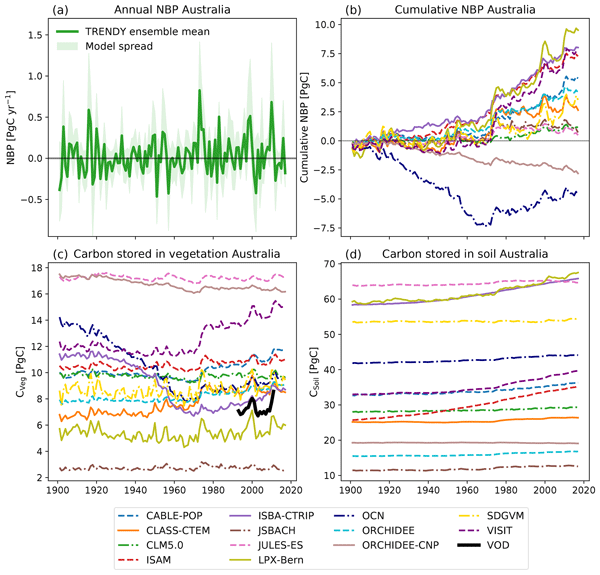
Lina Teckentrup, Martin G. De Kauwe, Andrew J. Pitman, Daniel S. Goll, Vanessa Haverd, Atul K. Jain, Emilie Joetzjer, Etsushi Kato, Sebastian Lienert, Danica Lombardozzi, Patrick C. McGuire, Joe R. Melton, Julia E. M. S. Nabel, Julia Pongratz, Stephen Sitch, Anthony P. Walker, and Sönke Zaehle
Biogeosciences, 18, 5639–5668, https://doi.org/10.5194/bg-18-5639-2021, https://doi.org/10.5194/bg-18-5639-2021, 2021
Short summary
Short summary
The Australian continent is included in global assessments of the carbon cycle such as the global carbon budget, yet the performance of dynamic global vegetation models (DGVMs) over Australia has rarely been evaluated. We assessed simulations by an ensemble of dynamic global vegetation models over Australia and highlighted a number of key areas that lead to model divergence on both short (inter-annual) and long (decadal) timescales.
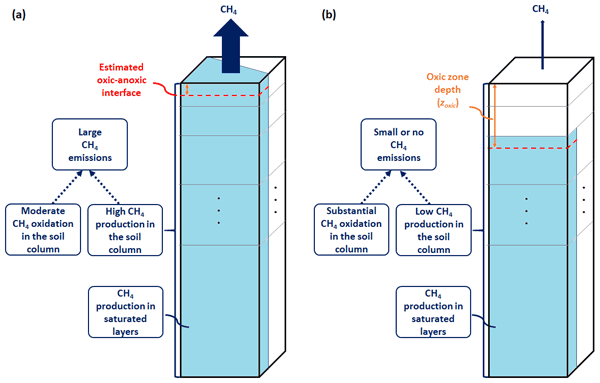
Claude-Michel Nzotungicimpaye, Kirsten Zickfeld, Andrew H. MacDougall, Joe R. Melton, Claire C. Treat, Michael Eby, and Lance F. W. Lesack
Geosci. Model Dev., 14, 6215–6240, https://doi.org/10.5194/gmd-14-6215-2021, https://doi.org/10.5194/gmd-14-6215-2021, 2021
Short summary
Short summary
In this paper, we describe a new wetland methane model (WETMETH) developed for use in Earth system models. WETMETH consists of simple formulations to represent methane production and oxidation in wetlands. We also present an evaluation of the model performance as embedded in the University of Victoria Earth System Climate Model (UVic ESCM). WETMETH is capable of reproducing mean annual methane emissions consistent with present-day estimates from the regional to the global scale.
Cited articles
Anda, M., Ritung, S., Suryani, E., Sukarman, Hikmat, M., Yatno, E., Mulyani, A., Subandiono, R. E., Suratman, and Husnain: Revisiting tropical peatlands in Indonesia: Semi-detailed mapping, extent and depth distribution assessment, Geoderma, 402, 115235, https://doi.org/10.1016/j.geoderma.2021.115235, 2021. a
Apers, S., De Lannoy, G. J. M., Baird, A. J., Cobb, A. R., Dargie, G. C., Del Aguila Pasquel, J., Gruber, A., Hastie, A., Hidayat, H., Hirano, T., Hoyt, A. M., Jovani-Sancho, A. J., Katimon, A., Kurnain, A., Koster, R. D., Lampela, M., Mahanama, S. P. P., Melling, L., Page, S. E., Reichle, R. H., Taufik, M., Vanderborght, J., and Bechtold, M.: Tropical peatland hydrology simulated with a global land surface model, J. Adv. Model. Earth Sy., 14, e2021MS002784, https://doi.org/10.1029/2021MS002784, 2022. a
Aroyo, L., Lease, M., Paritosh, P., and Schaekermann, M.: Data excellence for AI, Interactions, 29, 66–69, https://doi.org/10.1145/3517337, 2022. a
Austin, K. G., Elsen, P. R., Honorio Coronado, E. N., DeGemmis, A., Gallego-Sala, A. V., Harris, L., Kretser, H. E., Melton, J. R., Murdiyarso, D., Sasmito, S. D., Swails, E., Wijaya, A., Scott Winton, R., and Zarin, D.: Mismatch Between Global Importance of Peatlands and the Extent of Their Protection, Conserv. Lett., 18, e13080, https://doi.org/10.1111/conl.13080, 2025. a, b
Bansal, S., Creed, I. F., Tangen, B. A., Bridgham, S. D., Desai, A. R., Krauss, K. W., Neubauer, S. C., Noe, G. B., Rosenberry, D. O., Trettin, C., Wickland, K. P., Allen, S. T., Arias-Ortiz, A., Armitage, A. R., Baldocchi, D., Banerjee, K., Bastviken, D., Berg, P., Bogard, M. J., Chow, A. T., Conner, W. H., Craft, C., Creamer, C., DelSontro, T., Duberstein, J. A., Eagle, M., Fennessy, M. S., Finkelstein, S. A., Göckede, M., Grunwald, S., Halabisky, M., Herbert, E., Jahangir, M. M. R., Johnson, O. F., Jones, M. C., Kelleway, J. J., Knox, S., Kroeger, K. D., Kuehn, K. A., Lobb, D., Loder, A. L., Ma, S., Maher, D. T., McNicol, G., Meier, J., Middleton, B. A., Mills, C., Mistry, P., Mitra, A., Mobilian, C., Nahlik, A. M., Newman, S., O'Connell, J. L., Oikawa, P., van der Burg, M. P., Schutte, C. A., Song, C., Stagg, C. L., Turner, J., Vargas, R., Waldrop, M. P., Wallin, M. B., Wang, Z. A., Ward, E. J., Willard, D. A., Yarwood, S., and Zhu, X.: Practical guide to measuring wetland carbon pools and fluxes, Wetlands (Wilmington), 43, 105, https://doi.org/10.1007/s13157-023-01722-2, 2023. a
Batjes, N. H. and Van Oostrum, A. J. M.: World Soil Information Service (WoSIS) – Procedures for standardizing soil analytical method descriptions, Tech. rep., https://doi.org/10.17027/isric-1dq0-1m83, 2023. a
Batjes, N. H., Ribeiro, E., and Van Oostrum, A.: Standardised soil profile data for the world (WoSIS Snapshot–September 2019), ISRIC – World Soil Information [data set], https://doi.org/10.17027/isric-wdcsoils.20190901, 2019. a
Batjes, N. H., Ribeiro, E., and van Oostrum, A.: Standardised soil profile data to support global mapping and modelling (WoSIS snapshot 2019), Earth Syst. Sci. Data, 12, 299–320, https://doi.org/10.5194/essd-12-299-2020, 2020a. a
Bauer, I. E., Davies, M. A., Bona, K. A., Hararuk, O., Shaw, C. H., Thompson, D. K., Kurz, W. A., Webster, K. L., Garneau, M., McLaughlin, J. W., Packalen, M. S., Prystupa, E., Sanderson, N. K., and Tarnocai, C.: Peat profile database from peatlands in Canada, Ecology, e4398, https://doi.org/10.1002/ecy.4398, 2024. a
Bechtold, M., De Lannoy, G. J. M., Koster, R. D., Reichle, R. H., Mahanama, S. P., Bleuten, W., Bourgault, M. A., Brümmer, C., Burdun, I., Desai, A. R., Devito, K., Grünwald, T., Grygoruk, M., Humphreys, E. R., Klatt, J., Kurbatova, J., Lohila, A., Munir, T. M., Nilsson, M. B., Price, J. S., Röhl, M., Schneider, A., and Tiemeyer, B.: PEAT-CLSM: A Specific Treatment of Peatland Hydrology in the NASA Catchment Land Surface Model, J. Adv. Model. Earth Sy., 11, 2130–2162, https://doi.org/10.1029/2018MS001574, 2019a. a
Bechtold, M., De Lannoy, G. J. M., Koster, R. D., Reichle, R. H., Mahanama, S. P., Bleuten, W., Bourgault, M. A., Brümmer, C., Burdun, I., Desai, A. R., Devito, K., Grünwald, T., Grygoruk, M., Humphreys, E. R., Klatt, J., Kurbatova, J., Lohila, A., Munir, T. M., Nilsson, M. B., Price, J. S., Röhl, M., Schneider, A., and Tiemeyer, B.: PEAT-CLSM: A Specific Treatment of Peatland Hydrology in the NASA Catchment Land Surface Model, J. Adv. Model. Earth Sy., 11, 2130–2162, https://doi.org/10.1029/2018MS001574, 2019b. a
Beilman, D. W., MacDonald, G. M., Smith, L. C., and Reimer, P. J.: Carbon accumulation in peatlands of West Siberia over the last 2000 years, Global Biogeochem. Cy., 23, https://doi.org/10.1029/2007gb003112, 2009. a
Benfield, A. J., Yu, Z., and Benavides, J. C.: Environmental controls over Holocene carbon accumulation in Distichia muscoides-dominated peatlands in the eastern Andes of Colombia, Quaternary Sci. Rev., 251, 106687, https://doi.org/10.1016/j.quascirev.2020.106687, 2021. a
Blaauw, M. and Christen, J. A.: Radiocarbon Peat Chronologies and Environmental Change, J. Roy. Stat. Soc. C, 54, 805–816, https://doi.org/10.1111/j.1467-9876.2005.00516.x, 2005. a
Brockett, B. E. and Lawson, D. E.: Prototype drill for core sampling fine-grained perennially frozen ground, Tech. rep., http://hdl.handle.net/11681/9352 (last access: 12 May 2025), 1985. a
Canadell, J. G., Monteiro, P. M. S., Costa, M. H., Cotrim da Cunha, L., Cox, P. M., Eliseev, A. V., Henson, S., Ishii, M., Jaccard, S., Koven, C., Lohila, A., Patra, P. K., Piao, S., Rogelj, J., Syampungani, S., Zaehle, S., and Zickfeld, K.: 2021: Global Carbon and other Biogeochemical Cycles and Feedbacks, in: Climate Change 2021: The Physical Science Basis. Contribution of Working Group I to the Sixth Assessment Report of the Intergovernmental Panel on Climate Change, Tech. rep., Cambridge, United Kingdom and New York, NY, USA, https://doi.org/10.1017/9781009157896.007, 2021. a
Chadburn, S. E., Burke, E. J., Gallego-Sala, A. V., Smith, N. D., Bret-Harte, M. S., Charman, D. J., Drewer, J., Edgar, C. W., Euskirchen, E. S., Fortuniak, K., Gao, Y., Nakhavali, M., Pawlak, W., Schuur, E. A. G., and Westermann, S.: A new approach to simulate peat accumulation, degradation and stability in a global land surface scheme (JULES vn5.8_accumulate_soil) for northern and temperate peatlands, Geosci. Model Dev., 15, 1633–1657, https://doi.org/10.5194/gmd-15-1633-2022, 2022. a
Cole, L. E. S., Bhagwat, S. A., and Willis, K. J.: Long-term disturbance dynamics and resilience of tropical peat swamp forests, J. Ecol., 103, 16–30, https://doi.org/10.1111/1365-2745.12329, 2015. a, b, c
Comas, X., Terry, N., Slater, L., Warren, M., Kolka, R., Kristiyono, A., Sudiana, N., Nurjaman, D., and Darusman, T.: Imaging tropical peatlands in Indonesia using ground-penetrating radar (GPR) and electrical resistivity imaging (ERI): implications for carbon stock estimates and peat soil characterization, Biogeosciences, 12, 2995–3007, https://doi.org/10.5194/bg-12-2995-2015, 2015. a
Crezee, B., Dargie, G. C., Ewango, C. E. N., Mitchard, E. T. A., Emba B., O., Kanyama T., J., Bola, P., Ndjango, J.-B. N., Girkin, N. T., Bocko, Y. E., Ifo, S. A., Hubau, W., Seidensticker, D., Batumike, R., Imani, G., Cuní-Sanchez, A., Kiahtipes, C. A., Lebamba, J., Wotzka, H.-P., Bean, H., Baker, T. R., Baird, A. J., Boom, A., Morris, P. J., Page, S. E., Lawson, I. T., and Lewis, S. L.: Mapping peat thickness and carbon stocks of the central Congo Basin using field data, Nat. Geosci., 15, 639–644, https://doi.org/10.1038/s41561-022-00966-7, 2022. a, b, c, d, e, f, g
Davies, M. A., Blewett, J., Naafs, B. D. A., and Finkelstein, S. A.: Ecohydrological controls on apparent rates of peat carbon accumulation in a boreal bog record from the Hudson Bay Lowlands, northern Ontario, Canada, Quaternary Res., 104, 14–27, https://doi.org/10.1017/qua.2021.22, 2021. a
Davies, M. A., Mclaughlin, J. W., Packalen, M. S., and Finkelstein, S. A.: Holocene carbon storage and testate amoeba community structure in treed peatlands of the western Hudson Bay Lowlands margin, Canada, J. Quaternary Sci., 38, 92–106, https://doi.org/10.1002/jqs.3465, 2023a. a, b
Davies, M. A., McLaughlin, J. W., Packalen, M. S., and Finkelstein, S. A.: Using Holocene paleo-fire records to estimate carbon stock vulnerabilities in Hudson Bay Lowlands peatlands, Facets (Ott), 8, 1–26, https://doi.org/10.1139/facets-2022-0162, 2023b. a, b
Fenton, J. H. C.: The rate of peat accumulation in antarctic moss banks, J. Ecol., 68, 211, https://doi.org/10.2307/2259252, 1980. a
Fluet-Chouinard, E., Stocker, B. D., Zhang, Z., Malhotra, A., Melton, J. R., Poulter, B., Kaplan, J. O., Goldewijk, K. K., Siebert, S., Minayeva, T., Hugelius, G., Joosten, H., Barthelmes, A., Prigent, C., Aires, F., Hoyt, A. M., Davidson, N., Finlayson, C. M., Lehner, B., Jackson, R. B., and McIntyre, P. B.: Extensive global wetland loss over the past three centuries, Nature, 614, 281–286, https://doi.org/10.1038/s41586-022-05572-6, 2023. a, b
Gorham, E.: Northern peatlands: Role in the carbon cycle and probable responses to climatic warming, Ecol. Appl., 1, 182–195, https://doi.org/10.2307/1941811, 1991. a
Gorham, E., Lehman, C., Dyke, A., Clymo, D., and Janssens, J.: Long-term carbon sequestration in North American peatlands, Quaternary Sci. Rev., 58, 77–82, https://doi.org/10.1016/j.quascirev.2012.09.018, 2012. a, b, c
Gowan, E. J., Zhang, X., Khosravi, S., Rovere, A., Stocchi, P., Hughes, A. L. C., Gyllencreutz, R., Mangerud, J., Svendsen, J.-I., and Lohmann, G.: A new global ice sheet reconstruction for the past 80 000 years, Nat. Commun., 12, 1199, https://doi.org/10.1038/s41467-021-21469-w, 2021. a
Gumbricht, T., Roman-Cuesta, R. M., Verchot, L., Herold, M., Wittmann, F., Householder, E., Herold, N., and Murdiyarso, D.: An expert system model for mapping tropical wetlands and peatlands reveals South America as the largest contributor, Glob. Change Biol., 23, 3581–3599, https://doi.org/10.1111/gcb.13689, 2017. a, b, c, d, e
Hateffard, F., Steinbuch, L., and Heuvelink, G. B. M.: Evaluating the extrapolation potential of random forest digital soil mapping, Geoderma, 441, 116740, https://doi.org/10.1016/j.geoderma.2023.116740, 2024. a
Helbig, M., Waddington, J. M., Alekseychik, P., Amiro, B. D., Aurela, M., Barr, A. G., Black, T. A., Blanken, P. D., Carey, S. K., Chen, J., Chi, J., Desai, A. R., Dunn, A., Euskirchen, E. S., Flanagan, L. B., Forbrich, I., Friborg, T., Grelle, A., Harder, S., Heliasz, M., Humphreys, E. R., Ikawa, H., Isabelle, P.-E., Iwata, H., Jassal, R., Korkiakoski, M., Kurbatova, J., Kutzbach, L., Lindroth, A., Löfvenius, M. O., Lohila, A., Mammarella, I., Marsh, P., Maximov, T., Melton, J. R., Moore, P. A., Nadeau, D. F., Nicholls, E. M., Nilsson, M. B., Ohta, T., Peichl, M., Petrone, R. M., Petrov, R., Prokushkin, A., Quinton, W. L., Reed, D. E., Roulet, N. T., Runkle, B. R. K., Sonnentag, O., Strachan, I. B., Taillardat, P., Tuittila, E.-S., Tuovinen, J.-P., Turner, J., Ueyama, M., Varlagin, A., Wilmking, M., Wofsy, S. C., and Zyrianov, V.: Increasing contribution of peatlands to boreal evapotranspiration in a warming climate, Nat. Clim. Change, 10, 555–560, https://doi.org/10.1038/s41558-020-0763-7, 2020. a
Hribljan, J. A., Suárez, E., Heckman, K. A., Lilleskov, E. A., and Chimner, R. A.: Peatland carbon stocks and accumulation rates in the Ecuadorian páramo, Wetlands Ecol. Manage., 24, 113–127, https://doi.org/10.1007/s11273-016-9482-2, 2016. a, b
Hribljan, J. A., Hough, M., Lilleskov, E. A., Suarez, E., Heckman, K., Planas-Clarke, A. M., and Chimner, R. A.: Elevation and temperature are strong predictors of long-term carbon accumulation across tropical Andean mountain peatlands, Mitig. Adapt. Strat. Gl., 29, 1, https://doi.org/10.1007/s11027-023-10089-y, 2023. a
Hugelius, G., Bockheim, J. G., Camill, P., Elberling, B., Grosse, G., Harden, J. W., Johnson, K., Jorgenson, T., Koven, C. D., Kuhry, P., Michaelson, G., Mishra, U., Palmtag, J., Ping, C.-L., O'Donnell, J., Schirrmeister, L., Schuur, E. A. G., Sheng, Y., Smith, L. C., Strauss, J., and Yu, Z.: A new data set for estimating organic carbon storage to 3 m depth in soils of the northern circumpolar permafrost region, Earth Syst. Sci. Data, 5, 393–402, https://doi.org/10.5194/essd-5-393-2013, 2013. a
Hugelius, G., Loisel, J., Chadburn, S., Jackson, R. B., Jones, M., MacDonald, G., Marushchak, M., Olefeldt, D., Packalen, M., Siewert, M. B., Treat, C., Turetsky, M., Voigt, C., and Yu, Z.: Large stocks of peatland carbon and nitrogen are vulnerable to permafrost thaw, P. Natl. Academy of Sciences, 117, 20438–20446, https://doi.org/10.1073/pnas.1916387117, 2020. a, b, c, d, e, f, g, h, i, j
Jackson, R. B., Lajtha, K., Crow, S. E., Hugelius, G., Kramer, M. G., and Piñeiro, G.: The Ecology of Soil Carbon: Pools, Vulnerabilities, and Biotic and Abiotic Controls, Annu. Rev. Ecol. Evol. Sy., 48, 419–445, https://doi.org/10.1146/annurev-ecolsys-112414-054234, 2017. a
Jeglum, J. K., Rothwell, R. L., Berry, G. J., and Smith, G. K. M.: New volumetric sampler increases speed and accuracy of peat surveys, Tech. Rep. Frontline Technical Note 9, Forestry Canada, Ontario Region, Sault Ste. Marie, Ontario, https://ostrnrcan-dostrncan.canada.ca/handle/1845/242503 (last access: 4 May 2025), 1991. a
Jian, J., Vargas, R., Anderson-Teixeira, K., Stell, E., Herrmann, V., Horn, M., Kholod, N., Manzon, J., Marchesi, R., Paredes, D., and Bond-Lamberty, B.: A restructured and updated global soil respiration database (SRDB-V5), Earth Syst. Sci. Data, 13, 255–267, https://doi.org/10.5194/essd-13-255-2021, 2021. a
Jowsey, P. C.: An improved peat sampler, New Phytol., 65, 245–248, https://doi.org/10.1111/j.1469-8137.1966.tb06356.x, 1966. a, b
Kelly, T. J., Lawson, I. T., Roucoux, K. H., Baker, T. R., and Honorio Coronado, E. N.: Patterns and drivers of development in a west Amazonian peatland during the late Holocene, Quaternary Sci. Rev., 230, 106168, https://doi.org/10.1016/j.quascirev.2020.106168, 2020. a, b
Keys, D. and Henderson, R. E.: An investigation of the peat resources of New Brunswick, Tech. Rep. Minerals and Petroleum Publications and Assessment Reports Information System (PARIS) OF 83-10, New Brunswick Department of Natural Resources and Energy, https://dnr-mrn.gnb.ca/ParisWeb/PublicationDetails.aspx (last access: 4 April 2025), 1987. a, b, c, d, e, f, g, h
Koster, E. and Favier, T.: Peatlands, Past and Present, in: The Physical Geography of Western Europe, Oxford University Press, ISBN 9780199277759, ISBN 9780191917639, https://doi.org/10.1093/oso/9780199277759.003.0018, 2005. a, b, c, d
Krankina, O. N., Pflugmacher, D., Friedl, M., Cohen, W. B., Nelson, P., and Baccini, A.: Meeting the challenge of mapping peatlands with remotely sensed data, Biogeosciences, 5, 1809–1820, https://doi.org/10.5194/bg-5-1809-2008, 2008. a
Lamentowicz, M.: Geneza torfowisk naturalnych i seminaturalnych w Nadleśnictwie Tuchola, ISBN 9788360247143, 2005. a
Lawrence, C. R., Beem-Miller, J., Hoyt, A. M., Monroe, G., Sierra, C. A., Stoner, S., Heckman, K., Blankinship, J. C., Crow, S. E., McNicol, G., Trumbore, S., Levine, P. A., Vindušková, O., Todd-Brown, K., Rasmussen, C., Hicks Pries, C. E., Schädel, C., McFarlane, K., Doetterl, S., Hatté, C., He, Y., Treat, C., Harden, J. W., Torn, M. S., Estop-Aragonés, C., Asefaw Berhe, A., Keiluweit, M., Della Rosa Kuhnen, Á., Marin-Spiotta, E., Plante, A. F., Thompson, A., Shi, Z., Schimel, J. P., Vaughn, L. J. S., von Fromm, S. F., and Wagai, R.: An open-source database for the synthesis of soil radiocarbon data: International Soil Radiocarbon Database (ISRaD) version 1.0, Earth Syst. Sci. Data, 12, 61–76, https://doi.org/10.5194/essd-12-61-2020, 2020. a
Lawson, I. T., Åkesson, C., Baker, T. R., Cordova Oroche, C. J., Dargie, G. C., del Aguila-Pasquel, J., Grandez Ríos, J., Hastie, A., Honorio Coronado, E. N., Mitchard, E. T., Roucoux, K. H., Reyna Huaymacari, J., and Williams, M.: Peat depths from the Pastaza-Marañón Basin, Amazonian Peru, 2019–2020, NERC EDS Environmental Information Data Centre [data set], https://doi.org/10.5285/ab13a06f-392f-4bc6-b1bf-06dd8b020307, 2023. a
Li, C., Grayson, R., Holden, J., and Li, P.: Erosion in peatlands: Recent research progress and future directions, Earth-Sci. Rev., 185, 870–886, https://doi.org/10.1016/j.earscirev.2018.08.005, 2018. a
Loisel, J., van Bellen, S., Pelletier, L., Talbot, J., Hugelius, G., Karran, D., Yu, Z., Nichols, J., and Holmquist, J.: Insights and issues with estimating northern peatland carbon stocks and fluxes since the Last Glacial Maximum, Earth-Sci. Rev., 165, 59–80, https://doi.org/10.1016/j.earscirev.2016.12.001, 2017. a, b, c, d
Loisel, J., Gallego-Sala, A. V., Amesbury, M. J., Magnan, G., Anshari, G., Beilman, D. W., Benavides, J. C., Blewett, J., Camill, P., Charman, D. J., Chawchai, S., Hedgpeth, A., Kleinen, T., Korhola, A., Large, D., Mansilla, C. A., Müller, J., van Bellen, S., West, J. B., Yu, Z., Bubier, J. L., Garneau, M., Moore, T., Sannel, A. B. K., Page, S., Väliranta, M., Bechtold, M., Brovkin, V., Cole, L. E. S., Chanton, J. P., Christensen, T. R., Davies, M. A., De Vleeschouwer, F., Finkelstein, S. A., Frolking, S., Gałka, M., Gandois, L., Girkin, N., Harris, L. I., Heinemeyer, A., Hoyt, A. M., Jones, M. C., Joos, F., Juutinen, S., Kaiser, K., Lacourse, T., Lamentowicz, M., Larmola, T., Leifeld, J., Lohila, A., Milner, A. M., Minkkinen, K., Moss, P., Naafs, B. D. A., Nichols, J., O'Donnell, J., Payne, R., Philben, M., Piilo, S., Quillet, A., Ratnayake, A. S., Roland, T. P., Sjögersten, S., Sonnentag, O., Swindles, G. T., Swinnen, W., Talbot, J., Treat, C., Valach, A. C., and Wu, J.: Expert assessment of future vulnerability of the global peatland carbon sink, Nat. Clim. Change, 11, 70–77, https://doi.org/10.1038/s41558-020-00944-0, 2021. a
Lourenco, M., Fitchett, J. M., and Woodborne, S.: Peat definitions: A critical review, Prog. Phys. Geogr., 03091333221118353, https://doi.org/10.1177/03091333221118353, 2022. a, b
Lähteenoja, O., Reátegui, Y. R., Räsänen, M., Torres, D. D. C., Oinonen, M., and Page, S.: The large Amazonian peatland carbon sink in the subsiding Pastaza-Marañón foreland basin, Peru, Glob. Change Biol., 18, 164–178, https://doi.org/10.1111/j.1365-2486.2011.02504.x, 2012. a
Magnan, G., Garneau, M., Perrier, L., Beaulne, J., Sanderson, N. K., Primeau, G., and Lachance, D.: Inventory guide estimating carbon stocks wetlands – May 2024 version, Tech. rep., Québec, Ministère de l'Environnement, de la Lutte contre les changements climatiques, de la Faune et des Parcs, Direction des milieux humides, ISBN 9782550963332, 2024. a, b
Melton, J. R., Chan, E., Millard, K., Fortier, M., Winton, R. S., Martín-López, J. M., Cadillo-Quiroz, H., Kidd, D., and Verchot, L. V.: A map of global peatland extent created using machine learning (Peat-ML), Geosci. Model Dev., 15, 4709–4738, https://doi.org/10.5194/gmd-15-4709-2022, 2022. a, b, c, d, e, f, g, h
Meyer, H. and Pebesma, E.: Machine learning-based global maps of ecological variables and the challenge of assessing them, Nat. Commun., 13, 2208, https://doi.org/10.1038/s41467-022-29838-9, 2022. a
Minasny, B., Berglund, O., Connolly, J., Hedley, C., de Vries, F., Gimona, A., Kempen, B., Kidd, D., Lilja, H., Malone, B., McBratney, A., Roudier, P., O'Rourke, S., Rudiyanto, Padarian, J., Poggio, L., ten Caten, A., Thompson, D., Tuve, C., and Widyatmanti, W.: Digital mapping of peatlands – A critical review, Earth-Sci. Rev., 196, 102870, https://doi.org/10.1016/j.earscirev.2019.05.014, 2019. a, b, c, d, e
Page, S. E. and Baird, A. J.: Peatlands and Global Change: Response and Resilience, Annu. Rev. Environ. Resour., 41, 35–57, https://doi.org/10.1146/annurev-environ-110615-085520, 2016. a, b, c
Page, S. E., Rieley, J. O., and Banks, C. J.: Global and regional importance of the tropical peatland carbon pool, Glob. Change Biol., 17, 798–818, https://doi.org/10.1111/j.1365-2486.2010.02279.x, 2011. a, b
Parry, L. E., Charman, D. J., and Noades, J. P. W.: A method for modelling peat depth in blanket peatlands, Soil Use Manage., 28, 614–624, https://doi.org/10.1111/j.1475-2743.2012.00447.x, 2012. a
Parry, L. E., West, L. J., Holden, J., and Chapman, P. J.: Evaluating approaches for estimating peat depth, J. Geophys. Res.-Biogeo., 119, 567–576, https://doi.org/10.1002/2013JG002411, 2014. a
Ratnayake, A. S.: Characteristics of lowland tropical peatlands: Formation, classification, and decomposition, Journal of Tropical Forestry and Environment, 10, https://doi.org/10.31357/jtfe.v10i1.4685, 2020. a
Roscher, R., Russwurm, M., Gevaert, C., Kampffmeyer, M., Dos Santos, J. A., Vakalopoulou, M., Hänsch, R., Hansen, S., Nogueira, K., Prexl, J., and Tuia, D.: Better, Not Just More: Data-centric machine learning for Earth observation, IEEE Geosci. Remote Sens. Mag., 12, 335–355, https://doi.org/10.1109/mgrs.2024.3470986, 2024. a
Rudiyanto, Minasny, B., Setiawan, B. I., Arif, C., Saptomo, S. K., and Chadirin, Y.: Digital mapping for cost-effective and accurate prediction of the depth and carbon stocks in Indonesian peatlands, Geoderma, 272, 20–31, https://doi.org/10.1016/j.geoderma.2016.02.026, 2016. a
Ruwaimana, M., Anshari, G. Z., Silva, L. C. R., and Gavin, D. G.: The oldest extant tropical peatland in the world: a major carbon reservoir for at least 47 000 years, Enviro. Res. Lett., 15, 114027, https://doi.org/10.1088/1748-9326/abb853, 2020. a, b, c
Sarracino, F. and Mikucka, M.: Bias and efficiency loss in regression estimates due to duplicated observations: a Monte Carlo simulation, SRM, https://doi.org/10.18148/srm/2017.v11i1.7149, 2017. a, b
Shotyk, W. and Noernberg, T.: Sampling, handling, and preparation of peat cores from bogs: review of recent progress and perspectives for trace element research, Can. J. Soil Sci., 100, 363–380, https://doi.org/10.1139/cjss-2019-0160, 2020. a, b, c
Silvestri, S., Knight, R., Viezzoli, A., Richardson, C. J., Anshari, G. Z., Dewar, N., Flanagan, N., and Comas, X.: Quantification of peat thickness and stored carbon at the landscape scale in tropical peatlands: A comparison of airborne geophysics and an empirical topographic method, J. Geophys. Res.-Earth, 124, 3107–3123, https://doi.org/10.1029/2019jf005273, 2019a. a, b, c, d, e
Silvestri, S., Knight, R., Viezzoli, A., Richardson, C. J., Anshari, G. Z., Dewar, N., Flanagan, N., and Comas, X.: Field-lab data and analyses results West Kalimantan, Indonesia, Zenodo [data set], https://doi.org/10.5281/zenodo.3572061, 2019b. a
Skye, J., Melton, J. R., Goldblatt, C., Saumier, L., Gallego-Sala, A., Garneau, M., Winton, R. S., Bahati, E. B., Benavides, J. C., Fedorchuk, L., Imani, G., Kagaba, C., Kansiime, F., Lamentowicz, M., Mbasi, M., Wochal, D., Czerwiński, S., Landowski, J., Landowska, J., Maire, V., Väliranta, M. M., Cole, L. E. S., Davies, M. A., Sun, J., and Wang, Y.: Peat-DBase v.1: A Compiled Database of Global Peat Depth Measurements (1.0.0b), Zenodo [data set], https://doi.org/10.5281/zenodo.15530644, 2025. a, b
Skye, J. E.: A deeper look: The development of global peat depth datasets and subsequent carbon stock estimates, Master's thesis, University of Victoria, Canada, Victoria BC, Canada, https://hdl.handle.net/1828/22314 (last access: 17 December 2025), 2025. a
Sun, J., Gallego-Sala, A., and Yu, Z.: Topographic and climatic controls of peatland distribution on the Tibetan Plateau, Sci. Rep., 13, 14811, https://doi.org/10.1038/s41598-023-39699-x, 2023. a, b, c
Thibault, J.: The New Brunswick Peatland Database, Tech. Rep. Minerals and Petroleum Publications and Assessment Reports Information System (PARIS) MRR 6, New Brunswick Department of Natural Resources and Energy Development, https://dnr-mrn.gnb.ca/ParisWeb/PublicationDetails.aspx (last access: 30 May 2025), 1992. a, b, c, d, e, f, g
Treat, C. C., Broothaerts, N., Dalton, A. S., Dommain, R., Douglas, T., Drexler, J., Finkelstein, S. A., Grosse, G., Hope, G., Hutchings, J. A., Jones, M. C., Kleinen, T., Kuhry, P., Lacourse, T., Lähteenoja, O., Loisel, J., Notebaert, B., Payne, R. J., Peteet, D. M., Sannel, A. B. K., Stelling, J., Strauss, J., Swindles, G. T., Talbot, J., Tarnocai, C., Verstraeten, G., Williams, C. J., Xia, Z., Yu, Z., and Brovkin, V.: (Table S2) Global dataset of peatland basal ages, PANGAEA [data set], https://doi.org/10.1594/PANGAEA.873065, 2017. a, b, c, d, e, f, g
Treat, C. C., Kleinen, T., Broothaerts, N., Dalton, A. S., Dommain, R., Douglas, T. A., Drexler, J. Z., Finkelstein, S. A., Grosse, G., Hope, G., Hutchings, J., Jones, M. C., Kuhry, P., Lacourse, T., Lähteenoja, O., Loisel, J., Notebaert, B., Payne, R. J., Peteet, D. M., Sannel, A. B. K., Stelling, J. M., Strauss, J., Swindles, G. T., Talbot, J., Tarnocai, C., Verstraeten, G., Williams, C. J., Xia, Z., Yu, Z., Väliranta, M., Hättestrand, M., Alexanderson, H., and Brovkin, V.: Widespread global peatland establishment and persistence over the last 130,000 y, P. Natl. Acad. Sci. USA, 116, 4822–4827, https://doi.org/10.1073/pnas.1813305116, 2019. a, b, c, d, e, f
van Bellen, S., Dallaire, P.-L., Garneau, M., and Bergeron, Y.: Quantifying spatial and temporal Holocene carbon accumulation in ombrotrophic peatlands of the Eastmain region, Quebec, Canada, Global Biogeochem. Cy., https://doi.org/10.1029/2010GB003877, 2011. a, b
Virtanen, P., Gommers, R., Oliphant, T. E., Haberland, M., Reddy, T., Cournapeau, D., Burovski, E., Peterson, P., Weckesser, W., Bright, J., van der Walt, S. J., Brett, M., Wilson, J., Millman, K. J., Mayorov, N., Nelson, A. R. J., Jones, E., Kern, R., Larson, E., Carey, C. J., Polat, İ., Feng, Y., Moore, E. W., VanderPlas, J., Laxalde, D., Perktold, J., Cimrman, R., Henriksen, I., Quintero, E. A., Harris, C. R., Archibald, A. M., Ribeiro, A. H., Pedregosa, F., van Mulbregt, P., and SciPy 1.0 Contributors: SciPy 1.0: Fundamental Algorithms for Scientific Computing in Python, Nat. Meth., 17, 261–272, https://doi.org/10.1038/s41592-019-0686-2, 2020. a, b
Wadoux, A., Minasny, B., and McBratney, A.: Machine learning for digital soil mapping: Applications, challenges and suggested solutions, Earth-Sci. Rev., 210, https://doi.org/10.31223/osf.io/8eq6s, 2020. a
Warren, M., Hergoualc'h, K., Kauffman, J. B., Murdiyarso, D., and Kolka, R.: An appraisal of Indonesia's immense peat carbon stock using national peatland maps: uncertainties and potential losses from conversion, Carbon Balance Manage., 12, 12, https://doi.org/10.1186/s13021-017-0080-2, 2017. a
Warren, M. W., Kauffman, J. B., Murdiyarso, D., Anshari, G., Hergoualc'h, K., Kurnianto, S., Purbopuspito, J., Gusmayanti, E., Afifudin, M., Rahajoe, J., Alhamd, L., Limin, S., and Iswandi, A.: A cost-efficient method to assess carbon stocks in tropical peat soil, Biogeosciences, 9, 4477–4485, https://doi.org/10.5194/bg-9-4477-2012, 2012. a
Widyastuti, M. T., Minasny, B., Padarian, J., Maggi, F., Aitkenhead, M., Beucher, A., Connolly, J., Fiantis, D., Kidd, D., Ma, Y., Macfarlane, F., Robb, C., Rudiyanto, Setiawan, B. I., and Taufik, M.: Digital mapping of peat thickness and carbon stock of global peatlands, CATENA, 258, 109243, https://doi.org/10.1016/j.catena.2025.109243, 2025. a, b
Wiese, L., Wollenberg, E., Alcántara-Shivapatham, V., Richards, M., Shelton, S., Hönle, S. E., Heidecke, C., Madari, B. E., and Chenu, C.: Countries' commitments to soil organic carbon in Nationally Determined Contributions, Climate Policy, 21, 1005–1019, https://doi.org/10.1080/14693062.2021.1969883, 2021. a, b
Winton, R. S., Benavides, J. C., Mendoza, E., Uhde, A., Hastie, A., Honorio Coronado, E. N., Hernandez Ortega, A. G., Paukku, S., Mullins, B., del Aguila Pasquel, J., Aymard-Corredor, G. A., Baker, T. R., Draper, F. C., Flores Llampazo, G., Herrera, R., Phillips, O. L., Reyna Huaymacari, J. M., ter Steege, H., Stropp, J., Lawson, I. T., Gallego-Sala, A. V., Boom, A., Wehrli, B., and Hoyt, A. M.: Widespread carbon-dense peatlands in the Colombian lowlands, Environ. Res. Lett., 20, 054025, https://doi.org/10.1088/1748-9326/adbc03, 2025. a, b, c
Wu, Y., Verseghy, D. L., and Melton, J. R.: Integrating peatlands into the coupled Canadian Land Surface Scheme (CLASS) v3.6 and the Canadian Terrestrial Ecosystem Model (CTEM) v2.0, Geosci. Model Dev., 9, 2639–2663, https://doi.org/10.5194/gmd-9-2639-2016, 2016. a, b
Xu, K., Zhang, M., Li, J., Du, S. S., Kawarabayashi, K.-I., and Jegelka, S.: How neural networks extrapolate: From feedforward to Graph Neural Networks, arXiv [preprint], https://doi.org/10.48550/arXiv.2009.11848, 2020. a
Yu, Z., Loisel, J., Brosseau, D. P., Beilman, D. W., and Hunt, S. J.: Global peatland dynamics since the Last Glacial Maximum, Geophys. Res. Lett., 37, https://doi.org/10.1029/2010gl043584, 2010. a
Zhao, Y., Tang, Y., Yu, Z., Li, H., Yang, B., Zhao, W., Li, F., and Li, Q.: Holocene peatland initiation, lateral expansion, and carbon dynamics in the Zoige Basin of the eastern Tibetan Plateau, Holocene, 24, 1137–1145, https://doi.org/10.1177/0959683614538077, 2014. a
Zinck, J. A.: Tropical and Subtropical Peats: An Overview, in: Peatlands of the Western Guayana Highlands, Venezuela: Properties and Paleogeographic Significance of Peats, edited by: Zinck, J. A. and Huber, O., Springer Berlin Heidelberg, Berlin, Heidelberg, 5–28, ISBN 9783642201387, https://doi.org/10.1007/978-3-642-20138-7_2, 2011. a, b
Short summary
Peatlands are large stores of carbon but are vulnerable to human activities and climate change. Comprehensive peatland data are vital to understand these ecosystems, but existing datasets are fragmented and contain errors. To address this, we created Peat-DBase – a standardized global database of peat depth measurements with > 200 000 measurements worldwide, showing median depths of 130 cm. Peat-DBase avoids overlapping data compilation efforts while identifying critical observational gaps.
Peatlands are large stores of carbon but are vulnerable to human activities and climate change....


Altmetrics
Final-revised paper
Preprint