Articles | Volume 18, issue 11
https://doi.org/10.5194/essd-18-8801-2026
© Author(s) 2026. This work is distributed under
the Creative Commons Attribution 4.0 License.
https://doi.org/10.5194/essd-18-8801-2026
© Author(s) 2026. This work is distributed under
the Creative Commons Attribution 4.0 License.
Data description article
| 
24 Nov 2026
Data description article |
| 24 Nov 2026
A spatially explicit dataset of agriculture liming across the contiguous United States
Samuel Shou-En Tsao
CORRESPONDING AUTHOR

School of the Environment, Yale University, New Haven, CT 06511, USA
Tim Jesper Suhrhoff
Yale Center for Natural Carbon Capture, Yale University, New Haven, CT 06511, USA
Department of Earth and Planetary Sciences, Yale University, New Haven, CT 06511, USA
Giuseppe Amatulli
School of the Environment, Yale University, New Haven, CT 06511, USA
Maya Almaraz
School of the Environment, Yale University, New Haven, CT 06511, USA
Jonathan Gewirtzman
School of the Environment, Yale University, New Haven, CT 06511, USA
Beck Woollen
Department of Earth and Planetary Sciences, Yale University, New Haven, CT 06511, USA
Eric W. Slessarev
Department of Ecology and Evolutionary Biology, Yale University, New Haven, CT 06511, USA
James E. Saiers
School of the Environment, Yale University, New Haven, CT 06511, USA
Christopher T. Reinhard
School of Earth & Atmospheric Sciences, Georgia Institute of Technology, Atlanta, GA 30332, USA
Shuang Zhang
Department of Oceanography, Texas A&M University, College Station, TX 77843, USA
Noah J. Planavsky
Department of Earth and Planetary Sciences, Yale University, New Haven, CT 06511, USA
Peter A. Raymond
School of the Environment, Yale University, New Haven, CT 06511, USA
Related authors
No articles found.
Christiana Dietzen, Malgorzata Rizzi, Tim Jesper Suhrhoff, and Minik Thorleif Rosing
Biogeosciences, 23, 7727–7742, https://doi.org/10.5194/bg-23-7727-2026, https://doi.org/10.5194/bg-23-7727-2026, 2026
Short summary
Short summary
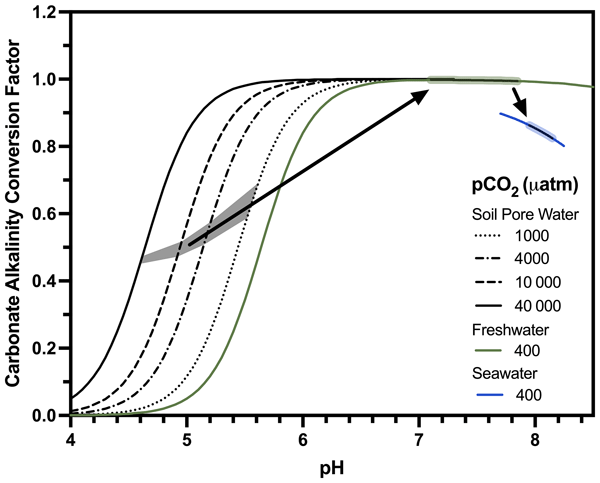
Enhanced rock weathering involves spreading ground silicate rock on farmland to remove atmospheric CO₂ as the rock dissolves. Soil samples taken five years after Greenlandic glacial rock flour was applied to a Danish field showed that over half the applied material had dissolved, yet the increase in soil organic carbon was substantially greater than the estimated inorganic carbon uptake through weathering. This highlights the importance of considering both pathways when assessing climate impact.
Sparkle L. Malone, Jaclyn H. Matthes, Cove S. Sturtevant, Angel Chen, Roisin Commane, Kyle B. Delwiche, Ankur R. Desai, Christopher R. Florian, Jonathan D. Gewirtzman, Samuel A. Jurado, David E. Reed, Jinshu Chi, Hiroki Iwata, Erik J. Lundin, Ivan Mammarella, Matthias Peichl, Masahito Ueyama, and Camilo Rey-Sanchez
Earth Syst. Sci. Data Discuss., https://doi.org/10.5194/essd-2026-413, https://doi.org/10.5194/essd-2026-413, 2026
Preprint under review for ESSD
Short summary
Short summary
We created the first continent-wide dataset to test the gradient flux method, which estimates how gases move between ecosystems and the atmosphere. This approach can provide reliable results when sensors are placed under favorable conditions, especially for shorter, less complex vegetation. The dataset will help improve future monitoring and support a better understanding of ecosystem responses to environmental change.
Saverio Mancino, Anna Sblano, Francesco Paolo Lovergine, Vincenzo Massimi, Tushar Sethi, Domenico Capolongo, and Giuseppe Amatulli
Earth Syst. Sci. Data, 18, 4697–4723, https://doi.org/10.5194/essd-18-4697-2026, https://doi.org/10.5194/essd-18-4697-2026, 2026
Short summary
Short summary
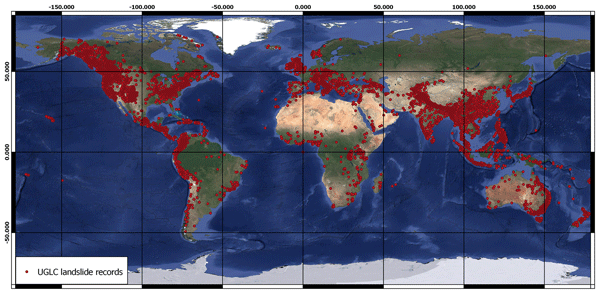
Landslides can cause loss of life and damage to communities. This study presents a global catalogue of more than one million events collected from many open sources between 1700 and 2023. The data were organised into a consistent structure to make them easier to explore and compare. The catalogue can support large-scale analyses and help improve understanding of where and when landslides occur.
Yumi Abe, Takamitsu Ito, Amanda H. V. Timmerman, Christopher T. Reinhard, and Joseph P. Montoya
Biogeosciences, 23, 3871–3885, https://doi.org/10.5194/bg-23-3871-2026, https://doi.org/10.5194/bg-23-3871-2026, 2026
Short summary
Short summary
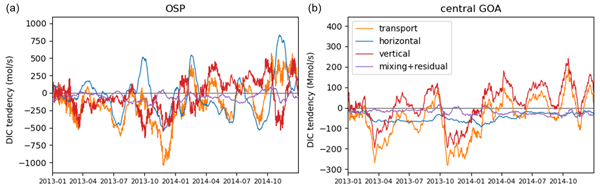
Marine heatwaves are defined by periods of unusually high sea temperature. Although warmer seawater usually reduces the ocean’s ability to absorb carbon dioxide, observations in the Gulf of Alaska showed a surprising drop in carbon dioxide during the 2014–2015 “Blob” heatwave. Using an ocean biogeochemical model, we found that this decline resulted from reduced dissolved inorganic carbon caused by weakened physical supply in winter 2013, just before the Blob began.
Mengze Li, Robert B. Jackson, Marielle Saunois, Philippe Ciais, Ben Poulter, Josep G. Canadell, Prabir K. Patra, Hanqin Tian, Zhen Zhang, Etienne Fluet-Chouinard, Zutao Ouyang, Ting Zhang, David J. Beerling, Dmitry A. Belikov, Philippe Bousquet, Danilo Custodio, Naveen Chandra, Xinyu Dou, Nicola Gedney, Peter O. Hopcroft, Alison M. Hoyt, Kazuhito Ichii, Akihito Ito, Atul K. Jain, Katherine Jensen, Fortunat Joos, Thomas Kleinen, Masayuki Kondo, Fa Li, Tingting Li, Xiangyu Liu, Shamil Maksyutov, Avni Malhotra, Adrien Martinez, Kyle McDonald, Joe R. Melton, Jurek Müller, Yosuke Niwa, Shufen Pan, Shushi Peng, Changhui Peng, Zhangcai Qin, Peter Raymond, William Riley, Arjo Segers, Rona L. Thompson, Aki Tsuruta, Yi Xi, Kunxiaojia Yuan, Wenxin Zhang, Bo Zheng, Qing Zhu, Qiuan Zhu, and Qianlai Zhuang
Earth Syst. Sci. Data, 18, 3507–3524, https://doi.org/10.5194/essd-18-3507-2026, https://doi.org/10.5194/essd-18-3507-2026, 2026
Short summary
Short summary
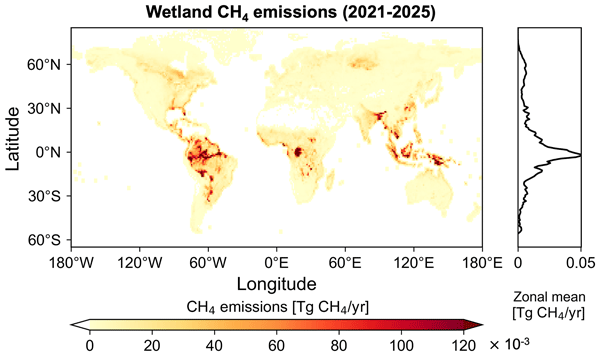
We proposed a framework that combines machine-learning and climate data to predict global natural vegetated wetland methane emissions for 2000–2025. We found that although total global emissions remained stable in the post-2020s, Northern Hemisphere emissions surged whilst tropical emissions fell. This approach allows us to rapidly monitor emissions and provides early warnings for climate impacts.
Arthur Vienne, Patrick Frings, Jet Rijnders, Lucilla Boito, Jens Hartmann, Harun Niron, Reinaldy Poetra, Miguel Portillo Estrada, Tom Reershemius, Laura Steinwidder, Tim Jesper Suhrhoff, and Sara Vicca
SOIL, 12, 421–440, https://doi.org/10.5194/soil-12-421-2026, https://doi.org/10.5194/soil-12-421-2026, 2026
Short summary
Short summary
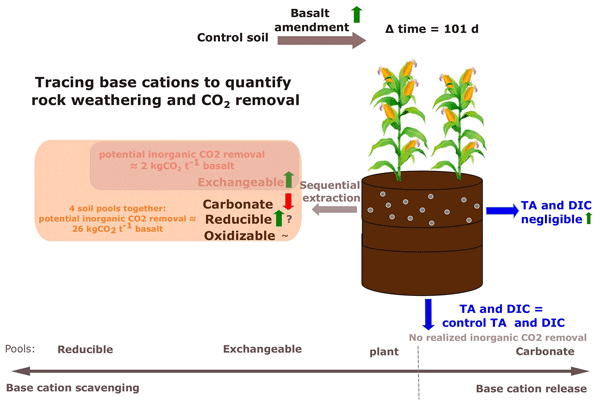
Our study explores Enhanced Weathering (EW) using basalt rock dust to combat climate change. We treated maize-planted mesocosms with varying basalt amounts and monitored them for 101 d. Surprisingly, we found no significant realized inorganic CO2 removal. However, rock weathering was evident through increased exchangeable bases. While inorganic CO2 removal was not realized within this experiment, basalt amendment may enhance soil health and potentially long-term carbon sequestration.
Jelle Bijma, Mathilde Hagens, Jens S. Hammes, Noah Planavsky, Philip A. E. Pogge von Strandmann, Tom Reershemius, Christopher T. Reinhard, Phil Renforth, Tim J. Suhrhoff, Sara Vicca, Arthur Vienne, and Dieter Wolf-Gladrow
Biogeosciences, 23, 53–75, https://doi.org/10.5194/bg-23-53-2026, https://doi.org/10.5194/bg-23-53-2026, 2026
Short summary
Short summary
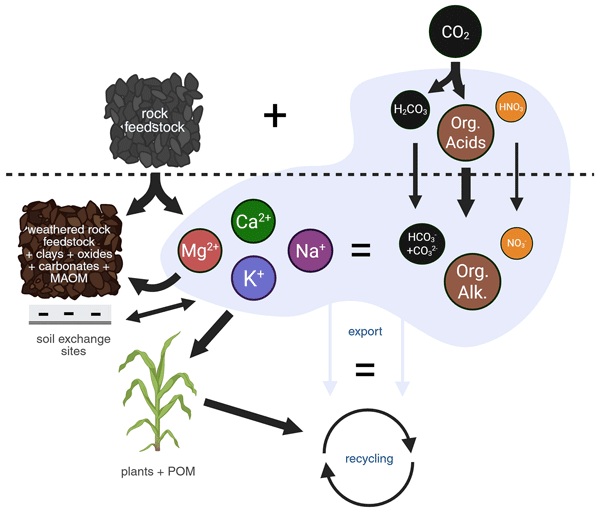
Enhanced rock weathering is a nature based negative emission technology, that permanently stores CO2. It requires rock-flour to be added to arable land with the help of farmers. To be eligible for carbon credits calls for a simple but scientifically solid, so called, Monitoring, Reporting & Verification” (MRV). We demonstrate that the commonly used carbon-based accounting is ill-suited to close the balance in open systems such as arable land, and argue for cation-based accounting strategy.
Yoshiki Kanzaki and Christopher T. Reinhard
EGUsphere, https://doi.org/10.5194/egusphere-2025-4035, https://doi.org/10.5194/egusphere-2025-4035, 2025
Short summary
Short summary
The SCEPTER model has been recently developed for simulating elemental cycles in managed lands, especially soil acidity management and carbon sequestration via enhanced weathering. This paper demonstrates that the performance of SCEPTER is essentially identical to other soil hydrological and reactive transport codes through benchmark experiments. We also discussed the emerging need for a benchmarking protocol fit for the purpose of predictive modeling of soil pH management in agricultural lands.
Marielle Saunois, Adrien Martinez, Benjamin Poulter, Zhen Zhang, Peter A. Raymond, Pierre Regnier, Josep G. Canadell, Robert B. Jackson, Prabir K. Patra, Philippe Bousquet, Philippe Ciais, Edward J. Dlugokencky, Xin Lan, George H. Allen, David Bastviken, David J. Beerling, Dmitry A. Belikov, Donald R. Blake, Simona Castaldi, Monica Crippa, Bridget R. Deemer, Fraser Dennison, Giuseppe Etiope, Nicola Gedney, Lena Höglund-Isaksson, Meredith A. Holgerson, Peter O. Hopcroft, Gustaf Hugelius, Akihiko Ito, Atul K. Jain, Rajesh Janardanan, Matthew S. Johnson, Thomas Kleinen, Paul B. Krummel, Ronny Lauerwald, Tingting Li, Xiangyu Liu, Kyle C. McDonald, Joe R. Melton, Jens Mühle, Jurek Müller, Fabiola Murguia-Flores, Yosuke Niwa, Sergio Noce, Shufen Pan, Robert J. Parker, Changhui Peng, Michel Ramonet, William J. Riley, Gerard Rocher-Ros, Judith A. Rosentreter, Motoki Sasakawa, Arjo Segers, Steven J. Smith, Emily H. Stanley, Joël Thanwerdas, Hanqin Tian, Aki Tsuruta, Francesco N. Tubiello, Thomas S. Weber, Guido R. van der Werf, Douglas E. J. Worthy, Yi Xi, Yukio Yoshida, Wenxin Zhang, Bo Zheng, Qing Zhu, Qiuan Zhu, and Qianlai Zhuang
Earth Syst. Sci. Data, 17, 1873–1958, https://doi.org/10.5194/essd-17-1873-2025, https://doi.org/10.5194/essd-17-1873-2025, 2025
Short summary
Short summary
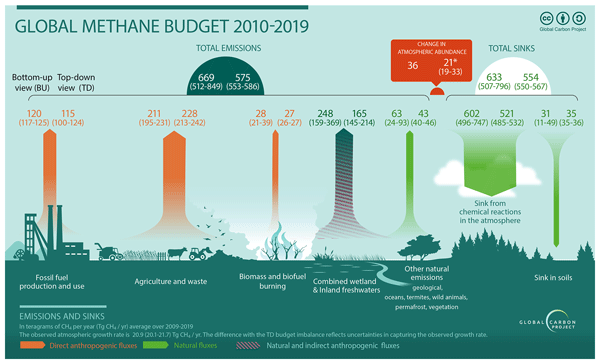
Methane (CH4) is the second most important human-influenced greenhouse gas in terms of climate forcing after carbon dioxide (CO2). A consortium of multi-disciplinary scientists synthesise and update the budget of the sources and sinks of CH4. This edition benefits from important progress in estimating emissions from lakes and ponds, reservoirs, and streams and rivers. For the 2010s decade, global CH4 emissions are estimated at 575 Tg CH4 yr-1, including ~65 % from anthropogenic sources.

Hanqin Tian, Naiqing Pan, Rona L. Thompson, Josep G. Canadell, Parvadha Suntharalingam, Pierre Regnier, Eric A. Davidson, Michael Prather, Philippe Ciais, Marilena Muntean, Shufen Pan, Wilfried Winiwarter, Sönke Zaehle, Feng Zhou, Robert B. Jackson, Hermann W. Bange, Sarah Berthet, Zihao Bian, Daniele Bianchi, Alexander F. Bouwman, Erik T. Buitenhuis, Geoffrey Dutton, Minpeng Hu, Akihiko Ito, Atul K. Jain, Aurich Jeltsch-Thömmes, Fortunat Joos, Sian Kou-Giesbrecht, Paul B. Krummel, Xin Lan, Angela Landolfi, Ronny Lauerwald, Ya Li, Chaoqun Lu, Taylor Maavara, Manfredi Manizza, Dylan B. Millet, Jens Mühle, Prabir K. Patra, Glen P. Peters, Xiaoyu Qin, Peter Raymond, Laure Resplandy, Judith A. Rosentreter, Hao Shi, Qing Sun, Daniele Tonina, Francesco N. Tubiello, Guido R. van der Werf, Nicolas Vuichard, Junjie Wang, Kelley C. Wells, Luke M. Western, Chris Wilson, Jia Yang, Yuanzhi Yao, Yongfa You, and Qing Zhu
Earth Syst. Sci. Data, 16, 2543–2604, https://doi.org/10.5194/essd-16-2543-2024, https://doi.org/10.5194/essd-16-2543-2024, 2024
Short summary
Short summary
Atmospheric concentrations of nitrous oxide (N2O), a greenhouse gas 273 times more potent than carbon dioxide, have increased by 25 % since the preindustrial period, with the highest observed growth rate in 2020 and 2021. This rapid growth rate has primarily been due to a 40 % increase in anthropogenic emissions since 1980. Observed atmospheric N2O concentrations in recent years have exceeded the worst-case climate scenario, underscoring the importance of reducing anthropogenic N2O emissions.
Yoshiki Kanzaki, Isabella Chiaravalloti, Shuang Zhang, Noah J. Planavsky, and Christopher T. Reinhard
Geosci. Model Dev., 17, 4515–4532, https://doi.org/10.5194/gmd-17-4515-2024, https://doi.org/10.5194/gmd-17-4515-2024, 2024
Short summary
Short summary
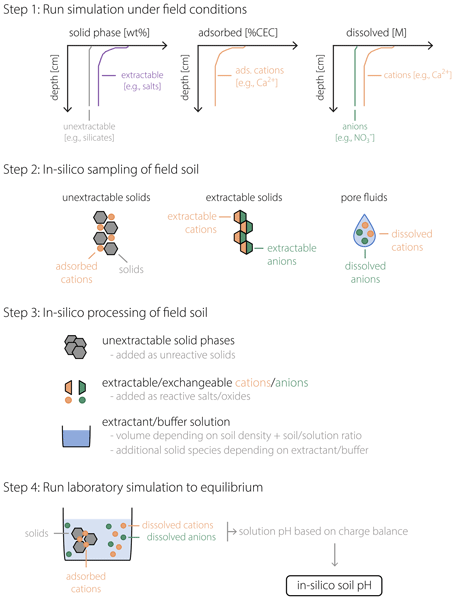
Soil pH is one of the most commonly measured agronomical and biogeochemical indices, mostly reflecting exchangeable acidity. Explicit simulation of both porewater and bulk soil pH is thus crucial to the accurate evaluation of alkalinity required to counteract soil acidification and the resulting capture of anthropogenic carbon dioxide through the enhanced weathering technique. This has been enabled by the updated reactive–transport SCEPTER code and newly developed framework to simulate soil pH.
Maria Val Martin, Elena Blanc-Betes, Ka Ming Fung, Euripides P. Kantzas, Ilsa B. Kantola, Isabella Chiaravalloti, Lyla L. Taylor, Louisa K. Emmons, William R. Wieder, Noah J. Planavsky, Michael D. Masters, Evan H. DeLucia, Amos P. K. Tai, and David J. Beerling
Geosci. Model Dev., 16, 5783–5801, https://doi.org/10.5194/gmd-16-5783-2023, https://doi.org/10.5194/gmd-16-5783-2023, 2023
Short summary
Short summary
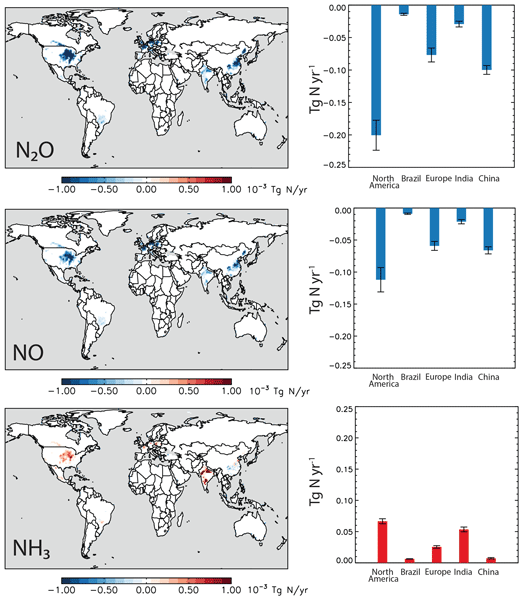
Enhanced rock weathering (ERW) is a CO2 removal strategy that involves applying crushed rocks (e.g., basalt) to agricultural soils. However, unintended processes within the N cycle due to soil pH changes may affect the climate benefits of C sequestration. ERW could drive changes in soil emissions of non-CO2 GHGs (N2O) and trace gases (NO and NH3) that may affect air quality. We present a new improved N cycling scheme for the land model (CLM5) to evaluate ERW effects on soil gas N emissions.
Kristen Chiama, Morgan Gabor, Isabella Lupini, Randolph Rutledge, Julia Ann Nord, Shuang Zhang, Asmaa Boujibar, Emma S. Bullock, Michael J. Walter, Kerstin Lehnert, Frank Spear, Shaunna M. Morrison, and Robert M. Hazen
Earth Syst. Sci. Data, 15, 4235–4259, https://doi.org/10.5194/essd-15-4235-2023, https://doi.org/10.5194/essd-15-4235-2023, 2023
Short summary
Short summary
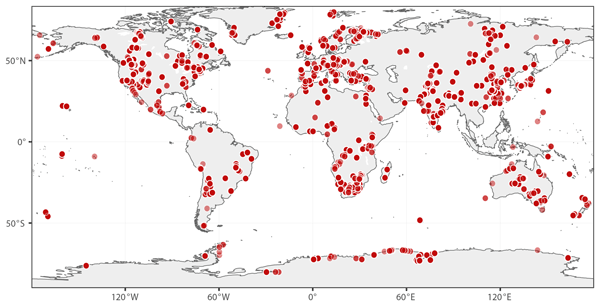
We compiled 95 650 garnet sample analyses from a variety of sources, ranging from large data repositories to peer-reviewed literature. Garnets are commonly used as indicators of geological formation environments and are an ideal subject for the creation of an extensive dataset incorporating composition, localities, formation, age, temperature, pressure, and geochemistry. This dataset is available in the Evolutionary System of Mineralogy Database and paves the way for future geochemical studies.
Kazumi Ozaki, Devon B. Cole, Christopher T. Reinhard, and Eiichi Tajika
Geosci. Model Dev., 15, 7593–7639, https://doi.org/10.5194/gmd-15-7593-2022, https://doi.org/10.5194/gmd-15-7593-2022, 2022
Short summary
Short summary
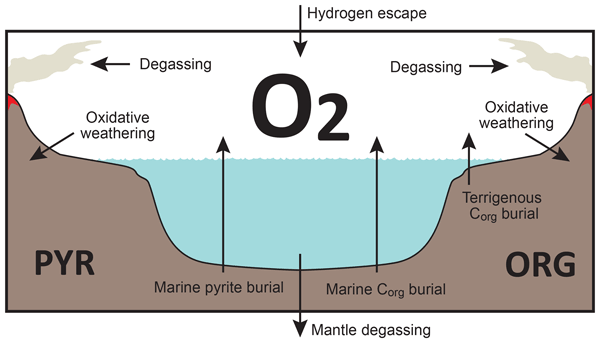
A new biogeochemical model (CANOPS-GRB v1.0) for assessing the redox stability and dynamics of the ocean–atmosphere system on geologic timescales has been developed. In this paper, we present a full description of the model and its performance. CANOPS-GRB is a useful tool for understanding the factors regulating atmospheric O2 level and has the potential to greatly refine our current understanding of Earth's oxygenation history.
Giuseppe Amatulli, Jaime Garcia Marquez, Tushar Sethi, Jens Kiesel, Afroditi Grigoropoulou, Maria M. Üblacker, Longzhu Q. Shen, and Sami Domisch
Earth Syst. Sci. Data, 14, 4525–4550, https://doi.org/10.5194/essd-14-4525-2022, https://doi.org/10.5194/essd-14-4525-2022, 2022
Short summary
Short summary
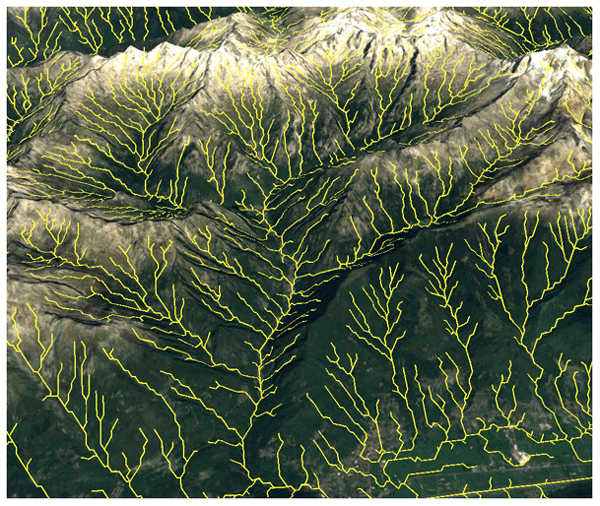
Streams and rivers drive several processes in hydrology, geomorphology, geography, and ecology. A hydrographic network that accurately delineates streams and rivers, along with their topographic and topological properties, is needed for environmental applications. Using the MERIT Hydro Digital Elevation Model at 90 m resolution, we derived a globally seamless, standardised hydrographic network: Hydrography90m. The validation demonstrates improved accuracy compared to other datasets.

Yoshiki Kanzaki, Shuang Zhang, Noah J. Planavsky, and Christopher T. Reinhard
Geosci. Model Dev., 15, 4959–4990, https://doi.org/10.5194/gmd-15-4959-2022, https://doi.org/10.5194/gmd-15-4959-2022, 2022
Short summary
Short summary
Increasing carbon dioxide in the atmosphere is an urgent issue in the coming century. Enhanced rock weathering in soils can be one of the most efficient C capture strategies. On the basis as a weathering simulator, the newly developed SCEPTER model implements bio-mixing by fauna/humans and enables organic matter and crushed rocks/minerals at the soil surface with an option to track their particle size distributions. Those features can be useful for evaluating the carbon capture efficiency.
Holger Virro, Giuseppe Amatulli, Alexander Kmoch, Longzhu Shen, and Evelyn Uuemaa
Earth Syst. Sci. Data, 13, 5483–5507, https://doi.org/10.5194/essd-13-5483-2021, https://doi.org/10.5194/essd-13-5483-2021, 2021
Short summary
Short summary
Water quality modeling is essential for understanding and mitigating water quality deterioration in river networks due to agricultural and industrial pollution. Improving the availability and usability of open data is vital to support global water quality modeling efforts. The GRQA extends the spatial and temporal coverage of previously available water quality data and provides a reproducible workflow for combining multi-source water quality datasets.
Cited articles
Agegnehu, G., Amede, T., Erkossa, T., Yirga, C., Henry, C., Tyler, R., Nosworthy, M. G., Beyene, S., and Sileshi, G. W.: Extent and management of acid soils for sustainable crop production system in the tropical agroecosystems: A review, Acta Agr. Scand. B-S. P., 71, 852–869, https://doi.org/10.1080/09064710.2021.1954239, 2021.
Altmann, A., Toloşi, L., Sander, O., and Lengauer, T.: Permutation importance: a corrected feature importance measure, Bioinformatics, 26, 1340–1347, 2010.
Annan, K., Fausti, S. W., Van der Sluis, E., and Kolady, D. E.: Corn Acreage Intensification Levels in US Corn Belt States, J. Agric. Appl. Econ., 56, 353–372, 2024.
Bache, B. W.: The Acidification of Soils, in: Effects of Acid Precipitation on Terrestrial Ecosystems, edited by: Hutchinson, T. C. and Havas, M., NATO Conference Series, vol 4. Springer, Boston, MA, https://doi.org/10.1007/978-1-4613-3033-2_17, 1980.
Beerling, D. J., Kantzas, E. P., Lomas, M. R., Wade, P., Eufrasio, R. M., Renforth, P., Sarkar, B., Andrews, M. G., James, R. H., Pearce, C. R., Mercure, J.-F., Pollitt, H., Holden, P. B., Edwards, N. R., Khanna, M., Koh, L., Quegan, S., Pidgeon, N. F., Janssens, I. A., and Banwart, S. A.: Potential for large-scale CO2 removal via enhanced rock weathering with croplands, Nature, 583, https://doi.org/10.1038/s41586-020-2448-9, 2020.
Börker, J., Hartmann, J., Amann, T., and Romero‐Mujalli, G.: Terrestrial Sediments of the Earth: Development of a Global Unconsolidated Sediments Map Database (GUM), Geochem. Geophy. Geosy., 19, 997–1021, https://doi.org/10.1002/2017GC007273, 2018.
Breiman, L.: Random forests, Mach. Learn., 45, 5–32, 2001.
Brunelle, T., Dumas, P., Souty, F., Dorin, B., and Nadaud, F.: Evaluating the impact of rising fertilizer prices on crop yields, Agr. Econ., 46, 653–666, 2015.
Burdett, H. and Wellen, C.: Statistical and machine learning methods for crop yield prediction in the context of precision agriculture, Precis. Agric., 23, 1553–1574, https://doi.org/10.1007/s11119-022-09897-0, 2022.
Falcone, J. A.: Estimates of county-level nitrogen and phosphorus from fertilizer and manure from 1950 through 2017 in the conterminous United States, USGS Open-File Report, https://doi.org/10.3133/ofr20201153, 2021.
Fageria, N. K. and Baligar, V. C.: Ameliorating soil acidity of tropical Oxisols by liming for sustainable crop production, Adv. Agron., 99, 345–399, https://doi.org/10.1016/S0065-2113(08)00407-0, 2008.
Gaillardet, J., Dupré, B., Louvat, P., and Allègre, C. J.: Global silicate weathering and CO2 consumption rates deduced from the chemistry of large rivers, Chem. Geol., 159, 3–30, https://doi.org/10.1016/S0009-2541(99)00031-5, 1999.
Goulding, K. W. T.: Soil acidification and the importance of liming agricultural soils with particular reference to the United Kingdom, Soil Use Manage., 32, 390–399, https://doi.org/10.1111/sum.12270, 2016.
Green, T. R., Kipka, H., David, O., and McMaster, G. S.: Where is the USA Corn Belt, and how is it changing?, Sci. Total Environ., 618, 1613–1618, 2018.
Guo, J. H., Liu, X. J., Zhang, Y., Shen, J. L., Han, W. X., Zhang, W. F., Christie, P., Goulding, K. W. T., Vitousek, P. M., and Zhang, F. S.: Significant acidification in major Chinese croplands, Science, 327, 1008–1010, https://doi.org/10.1126/science.1182570, 2010.
Haines, M., Fishback, P., and Rhode, P.: United States Agriculture Data, 1840–2012, Inter-university Consortium for Political and Social Research, https://doi.org/10.3886/ICPSR35206.v4, 2018.
Han, T., Cai, A., Liu, K., Huang, J., Wang, B., Li, D., Qaswar, M., Feng, G., and Zhang, H.: The links between potassium availability and soil exchangeable calcium, magnesium, and aluminum are mediated by lime in acidic soil, J. Soils Sediments, 19, 1382–1392, https://doi.org/10.1007/s11368-018-2145-6, 2019.
Hartmann, J. and Moosdorf, N.: The new global lithological map database GLiM: A representation of rock properties at the Earth surface, Geochem. Geophy. Geosy., 13, Q12004, https://doi.org/10.1029/2012GC004370, 2012.
Hengl, T., Consoli, D., Tian, X., Nauman, T. W., Nussbaum, M., Isik, M. S., Parente, L., Ho, Y.-F., Simoes, R., Gupta, S., Samuel-Rosa, A., Zborowski Horst, T., Safanelli, J. L., and Harris, N.: OpenLandMap-soildb: global soil information at 30 m spatial resolution for 2000–2022+ based on spatiotemporal Machine Learning and harmonized legacy soil samples and observations, Earth Syst. Sci. Data, 18, 989–1036, https://doi.org/10.5194/essd-18-989-2026, 2026.
Hoffmeister, H. A.: Alkali problem of western United States, Econ. Geogr., 23, 1–9, 1947.
Hooda, P. S. and Alloway, B. J.: The effect of liming on heavy metal concentrations in wheat, carrots and spinach grown on previously sludge-applied soils, J. Agr. Sci., 127, 289–294, https://doi.org/10.1017/S0021859600078448, 1996.
Jeong, J. H., Resop, J. P., Mueller, N. D., Fleisher, D. H., Yun, K., Butler, E. E., Timlin, D. J., Shim, K.-M., Gerber, J. S., Reddy, V. R., and Kim, S.-H.: Random Forests for global and regional crop yield predictions, PLoS ONE, 11, e0156571, https://doi.org/10.1371/journal.pone.0156571, 2016.
Johnston, J. F. W.: On the use of lime in agriculture, William Blackwood and Sons, Edinburgh and London, https://www.survivorlibrary.com/library/on_the_use_of_lime_in_agriculture_1849.pdf (last access: 2 November 2026), 1849.
Kanzaki, Y., Planavsky, N., Zhang, S., Jordan, J., Suhrhoff, T. J., and Reinhard, C. T.: Soil cation storage as a key control on the timescales of carbon dioxide removal through enhanced weathering, Authorea Preprints, https://doi.org/10.1088/1748-9326/ade0d5, 2024.
Khaliq, M. A., Tarin, M. W. K., Jingxia, G., Yanhui, C., and Guo, W.: Soil liming effects on CH4, N2O emission and Cd, Pb accumulation in upland and paddy rice, Environ. Pollut., 248, 408–420, 2019.
Liu, Z., Dreybrodt, W., and Liu, H.: Atmospheric CO2 sink: Silicate weathering or carbonate weathering?, Appl. Geochem., 26, S292–S294, https://doi.org/10.1016/j.apgeochem.2011.03.085, 2011.
Mallarino, A., Pagani, A., and Sawyer, J.: Corn and soybean response to soil pH level and liming, Iowa State Univ. Ext., https://dr.lib.iastate.edu/handle/20.500.12876/43941 (last access: 2 November 2026), 2011.
Mehring, A. L., Adams, J. R., and Jacob, K. D.: Statistics on fertilizers and liming materials in the United States, USDA Soil and Water Conservation Research Branch, Bulletin No. 191, https://esmis.nal.usda.gov/sites/default/release-files/k930bx03n/4q77fv50w/bn999b01q/fertstat_Statistics_on_Fertilizers_and_Liming_Materials__1880-1955.pdf (last access: 2 November 2026), 1957.
Napton, D. E., Auch, R. F., Headley, R., and Taylor, J. L.: Land changes and their driving forces in the Southeastern United States, Reg. Environ. Change, 10, 37–53, 2010.
Nyatsanga, T. and Pierre, W. H.: Effect of nitrogen fixation by legumes on soil acidity, Agron. J., 65, 936–940, 1973.
Nyborg, M. and Hoyt, P. B.: Effects of soil acidity and liming on mineralization of soil nitrogen, Can. J. Soil Sci., 58, 331–338, 1978.
Oh, N. and Raymond, P. A.: Contribution of agricultural liming to riverine bicarbonate export and CO2 sequestration in the Ohio River basin, Global Biogeochem. Cy., 20, https://doi.org/10.1029/2005GB002565, 2006.
Pagani, A. and Mallarino, A. P.: Soil pH and crop grain yield as affected by the source and rate of lime, Soil Sci. Soc. Am. J., 76, 1877–1886, https://doi.org/10.2136/sssaj2012.0119, 2012.
Pedregosa, F., Varoquaux, G., Gramfort, A., Michel, V., Thirion, B., Grisel, O., Blondel, M., Prettenhofer, P., Weiss, R., Dubourg, V., Vanderplas, J., Passos, A., Cournapeau, D., Brucher, M., Perrot, M., and Duchesnay, É.: Scikit-learn: Machine learning in Python, J. Mach. Learn. Res., 12, 2825–2830, 2011.
Plummer, L. N. and Wigley, T. M. L.: The dissolution of calcite in CO2-saturated solutions at 25 °C and 1 atmosphere total pressure, Geochim. Cosmochim. Ac., 40, 191–202, 1976.
Prestemon, J. P. and Abt, R. C.: Southern forest resource assessment highlights: The southern timber market to 2040, J. For., 100, 16–22, 2002.
Raymond, P., Planavsky, N., and Reinhard, C. T.: Using carbonates for carbon removal, Nature Water, 3, 844–847, 2025.
Rissing, A., Burchfield, E. K., Spangler, K. A., and Schumacher, B. L.: Implications of US agricultural data practices for sustainable food systems research, Nature Food, 4, 213–217, 2023.
Ross, G. J., Lawton, K., and Ellis, B. G.: Lime requirement related to physical and chemical properties of nine Michigan soils, Soil Sci. Soc. Am. J., 28, 209–212, 1964.
Semhi, K., Amiotte Suchet, P., Clauer, N., and Probst, J.-L.: Impact of nitrogen fertilizers on the natural weathering-erosion processes and fluvial transport in the Garonne basin, Appl. Geochem., 15, 865–878, https://doi.org/10.1016/S0883-2927(99)00076-1, 2000.
Shaaban, M., Wu, Y., Wu, L., Hu, R., Younas, A., Nunez-Delgado, A., Xu, P., Sun, Z., Lin, S., Xu, X., and Jiang, Y.: The effects of pH change through liming on soil N2O emissions, Processes, 8, 702, https://doi.org/10.3390/pr8060702, 2020.
Shen, L. Q., Amatulli, G., Sethi, T., Raymond, P., and Domisch, S.: Estimating nitrogen and phosphorus concentrations in streams and rivers, within a machine learning framework, Sci. Data, 7, 161, https://doi.org/10.1038/s41597-020-0478-7, 2020.
Siqueira, R. G., Moquedace, C. M., Fernandes-Filho, E. I., Schaefer, C. E. G. R., Francelino, M. R., Sacramento, I. F., and Michel, R. F. M.: Modelling and prediction of major soil chemical properties with Random Forest: Machine learning as a tool to understand soil-environment relationships in Antarctica, Catena, 235, 107677, https://doi.org/10.1016/j.catena.2023.107677, 2024.
Slessarev, E. W., Lin, Y., Bingham, N. L., Johnson, J. E., Dai, Y., Schimel, J. P., and Chadwick, O. A.: Water balance creates a threshold in soil pH at the global scale, Nature, 540, 567–569, 2016.
Smil, V.: Enriching the Earth: Fritz Haber, Carl Bosch, and the transformation of world food production, MIT Press, Cambridge, MA, https://doi.org/10.7551/mitpress/2767.001.0001, 2004.
Solly, E. F., Weber, V., Zimmermann, S., Walthert, L., Hagedorn, F., and Schmidt, M. W. I.: A critical evaluation of the relationship between the effective cation exchange capacity and soil organic carbon content in Swiss forest soils, Front. For. Glob. Change, 3, https://doi.org/10.3389/ffgc.2020.00098, 2020.
Tennant, S.: On different sorts of lime used in agriculture, Philos. Mag., 5, 209–216, 1799.
Thai, S., Somenahally, A., Robatjazi, J., Bokati, L., Talchabhadel, R., and Kumar, S.: Mapping soil pH baselines, trends, and time-to-critical crop risk using harmonized legacy datasets: A large-scale assessment, J. Environ. Manage., 404, 129508, https://doi.org/10.1016/j.jenvman.2026.129508, 2026.
Tsao, S. S.-E.: Code for “A spatially explicit dataset of agriculture liming across the contiguous United States” (Version ESSD_publication), Zenodo [computer software], https://doi.org/10.5281/zenodo.23774097, 2026.
Tsao, S. S.-E., Suhrhoff, T. J., Amatulli, G., and Raymond, P.: Agricultural lime application across the contiguous United States, 1930–1987, Zenodo [data set], https://doi.org/10.5281/zenodo.15758274, 2026
Ulrich, B.: Natural and anthropogenic components of soil acidification, Z. Pflanz. Bodenkunde, 149, 702–717, https://doi.org/10.1002/jpln.19861490607, 1986.
U.S. Bureau of Mines: Mineral Resources of the United States, U.S. Department of the Interior, Bureau of Mines, Washington, DC, https://catalog.hathitrust.org/Record/006206688 (last access: 2 November 2026), 1927–1996.
U.S. Bureau of the Census: Census of Agriculture: 1954, U.S. Govt. Print. Off., Washington, D.C., https://www.nass.usda.gov/AgCensus/archive/census_year/1954-census/index.html (last access: 2 November 2026), 1956.
U.S. Bureau of the Census: Census of Agriculture: 1959, U.S. Govt. Print. Off., Washington, D.C., https://www.nass.usda.gov/AgCensus/archive/census_year/1959-census/index.html (last access: 2 November 2026), 1961.
U.S. Bureau of the Census: Census of Agriculture: 1964, U.S. Govt. Print. Off., Washington, D.C., https://www.nass.usda.gov/AgCensus/archive/census_year/1964-census/index.html (last access: 2 November 2026), 1967.
U.S. Bureau of the Census: Census of Agriculture: 1969, U.S. Govt. Print. Off., Washington, D.C., https://www.nass.usda.gov/AgCensus/archive/census_year/1969-census/index.html (last access: 2 November 2026), 1972.
U.S. Bureau of the Census: Census of Agriculture: 1974, U.S. Govt. Print. Off., Washington, D.C., https://www.nass.usda.gov/AgCensus/archive/census_year/1974-census/index.html (last access: 2 November 2026), 1977.
U.S. Bureau of the Census: Census of Agriculture: 1978, U.S. Govt. Print. Off., Washington, D.C., https://www.nass.usda.gov/AgCensus/archive/census_year/1978-census/index.html (last access: 2 November 2026), 1981.
U.S. Bureau of the Census: Census of Agriculture: 1982, U.S. Govt. Print. Off., Washington, D.C., https://www.nass.usda.gov/AgCensus/archive/census_year/1982-census/index.html (last access: 2 November 2026), 1984.
U.S. Bureau of the Census: Census of Agriculture: 1987, U.S. Govt. Print. Off., Washington, D.C., https://www.nass.usda.gov/AgCensus/archive/census_year/1987-census/index.html (last access: 2 November 2026), 1989.
U.S. Geological Survey: Mineral Resources of the United States, U.S. Department of the Interior, U.S. Geological Survey, Washington, D.C., https://pubs.usgs.gov/publication/70175770 (last access: 2 November 2026), 1906–1927.
U.S. Geological Survey: Minerals Yearbook, vol. 1, U.S. Department of the Interior, U.S. Geological Survey, Washington, D.C., https://pubs.usgs.gov/publication/70048194 (last access: 2 November 2026), 1997–2002.
von Uexküll, H. R. and Mutert, E.: Global extent, development and economic impact of acid soils, Plant Soil, 171, 1–15, https://doi.org/10.1007/BF00009558, 1995.
Walkinshaw, M., O'Geen, A. T., and Beaudette, D. E.: Soil Properties, California Soil Resource Lab, https://casoilresource.lawr.ucdavis.edu/soil-properties/ (last access: 2 November 2026), 2023.
Weil, R. R. and Brady, N. C.: The nature and properties of soils, 15th edn., Pearson, ISBN 978-0133254488, 2017.
West, T. O. and McBride, A. C.: The contribution of agricultural lime to carbon dioxide emissions in the United States: Dissolution, transport, and net emissions, Agr. Ecosyst. Environ., 108, 145–154, https://doi.org/10.1016/j.agee.2005.01.002, 2005.
Wieczorek, M. E.: Area and depth-weighted average of soil pH from STATSGO2 for the conterminous United States and District of Columbia, U.S. Geological Survey [data set], https://doi.org/10.5066/P95YOSFQ, 2019.
Woodruff, L. G., Cannon, W. F., Eberl, D. D., Smith, D. B., Kilburn, J. E., Horton, J. D., Garrett, R. G., and Klassen, R. A.: Continental-scale patterns in soil geochemistry and mineralogy: Results from two transects across the United States and Canada, Appl. Geochem., 24, 1369–1381, https://doi.org/10.1016/j.apgeochem.2009.04.009, 2009.
Xu, D., Zhu, Q., Ros, G., Cai, Z., Wen, S., Xu, M., Zhang, F., and de Vries, W.: Calculation of spatially explicit amounts and intervals of agricultural lime applications at county-level in China, Sci. Total Environ., 806, 150955, https://doi.org/10.1016/j.scitotenv.2021.150955, 2022.
Ye, S., Cao, P., and Lu, C.: Annual time-series 1 km maps of crop area and types in the conterminous US (CropAT-US): cropping diversity changes during 1850–2021, Earth Syst. Sci. Data, 16, 3453–3470, https://doi.org/10.5194/essd-16-3453-2024, 2024.
Zeng, S., Liu, Z., and Groves, C.: Large-scale CO2 removal by enhanced carbonate weathering from changes in land-use practices, Earth-Sci. Rev., 225, https://doi.org/10.1016/j.earscirev.2021.103915, 2022.
Zhang, H.-M., Liang, Z., Li, Y., Chen, Z.-X., Zhang, J.-B., Cai, Z.-C., Elsgaard, L., Cheng, Y., van Groenigen, K. J., and Abalos, D.: Liming modifies greenhouse gas fluxes from soils: A meta-analysis of biological drivers, Agr. Ecosyst. Environ., 340, 108182, https://doi.org/10.1016/j.agee.2022.108182, 2022.
Zulauf, C., Schnitkey, G., Paulson, N., and Colussi, J.: Concentration of US crops in corn and soybeans: Importance to increasing US production of grains and oilseeds, Farmdoc Daily, 13, https://farmdocdaily.illinois.edu/2023/09/concentration-of-us-crops-in-corn-and-soybeans-importance-to-increasing-us-production-of-grains-and-oilseeds.html (last access: 2 November 2026), 2023.
Short summary
We created the first detailed map of how much agricultural lime has been used across the United States from 1930 to 1987. Lime helps improve soil health and crop growth. Our dataset shows that how and where lime is used depends on climate, soil, and farming practices. By using machine learning, we found environmental patterns that help explain these differences, and invites future research linking lime use to soil health, farming, and climate.
We created the first detailed map of how much agricultural lime has been used across the United...


Altmetrics
Final-revised paper
Preprint