Articles | Volume 17, issue 12
https://doi.org/10.5194/essd-17-7169-2025
© Author(s) 2025. This work is distributed under
the Creative Commons Attribution 4.0 License.
the Creative Commons Attribution 4.0 License.
https://doi.org/10.5194/essd-17-7169-2025
© Author(s) 2025. This work is distributed under
the Creative Commons Attribution 4.0 License.
the Creative Commons Attribution 4.0 License.
Data description article
| 
15 Dec 2025
Data description article |
| 15 Dec 2025
| 15 Dec 2025
Climatological fields of Southern Ocean interior carbonate system parameters and anthropogenic CO2 reconstructed and integrated from float- and ship-based observations
Wanqin Zhong
Polar and Marine Research Institute, Jimei University, Xiamen 361021, China
Southern Marine Science and Engineering Guangdong Laboratory (Zhuhai), Zhuhai 519082, China
State Key Laboratory of Information Engineering in Surveying, Mapping, and Remote Sensing, Wuhan University, Wuhan 430079, China
Xin Ma
State Key Laboratory of Information Engineering in Surveying, Mapping, and Remote Sensing, Wuhan University, Wuhan 430079, China
Wuhan Institute of Quantum Technology, Wuhan 430079, China
Yingxu Wu
CORRESPONDING AUTHOR

Polar and Marine Research Institute, Jimei University, Xiamen 361021, China
Southern Marine Science and Engineering Guangdong Laboratory (Zhuhai), Zhuhai 519082, China
Chenglong Li
Polar and Marine Research Institute, Jimei University, Xiamen 361021, China
Tianqi Shi
Laboratoire des Sciences du Climat et de l’Environnement/IPSL, CEA, CNRS, UVSQ, Université Paris-Saclay, Gif-sur-Yvette, France
Wei Gong
Wuhan Institute of Quantum Technology, Wuhan 430079, China
Luojia Laboratory, Wuhan University, Wuhan 430079, China
Di Qi
CORRESPONDING AUTHOR
Polar and Marine Research Institute, Jimei University, Xiamen 361021, China
Southern Marine Science and Engineering Guangdong Laboratory (Zhuhai), Zhuhai 519082, China
Related authors
No articles found.
Lei Wang and Xin Ma
Atmos. Chem. Phys., 26, 14185–14203, https://doi.org/10.5194/acp-26-14185-2026, https://doi.org/10.5194/acp-26-14185-2026, 2026
Short summary
Short summary
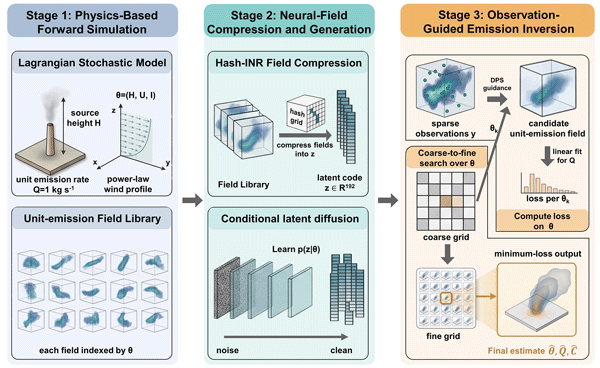
Estimating greenhouse gas emissions from a single source is difficult when only a few air measurements are available. We developed NeuPlume, a method that combines atmospheric simulation with machine learning to estimate the emission rate and its uncertainty. Tests with simulated plumes and drone methane measurements show that it can give more realistic estimates and identify when wind information or flight coverage limits confidence.
Yike Wang, Ge Han, Hongyuan Zhang, Yiyang Huang, Kangjie Zhou, and Wei Gong
EGUsphere, https://doi.org/10.5194/egusphere-2026-3864, https://doi.org/10.5194/egusphere-2026-3864, 2026
Short summary
Short summary
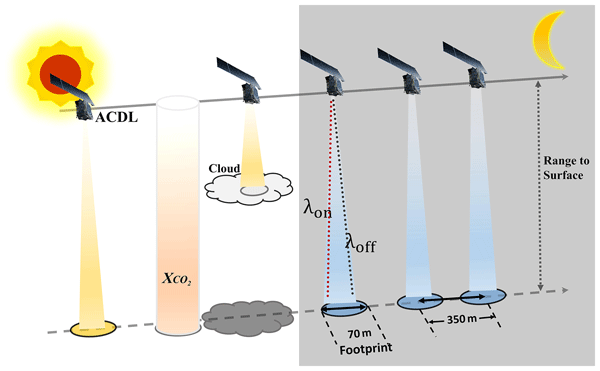
This study developed a unified framework to compare carbon dioxide column observations from the DQ-1 active lidar and from passive optical satellites. The results show that DQ-1 is consistent with mature passive satellite products. It also provides observations where passive measurements are limited, including nighttime, high latitudes, and high-aerosol areas. Overall, DQ-1 can support future carbon dioxide monitoring and emission studies together with passive satellites.
Xinjie Ma, Xiangming Shi, Yingxu Wu, Xiangqi Yi, Biqi Zheng, and Di Qi
EGUsphere, https://doi.org/10.5194/egusphere-2026-3442, https://doi.org/10.5194/egusphere-2026-3442, 2026
Short summary
Short summary
We studied a coastal maricultural bay to reveal the role of sediment CaCO3 dissolution in benthic DIC effluxes and acidification mitigation. In combination of the applications of radioisotopes and stable carbon isotope, we addressed the mechanism that benthic disturbance lowered CaCO3 dissolution. Our study challenges the idea that organic degradation dominates sediment DIC production and presents the processes regulating the sediment CaCO3 dissolution.
Jinchun Yi, Yiyang Huang, Ge Han, Hongyuan Zhang, Zhipeng Pei, Haotian Luo, Yichi Zhang, Tianqi Shi, Siwei Li, and Wei Gong
Atmos. Chem. Phys., 26, 8475–8504, https://doi.org/10.5194/acp-26-8475-2026, https://doi.org/10.5194/acp-26-8475-2026, 2026
Short summary
Short summary
This study presents a new way to estimate human-caused carbon dioxide emissions from cities using satellite observations. It combines measurements of nitrogen dioxide and carbon dioxide to better track emissions from urban areas. By applying this approach to several major cities with different environments, the study shows that combining multiple satellite observations can reduce uncertainty and provide more reliable city-level emission estimates.
Chengyan Liu, Zhaomin Wang, Dake Chen, Xianxian Han, Hengling Leng, Xi Liang, Liangjun Yan, Xiang Li, Craig Stevens, Andrew McC. Hogg, Kazuya Kusahara, Kaihe Yamazaki, Kay I. Ohshima, Meng Zhou, Xiao Cheng, Dongxiao Wang, Changming Dong, Jiping Liu, Qinghua Yang, Xichen Li, Ruibo Lei, Minghu Ding, Zhaoru Zhang, Dujuan Kang, Di Qi, Tongya Liu, Jihai Dong, Lu An, Ru Chen, Tong Zhang, Xiaoming Hu, Bo Han, Haibo Bi, Qi Shu, Longjiang Mu, Shiming Xu, Hu Yang, Hailong Liu, Tingfeng Dou, Zhixuan Feng, Lei Zheng, Xueyuan Tang, Guitao Shi, Yongqing Cai, Bingrui Li, Yang Wu, Xia Lin, Wenjin Sun, Yu Liu, Kai Yu, Yu Zhang, Weizeng Shao, Xiaoyu Wang, Shaojun Zheng, Chengyi Yuan, Chunxia Zhou, Jian Liu, Yang Liu, Yue Xia, Xiaoyu Pan, Jiabao Zeng, Kechen Liu, Jiahao Fan, Chen Cheng, and Qi Li
Geosci. Model Dev., 19, 2985–3033, https://doi.org/10.5194/gmd-19-2985-2026, https://doi.org/10.5194/gmd-19-2985-2026, 2026
Short summary
Short summary
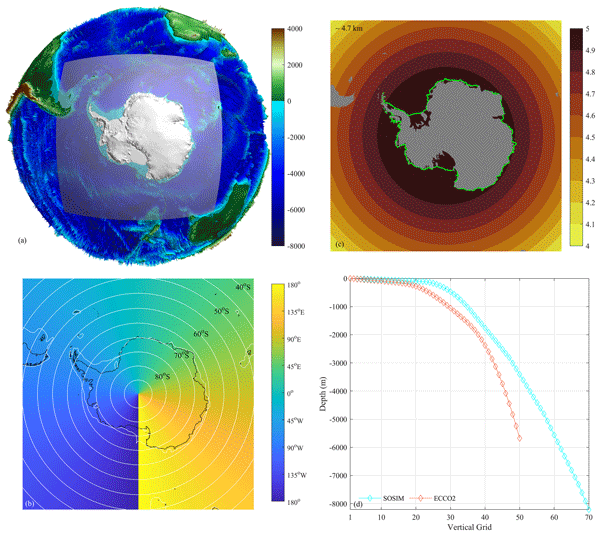
We developed a high-resolution computer model to simulate how the ocean, sea ice, and ice shelves interact around Antarctica. This helps us understand their critical role in global climate and sea-level rise. Our model successfully captures essential features like major currents and seasonal ice changes. Despite some remaining biases, it provides a useful tool for predicting future changes in this vital and rapidly evolving region.
Zhe Tong, Boming Liu, Xin Ma, Jianping Guo, Haowei Zhang, Haoyu Dong, Ge Han, Yingying Ma, and Wei Gong
Earth Syst. Sci. Data Discuss., https://doi.org/10.5194/essd-2026-73, https://doi.org/10.5194/essd-2026-73, 2026
Revised manuscript accepted for ESSD
Short summary
Short summary
Near-surface wind is crucial for weather and wind energy studies. This work uses physically constrained machine learning combined with satellite wind observations to generate a wind speed profile dataset within the global atmospheric boundary layer. The dataset accurately depicts the spatial distribution and variation of global wind speeds with improved accuracy, finer vertical detail, and reduced data gaps, supporting boundary-layer meteorology, climate studies, and wind energy applications.
Boming Liu, Xin Ma, Jianping Guo, Renqiang Wen, Hui Li, Shikuan Jin, Yingying Ma, Xiaoran Guo, and Wei Gong
Atmos. Chem. Phys., 24, 4047–4063, https://doi.org/10.5194/acp-24-4047-2024, https://doi.org/10.5194/acp-24-4047-2024, 2024
Short summary
Short summary
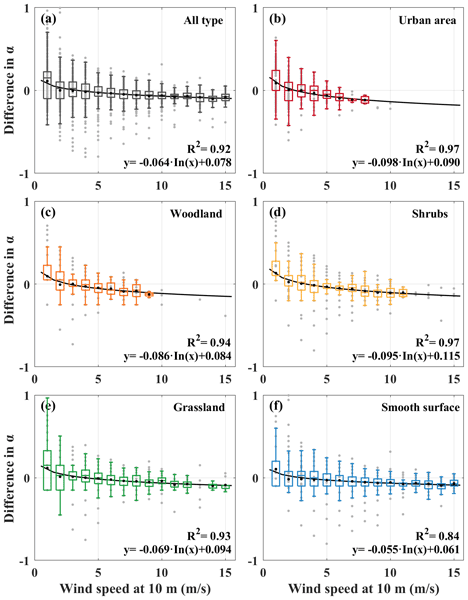
Accurate wind profile estimation, especially for the lowest few hundred meters of the atmosphere, is of great significance for the weather, climate, and renewable energy sector. We propose a novel method that combines the power-law method with the random forest algorithm to extend wind profiles beyond the surface layer. Compared with the traditional algorithm, this method has better stability and spatial applicability and can be used to obtain the wind profiles on different land cover types.
Chuqing Zhang, Yingxu Wu, Peter J. Brown, David Stappard, Amavi N. Silva, and Toby Tyrrell
EGUsphere, https://doi.org/10.5194/egusphere-2023-3143, https://doi.org/10.5194/egusphere-2023-3143, 2024
Preprint archived
Short summary
Short summary
In this study, we found that float-based pCO2 is overall high by systematically comparing ship-based pCO2 with float-based pCO2. This finding partly explains the apparent difference between the carbon fluxes calculated from the float data and other databases. It inspires further examination of the quality of the float pH data and the pCO2 calculation process.
Shikuan Jin, Yingying Ma, Zhongwei Huang, Jianping Huang, Wei Gong, Boming Liu, Weiyan Wang, Ruonan Fan, and Hui Li
Atmos. Chem. Phys., 23, 8187–8210, https://doi.org/10.5194/acp-23-8187-2023, https://doi.org/10.5194/acp-23-8187-2023, 2023
Short summary
Short summary
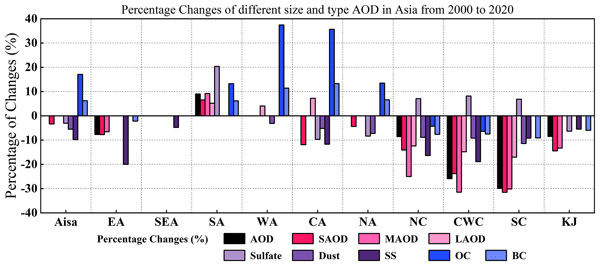
To better understand the Asian aerosol environment, we studied distributions and trends of aerosol with different sizes and types. Over the past 2 decades, dust, sulfate, and sea salt aerosol decreased by 5.51 %, 3.07 %, and 9.80 %, whereas organic carbon and black carbon aerosol increased by 17.09 % and 6.23 %, respectively. The increase in carbonaceous aerosols was a feature of Asia. An exception is found in East Asia, where the carbonaceous aerosols reduced, owing largely to China's efforts.
Boming Liu, Xin Ma, Jianping Guo, Hui Li, Shikuan Jin, Yingying Ma, and Wei Gong
Atmos. Chem. Phys., 23, 3181–3193, https://doi.org/10.5194/acp-23-3181-2023, https://doi.org/10.5194/acp-23-3181-2023, 2023
Short summary
Short summary
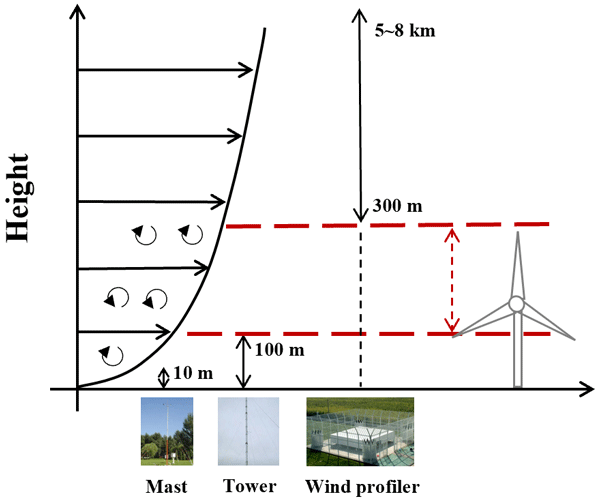
Wind energy is one of the most essential clean and renewable forms of energy in today’s world. However, the traditional power law method generally estimates the hub-height wind speed by assuming a constant exponent between surface and hub-height wind speeds. This inevitably leads to significant uncertainties in estimating the wind speed profile. To minimize the uncertainties, we here use a machine learning algorithm known as random forest to estimate the wind speed at hub height.

Tianqi Shi, Zeyu Han, Ge Han, Xin Ma, Huilin Chen, Truls Andersen, Huiqin Mao, Cuihong Chen, Haowei Zhang, and Wei Gong
Atmos. Chem. Phys., 22, 13881–13896, https://doi.org/10.5194/acp-22-13881-2022, https://doi.org/10.5194/acp-22-13881-2022, 2022
Short summary
Short summary
CH4 works as the second-most important greenhouse gas, its reported emission inventories being far less than CO2. In this study, we developed a self-adjusted model to estimate the CH4 emission rate from strong point sources by the UAV-based AirCore system. This model would reduce the uncertainty in CH4 emission rate quantification accrued by errors in measurements of wind and concentration. Actual measurements on Pniówek coal demonstrate the high accuracy and stability of our developed model.
Shikuan Jin, Yingying Ma, Cheng Chen, Oleg Dubovik, Jin Hong, Boming Liu, and Wei Gong
Atmos. Meas. Tech., 15, 4323–4337, https://doi.org/10.5194/amt-15-4323-2022, https://doi.org/10.5194/amt-15-4323-2022, 2022
Short summary
Short summary
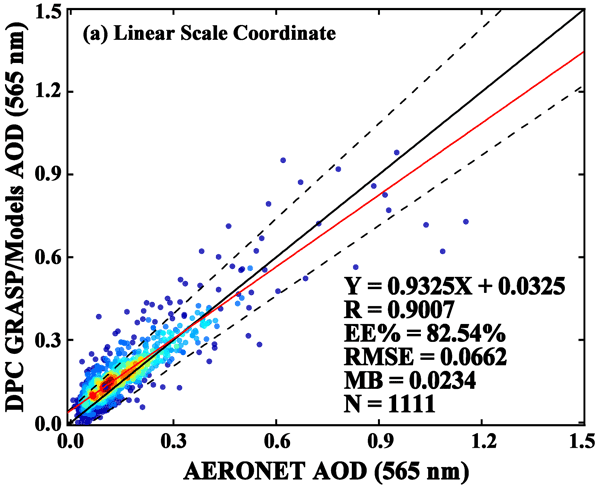
Aerosol parameter retrievals have always been a research focus. In this study, we used an advanced aerosol algorithms (GRASP, developed by Oleg Dubovik) to test the ability of DPC/Gaofen-5 (the first polarized multi-angle payload developed in China) images to obtain aerosol parameters. The results show that DPC/GRASP achieves good results (R > 0.9). This research will contribute to the development of hardware and algorithms for aerosols
Haowei Zhang, Boming Liu, Xin Ma, Ge Han, Qinglin Yang, Yichi Zhang, Tianqi Shi, Jianye Yuan, Wanqi Zhong, Yanran Peng, Jingjing Xu, and Wei Gong
Earth Syst. Sci. Data Discuss., https://doi.org/10.5194/essd-2022-215, https://doi.org/10.5194/essd-2022-215, 2022
Preprint withdrawn
Short summary
Short summary
Obtaining highly accurate and high-resolution spatiotemporal maps of carbon dioxide concentration distributions is crucial for promoting the study of the carbon cycle, and carbon emissions assessed by top-down theory. The official discrete satellite data provided by Gosat-2, OCO-2, and OCO-3 have data voids and relatively low efficiency. Here, we present carbon dioxide cover dataset, an innovative methodology to obtain XCO2 maps of high spatiotemporal resolution by using satellite data.
X. Xia, Z. Zhu, T. Zhang, G. Wei, and Y. Ji
Int. Arch. Photogramm. Remote Sens. Spatial Inf. Sci., XLIII-B3-2022, 545–550, https://doi.org/10.5194/isprs-archives-XLIII-B3-2022-545-2022, https://doi.org/10.5194/isprs-archives-XLIII-B3-2022-545-2022, 2022
Boming Liu, Jianping Guo, Wei Gong, Yong Zhang, Lijuan Shi, Yingying Ma, Jian Li, Xiaoran Guo, Ad Stoffelen, Gerrit de Leeuw, and Xiaofeng Xu
Atmos. Meas. Tech. Discuss., https://doi.org/10.5194/amt-2022-26, https://doi.org/10.5194/amt-2022-26, 2022
Publication in AMT not foreseen
Short summary
Short summary
Aeolus is the first satellite mission to directly observe wind profile information on a global scale. However, Aeolus wind products over China were thus far not evaluated by in-situ comparison. This work is the comparison of wind speed on a large scale between the Aeolus, ERA5 and RS , shedding important light on the data application of Aeolus wind products.

Yingying Ma, Yang Zhu, Boming Liu, Hui Li, Shikuan Jin, Yiqun Zhang, Ruonan Fan, and Wei Gong
Atmos. Chem. Phys., 21, 17003–17016, https://doi.org/10.5194/acp-21-17003-2021, https://doi.org/10.5194/acp-21-17003-2021, 2021
Short summary
Short summary
The vertical distribution of the aerosol extinction coefficient (EC) measured by lidar systems has been used to retrieve the profile of particle matter with a diameter of less than 2.5 μm (PM2.5). However, the traditional linear model cannot consider the influence of multiple meteorological variables sufficiently, which then causes low inversion accuracy. In this study, the machine learning algorithms which can input multiple features are used to solve this constraint.
Cited articles
Asselot, R., Carracedo, L. I., Thierry, V., Mercier, H., Bajon, R., and Pérez, F. F.: Anthropogenic carbon pathways towards the North Atlantic interior revealed by Argo-O2, neural networks and back-calculations, Nature Communications, 15, 1630, https://doi.org/10.1038/s41467-024-46074-5, 2024.
Bakker, D. C. E., Pfeil, B., Landa, C. S., Metzl, N., O'Brien, K. M., Olsen, A., Smith, K., Cosca, C., Harasawa, S., Jones, S. D., Nakaoka, S., Nojiri, Y., Schuster, U., Steinhoff, T., Sweeney, C., Takahashi, T., Tilbrook, B., Wada, C., Wanninkhof, R., Alin, S. R., Balestrini, C. F., Barbero, L., Bates, N. R., Bianchi, A. A., Bonou, F., Boutin, J., Bozec, Y., Burger, E. F., Cai, W.-J., Castle, R. D., Chen, L., Chierici, M., Currie, K., Evans, W., Featherstone, C., Feely, R. A., Fransson, A., Goyet, C., Greenwood, N., Gregor, L., Hankin, S., Hardman-Mountford, N. J., Harlay, J., Hauck, J., Hoppema, M., Humphreys, M. P., Hunt, C. W., Huss, B., Ibánhez, J. S. P., Johannessen, T., Keeling, R., Kitidis, V., Körtzinger, A., Kozyr, A., Krasakopoulou, E., Kuwata, A., Landschützer, P., Lauvset, S. K., Lefèvre, N., Lo Monaco, C., Manke, A., Mathis, J. T., Merlivat, L., Millero, F. J., Monteiro, P. M. S., Munro, D. R., Murata, A., Newberger, T., Omar, A. M., Ono, T., Paterson, K., Pearce, D., Pierrot, D., Robbins, L. L., Saito, S., Salisbury, J., Schlitzer, R., Schneider, B., Schweitzer, R., Sieger, R., Skjelvan, I., Sullivan, K. F., Sutherland, S. C., Sutton, A. J., Tadokoro, K., Telszewski, M., Tuma, M., van Heuven, S. M. A. C., Vandemark, D., Ward, B., Watson, A. J., and Xu, S.: A multi-decade record of high-quality fCO2 data in version 3 of the Surface Ocean CO2 Atlas (SOCAT), Earth Syst. Sci. Data, 8, 383–413, https://doi.org/10.5194/essd-8-383-2016, 2016.
Barth, A., Beckers, J.-M., Troupin, C., Alvera-Azcárate, A., and Vandenbulcke, L.: divand-1.0: n-dimensional variational data analysis for ocean observations, Geosci. Model Dev., 7, 225–241, https://doi.org/10.5194/gmd-7-225-2014, 2014.
Bednaršek, N., Tarling, G. A., Bakker, D. C. E., Fielding, S., Jones, E. M., Venables, H. J., Ward, P., Kuzirian, A., Lézé, B., Feely, R. A., and Murphy, E. J.: Extensive dissolution of live pteropods in the Southern Ocean, Nature Geoscience, 5, 881–885, https://doi.org/10.1038/ngeo1635, 2012.
Bittig, H. C., Steinhoff, T., Claustre, H., Fiedler, B., Williams, N. L., Sauzède, R., Körtzinger, A., and Gattuso, J.-P.: An Alternative to Static Climatologies: Robust Estimation of Open Ocean CO2 Variables and Nutrient Concentrations From T, S, and O2 Data Using Bayesian Neural Networks, Frontiers in Marine Science, 5, https://doi.org/10.3389/fmars.2018.00328, 2018.
Bopp, L., Lévy, M., Resplandy, L., and Sallée, J. B.: Pathways of anthropogenic carbon subduction in the global ocean, Geophysical Research Letters, 42, 6416–6423, https://doi.org/10.1002/2015GL065073, 2015.
Bushinsky, S. M., Nachod, Z., Fassbender, A. J., Tamsitt, V., Takeshita, Y., and Williams, N.: Offset Between Profiling Float and Shipboard Oxygen Observations at Depth Imparts Bias on Float pH and Derived pCO2, Global Biogeochemical Cycles, 39, e2024GB008185, https://doi.org/10.1029/2024GB008185, 2025.
Carter, B. R., Williams, N. L., Gray, A. R., and Feely, R. A.: Locally interpolated alkalinity regression for global alkalinity estimation, Limnology and Oceanography: Methods, 14, 268–277, https://doi.org/10.1002/lom3.10087, 2016.
Carter, B. R., Feely, R. A., Williams, N. L., Dickson, A. G., Fong, M. B., and Takeshita, Y.: Updated methods for global locally interpolated estimation of alkalinity, pH, and nitrate, Limnology and Oceanography-Methods, 16, 119–131, https://doi.org/10.1002/lom3.10232, 2018.
Carter, B. R., Bittig, H. C., Fassbender, A. J., Sharp, J. D., Takeshita, Y., Xu, Y.-Y., Álvarez, M., Wanninkhof, R., Feely, R. A., and Barbero, L.: New and updated global empirical seawater property estimation routines, Limnology and Oceanography: Methods, 19, 785–809, https://doi.org/10.1002/lom3.10461, 2021a.
Carter, B. R., Feely, R. A., Lauvset, S. K., Olsen, A., DeVries, T., and Sonnerup, R.: Preformed Properties for Marine Organic Matter and Carbonate Mineral Cycling Quantification, Global Biogeochemical Cycles, 35, e2020GB006623, https://doi.org/10.1029/2020GB006623, 2021b.
Carter, B. R., Sharp, J. D., García-Ibáñez, M. I., Woosley, R. J., Fong, M. B., Álvarez, M., Barbero, L., Clegg, S. L., Easley, R., Fassbender, A. J., Li, X., Schockman, K. M., and Wang, Z. A.: Random and systematic uncertainty in ship-based seawater carbonate chemistry observations, Limnology and Oceanography, 69, 2473–2488, https://doi.org/10.1002/lno.12674, 2024.
Carter, B. R., Schwinger, J., Sonnerup, R., Fassbender, A. J., Sharp, J. D., Dias, L. M., and Sandborn, D. E.: Tracer-based Rapid Anthropogenic Carbon Estimation (TRACE), Earth Syst. Sci. Data, 17, 3073–3088, https://doi.org/10.5194/essd-17-3073-2025, 2025.
Dickson, A. G., Wesolowski, D. J., Palmer, D. A., and Mesmer, R. E.: Dissociation constant of bisulfate ion in aqueous sodium chloride solutions to 250 °C, Journal of Physical Chemistry (United States), 94, 7978–7985, https://doi.org/10.1021/j100383a042, 1990.
Doney, S. C., Fabry, V. J., Feely, R. A., and Kleypas, J. A.: Ocean Acidification: The Other CO2 Problem, Annual Review of Marine Science, 1, 169–192, https://doi.org/10.1146/annurev.marine.010908.163834, 2009.
Doney, S. C., Busch, D. S., Cooley, S. R., and Kroeker, K. J.: The Impacts of Ocean Acidification on Marine Ecosystems and Reliant Human Communities, Annual Review of Environment and Resources, 45, 83–112, https://doi.org/10.1146/annurev-environ-012320-083019, 2020.
Friis, K., Körtzinger, A., Pätsch, J., and Wallace, D. W. R.: On the temporal increase of anthropogenic CO2 in the subpolar North Atlantic, Deep Sea Research Part I: Oceanographic Research Papers, 52, 681–698, https://doi.org/10.1016/j.dsr.2004.11.017, 2005.
Gregor, L. and Gruber, N.: OceanSODA-ETHZ: a global gridded data set of the surface ocean carbonate system for seasonal to decadal studies of ocean acidification, Earth Syst. Sci. Data, 13, 777–808, https://doi.org/10.5194/essd-13-777-2021, 2021.
Gruber, N.: Anthropogenic CO2 in the Atlantic Ocean, Global Biogeochemical Cycles, 12, 165–191, https://doi.org/10.1029/97GB03658, 1998.
Gruber, N., Sarmiento, J. L., and Stocker, T. F.: An improved method for detecting anthropogenic CO2 in the oceans, Global Biogeochemical Cycles, 10, 809–837, https://doi.org/10.1029/96GB01608, 1996.
Gruber, N., Clement, D., Carter, B. R., Feely, R. A., van Heuven, S., Hoppema, M., Ishii, M., Key, R. M., Kozyr, A., Lauvset, S. K., Lo Monaco, C., Mathis, J. T., Murata, A., Olsen, A., Perez, F. F., Sabine, C. L., Tanhua, T., and Wanninkhof, R.: The oceanic sink for anthropogenic CO2 from 1994 to 2007, Science, 363, 1193–1199, https://doi.org/10.1126/science.aau5153, 2019a.
Gruber, N., Landschützer, P., and Lovenduski, N. S.: The Variable Southern Ocean Carbon Sink, Annual Review of Marine Science, 11, 159–186, https://doi.org/10.1146/annurev-marine-121916-063407, 2019b.
Hauck, J., Gregor, L., Nissen, C., Patara, L., Hague, M., Mongwe, P., Bushinsky, S., Doney, S. C., Gruber, N., Le Quéré, C., Manizza, M., Mazloff, M., Monteiro, P. M. S., and Terhaar, J.: The Southern Ocean Carbon Cycle 1985–2018: Mean, Seasonal Cycle, Trends, and Storage, Global Biogeochemical Cycles, 37, e2023GB007848, https://doi.org/10.1029/2023GB007848, 2023.
Johnson, G. C. and Purkey, S. G.: Refined Estimates of Global Ocean Deep and Abyssal Decadal Warming Trends, Geophysical Research Letters, 51, https://doi.org/10.1029/2024gl111229, 2024.
Kroeker, K. J., Kordas, R. L., Crim, R., Hendriks, I. E., Ramajo, L., Singh, G. S., Duarte, C. M., and Gattuso, J.-P.: Impacts of ocean acidification on marine organisms: quantifying sensitivities and interaction with warming, Global Change Biology, 19, 1884–1896, https://doi.org/10.1111/gcb.12179, 2013.
Lan, X., Tans, P. P., and Thoning, K. W.: Trends in globally averaged CO2 determined from NOAA Global Monitoring Laboratory measurements, NOAA Global Monitoring Laboratory (GML) [data set], https://doi.org/10.15138/9N0H-ZH07, 2025.
Landschützer, P., Gruber, N., Haumann, F. A., Rödenbeck, C., Bakker, D. C. E., van Heuven, S., Hoppema, M., Metzl, N., Sweeney, C., Takahashi, T., Tilbrook, B., and Wanninkhof, R.: The reinvigoration of the Southern Ocean carbon sink, Science, 349, 1221–1224, https://doi.org/10.1126/science.aab2620, 2015.
Lauvset, S. K. and Tanhua, T.: A toolbox for secondary quality control on ocean chemistry and hydrographic data, Limnology and Oceanography-Methods, 13, 601–608, https://doi.org/10.1002/lom3.10050, 2015.
Lauvset, S. K., Key, R. M., Olsen, A., van Heuven, S., Velo, A., Lin, X., Schirnick, C., Kozyr, A., Tanhua, T., Hoppema, M., Jutterström, S., Steinfeldt, R., Jeansson, E., Ishii, M., Perez, F. F., Suzuki, T., and Watelet, S.: A new global interior ocean mapped climatology: the 1°×1° GLODAP version 2, Earth Syst. Sci. Data, 8, 325–340, https://doi.org/10.5194/essd-8-325-2016, 2016.
Lauvset, S. K., Lange, N., Tanhua, T., Bittig, H. C., Olsen, A., Kozyr, A., Álvarez, M., Azetsu-Scott, K., Brown, P. J., Carter, B. R., Cotrim da Cunha, L., Hoppema, M., Humphreys, M. P., Ishii, M., Jeansson, E., Murata, A., Müller, J. D., Pérez, F. F., Schirnick, C., Steinfeldt, R., Suzuki, T., Ulfsbo, A., Velo, A., Woosley, R. J., and Key, R. M.: The annual update GLODAPv2.2023: the global interior ocean biogeochemical data product, Earth Syst. Sci. Data, 16, 2047–2072, https://doi.org/10.5194/essd-16-2047-2024, 2024.
Lee, K., Kim, T.-W., Byrne, R. H., Millero, F. J., Feely, R. A., and Liu, Y.-M.: The universal ratio of boron to chlorinity for the North Pacific and North Atlantic oceans, Geochimica et Cosmochimica Acta, 74, 1801–1811, https://doi.org/10.1016/j.gca.2009.12.027, 2010.
Lo Monaco, C., Goyet, C., Metzl, N., Poisson, A., and Touratier, F.: Distribution and inventory of anthropogenic CO2 in the Southern Ocean: Comparison of three data-based methods, Journal of Geophysical Research: Oceans, 110, https://doi.org/10.1029/2004JC002571, 2005.
Lueker, T. J., Dickson, A. G., and Keeling, C. D.: Ocean pCO2 calculated from dissolved inorganic carbon, alkalinity, and equations for K1 and K2: validation based on laboratory measurements of CO2 in gas and seawater at equilibrium, Marine Chemistry, 70, 105–119, https://doi.org/10.1016/S0304-4203(00)00022-0, 2000.
Mahieu, L., Lo Monaco, C., Metzl, N., Fin, J., and Mignon, C.: Variability and stability of anthropogenic CO2 in Antarctic Bottom Water observed in the Indian sector of the Southern Ocean, 1978–2018, Ocean Sci., 16, 1559–1576, https://doi.org/10.5194/os-16-1559-2020, 2020.
Marshall, J. and Speer, K.: Closure of the meridional overturning circulation through Southern Ocean upwelling, Nature Geoscience, 5, 171–180, https://doi.org/10.1038/ngeo1391, 2012.
Matsumoto, K. and Gruber, N.: How accurate is the estimation of anthropogenic carbon in the ocean? An evaluation of the ΔC* method, Global Biogeochemical Cycles, 19, https://doi.org/10.1029/2004GB002397, 2005.
Maurer, T. L., Plant, J. N., and Johnson, K. S.: Delayed-Mode Quality Control of Oxygen, Nitrate, and pH Data on SOCCOM Biogeochemical Profiling Floats, Frontiers in Marine Science, 8, https://doi.org/10.3389/fmars.2021.683207, 2021.
Metzl, N., Lo Monaco, C., Leseurre, C., Ridame, C., Reverdin, G., Chau, T. T. T., Chevallier, F., and Gehlen, M.: Anthropogenic CO2, air–sea CO2 fluxes, and acidification in the Southern Ocean: results from a time-series analysis at station OISO-KERFIX (51° S–68° E), Ocean Sci., 20, 725–758, https://doi.org/10.5194/os-20-725-2024, 2024.
Morrison, A. K., Hogg, A. M., England, M. H., and Spence, P.: Warm Circumpolar Deep Water transport toward Antarctica driven by local dense water export in canyons, Science Advances, 6, eaav2516, https://doi.org/10.1126/sciadv.aav2516, 2020.
Morrison, A. K., Waugh, D. W., Hogg, A. M., Jones, D. C., and Abernathey, R. P.: Ventilation of the Southern Ocean Pycnocline, Annual Review of Marine Science, 14, 405–430, https://doi.org/10.1146/annurev-marine-010419-011012, 2022.
Olsen, A., Key, R. M., van Heuven, S., Lauvset, S. K., Velo, A., Lin, X., Schirnick, C., Kozyr, A., Tanhua, T., Hoppema, M., Jutterström, S., Steinfeldt, R., Jeansson, E., Ishii, M., Pérez, F. F., and Suzuki, T.: The Global Ocean Data Analysis Project version 2 (GLODAPv2) – an internally consistent data product for the world ocean, Earth Syst. Sci. Data, 8, 297–323, https://doi.org/10.5194/essd-8-297-2016, 2016.
Orr, J. C., Fabry, V. J., Aumont, O., Bopp, L., Doney, S. C., Feely, R. A., Gnanadesikan, A., Gruber, N., Ishida, A., Joos, F., Key, R. M., Lindsay, K., Maier-Reimer, E., Matear, R., Monfray, P., Mouchet, A., Najjar, R. G., Plattner, G.-K., Rodgers, K. B., Sabine, C. L., Sarmiento, J. L., Schlitzer, R., Slater, R. D., Totterdell, I. J., Weirig, M.-F., Yamanaka, Y., and Yool, A.: Anthropogenic ocean acidification over the twenty-first century and its impact on calcifying organisms, Nature, 437, 681–686, https://doi.org/10.1038/nature04095, 2005.
Orr, J. C., Epitalon, J.-M., Dickson, A. G., and Gattuso, J.-P.: Routine uncertainty propagation for the marine carbon dioxide system, Marine Chemistry, 207, 84–107, https://doi.org/10.1016/j.marchem.2018.10.006, 2018.
Orsi, A. H., Whitworth, T., and Nowlin, W. D.: On the meridional extent and fronts of the Antarctic Circumpolar Current, Deep Sea Research Part I: Oceanographic Research Papers, 42, 641–673, https://doi.org/10.1016/0967-0637(95)00021-W, 1995.
Pardo, P. C., Pérez, F. F., Khatiwala, S., and Ríos, A. F.: Anthropogenic CO2 estimates in the Southern Ocean: Storage partitioning in the different water masses, Progress in Oceanography, 120, 230–242, https://doi.org/10.1016/j.pocean.2013.09.005, 2014.
Pardo, P. C., Tilbrook, B., Langlais, C., Trull, T. W., and Rintoul, S. R.: Carbon uptake and biogeochemical change in the Southern Ocean, south of Tasmania, Biogeosciences, 14, 5217–5237, https://doi.org/10.5194/bg-14-5217-2017, 2017.
Pellichero, V., Sallée, J.-B., Chapman, C. C., and Downes, S. M.: The southern ocean meridional overturning in the sea-ice sector is driven by freshwater fluxes, Nature Communications, 9, 1789, https://doi.org/10.1038/s41467-018-04101-2, 2018.
Perez, F. F. and Fraga, F.: Association constant of fluoride and hydrogen ions in seawater, Marine Chemistry, 21, 161–168, https://doi.org/10.1016/0304-4203(87)90036-3, 1987.
Petrou, K., Baker, K. G., Nielsen, D. A., Hancock, A. M., Schulz, K. G., and Davidson, A. T.: Acidification diminishes diatom silica production in the Southern Ocean, Nature Climate Change, 9, 781–786, https://doi.org/10.1038/s41558-019-0557-y, 2019.
Qi, D., Ouyang, Z., Chen, L., Wu, Y., Lei, R., Chen, B., Feely, R. A., Anderson, L. G., Zhong, W., Lin, H., Polukhin, A., Zhang, Y., Zhang, Y., Bi, H., Lin, X., Luo, Y., Zhuang, Y., He, J., Chen, J., and Cai, W.-J.: Climate change drives rapid decadal acidification in the Arctic Ocean from 1994 to 2020, Science, 377, 1544–1550, https://doi.org/10.1126/science.abo0383, 2022.
Ríos, A. F., Velo, A., Pardo, P. C., Hoppema, M., and Pérez, F. F.: An update of anthropogenic CO2 storage rates in the western South Atlantic basin and the role of Antarctic Bottom Water, Journal of Marine Systems, 94, 197–203, https://doi.org/10.1016/j.jmarsys.2011.11.023, 2012.
Riser, S. C., Freeland, H. J., Roemmich, D., Wijffels, S., Troisi, A., Belbéoch, M., Gilbert, D., Xu, J., Pouliquen, S., Thresher, A., Le Traon, P.-Y., Maze, G., Klein, B., Ravichandran, M., Grant, F., Poulain, P.-M., Suga, T., Lim, B., Sterl, A., Sutton, P., Mork, K.-A., Vélez-Belchí, P. J., Ansorge, I., King, B., Turton, J., Baringer, M., and Jayne, S. R.: Fifteen years of ocean observations with the global Argo array, Nature Climate Change, 6, 145–153, https://doi.org/10.1038/nclimate2872, 2016.
Sabine, C. L., Feely, R. A., Gruber, N., Key, R. M., Lee, K., Bullister, J. L., Wanninkhof, R., Wong, C. S., Wallace, D. W. R., Tilbrook, B., Millero, F. J., Peng, T.-H., Kozyr, A., Ono, T., and Rios, A. F.: The Oceanic Sink for Anthropogenic CO2, Science, 305, 367–371, https://doi.org/10.1126/science.1097403, 2004.
Sauzède, R., Bittig, H. C., Claustre, H., Pasqueron de Fommervault, O., Gattuso, J.-P., Legendre, L., and Johnson, K. S.: Estimates of Water-Column Nutrient Concentrations and Carbonate System Parameters in the Global Ocean: A Novel Approach Based on Neural Networks, Frontiers in Marine Science, 4, https://doi.org/10.3389/fmars.2017.00128, 2017.
Sharp, J. D., Pierrot, D., Humphreys, M. P., Epitalon, J.-M., Orr, J. C., Lewis, E. R., and Wallace, D. W. R.: CO2SYSv3 for MATLAB (Version v3.2.1), Zenodo [code], https://doi.org/10.5281/zenodo.3950562, 2023.
Silvano, A., Purkey, S., Gordon, A. L., Castagno, P., Stewart, A. L., Rintoul, S. R., Foppert, A., Gunn, K. L., Herraiz-Borreguero, L., Aoki, S., Nakayama, Y., Naveira Garabato, A. C., Spingys, C., Akhoudas, C. H., Sallée, J.-B., de Lavergne, C., Abrahamsen, E. P., Meijers, A. J. S., Meredith, M. P., Zhou, S., Tamura, T., Yamazaki, K., Ohshima, K. I., Falco, P., Budillon, G., Hattermann, T., Janout, M. A., Llanillo, P., Bowen, M. M., Darelius, E., Østerhus, S., Nicholls, K. W., Stevens, C., Fernandez, D., Cimoli, L., Jacobs, S. S., Morrison, A. K., Hogg, A. M., Haumann, F. A., Mashayek, A., Wang, Z., Kerr, R., Williams, G. D., and Lee, W. S.: Observing Antarctic Bottom Water in the Southern Ocean, Frontiers in Marine Science, 10, https://doi.org/10.3389/fmars.2023.1221701, 2023.
Talley, L. D.: Closure of the Global Overturning Circulation Through the Indian, Pacific, and Southern Oceans: Schematics and Transports, Oceanography, 26, 80–97, https://doi.org/10.5670/oceanog.2013.07, 2013.
Tanhua, T., Körtzinger, A., Friis, K., Waugh, D. W., and Wallace, D. W. R.: An estimate of anthropogenic CO2 inventory from decadal changes in oceanic carbon content, Proceedings of the National Academy of Sciences, 104, 3037–3042, https://doi.org/10.1073/pnas.0606574104, 2007.
Touratier, F. and Goyet, C.: Definition, properties, and Atlantic Ocean distribution of the new tracer TrOCA, Journal of Marine Systems, 46, 169–179, https://doi.org/10.1016/j.jmarsys.2003.11.016, 2004.
Touratier, F., Azouzi, L., and Goyet, C.: CFC-11, Δ14C and 3H tracers as a means to assess anthropogenic CO2 concentrations in the ocean, Tellus B, 59, 318–325, https://doi.org/10.1111/j.1600-0889.2006.00247.x, 2007.
Vázquez-Rodríguez, M., Touratier, F., Lo Monaco, C., Waugh, D. W., Padin, X. A., Bellerby, R. G. J., Goyet, C., Metzl, N., Ríos, A. F., and Pérez, F. F.: Anthropogenic carbon distributions in the Atlantic Ocean: data-based estimates from the Arctic to the Antarctic, Biogeosciences, 6, 439–451, https://doi.org/10.5194/bg-6-439-2009, 2009.
Williams, N. L., Juranek, L. W., Feely, R. A., Johnson, K. S., Sarmiento, J. L., Talley, L. D., Dickson, A. G., Gray, A. R., Wanninkhof, R., Russell, J. L., Riser, S. C., and Takeshita, Y.: Calculating surface ocean pCO2 from biogeochemical Argo floats equipped with pH: An uncertainty analysis, Global Biogeochemical Cycles, 31, 591–604, https://doi.org/10.1002/2016GB005541, 2017.
Wu, Y. and Qi, D.: The controversial Southern Ocean air-sea CO2 flux in the era of autonomous ocean observations, Science Bulletin, 68, https://doi.org/10.1016/j.scib.2023.08.059, 2023.
Wu, Y., Bakker, D. C. E., Achterberg, E. P., Silva, A. N., Pickup, D. D., Li, X., Hartman, S., Stappard, D., Qi, D., and Tyrrell, T.: Integrated analysis of carbon dioxide and oxygen concentrations as a quality control of ocean float data, Communications Earth & Environment, 3, 92, https://doi.org/10.1038/s43247-022-00421-w, 2022.
Xue, L., Cai, W.-J., Takahashi, T., Gao, L., Wanninkhof, R., Wei, M., Li, K., Feng, L., and Yu, W.: Climatic modulation of surface acidification rates through summertime wind forcing in the Southern Ocean, Nature Communications, 9, 3240, https://doi.org/10.1038/s41467-018-05443-7, 2018.
Zemskova, V. E., He, T.-L., Wan, Z., and Grisouard, N.: A deep-learning estimate of the decadal trends in the Southern Ocean carbon storage, Nature Communications, 13, 4056, https://doi.org/10.1038/s41467-022-31560-5, 2022.
Zhang, S., Wu, Y., Cai, W.-J., Cai, W., Feely, R. A., Wang, Z., Tanhua, T., Wang, Y., Liu, C., Li, X., Yang, Q., Ding, M., Xu, Z., Kerr, R., Luo, Y., Cheng, X., Chen, L., and Qi, D.: Transport of Anthropogenic Carbon From the Antarctic Shelf to Deep Southern Ocean Triggers Acidification, Global Biogeochemical Cycles, 37, e2023GB007921, https://doi.org/10.1029/2023GB007921, 2023.
Zhong, W., Ma, X., Wu, Y., Li, C., Shi, T., Gong, W., and Qi, D.: Southern Ocean CO2 Machine Learning products (SOCOML), V2, Mendeley Data [data set], https://doi.org/10.17632/xzr59ngmpz.2, 2025a.
Zhong, W., Wu, Y., and Qi, D.: Southern Ocean CO2 Machine Learning data products (SOCOML) from 1972-11-20 to 2025-02-23, NOAA National Centers for Environmental Information [data set], https://doi.org/10.25921/8c29-rv75, 2025b.
Short summary
This work addresses a critical observational gap in the Southern Ocean — one of the most important regions for carbon uptake — by integrating comprehensive Argo float observations with historical ship-based measurements. Our findings demonstrate the feasibility of using machine learning models to integrate observations, and support in-depth analyses of carbon transport and storage mechanisms. This can foster broader utilization of Argo floats data in ocean carbon research.
This work addresses a critical observational gap in the Southern Ocean — one of the most...


Altmetrics
Final-revised paper
Preprint