Articles | Volume 18, issue 9
https://doi.org/10.5194/essd-18-6859-2026
© Author(s) 2026. This work is distributed under
the Creative Commons Attribution 4.0 License.
the Creative Commons Attribution 4.0 License.
https://doi.org/10.5194/essd-18-6859-2026
© Author(s) 2026. This work is distributed under
the Creative Commons Attribution 4.0 License.
the Creative Commons Attribution 4.0 License.
Data description article
| 
16 Sep 2026
Data description article |
| 16 Sep 2026
| 16 Sep 2026
Signal-domain guided deep learning for gap-filling of XCO and XCH4: a masked spatio-temporal fusion of TROPOMI and GEOS-Chem (2019–2023)
Chengkun An
Institutes of Physical Science and Information Technology, Anhui University, Hefei 230601, China
Yuan Tian
CORRESPONDING AUTHOR

Institutes of Physical Science and Information Technology, Anhui University, Hefei 230601, China
National Key Laboratory of Opto-Electronic Information Acquisition and Protection Technology, Institutes of Physical Science and Information Technology, Anhui University, Hefei, Anhui, China
Zhiwei Li
Institutes of Physical Science and Information Technology, Anhui University, Hefei 230601, China
Qiaoyu Jiang
Institutes of Physical Science and Information Technology, Anhui University, Hefei 230601, China
Peize Lin
School of Environmental Science and Optoelectronic Technology, University of Science and Technology of China, Hefei 230026, China
Bowen Chang
Institutes of Physical Science and Information Technology, Anhui University, Hefei 230601, China
Jingkai Xue
School of Environmental Science and Optoelectronic Technology, University of Science and Technology of China, Hefei 230026, China
National Key Laboratory of Opto-Electronic Information Acquisition and Protection Technology, Institutes of Physical Science and Information Technology, Anhui University, Hefei, Anhui, China
Key Laboratory of Environmental Optics and Technology, Anhui Institute of Optics and Fine Mechanics, HFIPS, Chinese Academy of Sciences, Hefei 230031, China
Related authors
No articles found.
Zhongfeng Pan, Hao Yin, Haolin Wang, Zhenda Sun, Chongyang Li, Yu Yang, and Youwen Sun
EGUsphere, https://doi.org/10.5194/egusphere-2026-4127, https://doi.org/10.5194/egusphere-2026-4127, 2026
Short summary
Short summary
We used machine learning to separate meteorological and emission effects on PM2.5 over Northeast China. Pollution dropped nearly 40 %, mainly due to emission reductions. While weather often cleaned the air, it worsened all severe pollution episodes. Seasonal agricultural burning also caused sharp spikes. Our findings suggest that future efforts must shift from general cuts to episode-targeted actions, stricter burning controls, and weather-aware measures for further improvements.
Zhenda Sun, Hao Yin, Zhongfeng Pan, Chongyang Li, Ke Liu, Yu Yang, Youwen Sun, and Cheng Liu
Atmos. Chem. Phys., 26, 11027–11046, https://doi.org/10.5194/acp-26-11027-2026, https://doi.org/10.5194/acp-26-11027-2026, 2026
Short summary
Short summary
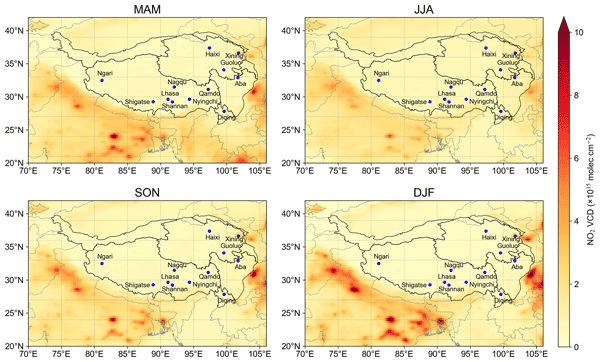
We used satellite and ground observations to study changes in nitrogen dioxide transport over the Tibetan Plateau during the past two decades. The results show that near-surface pollution has decreased, while atmospheric NO₂ column signals have increased. The Tibetan Plateau may play a certain role as a transit region in regional pollution transport, suggesting that its influence on surrounding air quality and environmental changes deserves more attention.

Zhongfeng Pan, Hao Yin, Zhenda Sun, Chongyang Li, Youwen Sun, and Cheng Liu
Atmos. Chem. Phys., 26, 2545–2559, https://doi.org/10.5194/acp-26-2545-2026, https://doi.org/10.5194/acp-26-2545-2026, 2026
Short summary
Short summary
This study examines air pollution in Beijing-Tianjin-Hebei and the Yangtze River Delta from 2015 to 2022. PM2.5 (particulate matter) decreased by 9.1-31.4 μg/m³ and PM10 by 9.8–42.9 μg/m³. Weather factors like humidity, air pressure, and rainfall influenced pollution, with tailored solutions needed for different regions.
Zhenda Sun, Hao Yin, Zhongfeng Pan, Chongyang Li, Xiao Lu, Ke Liu, Youwen Sun, and Cheng Liu
Atmos. Chem. Phys., 25, 6823–6842, https://doi.org/10.5194/acp-25-6823-2025, https://doi.org/10.5194/acp-25-6823-2025, 2025
Short summary
Short summary
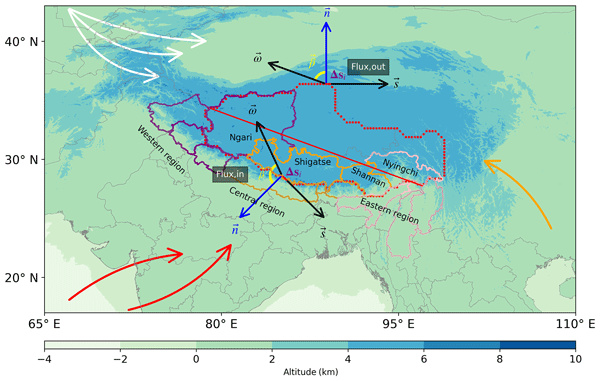
This study investigates the variability and driving forces of transboundary CO transport flux over the Tibetan Plateau from May 2018 to April 2024. During this period, external CO influx increased by 2.86 Tg yr-1, while internal efflux slightly declined by 1.70 Tg yr-1. The rising influx in recent years is likely linked to the rapid increase in CO concentrations from South Asia.
Chengzhi Xing, Cheng Liu, Chunxiang Ye, Jingkai Xue, Hongyu Wu, Xiangguang Ji, Jinping Ou, and Qihou Hu
Atmos. Chem. Phys., 24, 10093–10112, https://doi.org/10.5194/acp-24-10093-2024, https://doi.org/10.5194/acp-24-10093-2024, 2024
Short summary
Short summary
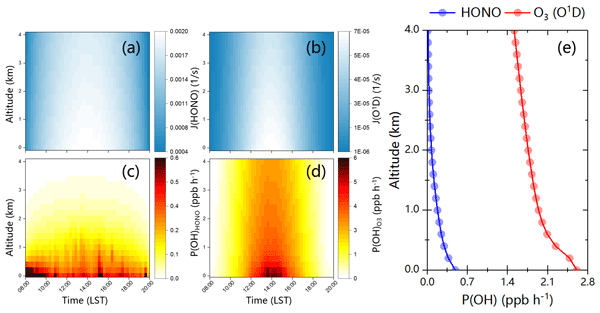
We identified the contributions of ozone (O3) and nitrous acid (HONO) to the production rates of hydroxide (OH) in vertical space on the Tibetan Plateau (TP). A new insight was offered: the contributions of HONO and O3 to the production rates of OH on the TP are even greater than in lower-altitudes areas. This study enriches the understanding of vertical distribution of atmospheric components and explains the strong atmospheric oxidation capacity (AOC) on the TP.

Hao Yin, Youwen Sun, Justus Notholt, Mathias Palm, Chunxiang Ye, and Cheng Liu
Atmos. Chem. Phys., 22, 14401–14419, https://doi.org/10.5194/acp-22-14401-2022, https://doi.org/10.5194/acp-22-14401-2022, 2022
Short summary
Short summary
Improved knowledge of the chemistry and drivers of surface ozone over the Qinghai-Tibet Plateau (QTP) is significant for regulatory and control purposes in this high-altitude region in the Himalayas. Our study investigates the processes and drivers of surface ozone anomalies by using machine-learning model-based meteorological normalization methods between 2015 and 2020 in urban areas over the QTP. This study can provide valuable implication for ozone mitigation over the QTP.
Youwen Sun, Hao Yin, Wei Wang, Changgong Shan, Justus Notholt, Mathias Palm, Ke Liu, Zhenyi Chen, and Cheng Liu
Atmos. Meas. Tech., 15, 4819–4834, https://doi.org/10.5194/amt-15-4819-2022, https://doi.org/10.5194/amt-15-4819-2022, 2022
Short summary
Short summary
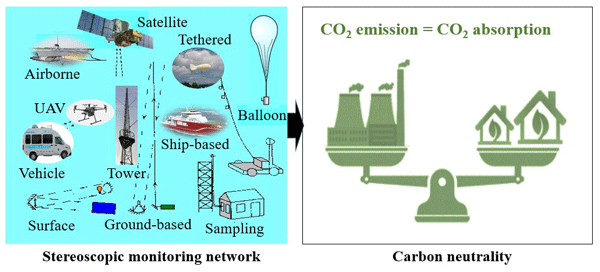
This study summarizes an overview of the status and perspective of GHG monitoring in China. This study not only improves our understanding with respect to the status, advances, and challenges of GHG monitoring in China but also presents an outlook for further improving GHG monitoring capacity in China.
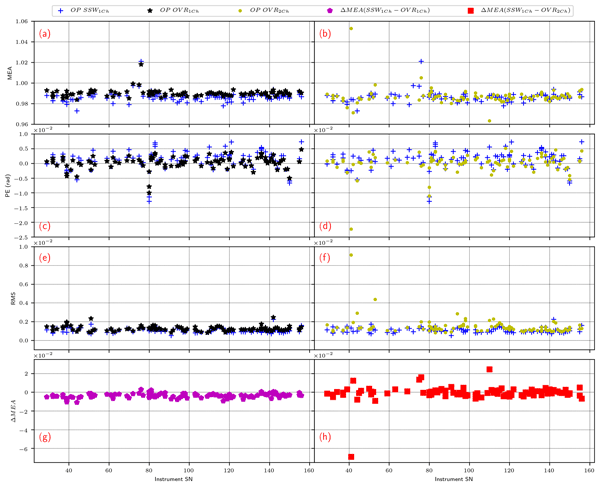
Carlos Alberti, Frank Hase, Matthias Frey, Darko Dubravica, Thomas Blumenstock, Angelika Dehn, Paolo Castracane, Gregor Surawicz, Roland Harig, Bianca C. Baier, Caroline Bès, Jianrong Bi, Hartmut Boesch, André Butz, Zhaonan Cai, Jia Chen, Sean M. Crowell, Nicholas M. Deutscher, Dragos Ene, Jonathan E. Franklin, Omaira García, David Griffith, Bruno Grouiez, Michel Grutter, Abdelhamid Hamdouni, Sander Houweling, Neil Humpage, Nicole Jacobs, Sujong Jeong, Lilian Joly, Nicholas B. Jones, Denis Jouglet, Rigel Kivi, Ralph Kleinschek, Morgan Lopez, Diogo J. Medeiros, Isamu Morino, Nasrin Mostafavipak, Astrid Müller, Hirofumi Ohyama, Paul I. Palmer, Mahesh Pathakoti, David F. Pollard, Uwe Raffalski, Michel Ramonet, Robbie Ramsay, Mahesh Kumar Sha, Kei Shiomi, William Simpson, Wolfgang Stremme, Youwen Sun, Hiroshi Tanimoto, Yao Té, Gizaw Mengistu Tsidu, Voltaire A. Velazco, Felix Vogel, Masataka Watanabe, Chong Wei, Debra Wunch, Marcia Yamasoe, Lu Zhang, and Johannes Orphal
Atmos. Meas. Tech., 15, 2433–2463, https://doi.org/10.5194/amt-15-2433-2022, https://doi.org/10.5194/amt-15-2433-2022, 2022
Short summary
Short summary
Space-borne greenhouse gas missions require ground-based validation networks capable of providing fiducial reference measurements. Here, considerable refinements of the calibration procedures for the COllaborative Carbon Column Observing Network (COCCON) are presented. Laboratory and solar side-by-side procedures for the characterization of the spectrometers have been refined and extended. Revised calibration factors for XCO2, XCO and XCH4 are provided, incorporating 47 new spectrometers.
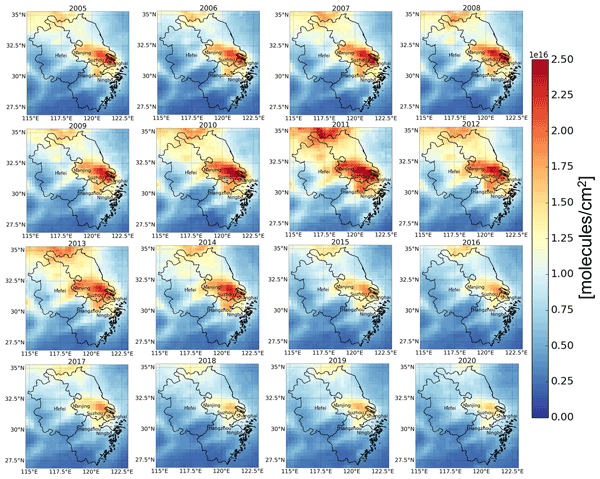
Hao Yin, Youwen Sun, Justus Notholt, Mathias Palm, and Cheng Liu
Atmos. Chem. Phys., 22, 4167–4185, https://doi.org/10.5194/acp-22-4167-2022, https://doi.org/10.5194/acp-22-4167-2022, 2022
Short summary
Short summary
In this study, we quantity the long-term variabilities and the underlying drivers of NO2 from 2005 to 2020 over the Yangtze River Delta (YRD), one of the most densely populated and highly industrialized city clusters in China. We reveal the significant effect of the Action Plan on the Prevention and Control of Air Pollution since 2013 adopted by the Chinese government to reduce NOx pollution. Our study can improve the understanding of pollution control measures on a regional scale.
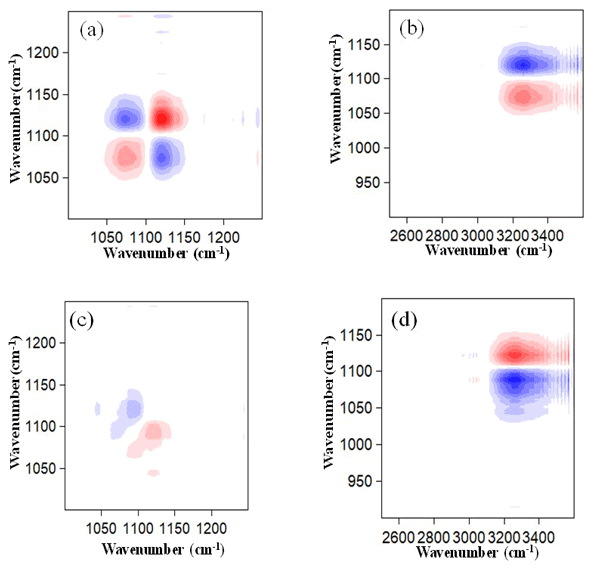
Xiuli Wei, Haosheng Dai, Huaqiao Gui, Jiaoshi Zhang, Yin Cheng, Jie Wang, Yixin Yang, Youwen Sun, and Jianguo Liu
Atmos. Chem. Phys., 22, 3097–3109, https://doi.org/10.5194/acp-22-3097-2022, https://doi.org/10.5194/acp-22-3097-2022, 2022
Short summary
Short summary
We demonstrated the usage of the Fourier transform infrared (FTIR) spectroscopic technique to characterize in real time the hygroscopic growth properties of nanoparticles and their phase transition micro-dynamics at the molecular level. We first realize real-time measurements of water content and dry nanoparticle mass to characterize hygroscopic growth factors. We then identify in real time the hydration interactions and the dynamic hygroscopic growth process of the functional groups.
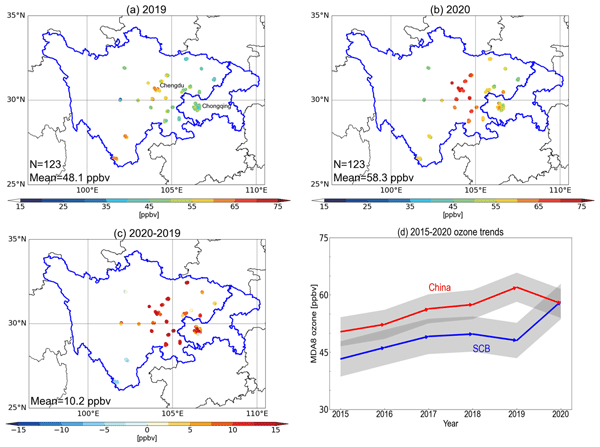
Youwen Sun, Hao Yin, Xiao Lu, Justus Notholt, Mathias Palm, Cheng Liu, Yuan Tian, and Bo Zheng
Atmos. Chem. Phys., 21, 18589–18608, https://doi.org/10.5194/acp-21-18589-2021, https://doi.org/10.5194/acp-21-18589-2021, 2021
Short summary
Short summary
This study uses high-resolution nested-grid GEOS-Chem simulation, the eXtreme Gradient Boosting (XGBoost) machine learning method, and the exposure–response relationship to determine the drivers and evaluate the health risks of the unexpected surface O3 enhancements over the Sichuan Basin in 2020. These unexpected O3 enhancements were induced by meteorological anomalies and caused dramatically high health risks.
Cited articles
Agustí-Panareda, A., Barré, J., Massart, S., Inness, A., Aben, I., Ades, M., Baier, B. C., Balsamo, G., Borsdorff, T., Bousserez, N., Boussetta, S., Buchwitz, M., Cantarello, L., Crevoisier, C., Engelen, R., Eskes, H., Flemming, J., Garrigues, S., Hasekamp, O., Huijnen, V., Jones, L., Kipling, Z., Langerock, B., McNorton, J., Meilhac, N., Noël, S., Parrington, M., Peuch, V.-H., Ramonet, M., Razinger, M., Reuter, M., Ribas, R., Suttie, M., Sweeney, C., Tarniewicz, J., and Wu, L.: Technical note: The CAMS greenhouse gas reanalysis from 2003 to 2020, Atmos. Chem. Phys., 23, 3829–3859, https://doi.org/10.5194/acp-23-3829-2023, 2023.
Akagi, S. K., Yokelson, R. J., Wiedinmyer, C., Alvarado, M. J., Reid, J. S., Karl, T., Crounse, J. D., and Wennberg, P. O.: Emission factors for open and domestic biomass burning for use in atmospheric models, Atmos. Chem. Phys., 11, 4039–4072, https://doi.org/10.5194/acp-11-4039-2011, 2011.
An, C., Tian, Y., Li, Z., Jiang, Q., Lin, P., Chang, B., Xue, J., and Sun, Y.: Signal-Domain Guided Deep Learning for Gap-Filling of XCO and XCH4: A Masked Spatio-Temporal Fusion of TROPOMI and GEOS-Chem (2019–2023), Zenodo [data set], https://doi.org/10.5281/zenodo.22010891, 2026.
Andreae, M. O.: Emission of trace gases and aerosols from biomass burning – an updated assessment, Atmos. Chem. Phys., 19, 8523–8546, https://doi.org/10.5194/acp-19-8523-2019, 2019.
Andreae, M. O. and Merlet, P.: Emission of trace gases and aerosols from biomass burning, Global Biogeochem. Cycles, 15, 955–966, https://doi.org/10.1029/2000GB001382, 2001.
Bengherabi, M., Mezai, L., Harizi, F., Guessoum, A., and Cheriet, M.: Score Fusion of SVD and DCT-RLDA for Face Recognition, in: 2008 First Workshops on Image Processing Theory, Tools and Applications, Presented at the 2008 First Workshops on Image Processing Theory, Tools and Applications, pp. 1–8, https://doi.org/10.1109/IPTA.2008.4743776, 2008.
Borsdorff, T., aan de Brugh, J., Schneider, A., Lorente, A., Birk, M., Wagner, G., Kivi, R., Hase, F., Feist, D. G., Sussmann, R., Rettinger, M., Wunch, D., Warneke, T., and Landgraf, J.: Improving the TROPOMI CO data product: update of the spectroscopic database and destriping of single orbits, Atmos. Meas. Tech., 12, 5443–5455, https://doi.org/10.5194/amt-12-5443-2019, 2019.
Buschmann, M., Deutscher, N. M., Sherlock, V., Palm, M., Warneke, T., and Notholt, J.: Retrieval of xCO2 from ground-based mid-infrared (NDACC) solar absorption spectra and comparison to TCCON, Atmos. Meas. Tech., 9, 577–585, https://doi.org/10.5194/amt-9-577-2016, 2016.
Chai, X., Tonjes, D. J., and Mahajan, D.: Methane emissions as energy reservoir: Context, scope, causes and mitigation strategies, Prog. Energ. Combust., 56, 33–70, https://doi.org/10.1016/j.pecs.2016.05.001, 2016.
Chander, G., Hewison, T. J., Fox, N., Wu, X., Xiong, X., and Blackwell, W. J.: Overview of Intercalibration of Satellite Instruments, IEEE T. Geosci. Remote, 51, 1056–1080, https://doi.org/10.1109/TGRS.2012.2228654, 2013.
Chen, J., Shen, H., Li, X., Li, T., and Wei, Y.: Ground-level ozone estimation based on geo-intelligent machine learning by fusing in-situ observations, remote sensing data, and model simulation data, Int. J. Appl. Earth Obs., 112, 102955, https://doi.org/10.1016/j.jag.2022.102955, 2022.
Chen, X., Huang, Y., Nie, C., Zhang, S., Wang, G., Chen, S., and Chen, Z.: A long-term reconstructed TROPOMI solar-induced fluorescence dataset using machine learning algorithms, Sci. Data, 9, 427, https://doi.org/10.1038/s41597-022-01520-1, 2022.
Cogan, A. J., Boesch, H., Parker, R. J., Feng, L., Palmer, P. I., Blavier, J.-F. L., Deutscher, N. M., Macatangay, R., Notholt, J., Roehl, C., Warneke, T., and Wunch, D.: Atmospheric carbon dioxide retrieved from the Greenhouse gases Observing SATellite (GOSAT): Comparison with ground-based TCCON observations and GEOS-Chem model calculations, J. Geophys. Res.-Atmos., 117, D21301, https://doi.org/10.1029/2012JD018087, 2012.
Copernicus Sentinel-5P (processed by ESA): TROPOMI Level 2 Carbon Monoxide total column products, Version 02, European Space Agency [data set], https://doi.org/10.5270/S5P-bj3nry0, 2021a.
Copernicus Sentinel-5P (processed by ESA): TROPOMI Level 2 Methane Total Column products, Version 02, European Space Agency [data set], https://doi.org/10.5270/S5P-3lcdqiv, 2021b.
Deeter, M. N., Emmons, L. K., Francis, G. L., Edwards, D. P., Gille, J. C., Warner, J. X., Khattatov, B., Ziskin, D., Lamarque, J.‐F., Ho, S.‐P., Yudin, V., Attié, J.‐L., Packman, D., Chen, J., Mao, D., and Drummond, J. R.: Operational carbon monoxide retrieval algorithm and selected results for the MOPITT instrument, J. Geophys. Res., 108, 4399, https://doi.org/10.1029/2002JD003186, 2003.
Elharar, E., Stern, A., Hadar, O., and Javidi, B.: A Hybrid Compression Method for Integral Images Using Discrete Wavelet Transform and Discrete Cosine Transform, J. Display Technol., 3, 321–325, https://doi.org/10.1109/JDT.2007.900915, 2007.
Filonchyk, M., Peterson, M. P., Zhang, L., Hurynovich, V., and He, Y.: Greenhouse gases emissions and global climate change: Examining the influence of CO2, CH4, and N2O, Sci. Total Environ., 935, 173359, https://doi.org/10.1016/j.scitotenv.2024.173359, 2024.
Fritz, T. M., Eastham, S. D., Emmons, L. K., Lin, H., Lundgren, E. W., Goldhaber, S., Barrett, S. R. H., and Jacob, D. J.: Implementation and evaluation of the GEOS-Chem chemistry module version 13.1.2 within the Community Earth System Model v2.1, Geosci. Model Dev., 15, 8669–8704, https://doi.org/10.5194/gmd-15-8669-2022, 2022.
Gao, M., Xing, Z., Vollrath, C., Hugenholtz, C. H., and Barchyn, T. E.: Global observational coverage of onshore oil and gas methane sources with TROPOMI, Sci. Rep., 13, 16759, https://doi.org/10.1038/s41598-023-41914-8, 2023.
Garcia, D.: Robust smoothing of gridded data in one and higher dimensions with missing values, Comput. Stat. Data An., 54, 1167–1178, https://doi.org/10.1016/j.csda.2009.09.020, 2010.
Goudar, M., Anema, J. C. S., Kumar, R., Borsdorff, T., and Landgraf, J.: Plume detection and emission estimate for biomass burning plumes from TROPOMI carbon monoxide observations using APE v1.1, Geosci. Model Dev., 16, 4835–4852, https://doi.org/10.5194/gmd-16-4835-2023, 2023.
Griffin, D., Chen, J., Anderson, K., Makar, P., McLinden, C. A., Dammers, E., and Fogal, A.: Biomass burning CO emissions: exploring insights through TROPOMI-derived emissions and emission coefficients, Atmos. Chem. Phys., 24, 10159–10186, https://doi.org/10.5194/acp-24-10159-2024, 2024.
Guanter, L., Aben, I., Tol, P., Krijger, J. M., Hollstein, A., Köhler, P., Damm, A., Joiner, J., Frankenberg, C., and Landgraf, J.: Potential of the TROPOspheric Monitoring Instrument (TROPOMI) onboard the Sentinel-5 Precursor for the monitoring of terrestrial chlorophyll fluorescence, Atmos. Meas. Tech., 8, 1337–1352, https://doi.org/10.5194/amt-8-1337-2015, 2015.
He, C., Ji, M., Grieneisen, M. L., and Zhan, Y.: A review of datasets and methods for deriving spatiotemporal distributions of atmospheric CO2, J. Environ. Manage., 322, 116101, https://doi.org/10.1016/j.jenvman.2022.116101, 2022.
Heald, C. L., Jacob, D. J., Fiore, A. M., Emmons, L. K., Gille, J. C., Deeter, M. N., Warner, J., Edwards, D. P., Crawford, J. H., Hamlin, A. J., Sachse, G. W., Browell, E. V., Avery, M. A., Vay, S. A., Westberg, D. J., Blake, D. R., Singh, H. B., Sandholm, S. T., Talbot, R. W., and Fuelberg, H. E.: Asian outflow and trans‐Pacific transport of carbon monoxide and ozone pollution: An integrated satellite, aircraft, and model perspective, J. Geophys. Res., 108, 2003JD003507, https://doi.org/10.1029/2003JD003507, 2003.
Heilig, G. K.: The greenhouse gas methane (CH4): Sources and sinks, the impact of population growth, possible interventions, Popul. Environ., 16, 109–137, https://doi.org/10.1007/BF02208779, 1994.
Herkommer, B., Alberti, C., Castracane, P., Chen, J., Dehn, A., Dietrich, F., Deutscher, N. M., Frey, M. M., Groß, J., Gillespie, L., Hase, F., Morino, I., Pak, N. M., Walker, B., and Wunch, D.: Using a portable FTIR spectrometer to evaluate the consistency of Total Carbon Column Observing Network (TCCON) measurements on a global scale: the Collaborative Carbon Column Observing Network (COCCON) travel standard, Atmos. Meas. Tech., 17, 3467–3494, https://doi.org/10.5194/amt-17-3467-2024, 2024.
Hoesly, R. M., Smith, S. J., Feng, L., Klimont, Z., Janssens-Maenhout, G., Pitkanen, T., Seibert, J. J., Vu, L., Andres, R. J., Bolt, R. M., Bond, T. C., Dawidowski, L., Kholod, N., Kurokawa, J.-I., Li, M., Liu, L., Lu, Z., Moura, M. C. P., O'Rourke, P. R., and Zhang, Q.: Historical (1750–2014) anthropogenic emissions of reactive gases and aerosols from the Community Emissions Data System (CEDS), Geosci. Model Dev., 11, 369–408, https://doi.org/10.5194/gmd-11-369-2018, 2018.
Hu, H., Hasekamp, O., Butz, A., Galli, A., Landgraf, J., Aan de Brugh, J., Borsdorff, T., Scheepmaker, R., and Aben, I.: The operational methane retrieval algorithm for TROPOMI, Atmos. Meas. Tech., 9, 5423–5440, https://doi.org/10.5194/amt-9-5423-2016, 2016.
Hu, J., Jia, J., Ma, Y., Liu, L., and Yu, H.: A Reconstructed Global Daily Seamless SIF Product at 0.05 Degree Resolution Based on TROPOMI, MODIS and ERA5 Data, Remote Sens., 14, 1504, https://doi.org/10.3390/rs14061504, 2022.
Hu, K., Liu, Z., Shao, P., Ma, K., Xu, Y., Wang, S., Wang, Y., Wang, H., Di, L., Xia, M., and Zhang, Y.: A review of satellite-based CO2 data reconstruction studies: Methodologies, challenges, and advances, Remote Sens., 16, 3818, https://doi.org/10.3390/rs16203818, 2024.
Hu, L., Keller, C. A., Long, M. S., Sherwen, T., Auer, B., Da Silva, A., Nielsen, J. E., Pawson, S., Thompson, M. A., Trayanov, A. L., Travis, K. R., Grange, S. K., Evans, M. J., and Jacob, D. J.: Global simulation of tropospheric chemistry at 12.5 km resolution: performance and evaluation of the GEOS-Chem chemical module (v10-1) within the NASA GEOS Earth system model (GEOS-5 ESM), Geosci. Model Dev., 11, 4603–4620, https://doi.org/10.5194/gmd-11-4603-2018, 2018.
Imasu, R., Matsunaga, T., Nakajima, M., Yoshida, Y., Shiomi, K., Morino, I., Saitoh, N., Niwa, Y., Someya, Y., Oishi, Y., Hashimoto, M., Noda, H., Hikosaka, K., Uchino, O., Maksyutov, S., Takagi, H., Ishida, H., Nakajima, T. Y., Nakajima, T., and Shi, C.: Greenhouse gases Observing SATellite 2 (GOSAT-2): mission overview, Prog. Earth Planet. Sci., 10, 33, https://doi.org/10.1186/s40645-023-00562-2, 2023.
Inness, A., Aben, I., Ades, M., Borsdorff, T., Flemming, J., Jones, L., Landgraf, J., Langerock, B., Nedelec, P., Parrington, M., and Ribas, R.: Assimilation of S5P/TROPOMI carbon monoxide data with the global CAMS near-real-time system, Atmos. Chem. Phys., 22, 14355–14376, https://doi.org/10.5194/acp-22-14355-2022, 2022.
Jackson, R. B., Saunois, M., Bousquet, P., Canadell, J. G., Poulter, B., Stavert, A. R., Bergamaschi, P., Niwa, Y., Segers, A., and Tsuruta, A.: Increasing anthropogenic methane emissions arise equally from agricultural and fossil fuel sources, Environ. Res. Lett., 15, 071002, https://doi.org/10.1088/1748-9326/ab9ed2, 2020.
Jiang, Y., Si, C., and Yang, L.: Improvement Strategies for Mask R-CNN in Satellite Image Analysis, in: 2024 3rd International Conference on Electronics and Information Technology (EIT), Presented at the 2024 3rd International Conference on Electronics and Information Technology (EIT), pp. 739–744, https://doi.org/10.1109/EIT63098.2024.10762551, 2024.
Karunasingha, D. S. K.: Root mean square error or mean absolute error? Use their ratio as well, Inform. Sciences, 585, 609–629, https://doi.org/10.1016/j.ins.2021.11.036, 2022.
Kiel, M., Wunch, D., Wennberg, P. O., Toon, G. C., Hase, F., and Blumenstock, T.: Improved retrieval of gas abundances from near-infrared solar FTIR spectra measured at the Karlsruhe TCCON station, Atmos. Meas. Tech., 9, 669–682, https://doi.org/10.5194/amt-9-669-2016, 2016.
Kobayashi, K. and Salam, M. U.: Comparing Simulated and Measured Values Using Mean Squared Deviation and its Components, Agron. J., 92, 345–352, https://doi.org/10.2134/agronj2000.922345x, 2000.
Landgraf, J., aan de Brugh, J., Scheepmaker, R., Borsdorff, T., Hu, H., Houweling, S., Butz, A., Aben, I., and Hasekamp, O.: Carbon monoxide total column retrievals from TROPOMI shortwave infrared measurements, Atmos. Meas. Tech., 9, 4955–4975, https://doi.org/10.5194/amt-9-4955-2016, 2016.
Laughner, J. L., Roche, S., Kiel, M., Toon, G. C., Wunch, D., Baier, B. C., Biraud, S., Chen, H., Kivi, R., Laemmel, T., McKain, K., Quéhé, P.-Y., Rousogenous, C., Stephens, B. B., Walker, K., and Wennberg, P. O.: A new algorithm to generate a priori trace gas profiles for the GGG2020 retrieval algorithm, Atmos. Meas. Tech., 16, 1121–1146, https://doi.org/10.5194/amt-16-1121-2023, 2023.
Lelieveld, J., Gromov, S., Pozzer, A., and Taraborrelli, D.: Global tropospheric hydroxyl distribution, budget and reactivity, Atmos. Chem. Phys., 16, 12477–12493, https://doi.org/10.5194/acp-16-12477-2016, 2016.
Li, M., Zhang, Q., Kurokawa, J.-I., Woo, J.-H., He, K., Lu, Z., Ohara, T., Song, Y., Streets, D. G., Carmichael, G. R., Cheng, Y., Hong, C., Huo, H., Jiang, X., Kang, S., Liu, F., Su, H., and Zheng, B.: MIX: a mosaic Asian anthropogenic emission inventory under the international collaboration framework of the MICS-Asia and HTAP, Atmos. Chem. Phys., 17, 935–963, https://doi.org/10.5194/acp-17-935-2017, 2017.
Liang, R., Zhang, Y., Chen, W., Zhang, P., Liu, J., Chen, C., Mao, H., Shen, G., Qu, Z., Chen, Z., Zhou, M., Wang, P., Parker, R. J., Boesch, H., Lorente, A., Maasakkers, J. D., and Aben, I.: East Asian methane emissions inferred from high-resolution inversions of GOSAT and TROPOMI observations: a comparative and evaluative analysis, Atmos. Chem. Phys., 23, 8039–8057, https://doi.org/10.5194/acp-23-8039-2023, 2023.
Lin, P., Tian, Y., Borsdorff, T., Li, Z., Landgraf, J., Wu, H., Xue, J., Ding, D., Ye, H., Zhu, Y., and Liu, C.: TROPOMI unravels transboundary transport pathways of atmospheric carbon monoxide in Tibetan Plateau, Sci. Total Environ., 952, 175942, https://doi.org/10.1016/j.scitotenv.2024.175942, 2024.
Loew, A., Bell, W., Brocca, L., Bulgin, C. E., Burdanowitz, J., Calbet, X., Donner, R. V., Ghent, D., Gruber, A., Kaminski, T., Kinzel, J., Klepp, C., Lambert, J., Schaepman‐Strub, G., Schröder, M., and Verhoelst, T.: Validation practices for satellite‐based Earth observation data across communities, Rev. Geophys., 55, 779–817, https://doi.org/10.1002/2017rg000562, 2017.
Majhi, M. and Pal, A. K.: An image retrieval scheme based on block level hybrid dct-svd fused features, Multimed. Tools Appl., 80, 7271–7312, https://doi.org/10.1007/s11042-020-10005-5, 2021.
Marais, E. A. and Wiedinmyer, C.: Air Quality Impact of Diffuse and Inefficient Combustion Emissions in Africa (DICE-Africa), Environ. Sci. Technol., 50, 10739–10745, https://doi.org/10.1021/acs.est.6b02602, 2016.
McMillan, W. W., Barnet, C., Strow, L., Chahine, M. T., McCourt, M. L., Warner, J. X., Novelli, P. C., Korontzi, S., Maddy, E. S., and Datta, S.: Daily global maps of carbon monoxide from NASA's Atmospheric Infrared Sounder, Geophys. Res. Lett., 32, 2004GL021821, https://doi.org/10.1029/2004GL021821, 2005.
Naseem, S., Mahmood, T., Khan, A. R., Farooq, U., Nawazish, S., Alamri, F. S., and Saba, T.: Image Fusion Using Wavelet Transformation and XGboost Algorithm, Comput. Mater. Contin., 79, 801–817, https://doi.org/10.32604/cmc.2024.047623, 2024.
Okolie, C. J. and Smit, J. L.: A systematic review and meta-analysis of Digital elevation model (DEM) fusion: pre-processing, methods and applications, ISPRS J. Photogramm., 188, 1–29, https://doi.org/10.1016/j.isprsjprs.2022.03.016, 2022.
Peng, J., Kim, C.-S., and Kuo, C.-C. J.: Technologies for 3D mesh compression: A survey, J. Vis. Commun. Image Represent., 16, 688–733, https://doi.org/10.1016/j.jvcir.2005.03.001, 2005.
Ramsden, A. E., Ganesan, A. L., Western, L. M., Rigby, M., Manning, A. J., Foulds, A., France, J. L., Barker, P., Levy, P., Say, D., Wisher, A., Arnold, T., Rennick, C., Stanley, K. M., Young, D., and O'Doherty, S.: Quantifying fossil fuel methane emissions using observations of atmospheric ethane and an uncertain emission ratio, Atmos. Chem. Phys., 22, 3911–3929, https://doi.org/10.5194/acp-22-3911-2022, 2022.
Rao, K. R. and Yip, P.: Discrete cosine transform: algorithms, advantages, applications, Academic Press, San Diego, ISBN 9780125802031, 2014.
Rinsland, C. P., Luo, M., Logan, J. A., Beer, R., Worden, H., Kulawik, S. S., Rider, D., Osterman, G., Gunson, M., Eldering, A., Goldman, A., Shephard, M., Clough, S. A., Rodgers, C., Lampel, M., and Chiou, L.: Nadir measurements of carbon monoxide distributions by the Tropospheric Emission Spectrometer instrument onboard the Aura Spacecraft: Overview of analysis approach and examples of initial results, Geophys. Res. Lett., 33, 2006GL027000, https://doi.org/10.1029/2006GL027000, 2006.
Robinson, J. and Kecman, V.: Combining support vector machine learning with the discrete cosine transform in image compression, IEEE T. Neural Networ., 14, 950–958, https://doi.org/10.1109/TNN.2003.813842, 2003.
Ronneberger, O., Fischer, P., and Brox, T.: U-Net: Convolutional Networks for Biomedical Image Segmentation, in: Medical Image Computing and Computer-Assisted Intervention – MICCAI 2015, edited by: Navab, N., Hornegger, J., Wells, W. M., Frangi, A. F., Springer International Publishing, Cham, pp. 234–241, https://doi.org/10.1007/978-3-319-24574-4_28, 2015.
Schneising, O., Buchwitz, M., Reuter, M., Bovensmann, H., Burrows, J. P., Borsdorff, T., Deutscher, N. M., Feist, D. G., Griffith, D. W. T., Hase, F., Hermans, C., Iraci, L. T., Kivi, R., Landgraf, J., Morino, I., Notholt, J., Petri, C., Pollard, D. F., Roche, S., Shiomi, K., Strong, K., Sussmann, R., Velazco, V. A., Warneke, T., and Wunch, D.: A scientific algorithm to simultaneously retrieve carbon monoxide and methane from TROPOMI onboard Sentinel-5 Precursor, Atmos. Meas. Tech., 12, 6771–6802, https://doi.org/10.5194/amt-12-6771-2019, 2019.
Schneising, O., Buchwitz, M., Hachmeister, J., Vanselow, S., Reuter, M., Buschmann, M., Bovensmann, H., and Burrows, J. P.: Advances in retrieving XCH4 and XCO from Sentinel-5 Precursor: improvements in the scientific TROPOMI/WFMD algorithm, Atmos. Meas. Tech., 16, 669–694, https://doi.org/10.5194/amt-16-669-2023, 2023.
Schneising, O., Bovensmann, H., Buchwitz, M., Buschmann, M., Deutscher, N. M., Griffith, D. W. T., Hachmeister, J., Hase, F., Iraci, L. T., Kivi, R., Morino, I., Ohyama, H., Petri, C., Reuter, M., Robinson, J., Roehl, C., Sha, M. K., Shiomi, K., Strong, K., Sussmann, R., Té, Y., Velazco, V. A., Vrekoussis, M., Wang, W., Warneke, T., Weidmann, D., Wunch, D., Zhou, M., and Bösch, H.: TROPOMI/WFMD v2.0: Improved retrievals of XCH4 and XCO with XGBoost-based quality filtering, Atmos. Meas. Tech., 19, 2407–2435, https://doi.org/10.5194/amt-19-2407-2026, 2026.
Setianto, A. and Triandini, T.: Comparison of kriging and inverse distance weighted (IDW) interpolation methods in lineament extraction and analysis, J. Appl. Geol., 5, 21–29, https://doi.org/10.22146/jag.7204, 2013.
Sha, M. K., De Mazière, M., Notholt, J., Blumenstock, T., Chen, H., Dehn, A., Griffith, D. W. T., Hase, F., Heikkinen, P., Hermans, C., Hoffmann, A., Huebner, M., Jones, N., Kivi, R., Langerock, B., Petri, C., Scolas, F., Tu, Q., and Weidmann, D.: Intercomparison of low- and high-resolution infrared spectrometers for ground-based solar remote sensing measurements of total column concentrations of CO2, CH4, and CO, Atmos. Meas. Tech., 13, 4791–4839, https://doi.org/10.5194/amt-13-4791-2020, 2020.
Sha, M. K., Langerock, B., Blavier, J.-F. L., Blumenstock, T., Borsdorff, T., Buschmann, M., Dehn, A., De Mazière, M., Deutscher, N. M., Feist, D. G., García, O. E., Griffith, D. W. T., Grutter, M., Hannigan, J. W., Hase, F., Heikkinen, P., Hermans, C., Iraci, L. T., Jeseck, P., Jones, N., Kivi, R., Kumps, N., Landgraf, J., Lorente, A., Mahieu, E., Makarova, M. V., Mellqvist, J., Metzger, J.-M., Morino, I., Nagahama, T., Notholt, J., Ohyama, H., Ortega, I., Palm, M., Petri, C., Pollard, D. F., Rettinger, M., Robinson, J., Roche, S., Roehl, C. M., Röhling, A. N., Rousogenous, C., Schneider, M., Shiomi, K., Smale, D., Stremme, W., Strong, K., Sussmann, R., Té, Y., Uchino, O., Velazco, V. A., Vigouroux, C., Vrekoussis, M., Wang, P., Warneke, T., Wizenberg, T., Wunch, D., Yamanouchi, S., Yang, Y., and Zhou, M.: Validation of methane and carbon monoxide from Sentinel-5 Precursor using TCCON and NDACC-IRWG stations, Atmos. Meas. Tech., 14, 6249–6304, https://doi.org/10.5194/amt-14-6249-2021, 2021.
Sicard, P., Crippa, P., De Marco, A., Castruccio, S., Giani, P., Cuesta, J., Paoletti, E., Feng, Z., and Anav, A.: High spatial resolution WRF-Chem model over Asia: Physics and chemistry evaluation, Atmos. Environ., 244, 118004, https://doi.org/10.1016/j.atmosenv.2020.118004, 2021.
Spivakovsky, C. M., Logan, J. A., Montzka, S. A., Balkanski, Y. J., Foreman‐Fowler, M., Jones, D. B. A., Horowitz, L. W., Fusco, A. C., Brenninkmeijer, C. A. M., Prather, M. J., Wofsy, S. C., and McElroy, M. B.: Three‐dimensional climatological distribution of tropospheric OH: Update and evaluation, J. Geophys. Res., 105, 8931–8980, https://doi.org/10.1029/1999JD901006, 2000.
Sun, L., Zhang, X., Fan, Y., Wang, Z., and Sun, X.: Downscaling aerosol optical depth by fusing satellite retrieval and model simulation using artificial intelligence technology, Atmos. Res., 328, 108411, https://doi.org/10.1016/j.atmosres.2025.108411, 2026.
Tang, Z.: Gap-filling using machine learning: implementations and applications in remote sensing, PhD thesis, University of Helsinki, Helsingin yliopisto, http://hdl.handle.net/10138/343816 (last access: 9 September 2026), ISBN: 978-951-51-6600-5, 2022.
Turquety, S., Hadji‐Lazaro, J., Clerbaux, C., Hauglustaine, D. A., Clough, S. A., Cassé, V., Schlüssel, P., and Mégie, G.: Operational trace gas retrieval algorithm for the Infrared Atmospheric Sounding Interferometer, J. Geophys. Res., 109, 2004JD004821, https://doi.org/10.1029/2004JD004821, 2004.
Valerio, A., Chen, Y., Liu, C., Chen, Y., and Lin, C.: A Hybrid Regression–Kriging–Machine Learning Framework for Imputing Missing TROPOMI NO2 Data over Taiwan, Remote Sens., 17, 2084, https://doi.org/10.3390/rs17122084, 2025.
Wall, M. E., Rechtsteiner, A., and Rocha, L. M.: Singular Value Decomposition and Principal Component Analysis, in: A Practical Approach to Microarray Data Analysis, edited by: Berrar, D. P., Dubitzky, W., and Granzow, M., Springer US, Boston, MA, pp. 91–109, https://doi.org/10.1007/0-306-47815-3_5, 2003.
Wang, M., Jiang, Z., Chen, X., Han, W., Zhu, L., He, T.-L., and Shen, Y.: Daily seamless dataset of HCHO concentrations: Vertical relationship between surface and column HCHO in China in 2019–2022, Atmos. Environ., 362, 121546, https://doi.org/10.1016/j.atmosenv.2025.121546, 2025.
Wang, Y., Qi, Q., and Liu, Y.: Unsupervised segmentation evaluation using area-weighted variance and Jeffries-Matusita distance for remote sensing images, Remote Sens., 10, 1193, https://doi.org/10.3390/rs10081193, 2018.
Wang, Y., Yuan, Q., Xiao, R., Li, T., and Zhang, L.: Recovery of the Carbon Monoxide Product from S5P-TROPOMI by Fusing Multiple Datasets: A Case Study in Hubei Province, China, in: IGARSS 2020–2020 IEEE International Geoscience and Remote Sensing Symposium, IEEE, 5529–5532, https://doi.org/10.1109/IGARSS39084.2020.9323092, 2020.
Wang, Y., Yuan, Q., Li, T., Tan, S., and Zhang, L.: Full-coverage spatiotemporal mapping of ambient PM2.5 and PM10 over China from Sentinel-5P and assimilated datasets: Considering the precursors and chemical compositions, Sci. Total Environ., 793, 148535, https://doi.org/10.1016/j.scitotenv.2021.148535, 2021.
Wang, Y., Yuan, Q., Li, T., Yang, Y., Zhou, S., and Zhang, L.: Seamless mapping of long-term (2010–2020) daily global XCO2 and XCH4 from the Greenhouse Gases Observing Satellite (GOSAT), Orbiting Carbon Observatory 2 (OCO-2), and CAMS global greenhouse gas reanalysis (CAMS-EGG4) with a spatiotemporally self-supervised fusion method, Earth Syst. Sci. Data, 15, 3597–3622, https://doi.org/10.5194/essd-15-3597-2023, 2023.
Wei, C., Fan, H., Xie, S., Wu, C.-Y., Yuille, A., and Feichtenhofer, C.: Masked Feature Prediction for Self-Supervised Visual Pre-Training, in: 2022 IEEE/CVF Conference on Computer Vision and Pattern Recognition (CVPR), Presented at the 2022 IEEE/CVF Conference on Computer Vision and Pattern Recognition (CVPR), IEEE, New Orleans, LA, USA, pp. 14648–14658, https://doi.org/10.1109/CVPR52688.2022.01426, 2022.
Wei, J., Li, Z., Lyapustin, A., Wang, J., Dubovik, O., Schwartz, J., Sun, L., Li, C., Liu, S., and Zhu, T.: First close insight into global daily gapless 1 km PM2.5 pollution, variability, and health impact, Nat. Commun., 14, 8349, https://doi.org/10.1038/s41467-023-43862-3, 2023.
Wei, Q., Song, W., Dai, B., Wu, H., Zuo, X., Wang, J., Chen, J., Li, J., Li, S., and Chen, Z.: Spatiotemporal estimation of surface NO2 concentrations in the Pearl River Delta region based on TROPOMI data and machine learning, Atmos. Pollut. Res., 16, 102353, https://doi.org/10.1016/j.apr.2024.102353, 2025.
Worden, J., Wecht, K., Frankenberg, C., Alvarado, M., Bowman, K., Kort, E., Kulawik, S., Lee, M., Payne, V., and Worden, H.: CH4 and CO distributions over tropical fires during October 2006 as observed by the Aura TES satellite instrument and modeled by GEOS-Chem, Atmos. Chem. Phys., 13, 3679–3692, https://doi.org/10.5194/acp-13-3679-2013, 2013.
Worden, J. R., Bloom, A. A., Pandey, S., Jiang, Z., Worden, H. M., Walker, T. W., Houweling, S., and Röckmann, T.: Reduced biomass burning emissions reconcile conflicting estimates of the post-2006 atmospheric methane budget, Nat. Commun., 8, 2227, https://doi.org/10.1038/s41467-017-02246-0, 2017.
Wu, X., Xiao, Q., Wen, J., You, D., and Hueni, A.: Advances in quantitative remote sensing product validation: Overview and current status, Earth-Sci. Rev., 196, 102875, https://doi.org/10.1016/j.earscirev.2019.102875, 2019.
Wunch, D., Toon, G. C., Blavier, J.-F. L., Washenfelder, R. A., Notholt, J., Connor, B. J., Griffith, D. W. T., Sherlock, V., and Wennberg, P. O.: The Total Carbon Column Observing Network, Philos. Trans. R. Soc. A, 369, 2087–2112, https://doi.org/10.1098/rsta.2010.0240, 2011.
Yan, C., Fan, X., Fan, J., and Wang, N.: Improved U-Net Remote Sensing Classification Algorithm Based on Multi-Feature Fusion Perception, Remote Sens., 14, https://doi.org/10.3390/rs14051118, 2022.
Yang, Y., Zhou, M., Langerock, B., Sha, M. K., Hermans, C., Wang, T., Ji, D., Vigouroux, C., Kumps, N., Wang, G., De Mazière, M., and Wang, P.: New ground-based Fourier-transform near-infrared solar absorption measurements of XCO2, XCH4 and XCO at Xianghe, China, Earth Syst. Sci. Data, 12, 1679–1696, https://doi.org/10.5194/essd-12-1679-2020, 2020.
Short summary
This study addresses the problem of missing carbon monoxide and methane data in satellite observations by integrating satellite observations, atmospheric chemistry simulations, and artificial intelligence techniques to generate complete daily datasets from 2019 to 2023 with a global resolution of 0.25° and a China-specific resolution of 0.05°. The dataset can support research on atmospheric changes, wildfire signals, agricultural regions, and related environmental impacts.
This study addresses the problem of missing carbon monoxide and methane data in satellite...


Altmetrics
Final-revised paper
Preprint