Articles | Volume 18, issue 5
https://doi.org/10.5194/essd-18-2999-2026
© Author(s) 2026. This work is distributed under
the Creative Commons Attribution 4.0 License.
the Creative Commons Attribution 4.0 License.
https://doi.org/10.5194/essd-18-2999-2026
© Author(s) 2026. This work is distributed under
the Creative Commons Attribution 4.0 License.
the Creative Commons Attribution 4.0 License.
Data description article
| 
05 May 2026
Data description article |
| 05 May 2026
| 05 May 2026
Improved global daily nitrogen dioxide concentrations from 2005 to 2023 derived using a deep learning approach
Jiangshan Mu
Environment Research Institute, Shandong University, 266237, Qingdao, China
Nicholas School of the Environment, Duke University, 27708, Durham, USA
Chenliang Tao
Environment Research Institute, Shandong University, 266237, Qingdao, China
Department of Environmental Science and Engineering, Fudan University, 200233, Shanghai, China

Environment Research Institute, Shandong University, 266237, Qingdao, China
Zhou Liu
Environment Research Institute, Shandong University, 266237, Qingdao, China
Yingnan Zhang
Department of Earth System Science, University of California, Irvine, 92697, California, USA
Na Zhao
Environment Research Institute, Shandong University, 266237, Qingdao, China
Bin Luo
Environment Research Institute, Shandong University, 266237, Qingdao, China
Qionghui Zhou
Environment Research Institute, Shandong University, 266237, Qingdao, China
Qingzhu Zhang
Environment Research Institute, Shandong University, 266237, Qingdao, China
Hongliang Zhang
Department of Environmental Science and Engineering, Fudan University, 200233, Shanghai, China
Likun Xue
CORRESPONDING AUTHOR
Environment Research Institute, Shandong University, 266237, Qingdao, China
Related authors
Yue Sun, Yujiao Zhu, Hengde Liu, Lanxiadi Chen, Hongyong Li, Yujian Bi, Di Wu, Xiangkun Yin, Can Cui, Ping Liu, Yu Yang, Jisheng Zhang, Yanqiu Nie, Lanxin Zhang, Jiangshan Mu, Yuhong Liu, Zhaoxin Guo, Qinyi Li, Yuqiang Zhang, Xinfeng Wang, Mingjin Tang, Wenxing Wang, and Likun Xue
EGUsphere, https://doi.org/10.5194/egusphere-2025-2855, https://doi.org/10.5194/egusphere-2025-2855, 2025
Preprint archived
Short summary
Short summary
Rainwater samples collected at the summit of Mount Tai were analyzed for ice-nucleating particles (INPs). Our findings revealed that INP concentrations peaked in spring, driven predominantly by long-range transport of dust aerosols. Mineral dust contributed 43.6 % of annual INPs, with its contribution rising sharply to 71.7 % in spring. Satellite observations further revealed that the long-range transport of dust in spring promotes large-scale cloud formation over the NCP region.
Bin Luo, Yuqiang Zhang, Tao Tang, Hongliang Zhang, Jianlin Hu, Jiangshan Mu, Wenxing Wang, and Likun Xue
Atmos. Chem. Phys., 25, 4767–4783, https://doi.org/10.5194/acp-25-4767-2025, https://doi.org/10.5194/acp-25-4767-2025, 2025
Short summary
Short summary
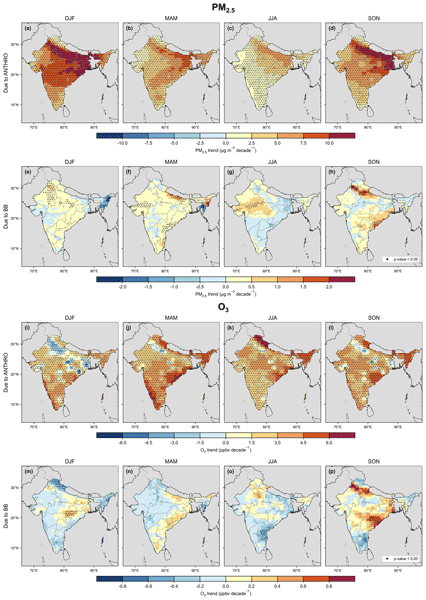
India is facing a severe air pollution crisis that poses significant health risks, particularly from PM2.5 and O3. Our study reveals rising levels of both pollutants from 1995 to 2014, leading to increased premature mortality. While anthropogenic emissions play a significant role, biomass burning also impacts air quality, in particular seasons and regions in India. This study underscores the urgent need for localized policies to protect public health amid escalating environmental challenges.
Yue Sun, Yujiao Zhu, Yanbin Qi, Lanxiadi Chen, Jiangshan Mu, Ye Shan, Yu Yang, Yanqiu Nie, Ping Liu, Can Cui, Ji Zhang, Mingxuan Liu, Lingli Zhang, Yufei Wang, Xinfeng Wang, Mingjin Tang, Wenxing Wang, and Likun Xue
Atmos. Chem. Phys., 24, 3241–3256, https://doi.org/10.5194/acp-24-3241-2024, https://doi.org/10.5194/acp-24-3241-2024, 2024
Short summary
Short summary
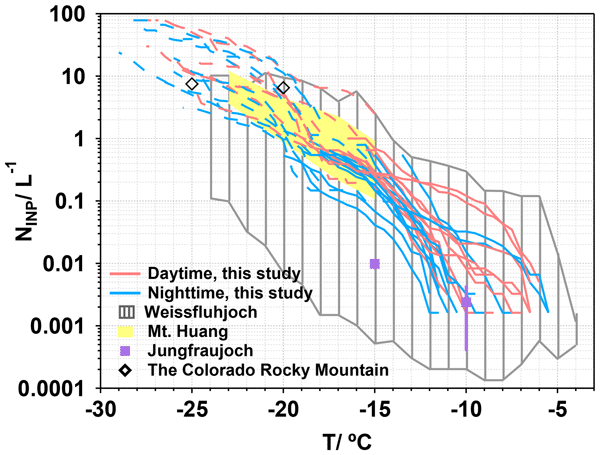
Field observations were conducted at the summit of Changbai Mountain in northeast Asia. The cumulative number concentration of ice-nucleating particles (INPs) varied from 1.6 × 10⁻³ to 78.3 L−1 over the temperature range of −5.5 to −29.0 ℃. Biological INPs (bio-INPs) accounted for the majority of INPs, and the proportion exceeded 90% above −13.0 ℃. Planetary boundary layer height, valley breezes, and long-distance transport of air mass influence the abundance of bio-INPs.
Shengming Wang, Ziheng Li, Xiangli Shi, Qingzhu Zhang, and Wenxing Wang
Atmos. Chem. Phys., 26, 12171–12181, https://doi.org/10.5194/acp-26-12171-2026, https://doi.org/10.5194/acp-26-12171-2026, 2026
Short summary
Short summary
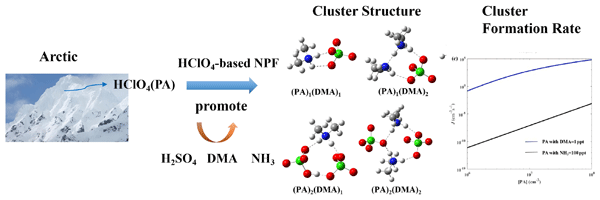
This study examines how perchloric acid (HClO₄) promotes atmospheric new particle formation. Computational simulations reveal that dimethylamine (DMA) greatly enhances this process—far more effectively than ammonia or sulfuric acid, even at substantially lower concentrations. The DMA–HClO₄ interaction thus represents a previously overlooked source of marine aerosols, offering new insight into polar climate change.
Peng Wang, Wenxuan Yu, Zhaolei Zhang, Jianyan Lu, Shenxin Li, and Hongliang Zhang
Atmos. Chem. Phys., 26, 10789–10800, https://doi.org/10.5194/acp-26-10789-2026, https://doi.org/10.5194/acp-26-10789-2026, 2026
Short summary
Short summary
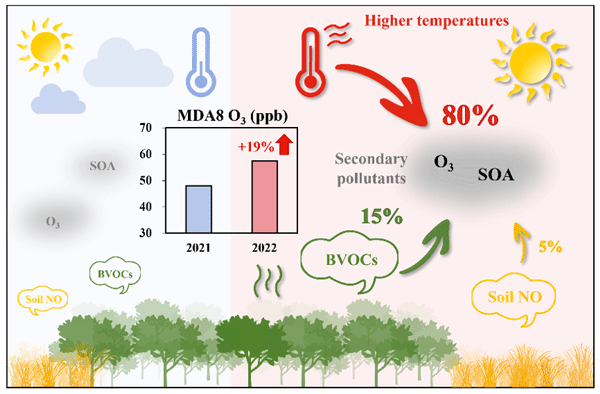
Heatwaves worsen ozone and secondary organic aerosol pollution. We quantified how much comes from heat speeding up chemical reactions versus increasing natural emissions in China. High temperatures drive over 80 % of the pollution increase nationwide by making the atmosphere more chemically reactive. The effect was strongest in the Yangtze River Delta and Pearl River Delta. Limiting climate change is essential for controlling future pollution and protecting health.
Yu Yang, Caiqing Yan, Ruyu Yuan, Ping Liu, Hanyuan Zhang, Haibiao Chen, Yujiao Zhu, Hengqing Shen, Yan Wu, Likun Xue, and Liubin Huang
Atmos. Chem. Phys., 26, 8211–8223, https://doi.org/10.5194/acp-26-8211-2026, https://doi.org/10.5194/acp-26-8211-2026, 2026
Short summary
Short summary
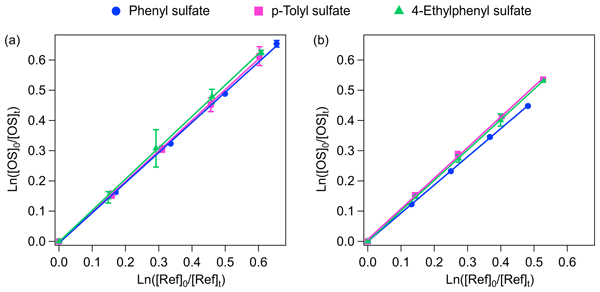
This work reveals that aromatic organosulfates can undergo rapid transformation by the liquid-phase •OH oxidation, leading to the formation of both functionalized and fragmented organosulfates as well as inorganic sulfate, and thereby enhancing light absorption and inducing new fluorescence features. These findings advance our understanding of the atmospheric fate of aromatic organosulfates and underscore the influence of this transformation pathway on the sulfur cycle and climate effects.
Guochao Chen, Yiheng Wang, Qi Ying, Xiaofei Wang, and Hongliang Zhang
EGUsphere, https://doi.org/10.5194/egusphere-2026-1196, https://doi.org/10.5194/egusphere-2026-1196, 2026
Short summary
Short summary
Brown carbon (BrC) aerosols absorb solar shortwave radiation and affect the environment and climate. Using a chemical transport model, we investigated the sources and long-term trends of primary BrC in China. Residential and industrial emissions dominate primary BrC in China, unlike the global pattern. Anthropogenic BrC accounts for most of the direct radiative effects and responds significantly to emission changes, indicating potential climate benefits of emission control measures.
Hongjin Wu, Juan Dang, Xiaomeng Zhang, Weichen Yang, Shuai Tian, Shibo Zhang, Qingzhu Zhang, and Wenxing Wang
Atmos. Chem. Phys., 25, 16435–16450, https://doi.org/10.5194/acp-25-16435-2025, https://doi.org/10.5194/acp-25-16435-2025, 2025
Short summary
Short summary
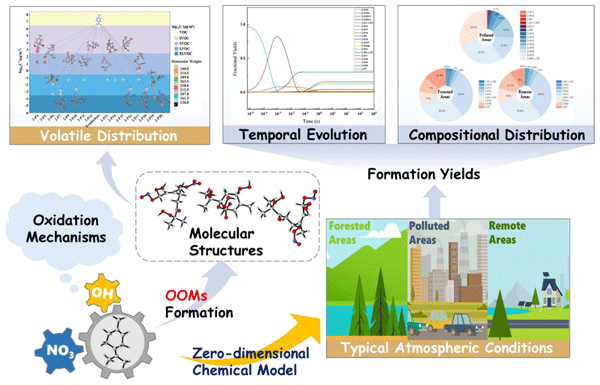
Terpinolene is an isomeride of limonene, with a high secondary organic aerosol (SOA) yield. The comparative analysis of OH-initiated (daytime) and NO3-driven (nocturnal) terpinolene oxidation mechanism, highlighted the formation of nitrogen-containing oxygenated organic molecules (OOMs), would be conducive to molecular structures identification of OOMs in atmospheric monitoring and atmospheric chemical model refinement.
Shengming Wang, Huidi Zhang, Xiangli Shi, Qingzhu Zhang, Wenxing Wang, and Qiao Wang
Atmos. Chem. Phys., 25, 15359–15368, https://doi.org/10.5194/acp-25-15359-2025, https://doi.org/10.5194/acp-25-15359-2025, 2025
Short summary
Short summary
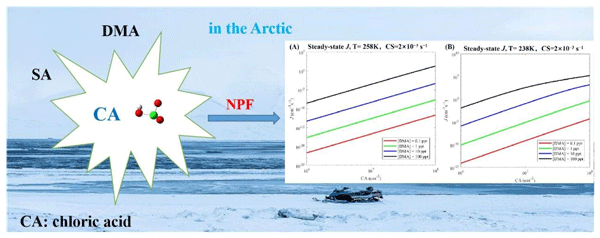
Recent studies have shown that chloric acid (HClO3, CA) is prevalent in the Arctic boundary layer. However, the mechanism of CA-based nucleation is unclear. We provide molecular-level evidence that CA-dimethylamine (DMA) nucleation may not effectively contribute to Arctic new particle formation (NPF). The proposed CA-DMA nucleation mechanism may help us to deeply understand marine NPF events in the Arctic boundary layer.
Qianqian Gao, Guochao Chen, Xiaohui Lu, Jianmin Chen, Hongliang Zhang, and Xiaofei Wang
Atmos. Chem. Phys., 25, 12657–12673, https://doi.org/10.5194/acp-25-12657-2025, https://doi.org/10.5194/acp-25-12657-2025, 2025
Short summary
Short summary
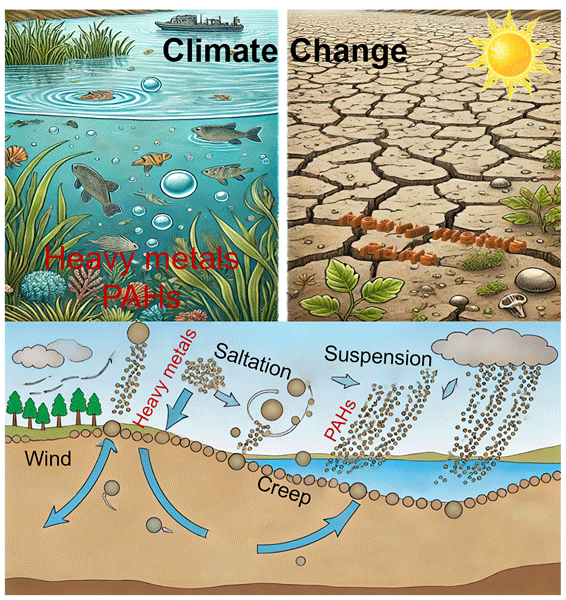
Numerous lakes are shrinking, owing to climate change and human activities, releasing pollutants from dried lake beds as dust aerosols. The health risks remain unclear. Recently, Poyang and Dongting lakes faced record droughts, exposing 99 % and 88 % of their areas. We show that lake bed dust can raise PM10 to 637.5 μg m-³ and exceed non-carcinogenic (HQ = 4.13) and Cr carcinogenic (approx. 2.10 × 10−⁶) risk thresholds, posing growing health threats.
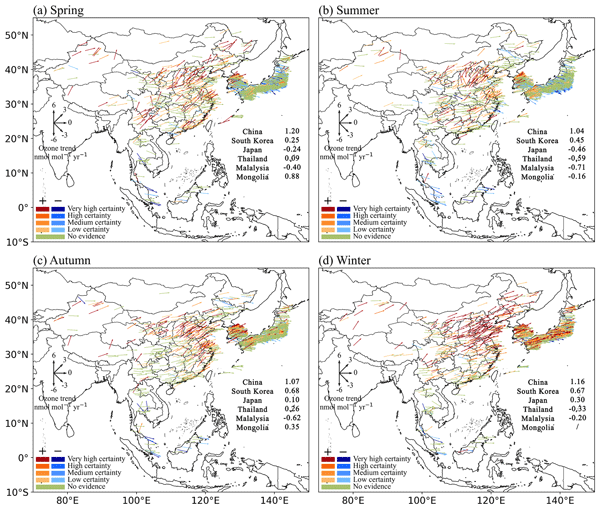
Ke Li, Rong Tan, Wenhao Qiao, Taegyung Lee, Yufen Wang, Danyuting Zhang, Minglong Tang, Wenqing Zhao, Yixuan Gu, Shaojia Fan, Jinqiang Zhang, Xiaopu Lyu, Likun Xue, Jianming Xu, Zhiqiang Ma, Mohd Talib Latif, Teerachai Amnuaylojaroen, Junsu Gil, Mee-Hye Lee, Juseon Bak, Joowan Kim, Hong Liao, Yugo Kanaya, Xiao Lu, Tatsuya Nagashima, and Ja-Ho Koo
Atmos. Chem. Phys., 25, 11575–11596, https://doi.org/10.5194/acp-25-11575-2025, https://doi.org/10.5194/acp-25-11575-2025, 2025
Short summary
Short summary
East Asia and Southeast Asia have been identified as a global hot spot, with the fastest ozone increase. This paper presents the most comprehensive observational review of ozone distributions and evolution over East Asia and Southeast Asia across different spatiotemporal scales in the past two decades, which will have important implications for assessing ozone impacts on public health and crop yields and for developing future ozone control strategies.
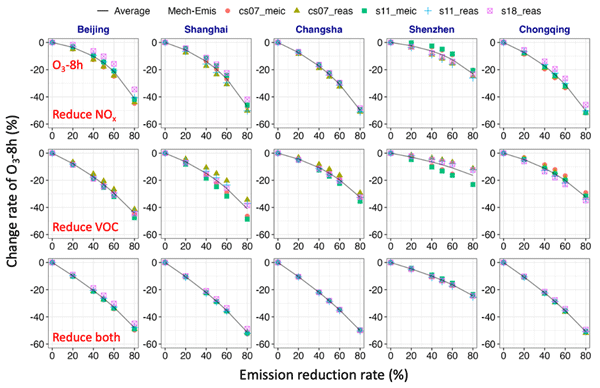
Mingjie Kang, Hongliang Zhang, and Qi Ying
Atmos. Chem. Phys., 25, 11453–11467, https://doi.org/10.5194/acp-25-11453-2025, https://doi.org/10.5194/acp-25-11453-2025, 2025
Short summary
Short summary
This study examines the impacts of reducing nitrogen oxides and volatile organic compounds on ozone (O3), secondary inorganic aerosols (SIAs), and OH and NO3 radicals. The results show similar predictions for 8 h O3 but significant variability for SIA and radicals, with differences up to 30 % for SIA and 200 % for radicals across chemical mechanisms and inventories. The findings highlight that evaluating control strategies for SIA and atmospheric oxidation capacity requires an ensemble approach.
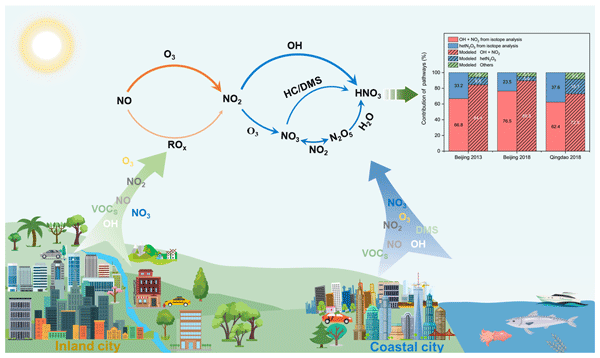
Zhenze Liu, Jianhua Qi, Yuanzhe Ni, Likun Xue, and Xiaohuan Liu
Atmos. Chem. Phys., 25, 8719–8742, https://doi.org/10.5194/acp-25-8719-2025, https://doi.org/10.5194/acp-25-8719-2025, 2025
Short summary
Short summary
Our research investigated nitrate formation in air pollution across inland and coastal cities in northern China during the winters of 2013 and 2018. Using air quality models and isotopic analysis, we identified regional differences, with coastal cities showing more contribution from the dinitrogen pentoxide (N2O5) heterogeneous reaction. Reducing nitrogen oxides (NOx), volatile organic compounds (VOCs), and ammonia (NH3) was crucial for lowering nitrate levels and improving air quality.
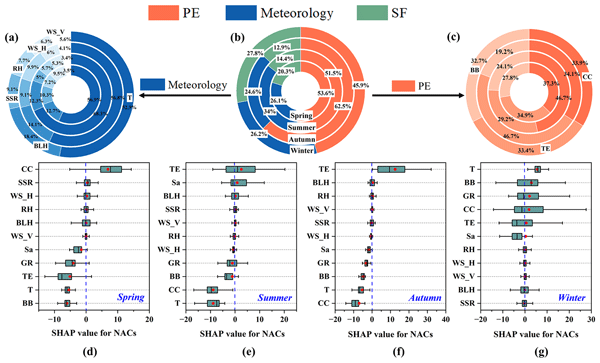
Min Li, Xinfeng Wang, Tianshuai Li, Yujia Wang, Yueru Jiang, Yujiao Zhu, Wei Nie, Rui Li, Jian Gao, Likun Xue, Qingzhu Zhang, and Wenxing Wang
Atmos. Chem. Phys., 25, 8407–8425, https://doi.org/10.5194/acp-25-8407-2025, https://doi.org/10.5194/acp-25-8407-2025, 2025
Short summary
Short summary
By integrating field measurements with an interpretable ensemble machine learning framework, we comprehensively identified key driving factors of nitro-aromatic compounds (NACs), demonstrated complex interrelationships, and quantified their contributions across different locations. This work provides a reliable modeling approach for recognizing causes of NAC pollution, enhances our understanding of variations of atmospheric NACs, and highlights the necessity of strengthening emission controls.
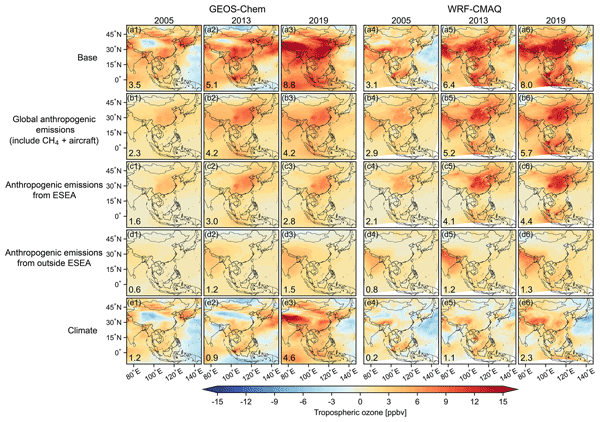
Xiao Lu, Yiming Liu, Jiayin Su, Xiang Weng, Tabish Ansari, Yuqiang Zhang, Guowen He, Yuqi Zhu, Haolin Wang, Ganquan Zeng, Jingyu Li, Cheng He, Shuai Li, Teerachai Amnuaylojaroen, Tim Butler, Qi Fan, Shaojia Fan, Grant L. Forster, Meng Gao, Jianlin Hu, Yugo Kanaya, Mohd Talib Latif, Keding Lu, Philippe Nédélec, Peer Nowack, Bastien Sauvage, Xiaobin Xu, Lin Zhang, Ke Li, Ja-Ho Koo, and Tatsuya Nagashima
Atmos. Chem. Phys., 25, 7991–8028, https://doi.org/10.5194/acp-25-7991-2025, https://doi.org/10.5194/acp-25-7991-2025, 2025
Short summary
Short summary
This study analyzes summertime ozone trends in East and Southeast Asia derived from a comprehensive observational database spanning from 1995 to 2019, incorporating aircraft observations, ozonesonde data, and measurements from 2500 surface sites. Multiple models are applied to attribute to changes in anthropogenic emissions and climate. The results highlight that increases in anthropogenic emissions are the primary driver of ozone increases both in the free troposphere and at the surface.
Yue Sun, Yujiao Zhu, Hengde Liu, Lanxiadi Chen, Hongyong Li, Yujian Bi, Di Wu, Xiangkun Yin, Can Cui, Ping Liu, Yu Yang, Jisheng Zhang, Yanqiu Nie, Lanxin Zhang, Jiangshan Mu, Yuhong Liu, Zhaoxin Guo, Qinyi Li, Yuqiang Zhang, Xinfeng Wang, Mingjin Tang, Wenxing Wang, and Likun Xue
EGUsphere, https://doi.org/10.5194/egusphere-2025-2855, https://doi.org/10.5194/egusphere-2025-2855, 2025
Preprint archived
Short summary
Short summary
Rainwater samples collected at the summit of Mount Tai were analyzed for ice-nucleating particles (INPs). Our findings revealed that INP concentrations peaked in spring, driven predominantly by long-range transport of dust aerosols. Mineral dust contributed 43.6 % of annual INPs, with its contribution rising sharply to 71.7 % in spring. Satellite observations further revealed that the long-range transport of dust in spring promotes large-scale cloud formation over the NCP region.
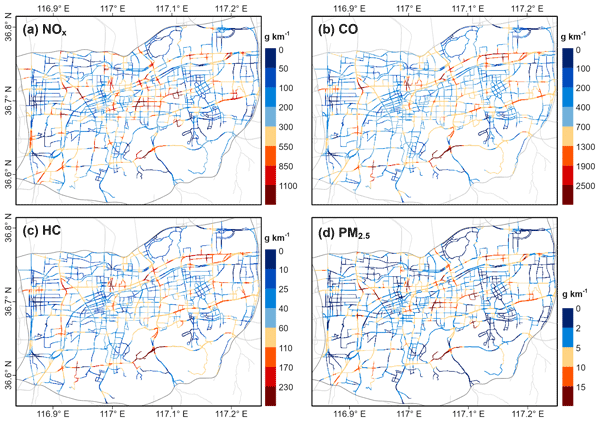
Yujia Wang, Hongbin Wang, Bo Zhang, Peng Liu, Xinfeng Wang, Shuchun Si, Likun Xue, Qingzhu Zhang, and Qiao Wang
Atmos. Chem. Phys., 25, 5537–5555, https://doi.org/10.5194/acp-25-5537-2025, https://doi.org/10.5194/acp-25-5537-2025, 2025
Short summary
Short summary
This study established a bottom-up approach that employs real-time traffic flows and interpolation to obtain a spatially continuous on-road vehicle emission mapping for the main urban area of Jinan. The diurnal variation, spatial distribution, and emission hotspots were analyzed with clustering and hotspot analysis, showing unique fine-scale variation characteristics of on-road vehicle emissions. Future scenario analysis demonstrates remarkable benefits of electrification on emission reduction.
Bin Luo, Yuqiang Zhang, Tao Tang, Hongliang Zhang, Jianlin Hu, Jiangshan Mu, Wenxing Wang, and Likun Xue
Atmos. Chem. Phys., 25, 4767–4783, https://doi.org/10.5194/acp-25-4767-2025, https://doi.org/10.5194/acp-25-4767-2025, 2025
Short summary
Short summary
India is facing a severe air pollution crisis that poses significant health risks, particularly from PM2.5 and O3. Our study reveals rising levels of both pollutants from 1995 to 2014, leading to increased premature mortality. While anthropogenic emissions play a significant role, biomass burning also impacts air quality, in particular seasons and regions in India. This study underscores the urgent need for localized policies to protect public health amid escalating environmental challenges.
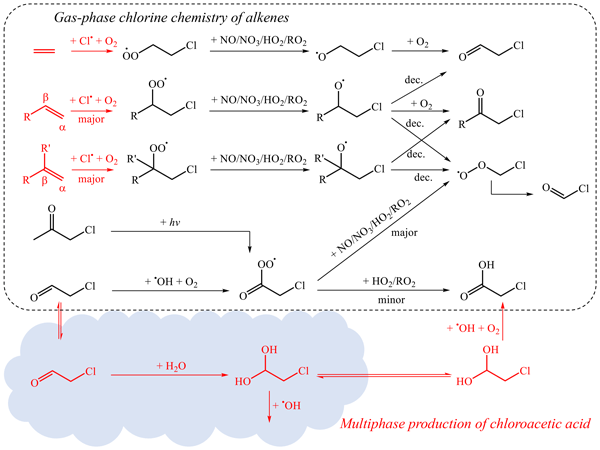
Mingxue Li, Men Xia, Chunshui Lin, Yifan Jiang, Weihang Sun, Yurun Wang, Yingnan Zhang, Maoxia He, and Tao Wang
Atmos. Chem. Phys., 25, 3753–3764, https://doi.org/10.5194/acp-25-3753-2025, https://doi.org/10.5194/acp-25-3753-2025, 2025
Short summary
Short summary
Our field campaigns observed a strong diel pattern of chloroacetic acid as well as a strong correlation between its level and that of reactive chlorine species at a coastal site. Using quantum chemical calculations and box model simulation with an updated Master Chemical Mechanism, we found that the formation pathway of chloroacetic acid involved multiphase processes. Our study enhances understanding of atmospheric organic chlorine chemistry and emphasizes the importance of multiphase reactions.
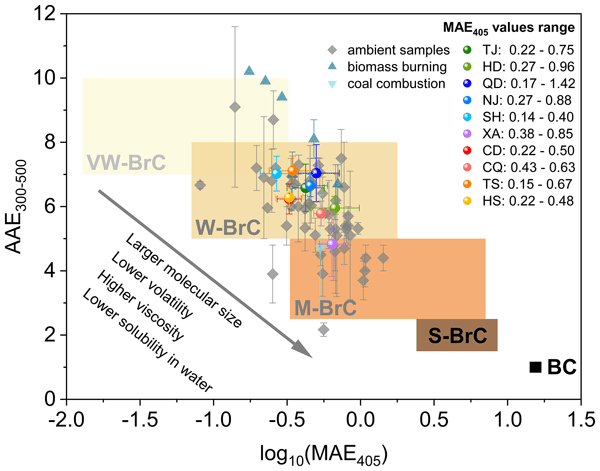
Haibiao Chen, Caiqing Yan, Liubin Huang, Lin Du, Yang Yue, Xinfeng Wang, Qingcai Chen, Mingjie Xie, Junwen Liu, Fengwen Wang, Shuhong Fang, Qiaoyun Yang, Hongya Niu, Mei Zheng, Yan Wu, and Likun Xue
Atmos. Chem. Phys., 25, 3647–3667, https://doi.org/10.5194/acp-25-3647-2025, https://doi.org/10.5194/acp-25-3647-2025, 2025
Short summary
Short summary
A comprehensive understanding of the optical properties of brown carbon (BrC) is essential to accurately assess its climatic effects. Based on multi-site spectroscopic measurements, this study demonstrated the significant spatial heterogeneity in the optical and structural properties of water-soluble organic carbon (WSOC) in different regions of China and revealed factors affecting WSOC light absorption and the relationship between fluorophores and light absorption of WSOC.
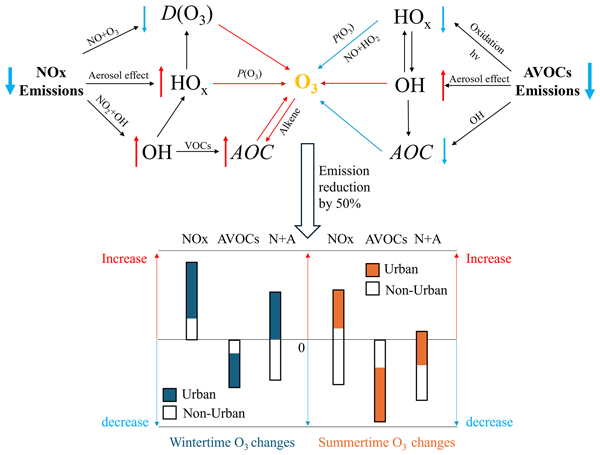
Jianing Dai, Guy P. Brasseur, Mihalis Vrekoussis, Maria Kanakidou, Kun Qu, Yijuan Zhang, Hongliang Zhang, and Tao Wang
Atmos. Chem. Phys., 24, 12943–12962, https://doi.org/10.5194/acp-24-12943-2024, https://doi.org/10.5194/acp-24-12943-2024, 2024
Short summary
Short summary
This paper employs a regional chemical transport model to quantify the sensitivity of air pollutants and photochemical parameters to specified emission reductions in China for representative winter and summer conditions. The study provides insights into further air quality control in China with reduced primary emissions.
Zizhen Han, Yuqiang Zhang, Zhou Liu, Kexin Zhang, Zhuyi Wang, Bin Luo, Likun Xue, and Xinfeng Wang
EGUsphere, https://doi.org/10.5194/egusphere-2024-2951, https://doi.org/10.5194/egusphere-2024-2951, 2024
Preprint archived
Short summary
Short summary
During the COVID-19 lockdown, changes in air pollutants offered a real-world test of emission reductions. JPL’s chemical reanalysis data showed a general decrease in CO, NO2, O3, and nitrate aerosols across most African countries, but an increase in SO2, sulfate aerosols, and O3 in Southern Africa during winter. We concluded that air quality changes are influenced by both natural and anthropogenic factors, emphasizing the need for stricter emission standards and clean energy promotion in Africa.
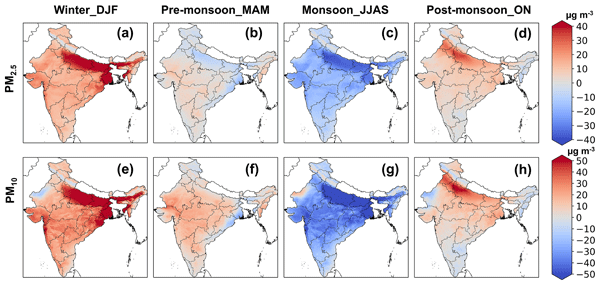
Shuai Wang, Mengyuan Zhang, Hui Zhao, Peng Wang, Sri Harsha Kota, Qingyan Fu, Cong Liu, and Hongliang Zhang
Earth Syst. Sci. Data, 16, 3565–3577, https://doi.org/10.5194/essd-16-3565-2024, https://doi.org/10.5194/essd-16-3565-2024, 2024
Short summary
Short summary
Long-term, open-source, gap-free daily ground-level PM2.5 and PM10 datasets for India (LongPMInd) were reconstructed using a robust machine learning model to support health assessment and air quality management.
Hongyong Li, Xiaopu Lyu, Likun Xue, Yunxi Huo, Dawen Yao, Haoxian Lu, and Hai Guo
Atmos. Chem. Phys., 24, 7085–7100, https://doi.org/10.5194/acp-24-7085-2024, https://doi.org/10.5194/acp-24-7085-2024, 2024
Short summary
Short summary
Organic aerosol is ubiquitous in the atmosphere and largely explains the gap between current levels of fine particulate matter in many cities and the World Health Organization guideline values. This study highlights the dominant contributions of cooking emissions to organic aerosol when marine air prevailed in Hong Kong, which were occasionally overwhelmed by aromatics-derived secondary organic aerosol in continental ouflows.
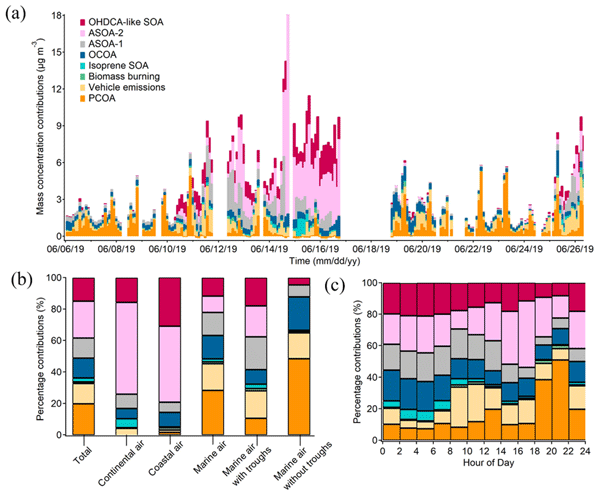
Wei Sun, Xiaodong Hu, Yuzhen Fu, Guohua Zhang, Yujiao Zhu, Xinfeng Wang, Caiqing Yan, Likun Xue, He Meng, Bin Jiang, Yuhong Liao, Xinming Wang, Ping'an Peng, and Xinhui Bi
Atmos. Chem. Phys., 24, 6987–6999, https://doi.org/10.5194/acp-24-6987-2024, https://doi.org/10.5194/acp-24-6987-2024, 2024
Short summary
Short summary
The formation pathways of nitrogen-containing compounds (NOCs) in the atmosphere remain unclear. We investigated the composition of aerosols and fog water by state-of-the-art mass spectrometry and compared the formation pathways of NOCs. We found that NOCs in aerosols were mainly formed through nitration reaction, while ammonia addition played a more important role in fog water. The results deepen our understanding of the processes of organic particulate pollution.
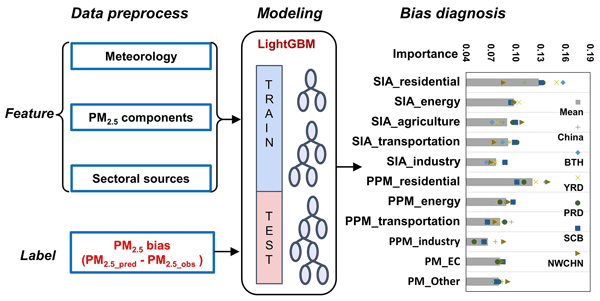
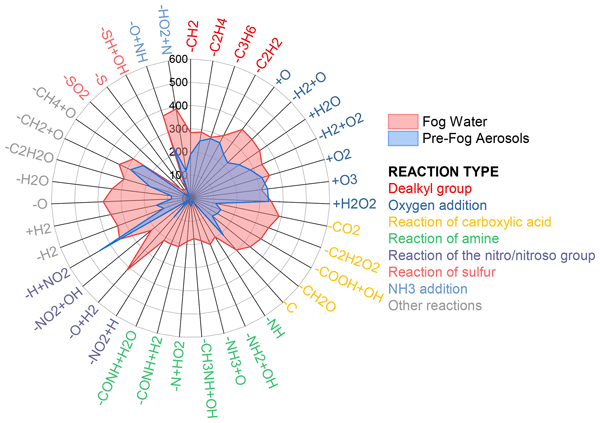
Shuai Wang, Mengyuan Zhang, Yueqi Gao, Peng Wang, Qingyan Fu, and Hongliang Zhang
Geosci. Model Dev., 17, 3617–3629, https://doi.org/10.5194/gmd-17-3617-2024, https://doi.org/10.5194/gmd-17-3617-2024, 2024
Short summary
Short summary
Numerical models are widely used in air pollution modeling but suffer from significant biases. The machine learning model designed in this study shows high efficiency in identifying such biases. Meteorology (relative humidity and cloud cover), chemical composition (secondary organic components and dust aerosols), and emission sources (residential activities) are diagnosed as the main drivers of bias in modeling PM2.5, a typical air pollutant. The results will help to improve numerical models.
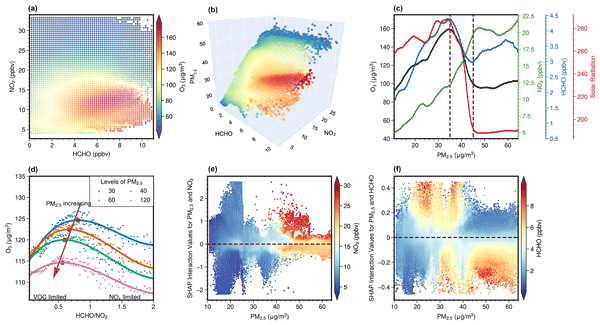
Chenliang Tao, Yanbo Peng, Qingzhu Zhang, Yuqiang Zhang, Bing Gong, Qiao Wang, and Wenxing Wang
Atmos. Chem. Phys., 24, 4177–4192, https://doi.org/10.5194/acp-24-4177-2024, https://doi.org/10.5194/acp-24-4177-2024, 2024
Short summary
Short summary
We developed a novel transformer framework to bridge the sparse surface monitoring for inferring ozone–NOx–VOC–aerosol sensitivity and their urban–nonurban discrepancies at a finer scale with implications for improving our understanding of ozone variations. The change in urban–rural disparities in ozone was dominated by PM2.5 from 2019 to 2020. An aerosol-inhibited regime on top of the two traditional NOx- and VOC-limited regimes was identified in Jiaodong Peninsula, Shandong, China.
Yue Sun, Yujiao Zhu, Yanbin Qi, Lanxiadi Chen, Jiangshan Mu, Ye Shan, Yu Yang, Yanqiu Nie, Ping Liu, Can Cui, Ji Zhang, Mingxuan Liu, Lingli Zhang, Yufei Wang, Xinfeng Wang, Mingjin Tang, Wenxing Wang, and Likun Xue
Atmos. Chem. Phys., 24, 3241–3256, https://doi.org/10.5194/acp-24-3241-2024, https://doi.org/10.5194/acp-24-3241-2024, 2024
Short summary
Short summary
Field observations were conducted at the summit of Changbai Mountain in northeast Asia. The cumulative number concentration of ice-nucleating particles (INPs) varied from 1.6 × 10⁻³ to 78.3 L−1 over the temperature range of −5.5 to −29.0 ℃. Biological INPs (bio-INPs) accounted for the majority of INPs, and the proportion exceeded 90% above −13.0 ℃. Planetary boundary layer height, valley breezes, and long-distance transport of air mass influence the abundance of bio-INPs.
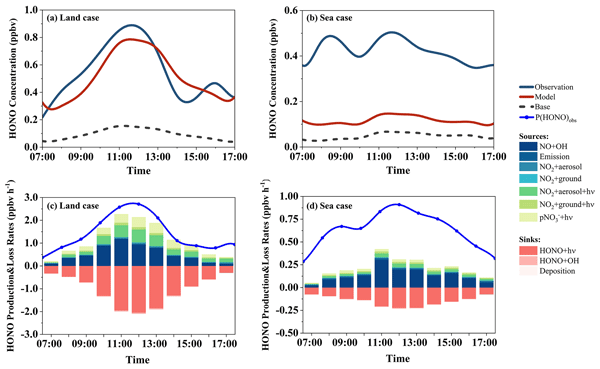
Xuelian Zhong, Hengqing Shen, Min Zhao, Ji Zhang, Yue Sun, Yuhong Liu, Yingnan Zhang, Ye Shan, Hongyong Li, Jiangshan Mu, Yu Yang, Yanqiu Nie, Jinghao Tang, Can Dong, Xinfeng Wang, Yujiao Zhu, Mingzhi Guo, Wenxing Wang, and Likun Xue
Atmos. Chem. Phys., 23, 14761–14778, https://doi.org/10.5194/acp-23-14761-2023, https://doi.org/10.5194/acp-23-14761-2023, 2023
Short summary
Short summary
Nitrous acid (HONO) is vital for atmospheric oxidation. In research at Mount Lao, China, models revealed a significant unidentified marine HONO source. Overlooking this could skew our understanding of air quality and climate change. This finding emphasizes HONO’s importance in the coastal atmosphere, uncovering previously unnoticed interactions.
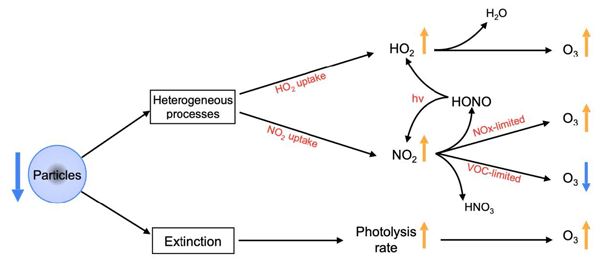
Jianing Dai, Guy P. Brasseur, Mihalis Vrekoussis, Maria Kanakidou, Kun Qu, Yijuan Zhang, Hongliang Zhang, and Tao Wang
Atmos. Chem. Phys., 23, 14127–14158, https://doi.org/10.5194/acp-23-14127-2023, https://doi.org/10.5194/acp-23-14127-2023, 2023
Short summary
Short summary
In this study, we used a regional chemical transport model to characterize the different parameters of atmospheric oxidative capacity in recent chemical environments in China. These parameters include the production and destruction rates of ozone and other oxidants, the ozone production efficiency, the OH reactivity, and the length of the reaction chain responsible for the formation of ozone and ROx. They are also affected by the aerosol burden in the atmosphere.
Qianqian Gao, Shengqiang Zhu, Kaili Zhou, Jinghao Zhai, Shaodong Chen, Qihuang Wang, Shurong Wang, Jin Han, Xiaohui Lu, Hong Chen, Liwu Zhang, Lin Wang, Zimeng Wang, Xin Yang, Qi Ying, Hongliang Zhang, Jianmin Chen, and Xiaofei Wang
Atmos. Chem. Phys., 23, 13049–13060, https://doi.org/10.5194/acp-23-13049-2023, https://doi.org/10.5194/acp-23-13049-2023, 2023
Short summary
Short summary
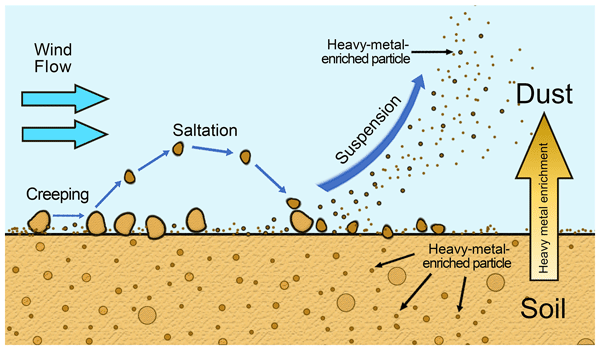
Dust is a major source of atmospheric aerosols. Its chemical composition is often assumed to be similar to the parent soil. However, this assumption has not been rigorously verified. Dust aerosols are mainly generated by wind erosion, which may have some chemical selectivity. Mn, Cd and Pb were found to be highly enriched in fine-dust (PM2.5) aerosols. In addition, estimation of heavy metal emissions from dust generation by air quality models may have errors without using proper dust profiles.
Youwei Hong, Keran Zhang, Dan Liao, Gaojie Chen, Min Zhao, Yiling Lin, Xiaoting Ji, Ke Xu, Yu Wu, Ruilian Yu, Gongren Hu, Sung-Deuk Choi, Likun Xue, and Jinsheng Chen
Atmos. Chem. Phys., 23, 10795–10807, https://doi.org/10.5194/acp-23-10795-2023, https://doi.org/10.5194/acp-23-10795-2023, 2023
Short summary
Short summary
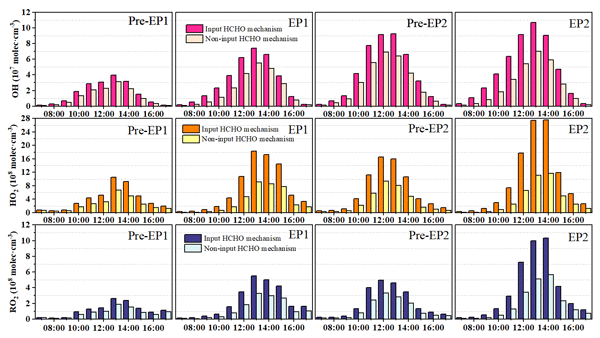
Particle uptakes of HCHO and the impacts on PM2.5 and O3 production remain highly uncertain. Based on the investigation of co-occurring wintertime O3 and PM2.5 pollution in a coastal city of southeast China, we found enhanced heterogeneous formation of hydroxymethanesulfonate (HMS) and increased ROx concentrations and net O3 production rates. The findings of this study are helpful to better explore the mechanisms of key precursors for co-occurring PM2.5 and O3 pollution.
Xiaodong Xie, Jianlin Hu, Momei Qin, Song Guo, Min Hu, Dongsheng Ji, Hongli Wang, Shengrong Lou, Cheng Huang, Chong Liu, Hongliang Zhang, Qi Ying, Hong Liao, and Yuanhang Zhang
Atmos. Chem. Phys., 23, 10563–10578, https://doi.org/10.5194/acp-23-10563-2023, https://doi.org/10.5194/acp-23-10563-2023, 2023
Short summary
Short summary
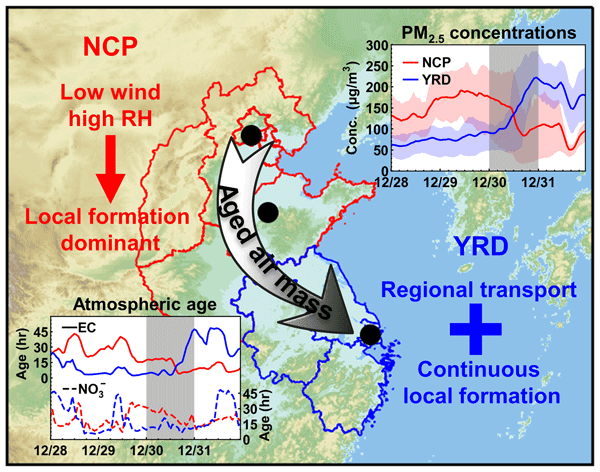
The atmospheric age of particles reflects how long particles have been formed and suspended in the atmosphere, which is closely associated with the evolution processes of particles. An analysis of the atmospheric age of PM2.5 provides a unique perspective on the evolution processes of different PM2.5 components. The results also shed lights on how to design effective emission control actions under unfavorable meteorological conditions.
Jinlong Ma, Shengqiang Zhu, Siyu Wang, Peng Wang, Jianmin Chen, and Hongliang Zhang
Atmos. Chem. Phys., 23, 4311–4325, https://doi.org/10.5194/acp-23-4311-2023, https://doi.org/10.5194/acp-23-4311-2023, 2023
Short summary
Short summary
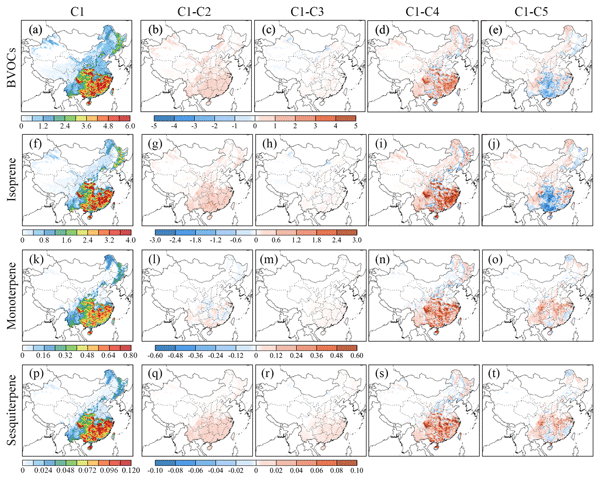
An updated version of the CMAQ model with biogenic volatile organic compound (BVOC) emissions from MEGAN was applied to study the impacts of different land cover inputs on O3 and secondary organic aerosol (SOA) in China. The estimated BVOC emissions ranged from 25.42 to 37.39 Tg using different leaf area index (LAI) and land cover (LC) inputs. Those differences further induced differences of 4.8–6.9 ppb in O3 concentrations and differences of 5.3–8.4 µg m−3 in SOA concentrations in China.
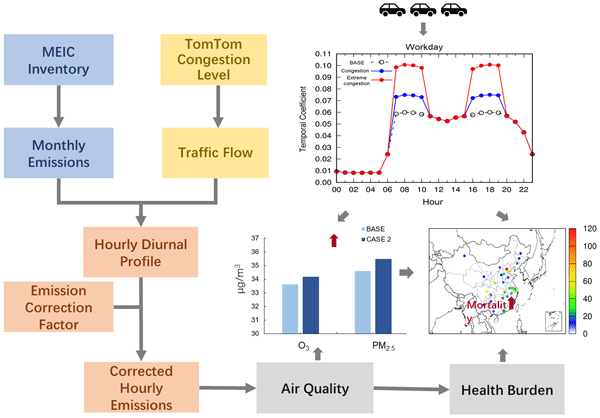
Peng Wang, Ruhan Zhang, Shida Sun, Meng Gao, Bo Zheng, Dan Zhang, Yanli Zhang, Gregory R. Carmichael, and Hongliang Zhang
Atmos. Chem. Phys., 23, 2983–2996, https://doi.org/10.5194/acp-23-2983-2023, https://doi.org/10.5194/acp-23-2983-2023, 2023
Short summary
Short summary
In China, the number of vehicles has jumped significantly in the last decade. This caused severe traffic congestion and aggravated air pollution. In this study, we developed a new temporal allocation approach to quantify the impacts of traffic congestion. We found that traffic congestion worsens air quality and the health burden across China, especially in the urban clusters. More effective and comprehensive vehicle emission control policies should be implemented to improve air quality in China.
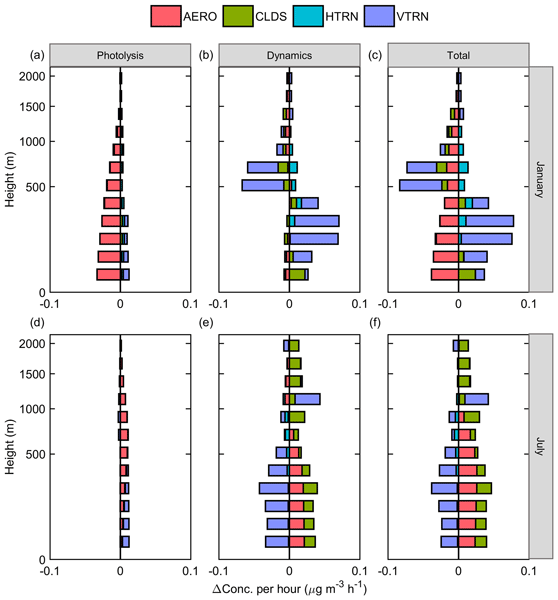
Jiandong Wang, Jia Xing, Shuxiao Wang, Rohit Mathur, Jiaping Wang, Yuqiang Zhang, Chao Liu, Jonathan Pleim, Dian Ding, Xing Chang, Jingkun Jiang, Peng Zhao, Shovan Kumar Sahu, Yuzhi Jin, David C. Wong, and Jiming Hao
Atmos. Chem. Phys., 22, 5147–5156, https://doi.org/10.5194/acp-22-5147-2022, https://doi.org/10.5194/acp-22-5147-2022, 2022
Short summary
Short summary
Aerosols reduce surface solar radiation and change the photolysis rate and planetary boundary layer stability. In this study, the online coupled meteorological and chemistry model was used to explore the detailed pathway of how aerosol direct effects affect secondary inorganic aerosol. The effects through the dynamics pathway act as an equally or even more important route compared with the photolysis pathway in affecting secondary aerosol concentration in both summer and winter.
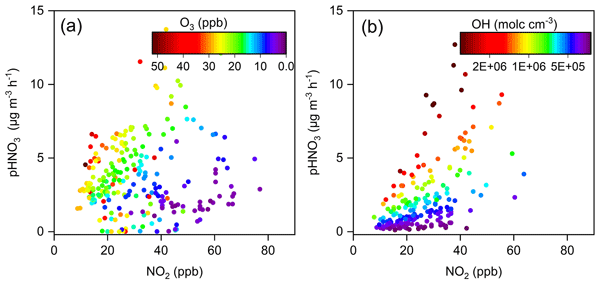
Han Zang, Yue Zhao, Juntao Huo, Qianbiao Zhao, Qingyan Fu, Yusen Duan, Jingyuan Shao, Cheng Huang, Jingyu An, Likun Xue, Ziyue Li, Chenxi Li, and Huayun Xiao
Atmos. Chem. Phys., 22, 4355–4374, https://doi.org/10.5194/acp-22-4355-2022, https://doi.org/10.5194/acp-22-4355-2022, 2022
Short summary
Short summary
Particulate nitrate plays an important role in wintertime haze pollution in eastern China, yet quantitative constraints on detailed nitrate formation mechanisms remain limited. Here we quantified the contributions of the heterogeneous N2O5 hydrolysis (66 %) and gas-phase OH + NO2 reaction (32 %) to nitrate formation in this region and identified the atmospheric oxidation capacity (i.e., availability of O3 and OH radicals) as the driving factor of nitrate formation from both processes.
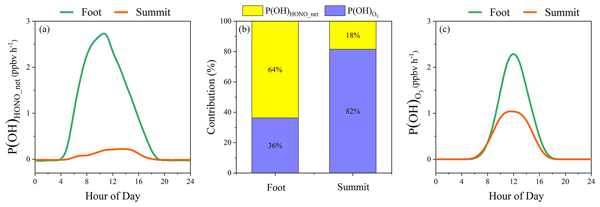
Chaoyang Xue, Can Ye, Jörg Kleffmann, Chenglong Zhang, Valéry Catoire, Fengxia Bao, Abdelwahid Mellouki, Likun Xue, Jianmin Chen, Keding Lu, Yong Zhao, Hengde Liu, Zhaoxin Guo, and Yujing Mu
Atmos. Chem. Phys., 22, 3149–3167, https://doi.org/10.5194/acp-22-3149-2022, https://doi.org/10.5194/acp-22-3149-2022, 2022
Short summary
Short summary
Summertime measurements of nitrous acid (HONO) and related parameters were conducted at the foot and the summit of Mt. Tai (1534 m above sea level). We proposed a rapid vertical air mass exchange between the foot and the summit level, which enhances the role of HONO in the oxidizing capacity of the upper boundary layer. Kinetics for aerosol-derived HONO sources were constrained. HONO formation from different paths was quantified and discussed.
Dianyi Li, Drew Shindell, Dian Ding, Xiao Lu, Lin Zhang, and Yuqiang Zhang
Atmos. Chem. Phys., 22, 2625–2638, https://doi.org/10.5194/acp-22-2625-2022, https://doi.org/10.5194/acp-22-2625-2022, 2022
Short summary
Short summary
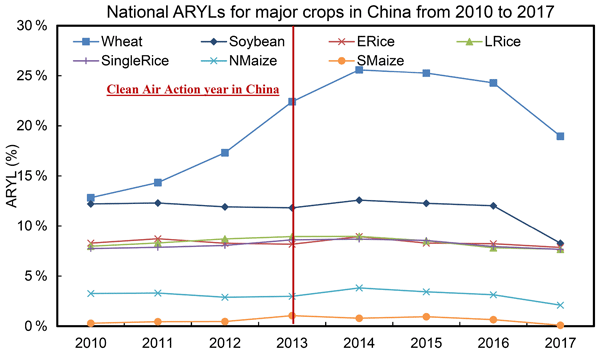
In this study, we applied chemical transport model simulation with the latest annual anthropogenic emission inventory to study the long-term trend of ozone-induced crop production losses from 2010 to 2017 in China. We find that overall the ozone-induced crop production loss in China is significant and the annual average economic losses for wheat, rice, maize, and soybean in China are USD 9.55 billion, USD 8.53 billion, USD 2.23 billion, and USD 1.16 billion respectively, over the 8 years.
Taotao Liu, Youwei Hong, Mengren Li, Lingling Xu, Jinsheng Chen, Yahui Bian, Chen Yang, Yangbin Dan, Yingnan Zhang, Likun Xue, Min Zhao, Zhi Huang, and Hong Wang
Atmos. Chem. Phys., 22, 2173–2190, https://doi.org/10.5194/acp-22-2173-2022, https://doi.org/10.5194/acp-22-2173-2022, 2022
Short summary
Short summary
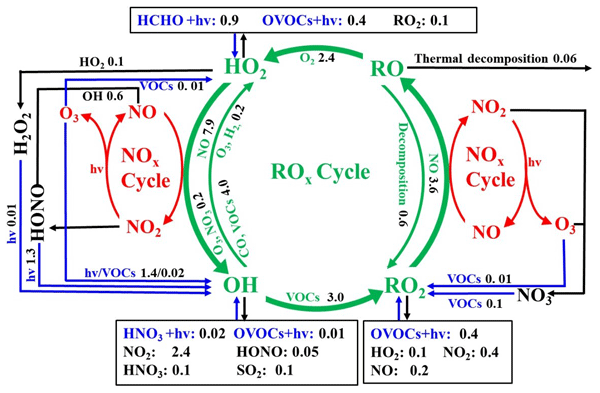
Based on the OBM-MCM model analyses, the study aims to clarify (1) the pollution characteristics of O3 and its precursors, (2) the atmospheric oxidation capacity and radical chemistry, and (3) the O3 formation mechanism and sensitivity analysis. The results are expected to enhance the understanding of the O3 formation mechanism with low O3 precursor levels and provide scientific evidence for O3 pollution control in coastal cities.
Yuqiang Zhang, Drew Shindell, Karl Seltzer, Lu Shen, Jean-Francois Lamarque, Qiang Zhang, Bo Zheng, Jia Xing, Zhe Jiang, and Lei Zhang
Atmos. Chem. Phys., 21, 16051–16065, https://doi.org/10.5194/acp-21-16051-2021, https://doi.org/10.5194/acp-21-16051-2021, 2021
Short summary
Short summary
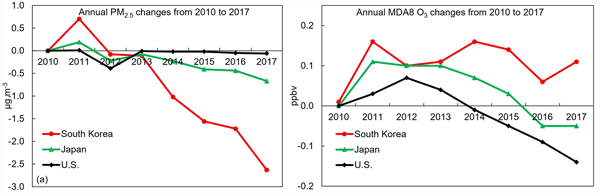
In this study, we use a global chemical transport model to simulate the effects on global air quality and human health due to emission changes in China from 2010 to 2017. By performing sensitivity analysis, we found that the air pollution control policies not only decrease the air pollutant concentration but also bring significant co-benefits in air quality to downwind regions. The benefits for the improved air pollution are dominated by PM2.5.
Men Xia, Xiang Peng, Weihao Wang, Chuan Yu, Zhe Wang, Yee Jun Tham, Jianmin Chen, Hui Chen, Yujing Mu, Chenglong Zhang, Pengfei Liu, Likun Xue, Xinfeng Wang, Jian Gao, Hong Li, and Tao Wang
Atmos. Chem. Phys., 21, 15985–16000, https://doi.org/10.5194/acp-21-15985-2021, https://doi.org/10.5194/acp-21-15985-2021, 2021
Short summary
Short summary
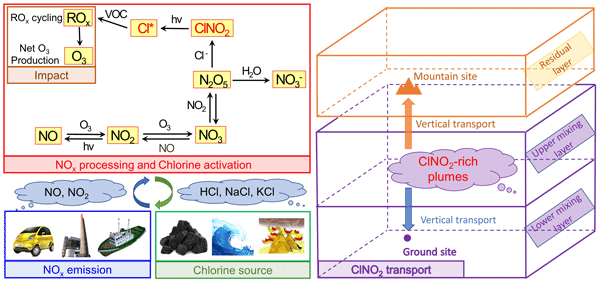
ClNO2 is an important precursor of chlorine radical that affects photochemistry. However, its production and impact are not well understood. Our study presents field observations of ClNO2 at three sites in northern China. These observations provide new insights into nighttime processes that produce ClNO2 and the significant impact of ClNO2 on secondary pollutions during daytime. The results improve the understanding of photochemical pollution in the lower part of the atmosphere.
Cited articles
Anenberg, S. C., Mohegh, A., Goldberg, D. L., Kerr, G. H., Brauer, M., Burkart, K., Hystad, P., Larkin, A., Wozniak, S., and Lamsal, L.: Long-term trends in urban NO2 concentrations and associated paediatric asthma incidence: estimates from global datasets, Lancet Planet. Health, 6, e49–e58, https://doi.org/10.1016/S2542-5196(21)00255-2, 2022.
Chan, K. L., Khorsandi, E., Liu, S., Baier, F., and Valks, P.: Estimation of surface NO2 concentrations over Germany from TROPOMI satellite observations using a machine learning method, Remote Sens., 13, 969, https://doi.org/10.3390/rs13050969, 2021.
Chi, Y., Fan, M., Zhao, C., Yang, Y., Fan, H., Yang, X., Yang, J., and Tao, J.: Machine learning-based estimation of ground-level NO2 concentrations over China, Sci. Total Environ., 807, 150721, https://doi.org/10.1016/j.scitotenv.2021.150721, 2022.
Chowdhury, S., Haines, A., Klingmüller, K., Kumar, V., Pozzer, A., Venkataraman, C., Witt, C., and Lelieveld, J.: Global and national assessment of the incidence of asthma in children and adolescents from major sources of ambient NO2, Environ. Res. Lett., 16, 035020, https://doi.org/10.1088/1748-9326/abe909, 2021.
Cooper, M. J., Martin, R. V., Hammer, M. S., Levelt, P. F., Veefkind, P., Lamsal, L. N., Krotkov, N. A., Brook, J. R., and McLinden, C. A.: Global fine-scale changes in ambient NO2 during COVID-19 lockdowns, Nature, 601, 380–387, https://doi.org/10.1038/s41586-021-04229-0, 2022.
Crippa, M., Janssens-Maenhout, G., Dentener, F., Guizzardi, D., Sindelarova, K., Muntean, M., Van Dingenen, R., and Granier, C.: Forty years of improvements in European air quality: regional policy-industry interactions with global impacts, Atmos. Chem. Phys., 16, 3825–3841, https://doi.org/10.5194/acp-16-3825-2016, 2016.
Di, Q., Amini, H., Shi, L., Kloog, I., Silvern, R., Kelly, J., Sabath, M. B., Choirat, C., Koutrakis, P., and Lyapustin, A.: Assessing NO2 concentration and model uncertainty with high spatiotemporal resolution across the contiguous United States using ensemble model averaging, Environ. Sci. Technol., 54, 1372–1384, https://doi.org/10.1021/acs.est.9b03358, 2019.
Fei, L., Chan, L. Y., Bi, X., Guo, H., Liu, Y., Lin, Q., Wang, X., Peng, P., and Sheng, G.: Effect of cloud-to-ground lightning and meteorological conditions on surface NOx and O3 in Hong Kong, Atmos. Res., 182, 132–141, https://doi.org/10.1016/j.atmosres.2016.07.021, 2016.
Feng, Y., Ning, M., Lei, Y., Sun, Y., Liu, W., and Wang, J.: Defending blue sky in China: effectiveness of the “Air Pollution Prevention and Control Action Plan” on air quality improvements from 2013 to 2017, J. Environ. Manage., 252, 109603, https://doi.org/10.1016/j.jenvman.2019.109603, 2019.
Freire, C., Ramos, R., Puertas, R., Lopez-Espinosa, M.-J., Julvez, J., Aguilera, I., Cruz, F., Fernandez, M.-F., Sunyer, J., and Olea, N.: Association of traffic-related air pollution with cognitive development in children, J. Epidemiol. Commun. H., 64, 223–228, https://doi.org/10.1136/jech.2008.084574, 2010.
Gao, J., Yang, Y., Wang, H., Wang, P., Li, H., Li, M., Ren, L., Yue, X., and Liao, H.: Fast climate responses to emission reductions in aerosol and ozone precursors in China during 2013–2017, Atmos. Chem. Phys., 22, 7131–7142, https://doi.org/10.5194/acp-22-7131-2022, 2022.
Geng, G., Xiao, Q., Zheng, Y., Tong, D., Zhang, Y., Zhang, X., Zhang, Q., He, K., and Liu, Y.: Impact of China's air pollution prevention and control action plan on PM2.5 chemical composition over eastern China, Sci. China Earth Sci., 62, 1872–1884, https://doi.org/10.1007/s11430-018-9353-x, 2019.
Georgoulias, A. K., van der A, R. J., Stammes, P., Boersma, K. F., and Eskes, H. J.: Trends and trend reversal detection in 2 decades of tropospheric NO2 satellite observations, Atmos. Chem. Phys., 19, 6269–6294, https://doi.org/10.5194/acp-19-6269-2019, 2019.
Guerreiro, C. B., Foltescu, V., and De Leeuw, F.: Air quality status and trends in Europe, Atmos. Environ., 98, 376–384, https://doi.org/10.1016/j.atmosenv.2014.09.017, 2014.
Hall, S. J., Matson, P. A., and Roth, P. M.: NOx emissions from soil: implications for air quality modeling in agricultural regions, Annu. Rev. Env. Resour., 21, 311–346, https://doi.org/10.1146/annurev.energy.21.1.311, 1996.
Health Effects Institute: State of Global Air 2024, Special Report, Health Effects Institute, Boston, MA, https://www.stateofglobalair.org (last access: 29 April 2026), 2024.
Huang, K., Xiao, Q., Meng, X., Geng, G., Wang, Y., Lyapustin, A., Gu, D., and Liu, Y.: Predicting monthly high-resolution PM2.5 concentrations with random forest model in the North China Plain, Environ. Pollut., 242, 675–683, https://doi.org/10.1016/j.envpol.2018.07.016, 2018.
Huang, K., Zhu, Q., Lu, X., Gu, D., and Liu, Y.: Satellite-based long-term spatiotemporal trends in ambient NO2 concentrations and attributable health burdens in China from 2005 to 2020, GeoHealth, 7, e2023GH000798, https://doi.org/10.1029/2023GH000798, 2023.
Huneeus, N., van Der Gon, H. D., Castesana, P., Menares, C., Granier, C., Granier, L., Alonso, M., de Fatima Andrade, M., Dawidowski, L., and Gallardo, L.: Evaluation of anthropogenic air pollutant emission inventories for South America at national and city scale, Atmos. Environ., 235, 117606, https://doi.org/10.1016/j.atmosenv.2020.117606, 2020.
Kim, E., Park, H., Hong, Y.-C., Ha, M., Kim, Y., Kim, B.-N., Kim, Y., Roh, Y.-M., Lee, B.-E., and Ryu, J.-M.: Prenatal exposure to PM10 and NO2 and children's neurodevelopment from birth to 24 months of age: Mothers and Children's Environmental Health (MOCEH) study, Sci. Total Environ., 481, 439–445, https://doi.org/10.1016/j.scitotenv.2014.01.107, 2014.
Larkin, A., Anenberg, S., Goldberg, L. D., Mohegh, A., Brauer, M., and Hystad, P.: A global spatial-temporal land use regression model for nitrogen dioxide air pollution, Front. Environ. Sci., 11, https://doi.org/10.3389/fenvs.2023.1125979, 2023.
Levelt, P. F., Van Den Oord, G. H., Dobber, M. R., Malkki, A., Visser, H., De Vries, J., Stammes, P., Lundell, J. O., and Saari, H.: The ozone monitoring instrument, IEEE T. Geosci. Remote, 44, 1093–1101, https://doi.org/10.1109/TGRS.2006.872333, 2006.
Li, K., Jacob, D. J., Liao, H., Shen, L., Zhang, Q., and Bates, K. H.: Anthropogenic drivers of 2013–2017 trends in summer surface ozone in China, P. Natl. Acad. Sci. USA, 116, 422–427, https://doi.org/10.1073/pnas.1812168116, 2019.
Liu, R., Shao, M., and Wang, Q.: Multi-timescale variation characteristics of PM2.5 in different regions of China during 2014–2022, Sci. Total Environ., 920, 171008, https://doi.org/10.1016/j.scitotenv.2024.171008, 2024.
Liu, X., Zhang, X., Wang, R., Liu, Y., Hadiatullah, H., Xu, Y., Wang, T., Bendl, J., Adam, T., and Schnelle-Kreis, J.: High-precision microscale particulate matter prediction in diverse environments using a Long Short-Term Memory neural network and street view imagery, Environ. Sci. Technol., 58, 3869–3882, https://doi.org/10.1021/acs.est.3c06511, 2024.
Long, S., Wei, X., Zhang, F., Zhang, R., Xu, J., Wu, K., Li, Q., and Li, W.: Estimating daily ground-level NO2 concentrations over China based on TROPOMI observations and machine learning approach, Atmos. Environ., 289, 119310, https://doi.org/10.1016/j.atmosenv.2022.119310, 2022.
Mu, J. and Tao, C.: GlobalNO2_AIT: 0.1° annual resolution global ground-level NO2 dataset, Zenodo [data set], https://doi.org/10.5281/zenodo.13842191, 2025.
Qu, Z., Jacob, D. J., Silvern, R. F., Shah, V., Campbell, P. C., Valin, L. C., and Murray, L. T.: US COVID-19 shutdown demonstrates importance of background NO2 in inferring NOx emissions from satellite NO2 observations, Geophys. Res. Lett., 48, e2021GL092783, https://doi.org/10.1029/2021GL092783, 2021.
Riojas-Rodríguez, H., da Silva, A. S., Texcalac-Sangrador, J. L., and Moreno-Banda, G. L.: Air pollution management and control in Latin America and the Caribbean: implications for climate change, Rev. Panam. Salud Públ., 40, 150–159, 2016.
Schmidt, C. W.: Environmental factors in successful aging: the potential impact of air pollution, Environ. Health Persp., 127, 102001, https://doi.org/10.1289/EHP4579, 2019.
Sekiya, T., Miyazaki, K., Eskes, H., Sudo, K., Takigawa, M., and Kanaya, Y.: A comparison of the impact of TROPOMI and OMI tropospheric NO2 on global chemical data assimilation, Atmos. Meas. Tech., 15, 1703–1728, https://doi.org/10.5194/amt-15-1703-2022, 2022.
Sentís, A., Sunyer, J., Dalmau-Bueno, A., Andiarena, A., Ballester, F., Cirach, M., Estarlich, M., Fernández-Somoano, A., Ibarluzea, J., and Íñiguez, C.: Prenatal and postnatal exposure to NO2 and child attentional function at 4–5 years of age, Environ. Int., 106, 170–177, https://doi.org/10.1016/j.envint.2017.05.021, 2017.
Shao, Y., Zhao, W., Liu, R., Yang, J., Liu, M., Fang, W., Hu, L., Adams, M., Bi, J., and Ma, Z.: Estimation of daily NO2 with explainable machine learning model in China, 2007–2020, Atmos. Environ., 314, 120111, https://doi.org/10.1016/j.atmosenv.2023.120111, 2023.
Sicard, P., Agathokleous, E., De Marco, A., Paoletti, E., and Calatayud, V.: Urban population exposure to air pollution in Europe over the last decades, Environ. Sci. Eur., 33, 1–12, https://doi.org/10.1186/s12302-020-00450-2, 2021.
Sun, W., Lu, K., and Li, R.: Global estimates of ambient NO2 concentrations and long-term health effects during 2000–2019, Environ. Pollut., 359, 124562, https://doi.org/10.1016/j.envpol.2024.124562, 2024.
Tao, C., Peng, Y., Zhang, Q., Zhang, Y., Gong, B., Wang, Q., and Wang, W.: Diagnosing ozone–NOx–VOC–aerosol sensitivity and uncovering causes of urban–nonurban discrepancies in Shandong, China, using transformer-based estimations, Atmos. Chem. Phys., 24, 4177–4192, https://doi.org/10.5194/acp-24-4177-2024, 2024.
Veefkind, J. P., Aben, I., McMullan, K., Förster, H., De Vries, J., Otter, G., Claas, J., Eskes, H., De Haan, J., and Kleipool, Q.: TROPOMI on the ESA Sentinel-5 Precursor: A GMES mission for global observations of the atmospheric composition for climate, air quality and ozone layer applications, Remote Sens. Environ., 120, 70–78, https://doi.org/10.1016/j.rse.2011.09.027, 2012.
Wei, J., Huang, W., Li, Z., Xue, W., Peng, Y., Sun, L., and Cribb, M.: Estimating 1-km-resolution PM2.5 concentrations across China using the space-time random forest approach, Remote Sens. Environ., 231, 111221, https://doi.org/10.1016/j.rse.2019.111221, 2019.
Wei, J., Li, Z., Chen, X., Li, C., Sun, Y., Wang, J., Lyapustin, A., Brasseur, G. P., Jiang, M., and Sun, L.: Separating daily 1 km PM2.5 inorganic chemical composition in China since 2000 via deep learning integrating ground, satellite, and model data, Environ. Sci. Technol., 57, 18282–18295, https://doi.org/10.1021/acs.est.3c00272, 2023.
Wei, J., Liu, S., Li, Z., Liu, C., Qin, K., Liu, X., Pinker, R., Dickerson, R., Lin, J., Boersma, K., Sun, L., Li, R., Xue, W., Cui, Y., Zhang, C., and Wang, J.: Ground-level NO2 surveillance from space across China for high resolution using interpretable spatiotemporally weighted artificial intelligence, Environ. Sci. Technol., 56, 9988–9998, https://doi.org/10.1021/acs.est.2c03834, 2022.
Wong, P.-Y., Su, H.-J., Lee, H.-Y., Chen, Y.-C., Hsiao, Y.-P., Huang, J.-W., Teo, T.-A., Wu, C.-D., and Spengler, J. D.: Using land-use machine learning models to estimate daily NO2 concentration variations in Taiwan, J. Clean. Prod., 317, 128411, https://doi.org/10.1016/j.jclepro.2021.128411, 2021.
World Health Organization: WHO global air quality guidelines: particulate matter (PM2.5 and PM10), ozone, nitrogen dioxide, sulfur dioxide and carbon monoxide, https://www.who.int/publications/i/item/9789240034228 (last access: 29 April 2026), 2021.
Xie, Y., Zhou, M., Hunt, K. M., and Mauzerall, D. L.: Recent PM2.5 air quality improvements in India benefited from meteorological variation, Nat. Sustain., 1–11, https://doi.org/10.1038/s41893-024-01366-y, 2024.
Xing, X., Zhou, Y., Lang, J., Chen, D., Cheng, S., Han, L., Huang, D., and Zhang, Y.: Spatiotemporal variation of domestic biomass burning emissions in rural China based on a new estimation of fuel consumption, Sci. Total Environ., 626, 274–286, https://doi.org/10.1016/j.scitotenv.2018.01.048, 2018.
Xue, L. K., Wang, T., Gao, J., Ding, A. J., Zhou, X. H., Blake, D. R., Wang, X. F., Saunders, S. M., Fan, S. J., Zuo, H. C., Zhang, Q. Z., and Wang, W. X.: Ground-level ozone in four Chinese cities: precursors, regional transport and heterogeneous processes, Atmos. Chem. Phys., 14, 13175–13188, https://doi.org/10.5194/acp-14-13175-2014, 2014.
Zhao, Y., Wang, L., Luo, J., Huang, T., Tao, S., Liu, J., Yu, Y., Huang, Y., Liu, X., and Ma, J.: Deep learning prediction of polycyclic aromatic hydrocarbons in the high arctic, Environ. Sci. Technol., 53, 13238–13245, https://doi.org/10.1021/acs.est.9b05000, 2019.
Short summary
Nitrogen dioxide is a common air pollutant that varies strongly across space and time, yet consistent global information has been limited. We developed a new global dataset that describes daily nitrogen dioxide levels from 2005 to 2023 by combining satellite observations, weather data, and ground measurements using artificial intelligence. The dataset reveals long-term changes and regional patterns and provides a reliable resource for future air quality research.
Nitrogen dioxide is a common air pollutant that varies strongly across space and time, yet...


Altmetrics
Final-revised paper
Preprint